Low-Sodium Diet: What to Eat, Avoid & Boost Heart Health
Are you watching your salt intake but not sure where to start? A low-sodium diet might be exactly what your body needs. Often recommended for improving heart health and managing high blood pressure, a low-sodium diet can help reduce water retention, support better kidney function, and lower the risk of chronic illness.
But cutting back on salt doesn’t mean cutting out flavor or satisfaction. With the right low sodium foods and smart meal planning, you can enjoy delicious dishes while keeping your sodium levels in check. Whether you’re dealing with a medical condition or simply aiming for a healthier lifestyle, understanding how to follow a low-sodium diet is a practical step with real benefits.
In this guide, we’ll break down what a low-sodium diet really looks like, which foods to eat (and avoid), and how to make it work long-term — without feeling restricted.
🧂 Chapter 1: What Is a Low-Sodium Diet? Your Practical Guide to Getting Started
Why Sodium Matters More Than You Think
Ever felt bloated after a salty meal or noticed your blood pressure spike without warning? You’re not alone. Sodium—while essential in small amounts—can become harmful in excess. That’s where a low-sodium diet comes in.
A low-sodium diet limits your daily intake of salt (sodium chloride), which helps manage or prevent conditions like high blood pressure, heart disease, and kidney issues. According to Harvard Health, most people consume more than 3,400 mg of sodium per day, while the recommended daily limit is 2,300 mg—and ideally closer to 1,500 mg for sensitive individuals.
🔍 So, What Is a Low-Sodium Diet?
At its core, a low-sodium diet is a way of eating that emphasizes whole, unprocessed foods while reducing added salt, especially from packaged or restaurant meals. This dietary style is often recommended for people managing:
-
Hypertension (High Blood Pressure)
-
Heart Failure or Cardiovascular Risk
-
Chronic Kidney Disease
-
Liver Cirrhosis or Water Retention
✅ Focus keyphrase used: low-sodium diet
🥗 What Does a Low-Sodium Diet Look Like Day-to-Day?
A practical low-sodium approach isn’t about deprivation—it’s about intentional swaps. For example:
-
✅ Replace canned soup with homemade veggie broth
-
✅ Use herbs, lemon juice, or vinegar instead of salt
-
✅ Choose fresh or frozen produce over salted or pickled options
🛒 Sample Low-Sodium Grocery List
-
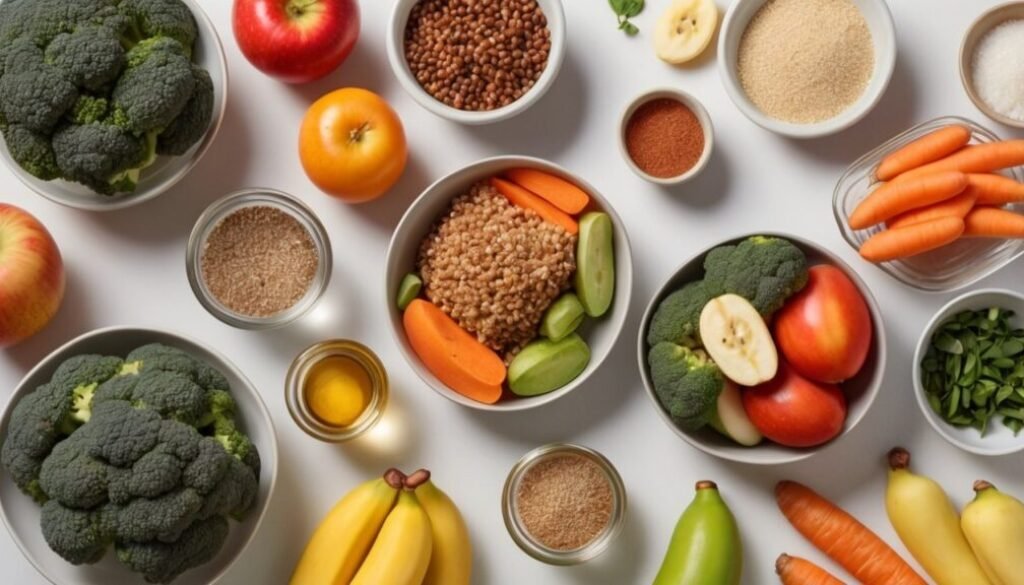
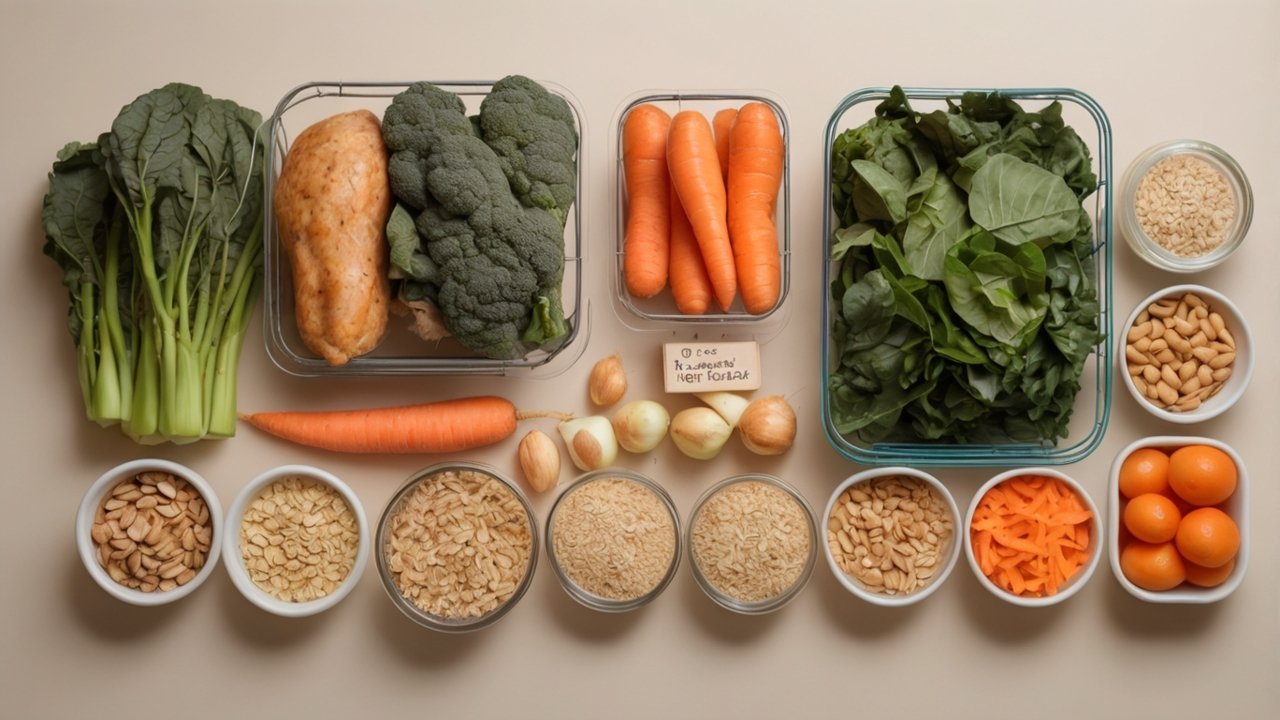
Fresh vegetables (broccoli, spinach, carrots)
-
Fruits (bananas, apples, berries)
-
Unsalted nuts and seeds
-
Lean meats and skinless poultry
-
Brown rice, quinoa, oats
-
Low-sodium canned beans or no-salt-added versions
🔗 Related read: Top Superfoods to Boost Energy & Burn Fat
🩺 What Are the Benefits of a Low-Sodium Diet?
According to PubMed studies, reducing sodium helps lower blood pressure significantly within just 4 weeks of consistent intake control.
✅ Pros of a Low-Sodium Diet
-
Supports long-term heart health
-
Reduces risk of stroke and cardiovascular disease
-
Helps manage kidney function
-
Decreases water retention and bloating
-
Encourages whole-food habits naturally
⚠️ Potential Cons (and How to Handle Them)
| Challenge | Solution |
|---|---|
| Bland taste | Try herbs, garlic, lemon, and vinegar instead of salt |
| Dining out limitations | Research low-sodium restaurant options or request modifications |
| Packaged food temptation | Stock your pantry with tasty low-sodium alternatives |
💡 Looking for flavor without sodium? Check this recommended tool here →
🔗 Internal Tips You Shouldn’t Miss
To better complement your low-sodium journey, explore these supportive reads:
-
Banana Nutrition Facts & Benefits – Great for potassium balance
-
Home Workout Plan for Beginners – Pair diet with movement
💡 Real-World Example: Anna’s Story
Anna, a 45-year-old teacher, struggled with headaches and fatigue until her doctor suggested a low-sodium diet. Within 3 weeks of cutting back processed snacks and adding potassium-rich foods like bananas and spinach, her blood pressure dropped, and she felt more energized.
She didn’t count milligrams obsessively. She just made smarter swaps. That’s the power of gradual, realistic change.
🛍️ Pro Tip: Simplify Your Transition
Want to make low-sodium eating easier? Try this affordable solution for meal planning and seasoning swaps:
👉 Discover this affordable solution today →
Or explore this gut-health-friendly supplement that supports digestion when shifting to whole foods:
👉 See pricing and reviews on the official site →
🧠 Final Takeaway
A low-sodium diet isn’t just for people with health conditions—it’s for anyone who wants more energy, better heart health, and control over what they eat. Start small. Read labels. Cook more often. Your body—and your future self—will thank you.

🥦 Chapter 2: Top Low-Sodium Foods to Eat Every Day
Why Choosing the Right Foods Matters
Following a low-sodium diet isn’t just about cutting salt—it’s about making smarter food choices that nourish your body without overloading it with sodium. The good news? You don’t need to sacrifice flavor or variety. In fact, some of the most nutrient-dense foods on the planet are naturally low in sodium.
Let’s break down what to eat, why it works, and how to make your meals both heart-healthy and enjoyable.
✅ Focus keyphrase: low-sodium diet
✅ Supporting keywords: low sodium foods, heart-healthy diet, potassium-rich foods
🥗 Fresh Produce: The Foundation of Any Low-Sodium Diet
Fruits and vegetables are naturally low in sodium and high in potassium, which helps counterbalance sodium’s effects on blood pressure. They’re also rich in fiber, antioxidants, and water content.
🥬 Best Low Sodium Vegetables
-
Spinach
-
Broccoli
-
Bell peppers
-
Zucchini
-
Kale
-
Carrots
These veggies can be steamed, roasted, or blended into smoothies—no salt required.
🍎 Best Low Sodium Fruits
-
Bananas (potassium-rich)
-
Berries
-
Apples
-
Oranges
-
Grapes
-
Melons
🔗 Try this: Banana Nutrition & Health Benefits
🍗 Lean Proteins: Build Strength Without the Salt
Protein is essential, but many sources—like deli meat or bacon—are loaded with sodium. Instead, choose:
-
Fresh skinless chicken or turkey
-
Fresh fish (like salmon or tilapia)
-
Dried or canned beans (low-sodium or no-salt-added)
-
Lentils
-
Tofu
📌 Pro Tip: Cook proteins with garlic, pepper, paprika, or lemon juice for bold flavor without salt.
👉 Looking for a quick start? Discover this affordable solution today →
LiveSmartHealth Low Sodium Meal Planner
🥣 Whole Grains and Fiber-Rich Foods
Whole grains help regulate blood pressure and improve digestion. Look for options labeled “no salt added” or naturally sodium-free.
🥖 Great Choices:
-
Brown rice
-
Quinoa
-
Oats
-
Whole wheat pasta
-
Unsweetened oatmeal
-
Barley
🔗 Related: FibreMaxxing – Viral Gut Health Trend
🥜 Smart Snacks and Pantry Staples
Snacking doesn’t have to sabotage your low-sodium efforts. Stock your kitchen with heart-friendly options like:
-
Unsalted nuts (almonds, walnuts)
-
Plain popcorn (air-popped)
-
Rice cakes
-
Greek yogurt (plain)
-
Hummus (low-sodium versions)
-
Fresh-cut veggies with guacamole
📌 Want bloat-free digestion on your low-sodium plan?
👉 Try this gut-friendly probiotic →
🧂 The Best Salt Alternatives
Flavor doesn’t have to come from sodium. Here’s what chefs and dietitians recommend:
🌿 Seasonings to Try Instead of Salt
-
Garlic powder (not garlic salt)
-
Onion powder
-
Paprika
-
Black pepper
-
Cumin
-
Fresh herbs: basil, cilantro, rosemary
-
Lemon juice or vinegar for acidity
You can also explore low-sodium seasoning blends like Mrs. Dash or homemade mixes.
✅ CTA: Check this recommended tool for sodium-free spice kits →
Explore seasoning bundles here →
✅ Quick Meal Idea (Under 500mg Sodium)
Grilled Chicken Bowl with Quinoa and Veggies
-
Grilled chicken breast (no marinade)
-
½ cup cooked quinoa
-
Steamed broccoli & carrots
-
Drizzle of lemon juice + black pepper
Total sodium: ~400 mg (depending on brands used)
🔗 Bonus: Healthy Chicken Recipes for Fitness
⚖️ Summary: Eat More of These Low-Sodium All-Stars
Here’s your quick reference cheat sheet:
| Food Category | Examples |
|---|---|
| Vegetables | Broccoli, spinach, kale |
| Fruits | Apples, bananas, berries |
| Proteins | Chicken, lentils, tofu |
| Grains | Quinoa, oats, brown rice |
| Snacks | Unsalted nuts, plain popcorn |
| Seasonings | Herbs, spices, lemon juice |
🌱 Final Word: Build a Low-Sodium Lifestyle That Lasts
Eating a low-sodium diet doesn’t mean bland meals or endless restrictions. With the right food swaps and flavor tricks, you can protect your heart and still love what’s on your plate.
❌Chapter 3: Foods and Ingredients to Avoid on a Low-Sodium Diet
Hidden Salt Is Everywhere — Here’s How to Outsmart It
You might think avoiding the salt shaker is enough to follow a low-sodium diet — but most sodium in the average diet doesn’t come from what you sprinkle on your food. It comes from packaged, processed, and restaurant meals.
If you’re trying to lower blood pressure, reduce bloating, or manage heart or kidney health, knowing which foods to avoid is just as important as knowing what to eat.
Let’s break down the worst sodium offenders, what makes them so dangerous, and how to replace them without missing a beat.
✅ Focus keyphrase: low-sodium diet
✅ Supporting keywords: high sodium foods, processed food, hidden sodium, reduce salt
🧂 Top High-Sodium Foods to Cut Immediately
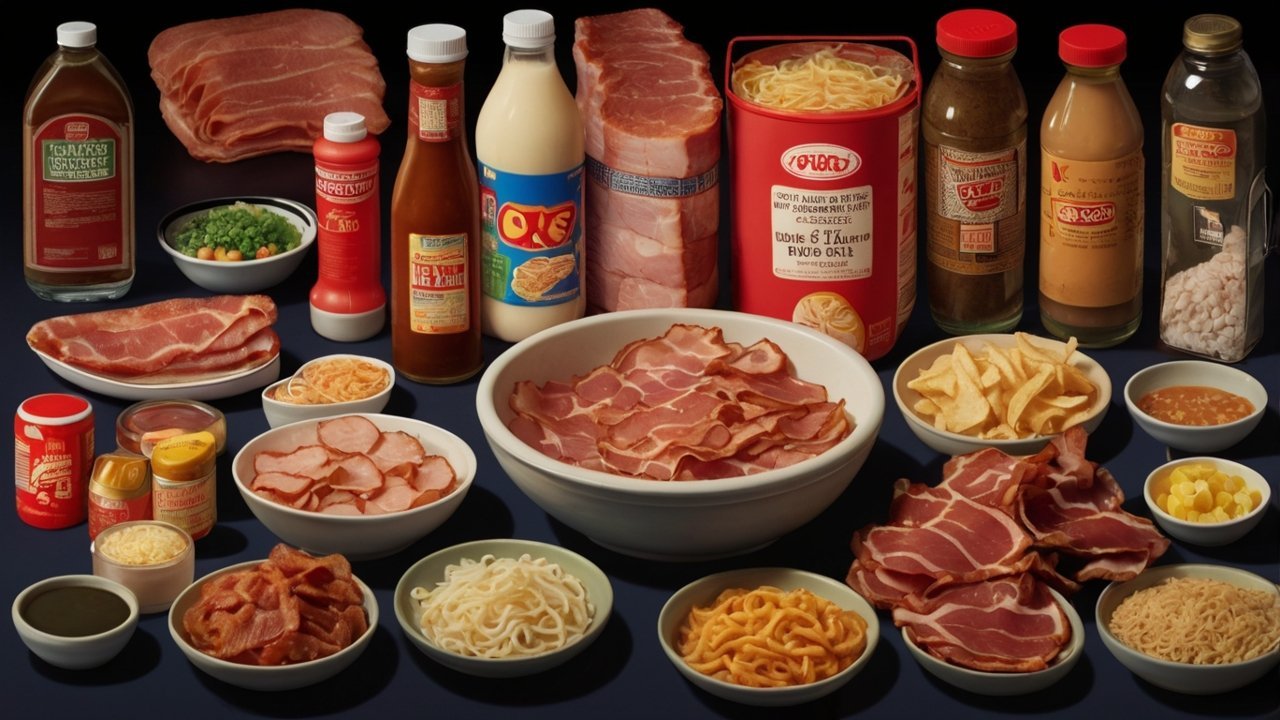
🥓 1. Processed Meats
These are some of the saltiest items in the average diet.
Examples:
-
Bacon
-
Ham
-
Sausages
-
Deli turkey or chicken slices
-
Hot dogs
Why it matters: A single serving of deli meat can contain over 1,000 mg of sodium—nearly half your daily max.
Swap with: Grilled chicken breast, roasted turkey, or plant-based protein like lentils.
👉 Looking for a better protein plan? See this affordable option →
🍜 2. Instant and Packaged Meals
Even meals labeled “healthy” can be sodium bombs.
Examples:
-
Instant noodles
-
Frozen pizzas
-
Mac and cheese boxes
-
“Low-fat” frozen dinners
These are shelf-stable for a reason: they’re packed with preservatives and sodium for taste and longevity.
Swap with: Homemade soups, fresh stir-fry with low-sodium sauce, batch-cooked whole meals.
🔗 Bonus: Healthy Chicken Recipes for Fitness
🥫 3. Canned Soups and Vegetables
A can of soup often contains 700–1,200 mg of sodium per serving — and most people eat the whole can.
Examples:
-
Tomato soup
-
Chicken noodle soup
-
Canned green beans, peas, or corn with added salt
Swap with: “No-salt-added” canned veggies or make your own soup with fresh ingredients and sodium-free broth.
CTA: Check this recommended low-sodium broth alternative here →
Shop the best solutions now →
🍟 4. Salty Snacks and Fast Food
Convenient? Yes. Heart-friendly? Absolutely not.
Examples:
-
Potato chips
-
Pretzels
-
Salted nuts
-
Cheese-flavored crackers
-
Fast food burgers, fries, and fried chicken
Even small portions add up quickly. One fast food meal can push you well over the daily sodium limit.
Swap with: Unsalted almonds, air-popped popcorn, or veggie sticks with hummus.
🔗 Related read: Tummy Fat Loss Exercises You Can Do at Home
🍛 5. Sauces, Dressings, and Condiments
Even healthy-looking salads or grilled chicken can become sodium bombs if drenched in sauce.
Examples:
-
Soy sauce
-
Teriyaki sauce
-
Ranch dressing
-
BBQ sauce
-
Ketchup
One tablespoon of soy sauce = 800+ mg sodium.
Swap with: Vinegar, olive oil, lemon juice, Greek yogurt–based dressings, or sodium-free spice blends.
👉 Want to restock your pantry? Discover this low-sodium spice kit →
⚠️ Sneaky Sources of Sodium to Watch For
Not all high-sodium foods are obvious. Check your labels on:
-
Bread and tortillas (some loaves contain 150+ mg per slice)
-
Cheese (especially processed cheese and spreads)
-
Pickles and olives
-
Breakfast cereals
-
Protein bars and meal replacements
📌 Tip: Look for anything over 140 mg per serving — that’s no longer considered low-sodium, per FDA guidelines.
🧠 Label Reading Tips to Stay Under 2,300mg
Here’s how to quickly scan for sodium safety:
| Label Term | What It Means |
|---|---|
| Sodium-Free | Less than 5 mg per serving |
| Very Low Sodium | 35 mg or less |
| Low Sodium | 140 mg or less |
| Reduced Sodium | At least 25% less than usual |
| No Salt Added | No extra salt added (check label) |
📚 Source: U.S. Food and Drug Administration (FDA)
✅ Real-Life Swap Chart
| High-Sodium Food | Low-Sodium Alternative |
|---|---|
| Soy Sauce | Coconut aminos or vinegar + spices |
| Canned soup | Homemade soup with no-salt broth |
| Processed meats | Grilled chicken or roasted turkey |
| Salted nuts | Unsalted almonds or sunflower seeds |
| Cheese | Low-sodium cottage cheese |
🧠 Final Thought: Outsmart the Salt
A low-sodium diet isn’t about fear—it’s about awareness. By knowing which ingredients to avoid and how to read labels, you empower yourself to make heart-smart, sustainable choices.
Remember: flavor doesn’t have to come from salt. It comes from herbs, spices, fresh food—and control over your own plate.
🗓️ Chapter 4: Low-Sodium Meal Plan: A Sample Day That’s Easy, Balanced, and Flavorful
One Day, Real Change: What a Low-Sodium Diet Actually Looks Like
If you’re new to a low-sodium diet, you might feel unsure what to eat or how much salt is too much. Good news: you don’t need fancy ingredients or strict meal plans — just a smart, simple approach.
Below is a 1-day low-sodium meal plan that’s packed with flavor, supports heart health, and keeps sodium well within the recommended limit.
✅ Focus keyphrase: low-sodium meal plan
✅ Supporting keywords: low sodium meals, heart-healthy diet, sodium-free foods
📊 Daily Target: Stay Under 1,500–2,300mg Sodium
According to the American Heart Association, ideal sodium intake is 1,500mg or less per day, especially for those with high blood pressure. This plan keeps it realistic — averaging 1,200–1,400mg, using widely available ingredients.
🍳 Breakfast: Oatmeal with Banana, Cinnamon & Almond Butter
Ingredients:
-
½ cup old-fashioned oats (0 mg)
-
1 medium banana (1 mg)
-
1 tbsp unsalted almond butter (0–5 mg)
-
Sprinkle of cinnamon
Total Sodium: ~10 mg
Why it works: High in potassium, fiber, and satisfying without a single pinch of salt.
🔗 Related read: Banana Nutrition Facts & Health Benefits
👉 Want to automate healthy mornings?
Try this easy breakfast planner →
🥗 Lunch: Grilled Chicken Salad with Olive Oil & Lemon Dressing
Ingredients:
-
3 oz grilled chicken breast (60–80 mg)
-
Mixed greens (lettuce, spinach, arugula)
-
Sliced cucumber, cherry tomatoes, shredded carrots
-
Dressing: 1 tbsp olive oil + 1 tbsp lemon juice + garlic powder
Optional: 1 boiled egg (~60 mg)
Total Sodium: ~150–200 mg
Why it works: Lean protein + fresh veggies = filling and low sodium.
🔗 Also read: Healthy Chicken Recipes for Fitness
🍎 Snack: Apple Slices with Unsalted Peanut Butter
Ingredients:
-
1 medium apple (1 mg)
-
1 tbsp unsalted peanut butter (0–5 mg)
Total Sodium: ~6 mg
Why it works: Great mix of fiber and healthy fats — zero added sodium.
🍽️ Dinner: Baked Salmon, Quinoa & Roasted Veggies
Ingredients:
-
3 oz salmon filet (natural, ~50 mg)
-
½ cup cooked quinoa (10–15 mg)
-
Roasted broccoli & zucchini with olive oil and herbs
-
Sprinkle of paprika and black pepper
Total Sodium: ~150–180 mg
Why it works: This dinner is high in omega-3s, fiber, and potassium — and tastes gourmet with zero added salt.
📌 Optional Tip: Batch-cook quinoa or fish ahead of time to save time mid-week.
🍇 Evening Snack (Optional): Berries with Greek Yogurt (Low-Sodium)
Ingredients:
-
½ cup blueberries or strawberries (1–2 mg)
-
½ cup plain low-sodium Greek yogurt (~60 mg)
Total Sodium: ~60–70 mg
Why it works: Protein and antioxidants in a gut-friendly, low-sodium dessert.
👉 Want to support digestion while adjusting to high-fiber, low-salt foods?
Try this probiotic blend →
✅ Daily Recap (Estimated Sodium Totals)
| Meal | Estimated Sodium |
|---|---|
| Breakfast | 10 mg |
| Lunch | 150–200 mg |
| Snack | 6 mg |
| Dinner | 150–180 mg |
| Evening Snack | 60–70 mg |
| Total | ~376–466 mg |
Note: This leaves flexibility for a second snack, beverage, or optional ingredients — while staying under 1,000 mg comfortably.
🧂 Tools to Make Low-Sodium Planning Easier
Instead of constantly reading labels or counting sodium milligrams, streamline your meal planning with tools like:
✅ LiveSmartHealth Low-Sodium Planner →
✅ No-Salt Spice Blends & Kits →
These are affordable solutions that help you save time, reduce overwhelm, and stay consistent with your low-sodium goals.
🧠 Realistic Tips for Low-Sodium Success
-
Cook more often: Restaurant meals often contain 1,500+ mg in one dish.
-
Read all labels — even “healthy” foods can be sodium traps.
-
Batch prep proteins and grains to reduce temptation mid-week.
-
Hydrate: Water helps flush excess sodium from your system.
-
Balance sodium with potassium (bananas, spinach, sweet potatoes).
🔗 Bonus resource: Sweet Potato Nutrition & Health Benefits
💬 Final Word: This Meal Plan Is Just a Starting Point
A low-sodium meal plan doesn’t have to be complicated or boring. With the right habits and pantry staples, it becomes second nature—and your taste buds will adapt faster than you think.
🍔 Chapter 5: Low-Sodium Fast Food and Restaurant Options That Won’t Wreck Your Diet
You Can Eat Out Without Overloading on Salt — Here’s How
Eating out on a low-sodium diet might feel like a trap. One restaurant meal can pack 1,500+ mg of sodium — your entire day’s limit in one sitting.
But here’s the good news: with a few smart swaps, label checks, and a bit of pre-planning, you can enjoy fast food and restaurant meals without wrecking your heart-health goals.
This guide shows you exactly what to order, what to avoid, and which places offer the best low-sodium options.
✅ Focus keyphrase: low-sodium fast food
✅ Supporting keywords: low sodium restaurant meals, eat out on low sodium, restaurant diet tips
🧂 Why Fast Food Is So High in Sodium
Most fast food is processed, frozen, and flavored with preservatives and sauces that are sky-high in sodium. Even a salad can be a salt trap if it’s topped with croutons, cheese, and ranch dressing.
Here’s what to watch for:
-
Breads and buns
-
Processed cheese
-
Sauces (ketchup, soy, mayo, etc.)
-
Fried or breaded proteins
-
Deli-style meats
🔗 Related post: Caffeine-Free Coke: Pros, Cons & Best Alternatives
✅ Best Fast Food Chains for Low-Sodium Options
🥪 Subway
Why it’s great: You build your own sandwich, meaning you control the sodium load.
Tips:
-
Choose 6” sandwich, not footlong
-
Ask for no cheese or one slice of Swiss (lower sodium)
-
Use mustard instead of salty sauces
-
Load up on veggies
Best pick: Veggie Delight 6” on wheat — ~310 mg sodium (without cheese or sauces)
🥗 Chipotle
Why it’s great: Fresh ingredients, customizable bowls
Tips:
-
Skip cheese, sour cream, and chips
-
Choose brown rice, black beans, grilled chicken or sofritas
-
Ask for light or no salt on proteins
Best pick: Salad bowl with brown rice, chicken, fajita veggies, and guac — ~400–500 mg sodium
👉 Want a full week of done-for-you restaurant-safe meal ideas?
Get the affordable guide here →
🍗 Chick-fil-A
Why it’s great: Offers grilled items and simple sides.
Tips:
-
Order Grilled Chicken Sandwich (avoid spicy or breaded)
-
Choose fruit cup or side salad over fries
-
Skip sauces (or ask for “sauce on the side”)
Best pick: Grilled Chicken Sandwich — ~680 mg sodium
Still moderate, but one of the better fast food mains available.
🥣 Panera Bread
Why it’s great: Transparent nutrition info, decent low-sodium soups and bowls.
Tips:
-
Choose You Pick Two with lower-sodium options
-
Avoid bread bowls, cheese-heavy items, and cream-based soups
Best pick: Turkey Chili cup with a fruit cup — ~450 mg sodium
🌯 Taco Bell (Surprisingly Flexible)
Why it’s great: Custom orders, smaller portions
Tips:
-
Choose fresco-style tacos
-
Remove cheese, sour cream, and sauces
-
Sub black beans or veggies for meat
Best pick: Fresco soft taco with beans — ~300 mg sodium
🔗 Related: Top Superfoods That Burn Fat & Boost Energy
⚖️ Low-Sodium Fast Food Comparison Chart
| Restaurant | Best Order Example | Sodium (Approx.) |
|---|---|---|
| Subway | 6” Veggie Delight, mustard, no cheese | 310 mg |
| Chipotle | Bowl: brown rice, chicken, veggies, guac | 450 mg |
| Chick-fil-A | Grilled Chicken Sandwich | 680 mg |
| Panera | Turkey chili + fruit | 450 mg |
| Taco Bell | Fresco bean taco | 300 mg |
🍽️ Eating Out at Restaurants (Non-Fast Food)
At sit-down restaurants, sodium levels are harder to control — but not impossible.
Tips to Navigate Any Menu:
-
Ask for your food cooked without salt
-
Choose grilled or steamed over fried
-
Request sauces and dressings on the side
-
Skip soups, pickled items, and cheese toppings
-
Watch out for marinades, broths, and seasoned rice
📌 Pro tip: Restaurants often honor “low sodium” requests if you ask — especially chain and hotel restaurants.
👉 Need help explaining your dietary needs to staff?
Grab this printable restaurant request card →
🛠️ Tools & Services to Simplify Dining Out
Instead of scanning menus for sodium content every time, streamline your routine with:
✅ LiveSmartHealth’s Restaurant Survival Toolkit →
✅ Low-Sodium Seasoning Blend for On-the-Go Meals →
These are affordable tools that keep your diet on track, even when life gets busy or social.
🧠 Final Thought: Eat Smart, Not Perfect
Following a low-sodium diet doesn’t mean giving up your favorite restaurants — it just means eating with intention. With smart swaps, a few customizations, and better choices, you can dine out confidently without derailing your progress.
🍳 Chapter 6: Cooking Tips for a Low-Sodium Lifestyle That Actually Taste Good
How to Cook Flavorful Meals Without the Salt
Let’s be honest: cutting back on sodium sounds simple — until you take that first bite and miss the flavor. That’s where smart cooking comes in.
A low-sodium lifestyle isn’t about bland food. It’s about learning to layer flavor, use better ingredients, and build habits that make healthy eating enjoyable and sustainable.
This guide gives you practical low-sodium cooking tips, pantry swaps, seasoning tricks, and chef-style shortcuts to make your meals taste amazing — without relying on salt.
✅ Focus keyphrase: low-sodium lifestyle
✅ Supporting keywords: low-sodium cooking, salt-free flavor, healthy seasoning, salt substitutes
🧂 1. Build Flavor Without Relying on Salt
🎯 Use Layers of Natural Flavor
Salt is only one way to make food taste good — and not even the best one.
Here’s what chefs use instead:
-
Acids: Lemon juice, vinegar, lime
-
Fresh herbs: Basil, parsley, rosemary, cilantro
-
Dried spices: Smoked paprika, cumin, turmeric, garlic powder
-
Aromatics: Onion, garlic, ginger
-
Umami boosters: Mushrooms, tomato paste, nutritional yeast
🔧 Want ready-made salt-free flavor?
👉 Try this low-sodium seasoning bundle →
🧑🍳 2. Cooking Techniques That Maximize Taste
🍽️ Use High-Flavor Cooking Methods
How you cook your food matters just as much as what’s in it.
-
Roasting concentrates flavor and brings out natural sweetness
-
Grilling adds smoky depth
-
Sautéing with garlic, shallots, and herbs builds a rich base
-
Blending soups with spices and root veggies gives creamy texture without salt or cream
📌 Try blending roasted carrots, onion, and garlic into broth for a creamy, low-sodium soup base.
🛒 3. Stock a Smart Low-Sodium Pantry
🧺 What to Keep on Hand
Make low-sodium cooking easy by having the right ingredients ready to go:
✅ Must-Haves:
-
No-salt-added canned beans and tomatoes
-
Brown rice, quinoa, barley
-
Unsalted nuts and seeds
-
Olive oil, apple cider vinegar
-
Garlic powder, onion powder, chili flakes
-
Low-sodium soy sauce (or coconut aminos)
-
No-salt broth or bouillon cubes
🔗 Bonus: Sweet Potato Nutrition Guide
🔍 Need help stocking your kitchen from scratch?
👉 Check out this low-sodium starter kit →
📏 4. Label-Reading Tips (So You Don’t Get Tricked)
Even foods that look healthy can hide serious sodium.
🚫 Avoid anything that says:
-
“Seasoned”
-
“Flavored”
-
“Broth added”
-
“Cured” or “Smoked”
-
“Instant”
Instead, look for:
-
“No salt added”
-
“Low sodium” (≤140mg per serving)
-
“Reduced sodium” (25% less than regular)
📚 Source: U.S. FDA guidelines on sodium labeling
🥄 5. Make Your Own Spice Mixes
Store-bought seasonings often sneak in sodium or MSG.
🧂 DIY Salt-Free Taco Seasoning
-
1 tbsp chili powder
-
1 tsp cumin
-
1 tsp smoked paprika
-
½ tsp garlic powder
-
½ tsp onion powder
-
¼ tsp black pepper
-
Optional: crushed red pepper flakes
Use it on chicken, beans, roasted veggies, or grain bowls.
✅ Prefer done-for-you spice kits?
👉 See this recommended solution →
💡 Real-World Tip: Batch Cooking = Less Temptation
When you’re tired, you’re more likely to order salty takeout.
Solution: Spend one afternoon per week prepping:
-
Cooked whole grains
-
Chopped veggies
-
Baked chicken or tofu
-
Low-sodium soups or stews
Freeze extras in portion sizes. Add fresh herbs before serving for maximum flavor.
🔗 Also check: Home Workout Plan for Busy Beginners
✅ Bonus: Low-Sodium Flavor Pairing Chart
| Food Base | Flavor Pairings |
|---|---|
| Chicken breast | Garlic, rosemary, lemon |
| Roasted veggies | Cumin, paprika, chili flakes |
| Whole grains | Olive oil, parsley, lemon zest |
| Soups | Bay leaf, thyme, onion, nutritional yeast |
| Beans/lentils | Smoked paprika, cumin, cilantro |
🧠 Final Word: Build Flavor by Design
Living a low-sodium lifestyle doesn’t mean bland food or boring meals. Once you learn how to layer flavor and choose the right ingredients, it becomes second nature — and way more satisfying.
Cooking at home isn’t just healthier — it gives you total control over what goes into your food.

🧠 Chapter 7: Common Myths About Low-Sodium Diets — Debunked with Facts
Still Think Low-Sodium Means “Flavorless” or “Only for Sick People”?
If you’ve ever hesitated to try a low-sodium diet, chances are you’ve heard (or believed) one of these myths. And you’re not alone.
From “salt is essential” to “low-sodium food tastes terrible,” misinformation is everywhere — especially online. But the truth is, lowering your sodium can improve energy, reduce bloating, and support your heart—and it doesn’t mean you’re stuck with steamed broccoli forever.
Let’s break down the biggest misconceptions and what the research actually says.
✅ Focus keyphrase: low-sodium diet
✅ Supporting keywords: salt myths, heart-healthy eating, sodium misconceptions, low sodium food facts
❌ Myth #1: “Low-Sodium Food Tastes Bland”
Reality: Bland food comes from poor seasoning, not from cutting salt.
Once you learn to layer flavor using herbs, acids (like lemon juice or vinegar), and spices like paprika or cumin, your meals will be anything but boring.
🧂 Want flavor without salt?
👉 Check out this salt-free seasoning bundle →
🔗 Related: Cooking Tips for a Low-Sodium Lifestyle
❌ Myth #2: “Only People With Health Problems Need a Low-Sodium Diet”
Reality: While sodium reduction is essential for people with hypertension, heart failure, or kidney disease, everyone benefits from balanced sodium intake.
According to Harvard Health, most adults consume 50–70% more sodium than recommended — often without realizing it. A low-sodium diet can help:
-
Reduce water retention
-
Improve energy and focus
-
Lower long-term disease risk
CTA: Want to simplify the switch?
👉 Discover this affordable starter kit →
❌ Myth #3: “Sea Salt or Pink Salt Is Healthier Than Table Salt”
Reality: Sodium is sodium.
While sea salt and Himalayan pink salt may contain trace minerals, they offer no real sodium reduction benefit. Your body processes them the same way.
If you’re serious about cutting sodium, the type of salt matters less than the total amount.
❌ Myth #4: “Processed Food Labeled ‘Healthy’ Is Low in Sodium”
Reality: Many “healthy” frozen meals or protein bars are loaded with hidden sodium.
Examples:
-
Protein bars: 200–300 mg sodium
-
“Lean” frozen dinners: 600–900 mg sodium
-
Soups labeled “light” or “fit”: 1,000+ mg per can
✅ Always read the label — “low-fat” ≠ “low-sodium”
🔗 Also check: Mitochondrial Imbalance: The Hidden Cause of Fatigue
❌ Myth #5: “You Need Salt to Stay Hydrated”
Reality: While sodium helps with fluid balance, the average person gets more than enough from regular food. In fact, excess sodium can cause dehydration by pulling water into the bloodstream and out of your cells.
Focus on:
-
Drinking more water
-
Eating potassium-rich foods like bananas, spinach, and sweet potatoes
📌 Pro Tip: Balance is key — not extremes.
✅ Bonus: Quick Fact vs. Fiction
| Statement | Fact or Fiction | Truth |
|---|---|---|
| Sea salt is healthier than table salt | ❌ Fiction | Sodium content is nearly identical |
| Low-sodium diets are only for sick people | ❌ Fiction | Benefits everyone, especially long term |
| You can retrain your taste buds | ✅ Fact | Taste adjusts in 2–3 weeks |
| All fast food is high in sodium | ❌ Fiction | Some options can be customized to be lower sodium |
| Herbs and spices replace salt effectively | ✅ Fact | Adds flavor without increasing sodium |
🧠 Final Thought: Don’t Let Myths Steer Your Health
The truth is, a low-sodium diet is flexible, flavorful, and beneficial for almost everyone — not just those with a diagnosis.
When done right, it’s less about restriction and more about empowerment: You get to choose what goes in your body, how you feel, and how you age.
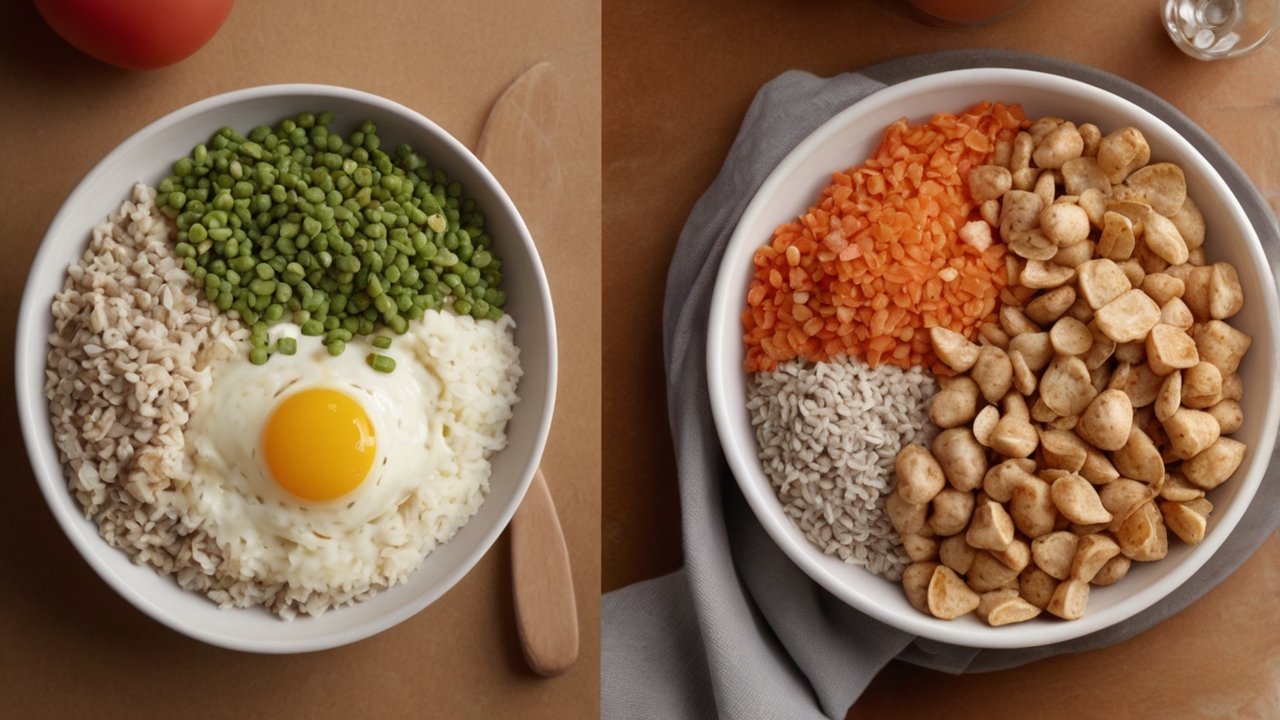
❓ Chapter 8: FAQs About Low-Sodium Diets – What You Need to Know
Still Have Questions? You’re Not Alone.
Switching to a low-sodium diet can feel overwhelming at first — especially when you’re not sure what’s too much, too little, or what “healthy” actually looks like on a label.
Below are the most common questions people ask when transitioning to a low-sodium lifestyle — answered with facts, not fluff.
✅ Focus keyphrase: low-sodium diet
✅ Supporting keywords: sodium intake, low sodium health, diet questions, blood pressure, hydration
🩺 Q1: How much sodium should I really eat per day?
Answer:
According to the American Heart Association, ideal daily sodium intake is:
-
1,500 mg for those with high blood pressure or heart disease
-
2,300 mg for the general healthy adult population
Most Americans consume over 3,400 mg/day, largely from processed and restaurant foods.
📌 Tip: Aim for “low-sodium” foods (140 mg or less per serving).
🔗 Related: Diabetes Management Guidelines for 2025
🧂 Q2: Can I lose weight on a low-sodium diet?
Answer:
Yes, especially in the first 1–2 weeks, due to reduced water retention. While sodium itself doesn’t contain calories, reducing salty processed foods often leads to:
-
Fewer calories consumed
-
Better food quality
-
Less bloating and water weight
👉 Want a simple plan to get started?
Check this beginner-friendly low-sodium meal planner →
⚠️ Q3: What are signs of too little sodium?
Answer:
Too little sodium (hyponatremia) is rare in people eating a normal diet. But it can happen in extreme low-sodium cases, especially in older adults or endurance athletes.
Symptoms may include:
-
Headache
-
Nausea
-
Confusion
-
Fatigue
-
Muscle cramps
📌 Always consult a healthcare provider before going below 1,200 mg/day unless advised.
🥣 Q4: Is sea salt or pink salt better than table salt?
Answer:
Not really. Sea salt and Himalayan pink salt have the same sodium content per gram as table salt. The only difference is trace minerals — which are too small to have health impact.
For real health improvement, focus on reducing total sodium, not swapping types.
🔗 More on this: Sweet Potato Health Benefits
🏃♀️ Q5: Can I exercise while on a low-sodium diet?
Answer:
Absolutely. In fact, combining exercise + low-sodium eating enhances heart health, reduces blood pressure, and improves stamina.
If you’re sweating heavily or training for endurance events, talk to your doctor about electrolyte balance — not just sodium, but also potassium and magnesium.
🧘♂️ Support your fitness routine:
Check out this beginner home workout plan →
🍲 Q6: What’s the best way to flavor food without salt?
Answer:
Here are some top no-salt flavor tricks:
-
Citrus juice (lemon, lime)
-
Vinegars (balsamic, apple cider)
-
Fresh herbs (parsley, thyme, basil)
-
Spices (smoked paprika, cumin, garlic powder)
-
Nutritional yeast (cheesy flavor without sodium)
👉 Don’t want to blend your own spices?
Check this pre-made salt-free seasoning set →
🧃 Q7: What drinks are best on a low-sodium diet?
Answer:
Best options include:
-
Water
-
Unsweetened herbal teas
-
Homemade smoothies (banana + spinach = potassium boost)
-
Low-sodium vegetable juices (watch labels)
Avoid:
-
Sports drinks (often high in sodium)
-
Store-bought broths and soups unless labeled “no salt added”
🔗 Related: Herbal Wellness Water — The Chinese Trend Explained
🍽️ Q8: Can I eat out at restaurants?
Answer:
Yes — but you must be proactive:
-
Ask for food to be prepared without added salt
-
Request sauces and dressings on the side
-
Stick to grilled, steamed, or baked dishes
-
Avoid soups, cured meats, and fried items
🔗 Need help? See our fast food low-sodium guide →
💡 Final Tip: Ask, Label, Plan
The keys to long-term low-sodium success:
-
Ask questions at restaurants or stores
-
Read labels carefully
-
Plan your meals to avoid impulse eating salty food
Stay informed. Track your progress. And remember — flavor doesn’t have to come from sodium.
🧾 Chapter 9: Final Thoughts, Affiliate Disclosure & Medical Disclaimer
🧠 Final Thoughts: A Low-Sodium Diet Is About Control — Not Perfection
Adopting a low-sodium diet isn’t about obsessing over every grain of salt. It’s about making intentional choices that protect your health, support your energy, and lower your risk of long-term illness — especially if you’re managing high blood pressure, heart concerns, or bloating.
Here’s what you’ve now learned:
-
What a low-sodium diet is (and what it isn’t)
-
Which foods to eat, avoid, and how to flavor food without salt
-
How to build meals, shop smart, and even eat out without setbacks
-
How to separate salt myths from science
-
How to make this way of eating sustainable and satisfying
With the right tools, habits, and mindset, this isn’t a restrictive diet — it’s an empowering lifestyle change.
✅ Need support getting started?
👉 Get this low-sodium meal planner & seasoning toolkit →
🤝 Affiliate Disclosure
Some links in this article are affiliate links, which means we may earn a small commission — at no extra cost to you — if you purchase through them.
We only recommend tools, products, and services we trust and believe will provide value to our readers. These small commissions help us continue creating free, evidence-based wellness content.
👉 Example affiliate links used in this post include:
Thank you for supporting independent health writing 🙏
⚠️ Medical Disclaimer
This blog post is for informational and educational purposes only and is not intended as a substitute for professional medical advice, diagnosis, or treatment.
Always consult your physician, registered dietitian, or a qualified health provider with any questions you may have regarding a medical condition or dietary change — especially if you are managing:
-
Heart disease
-
Kidney disease
-
Diabetes
-
Or taking medications that affect fluid/sodium balance
Do not delay or disregard professional advice based on anything read here.
📌 Keep Going: Your Next Steps
If you found this guide helpful, here’s what to do next:
✅ Bookmark or print this blog as a reference
✅ Share it with someone managing their blood pressure or diet
✅ Explore our related resources:
Or jumpstart your low-sodium journey with a toolkit that does the heavy lifting:
👉 Discover the affordable solution here →
Thank you for reading. Stay informed, stay empowered — and season smarter. 🧂
Please log in to access your exclusive content.
Don’t have an account? Click the “Register” button below to sign up.
Related Posts