Highest Dietary Fiber Foods: A Simple Guide to Better Gut Health
Have you ever wondered which ingredients truly count as the highest dietary fiber foods and why they matter so much for your health? Understanding the highest dietary fiber foods is more than a nutrition trend. It is one of the simplest ways to support digestion, balance blood sugar, and keep your energy steady throughout the day. Many people struggle to reach their daily fiber goals, often without realizing how much this affects gut health and long-term wellness.
Fiber rich foods are easy to add to your routine, yet the variety can feel overwhelming. Should you focus on legumes, whole grains, or fruits? And which options deliver the most benefits in the least effort? Knowing exactly what to choose helps you build meals that keep you full, satisfied, and nourished.
In this guide, we break down the highest dietary fiber foods, explain why they work, and show you practical ways to add them to your daily meals. Let’s start with the essentials and move into the full list.
Chapter 1 — Why the Highest Dietary Fiber Foods Matter for Your Daily Health
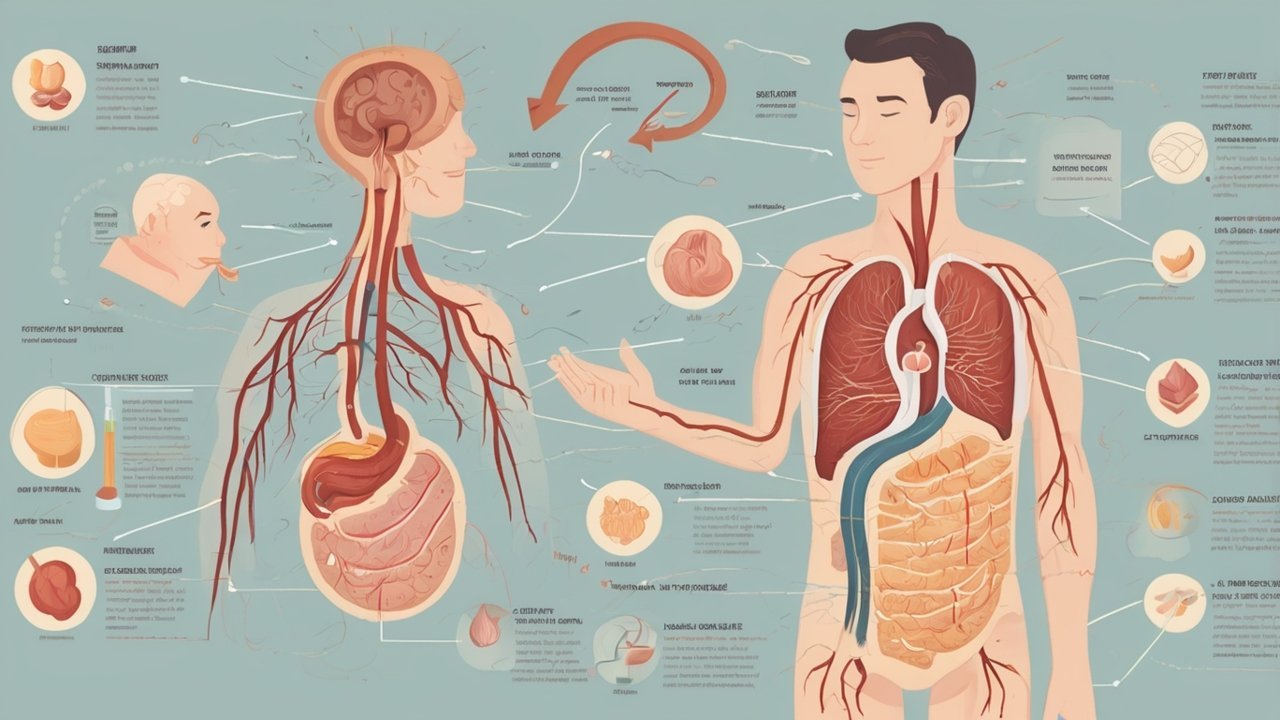
Most people know fiber is good for them, but few realize how deeply the highest dietary fiber foods influence energy, digestion, and long-term metabolic health. According to Harvard Health, higher fiber intake is linked to lower heart disease risk and improved blood sugar stability. When you understand what fiber does inside the body, you begin to see why choosing the highest dietary fiber foods is one of the easiest and most reliable ways to improve your daily wellness.
If you’re familiar with the trending gut-health movement called Fibremaxxing, you already know how powerful strategic fiber intake can be. You can explore this trend in detail here:
Fibremaxxing Explained – The Viral Gut Health Trend.
PubMed-supported research shows that both soluble and insoluble fiber feed beneficial gut bacteria, lower inflammation, and improve digestive rhythm over time.
How Fiber Supports Your Body in Today’s Lifestyle
Imagine starting your day with nothing but a pastry and coffee. The sugar rush is quick, but the crash comes fast. Now compare that with a bowl of oats topped with chia seeds and berries. One spikes your blood sugar; the other supports stable energy. This stability comes from fiber, particularly from the highest dietary fiber foods.
1. Stable, Long-Lasting Energy
Soluble fiber slows digestion and prevents glucose spikes. If you struggle with afternoon slump, this resource offers deeper insight:
Mitochondrial Energy Boost – How to Support Natural Energy.
2. Better Digestion and Reduced Bloating
Insoluble fiber acts like a natural broom for your intestines. If bloating or irregularity is an issue, pairing fiber with a probiotic can help. See comparison here:
Best Probiotics for Bloating and Gas – 2025 Picks.
3. Natural Appetite Control
Fiber expands with water, keeping you full longer with fewer calories.
4. Cardiovascular Support
Beta-glucan, found in oats and barley, helps reduce LDL cholesterol.
5. A Stronger Gut Microbiome
Many fibers act as prebiotics, feeding the good bacteria that influence immunity, digestion, and mental health.
This is why adding more of the highest dietary fiber foods to your plate is one of the best long-term investments in your health.
Soluble vs Insoluble Fiber: What You Need to Know
Both types of fiber play important roles, and the highest fiber foods usually offer a combination.
Soluble Fiber
-
Stabilizes blood sugar
-
Helps lower cholesterol
-
Forms a gel-like texture in the stomach
-
Found in oats, apples, chia seeds, legumes
Insoluble Fiber
-
Adds bulk to stool
-
Helps prevent constipation
-
Supports regular bowel movements
-
Found in vegetables, whole grains, nuts
If you’re exploring detox or digestive repair, this piece may help:
Best Liver Detox Methods That Actually Work – 2025 Guide.
A Simple Real-Life Example
Consider two breakfasts:
Low-fiber breakfast:
Pastry + coffee → glucose spike → crash → cravings → overeating.
High-fiber breakfast:
Oatmeal + chia seeds + raspberries → slow energy release → balanced appetite → steady focus.
This tiny shift shows how powerful the highest dietary fiber foods can be in daily life.
If you want nutrient-balanced meal ideas, this guide is a good place to start:
High-Protein Diet Guide – Benefits & Meal Plan 2025.
Pros and Cons of Increasing Fiber Intake
Pros
-
Affordable and accessible
-
Backed by strong research
-
Supports heart health, digestion, and appetite control
-
Suitable for nearly all diets
Cons
-
Increasing fiber too quickly may cause bloating
-
Fiber needs enough water to work properly
-
Those with IBS may need gentle, cooked options
For digestion-friendly fruit insights, see:
Banana Nutrition Facts & Health Benefits.
Helpful Tools and Support Options
If you want structured support while increasing your fiber intake, these tools may help:
Wellness Toolkit for Building Fiber-Friendly Habits
Digestive Comfort Support
Ideal for easing bloating during dietary changes.
LeanBiome Digestive Support
Metabolism-Friendly Support
A gentle companion when increasing fiber for fat-management goals.
HepatoBurn
Internal Resources for More Exploration
-
Gut Health: Fibremaxxing Explained
-
Natural Energy Boost: Mitochondrial Energy Guide
-
Detox Support: Best Liver Detox Methods 2025
-
Healthy Carbs: Sweet Potato Nutrition Guide
Chapter 2 — The Highest Dietary Fiber Foods (Ranked List + Benefits + How to Use Them)
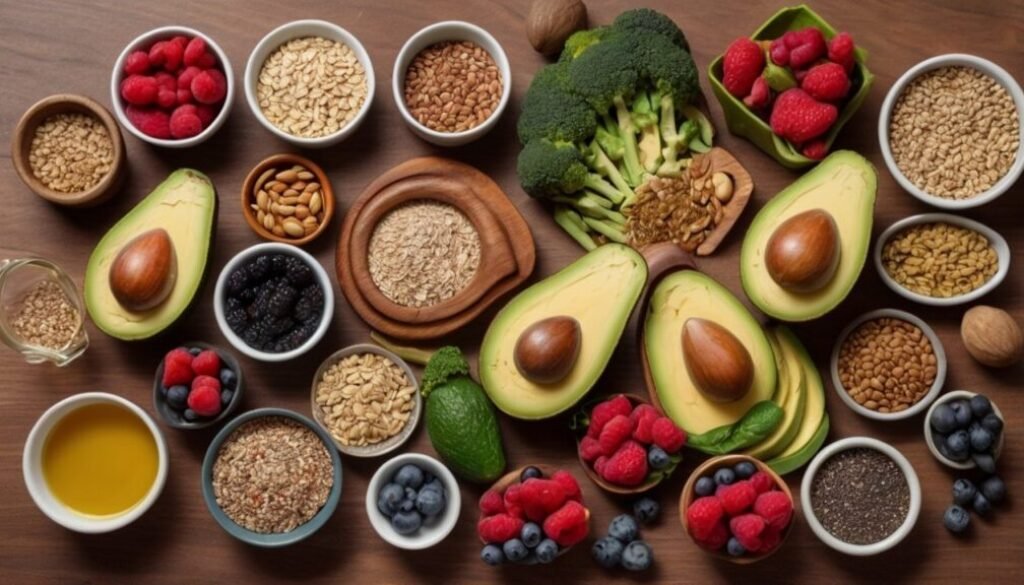
If you want to improve digestion, stabilize energy, and support gut health naturally, the easiest place to start is with the highest dietary fiber foods. These foods deliver powerful amounts of both soluble and insoluble fiber, giving you steady fullness, smoother digestion, and a more resilient microbiome. Below is a practical, research-backed list of the top fiber sources, along with tips on how to use them daily.
This ranking is based on USDA nutrition data and supported by insights from Harvard Health and Healthline. Let’s break down these foods one by one so you can start making simple, effective upgrades.
1. Lentils — One of the Most Complete High-Fiber Foods
Fiber per cup (cooked): ~15.6g
Lentils take the top spot for a reason. They’re affordable, high in both soluble and insoluble fiber, and easy to use in any type of cuisine.
Benefits:
-
Keeps blood sugar stable
-
Supports digestion effortlessly
-
Rich in plant-based protein
-
Perfect for meal prep
If bloating or irregular digestion makes you hesitant about legumes, pairing lentils with a targeted probiotic can help. See the top options here:
Best Probiotics for Bloating and Gas – 2025 Picks
Recommended tool for structure:
If you want a simple system for building high-fiber meals, try:
Live Smart Health Wellness Toolkit
2. Black Beans — Fiber + Protein for Lasting Fullness
Fiber per cup (cooked): ~15g
Black beans are among the highest dietary fiber foods and offer a smooth, earthy flavor.
Benefits:
-
Helps manage appetite naturally
-
Supports heart health
-
Delivers steady, slow-burning energy
For more fiber-rich superfood inspiration, check:
Top Superfoods to Boost Energy & Burn Fat
3. Chickpeas — Crunchy, Versatile, and Gut-Friendly
Fiber per cup (cooked): ~12.5g
Chickpeas are rich in resistant starch, which acts as a prebiotic for healthy gut bacteria.
Use ideas:
-
Roast for a crunchy snack
-
Blend into hummus
-
Add to bowls or salads
If you’re focused on reducing digestive discomfort while increasing fiber, learn more about liver–gut connections:
Best Liver Detox Methods – 2025 Guide
4. Chia Seeds — Tiny Seeds With Huge Benefits
Fiber per 2 tbsp: ~10g
Chia seeds are one of the most concentrated fiber sources on earth.
Benefits:
-
High soluble fiber, ideal for blood sugar balance
-
Helps lower LDL cholesterol
-
Expands in liquid, increasing fullness
How to use:
Add to smoothies, yogurt, oatmeal, or create chia pudding.
If you want help forming daily fiber habits, check:
Live Smart Health Wellness Toolkit
5. Raspberries — The Sweetest High-Fiber Fruit
Fiber per cup: ~8g
Few fruits offer as much fiber per calorie as raspberries.
Benefits:
-
Packed with antioxidants
-
Great for weight balance
-
Easy to eat fresh or frozen
Want to compare raspberry nutrition to other fruits? Start here:
Banana Nutrition Facts & Health Benefits
6. Avocado — Creamy Fiber + Healthy Fats
Fiber per fruit: ~10g
Avocado combines fiber with heart-healthy monounsaturated fats.
Best uses:
Add to salads, toast, smoothies, grain bowls, or eggs.
If you’re working on appetite management or fat metabolism, this supplement overview may help:
HepatoBurn
7. Sweet Potatoes — Gentle, Nourishing, and Fiber-Rich
Fiber per medium potato: ~4g
Sweet potatoes are easy to digest and provide both types of fiber.
Why they matter:
-
Support digestive regularity
-
Offer long-lasting energy
-
Rich in beta-carotene
Explore more here:
Sweet Potato Nutrition Guide
8. Oats — A Classic High-Fiber Breakfast Choice
Fiber per cup (cooked): ~4g
Steel-cut oats contain even more.
Benefits:
-
High in beta-glucan (great for cholesterol)
-
Supports fullness
-
Easy to pair with berries and seeds
Looking to combine high-fiber breakfast ideas with protein?
High-Protein Diet Guide – 2025
9. Broccoli — A Fiber-Rich Veggie With Extra Nutrients
Fiber per cup (cooked): ~5g
Broccoli combines fiber with antioxidants and vitamins.
Serving tips:
-
Steam with lemon
-
Roast with olive oil
-
Add to stir-fries or bowls
10. Barley — An Underrated Grain With Powerful Soluble Fiber
Fiber per cup (cooked): ~6g
Barley is one of the best grains for appetite control.
Benefits:
-
Stabilizes blood sugar
-
Keeps you full
-
Enhances digestive rhythm
Helpful Tools to Support High-Fiber Eating
Increasing fiber is easier when supported by simple tools and digestive comfort aids:
• All-In-One Wellness Habit Toolkit
Helps organize meals, hydration, and gut-friendly routines.
Live Smart Health Toolkit
• Digestive Comfort Supplement
Supports smoother digestion during your fiber transition.
LeanBiome Digestive Support
• Metabolism-Friendly Support
Pairs well with fiber-rich meals for balanced energy and fat processing.
HepatoBurn
Chapter 3 — Soluble vs Insoluble Fiber: What Your Body Needs
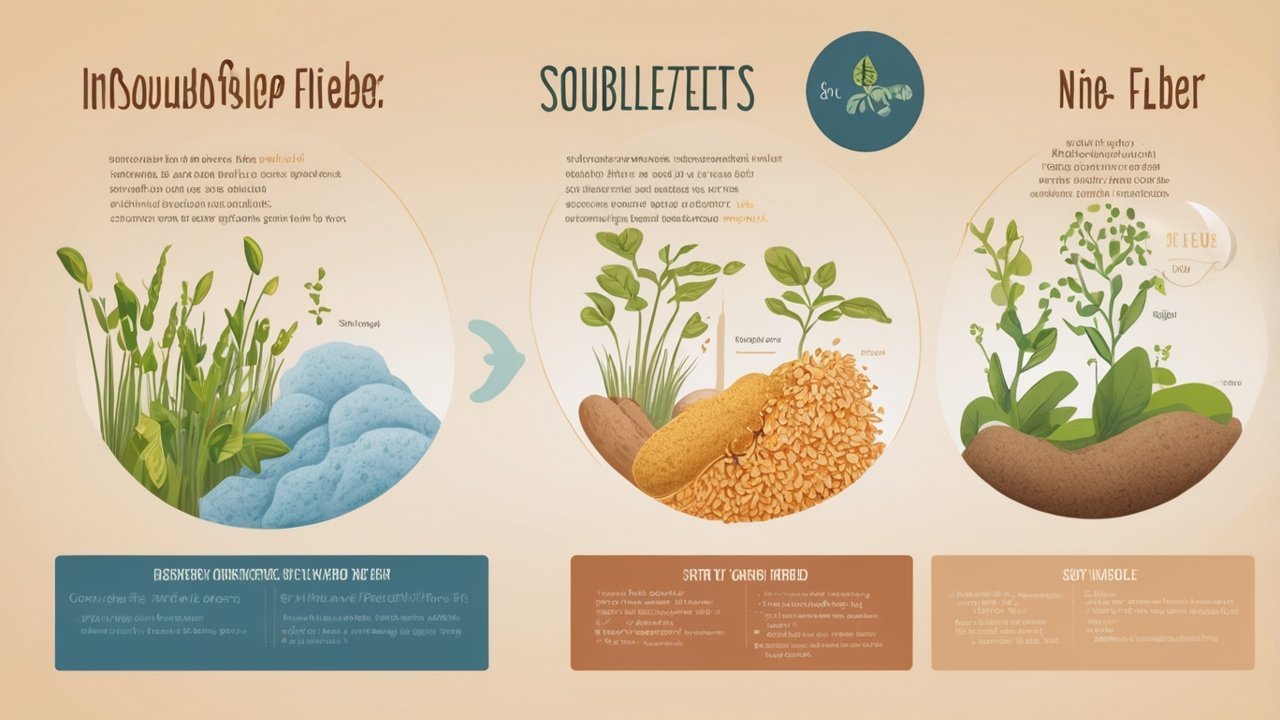
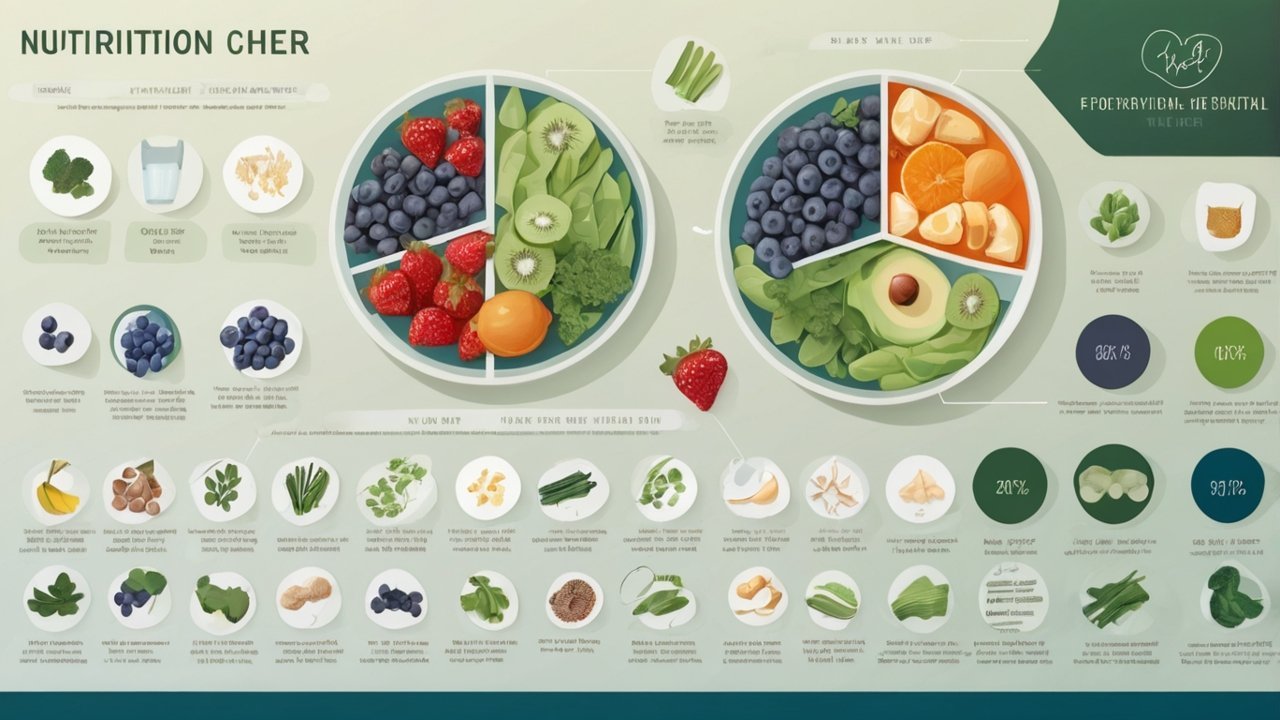
Most people hear about fiber in general, but few understand the difference between its two main types: soluble fiber and insoluble fiber. Knowing how these fibers work helps you choose the highest dietary fiber foods more strategically, especially if your goal is smoother digestion, better energy, or improved gut health. This chapter breaks down each type, shows how they affect your body, and explains the best ways to balance them in your daily meals.
Soluble and insoluble fiber work like a team. One slows digestion and stabilizes blood sugar, while the other supports regularity and gut rhythm. When you understand this balance, you can build meals that help your entire digestive system function the way it’s meant to.
Soluble Fiber — The Gel-Forming, Blood Sugar–Balancing Fiber
Soluble fiber dissolves in water and forms a gel-like substance in your digestive tract. This gel slows carbohydrate absorption, creating smoother glucose responses and more stable energy throughout the day. If you ever feel a mid-morning crash after breakfast, adding more soluble fiber may be exactly what you need.
Key Benefits of Soluble Fiber
-
Supports healthy blood sugar
-
Helps lower LDL cholesterol
-
Promotes satiety and appetite control
-
Feeds beneficial gut bacteria
Soluble fiber sources include oats, chia seeds, barley, apples, lentils, and many of the highest dietary fiber foods mentioned in the previous chapter.
If you’re curious about how soluble fiber supports natural energy and metabolic stability, this guide breaks it down clearly:
Mitochondrial Energy Boost – How to Support Natural Energy
How Soluble Fiber Helps the Gut Microbiome
Soluble fiber acts as a prebiotic, meaning it feeds beneficial gut microbes. A healthier microbiome is linked to improved immunity, mood balance, and reduced inflammation. PubMed studies repeatedly confirm soluble fiber’s role in shaping healthier gut environments.
If you want to explore a step-by-step gut-support protocol, see:
Best Probiotics for Bloating and Gas – 2025 Picks
Insoluble Fiber — The “Broom” That Keeps Digestion Moving
While soluble fiber absorbs water, insoluble fiber does the opposite. It adds bulk to stool and keeps food moving through your digestive tract efficiently. This type of fiber is essential for preventing constipation and keeping your gut rhythm consistent.
Key Benefits of Insoluble Fiber
-
Supports regular bowel movements
-
Helps prevent constipation
-
Improves digestive speed
-
Adds structure and fullness to meals
Sources include vegetables (like broccoli), whole grains, nuts, seeds, and skins of fruits. Many of the highest dietary fiber foods contain both types of fiber naturally, which is part of what makes them so effective.
If you’ve experienced bloating or sluggish digestion after certain meals, you might also explore detox and liver–gut links:
Best Liver Detox Methods – 2025 Guide
Which Fiber Type Do You Need More Of?
Here’s the truth: most people benefit from increasing both types. However, the right ratio depends on your goals.
If your goal is balanced energy:
Add more soluble fiber from oats, chia seeds, lentils, and berries.
If your goal is smoother, more regular digestion:
Focus on insoluble fiber from vegetables, whole grains, and nuts.
If your goal is weight control:
Use a mix of both. Soluble fiber controls appetite, while insoluble fiber increases meal volume.
If you want a deeper dive into fat metabolism, digestion, and body-composition support, this resource is helpful:
HepatoBurn
How to Build a Balanced Fiber Routine
Many readers find that balancing fiber works best when they follow a simple routine:
1. Start With a High-Fiber Breakfast
Oatmeal + chia seeds + berries = a perfect soluble and insoluble combo.
Recipe ideas:
High-Protein Diet Guide – 2025
2. Add Vegetables to Every Meal
Broccoli, Brussels sprouts, carrots, and leafy greens provide consistent insoluble fiber throughout the day.
3. Include a Low-Sugar Fruit Daily
Raspberries, apples, pears, and bananas offer a gentle mix of soluble and insoluble fiber.
See: Banana Nutrition Facts & Health Benefits
4. Use Fiber-Rich Grains and Legumes
Lentils, black beans, barley, quinoa, and chickpeas make it easy to hit your targets.
5. Stay Hydrated
Fiber works best when your body has enough water to move it through the digestive system.
Tools to Support a Higher-Fiber Lifestyle
Increasing fiber can sometimes cause temporary bloating, especially if you increase too quickly. The following supportive tools help readers transition smoothly:
• Digestive Support Supplement
Helps reduce bloating and improve comfort while adjusting your fiber intake.
LeanBiome Digestive Support
• Habit & Nutrition Toolkit
A structured system to help track fiber, hydration, and meals without overwhelm.
Live Smart Health Wellness Toolkit
• Metabolic Support Companion
Pairs well with fiber-rich meals for appetite balance and digestion.
HepatoBurn
Final Thoughts on Balancing Fiber Types
Both soluble and insoluble fiber are essential, and the body relies on them in different ways. Eating more of the highest dietary fiber foods will naturally give you the right blend of each. As you add more fiber to your meals, remember to increase slowly, stay hydrated, and choose a variety of sources. Small changes add up quickly, especially when supported by practical tools and the right knowledge.
Chapter 4 — How to Add More Fiber to Your Diet Without Digestive Discomfort
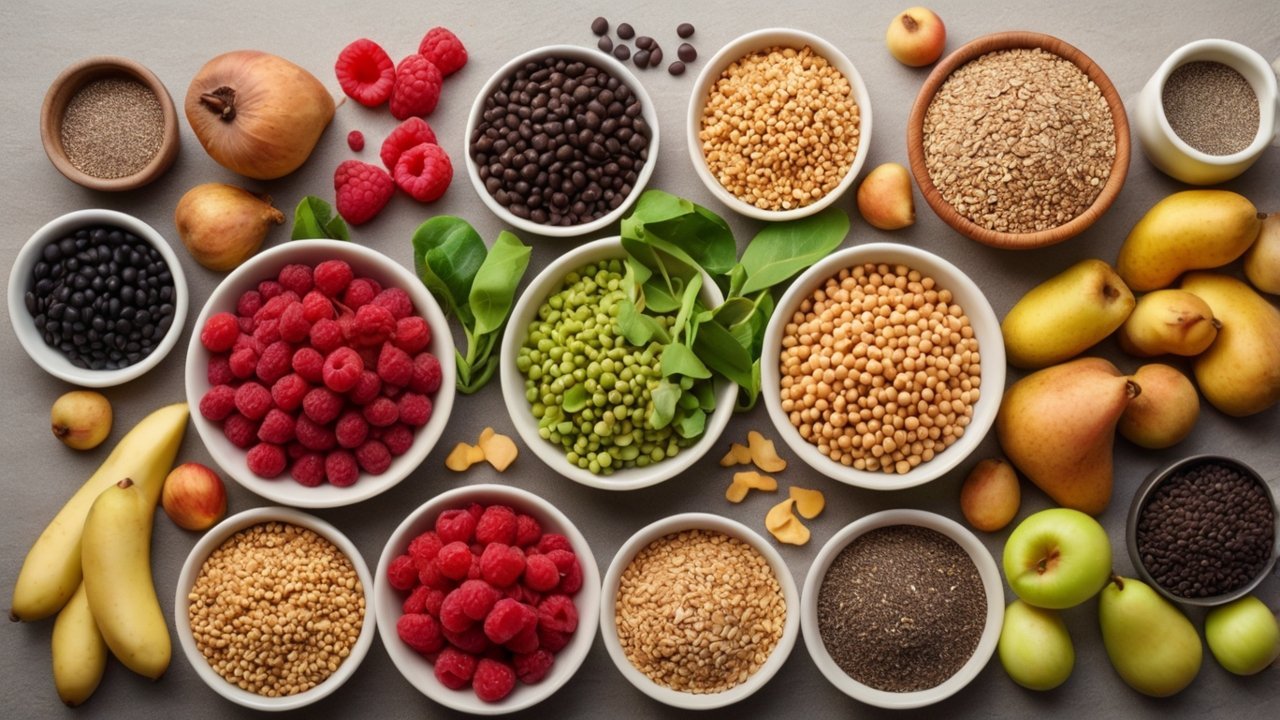
Adding more fiber to your meals is one of the easiest ways to improve digestion, energy, and long-term gut health. But the reality is that many people experience bloating, gas, or stomach discomfort when they suddenly increase fiber intake. The good news is that these reactions are normal, and they can be easily avoided with a gradual, smart approach. This chapter shows you how to add more of the highest dietary fiber foods into your day without feeling miserable in the process.
Your digestive system is adaptable. When you introduce more fiber slowly, your gut bacteria respond, diversify, and adjust. The key is pacing yourself, staying hydrated, and choosing the right type of fiber at the right time.
Step 1 — Increase Fiber Gradually, Not Overnight
Many people make the mistake of jumping from 10g of fiber per day to 30g in a single week. This overwhelms the gut and leads to bloating. Instead, increase fiber by 3 to 5 grams per day.
What this looks like in real life:
-
Add 1 tbsp chia seeds to breakfast
-
Swap white rice for half brown rice or quinoa
-
Add ½ cup of beans to lunch
-
Eat one piece of fruit instead of a sugary snack
If you’re trying to follow gut-health trends like Fibremaxxing, the step-by-step guide here is incredibly helpful:
Fibremaxxing Explained – The Viral Gut Health Trend
Step 2 — Stay Hydrated to Help Fiber Move Smoothly
Fiber and water work together. Soluble fiber absorbs water to form a gel, and insoluble fiber uses water to add bulk to stool. Without enough water, fiber moves slowly and causes discomfort.
Daily target:
Aim for 6–10 cups depending on your activity level. More fiber means more hydration is essential.
If hydration and energy are issues for you, this guide can help you understand your body’s natural energy cycle:
Mitochondrial Energy Boost
Step 3 — Start With Gentle, Easy-to-Digest Fiber Sources
If your stomach is sensitive, begin with softer fibers that are easier on your gut. These foods still count as highest dietary fiber foods, but they digest more comfortably.
Great beginner-friendly choices:
-
Cooked vegetables (carrots, sweet potatoes, zucchini)
-
Oatmeal or steel-cut oats
-
Raspberries or bananas
-
Chia seeds soaked overnight
-
Lentil soups
Sweet potatoes, for example, are excellent for both soluble and insoluble fiber:
Sweet Potato Nutrition Guide
Step 4 — Eat Fiber With Meals, Not Alone
Fiber is easier to digest when paired with other foods. Protein and healthy fats slow digestion and help the gut process fiber smoothly.
Better combinations:
-
Oats + chia seeds + Greek yogurt
-
Beans + avocado + vegetables
-
Whole grain toast + nut butter
-
Lentil soup + leafy greens
For inspiration, explore high-protein pairings here:
High-Protein Diet Guide – Benefits & Meal Plan
Step 5 — Use Cooked Vegetables Before Raw
Raw vegetables contain “tougher” fibers that can cause bloating in sensitive individuals. Cooking them helps soften the fibers, making them easier to digest.
Better for sensitive digestion:
-
Steamed broccoli instead of raw
-
Roasted Brussels sprouts rather than shredded
-
Cooked carrots instead of carrot sticks
-
Vegetable soups and stews
If you want to understand how the liver affects digestion and bloating, this resource is especially valuable:
Best Liver Detox Methods – 2025 Guide
Step 6 — Add Fiber From Multiple Sources, Not Just One
Your gut thrives on variety. Relying on only one fiber source (like oats or chia) limits your microbiome diversity.
Aim for 5–7 different fiber sources per day:
-
Whole grains
-
Fruits
-
Vegetables
-
Legumes
-
Nuts and seeds
This variety supports your gut bacteria more effectively than high amounts from a single source.
To explore fruits in more depth, see:
Banana Nutrition Facts & Health Benefits
Step 7 — Consider Supportive Tools for a Comfortable Transition
Even with gradual changes, some people experience temporary discomfort as their gut adjusts. The following tools help smooth the transition and reduce bloating:
• Digestive Comfort Supplement
Ideal for people who feel gassy or heavy when adding more fiber:
LeanBiome Digestive Support
• Meal & Habit Tracker for Fiber Balance
Helps you organize meals, hydration, and gut-friendly habits:
Live Smart Health Wellness Toolkit
• Metabolism and Digestion Support
Pairs well with fiber to reduce heaviness after larger meals:
HepatoBurn
These are optional—not replacements for fiber—but many readers find them helpful during the adjustment period.
Step 8 — Listen to Your Body and Adjust Slowly
Every digestive system is unique. Some people thrive instantly on the highest dietary fiber foods, while others need a slower ramp-up.
Pay attention to the following:
If you feel:
-
bloating → reduce raw vegetables
-
discomfort → increase water
-
constipation → add more soluble fiber
-
loose stool → add more insoluble fiber
Your goal isn’t perfection—it’s consistency.
Final Thoughts
Adding more fiber doesn’t have to be uncomfortable. With small steps, hydration, variety, and smart food pairing, you can enjoy all the benefits of fiber—better digestion, steady energy, and a healthier microbiome—without the side effects. Over time, your gut adapts, your energy stabilizes, and your meals feel naturally satisfying.
Chapter 5 — High Fiber Foods for Specific Health Goals
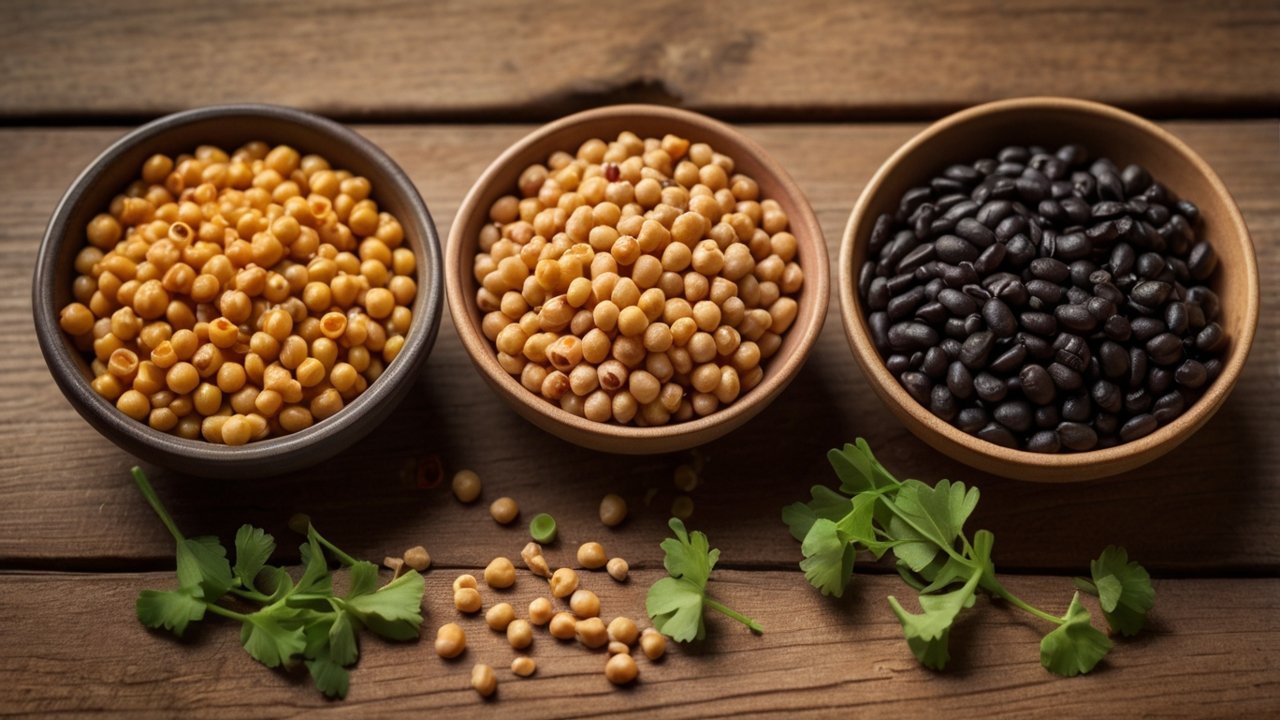
Not all fiber-rich foods work the same way. Some support weight management, while others improve blood sugar, reduce bloating, or fuel a healthier microbiome. The beauty of the highest dietary fiber foods is that you can tailor them to your personal goals without making your diet complicated. This chapter breaks down how to use fiber strategically depending on what you want to achieve, backed by evidence and practical daily examples.
Whether you’re trying to manage appetite, improve digestion, or stabilize energy, fiber can support your progress in a natural way. Let’s explore the best choices for each health goal.
High Fiber Foods for Weight Management
Fiber helps with appetite control because it expands with water, increases satiety, and slows the rate at which you digest carbs. The highest dietary fiber foods also tend to be nutrient-dense while low in calories, making them ideal for weight-focused meals.
Best fiber foods for weight balance:
-
Chia seeds (10g fiber per 2 tbsp)
-
Lentils (15g per cup cooked)
-
Raspberries (8g per cup)
-
Avocado (10g per fruit)
-
Oats (4g per cup cooked, more in steel-cut oats)
Why these foods help:
-
They delay hunger signals
-
They prevent overeating after meals
-
They stabilize glucose, reducing sugar cravings
-
They encourage consistent energy
For deeper insight into how nutrition supports fat-burning and energy levels, explore:
Top Superfoods to Boost Energy & Burn Fat
If you’re focusing on metabolism support alongside fiber, this companion tool may help:
HepatoBurn
High Fiber Foods for Gut Health and Regular Digestion
If digestion is your main concern — whether it’s irregularity, bloating, or sluggish gut movement — you’ll want a mix of soluble and insoluble fiber. Soluble fiber smooths digestion, while insoluble fiber keeps things moving.
Top choices for gut health:
-
Sweet potatoes (gentle, soft fibers)
-
Broccoli (insoluble fiber for regularity)
-
Chickpeas (resistant starch + prebiotic benefits)
-
Bananas (soothing for sensitive digestion)
-
Barley (soluble beta-glucan for gut balance)
Gut challenges often stem from microbiome imbalance. To support your digestive bacteria, consider probiotic guidance:
Best Probiotics for Bloating and Gas – 2025 Picks
If you struggle with bloating when increasing fiber, transitioning slowly (as explained in Chapter 4) is essential. And if liver function affects your digestion, this resource is helpful:
Best Liver Detox Methods – 2025 Guide
High Fiber Foods for Blood Sugar Control
Fiber slows down carbohydrate absorption, making it crucial for people trying to reduce glucose spikes or improve insulin sensitivity. The best foods for this goal are the ones highest in soluble fiber.
Best blood sugar–friendly fiber foods:
-
Oats (rich in beta-glucan)
-
Chia seeds (gel-forming soluble fiber)
-
Lentils & legumes (blend of protein + soluble fiber)
-
Apples & pears (pectin for slower digestion)
-
Barley (excellent for glucose stability)
Pairing fiber with protein enhances blood sugar stability. A helpful resource:
High-Protein Diet Guide – Benefits & Meal Plan
If you’re exploring metabolic fatigue or energy dips connected to blood sugar, you may also benefit from:
Mitochondrial Energy Boost
High Fiber Foods for Heart Health
Several of the highest dietary fiber foods directly support heart function by reducing cholesterol and improving overall inflammation levels.
Top choices for heart health:
-
Oats (beta-glucan reduces LDL)
-
Barley (excellent soluble fiber content)
-
Beans (supports cholesterol reduction)
-
Berries (antioxidants + fiber)
-
Flaxseeds (fiber + omega-3 benefits)
If you’re eating for long-term cardiovascular wellness, focus on soluble fiber and foods high in polyphenols (berries, beans, whole grains).
High Fiber Foods for Energy & Productivity
Many people don’t realize that fiber is directly linked to stable energy. When your blood sugar stays steady, your focus and productivity follow.
Great choices for steady energy:
-
Oats
-
Quinoa
-
Chickpeas
-
Berries
-
Nuts and seeds
For readers exploring how energy is produced at the cellular level, this guide connects digestion and mitochondrial health:
Mitochondrial Energy Boost
Balancing Fiber With Supplements (Optional Support)
Increasing fiber isn’t always smooth for everyone — especially in the first week. These supportive tools may enhance comfort and consistency:
• Digestive Comfort Support
Reduces digestive heaviness when increasing fiber.
LeanBiome Digestive Support
• Habit-Building Toolkit for Daily Nutrition
Helps you track fiber intake, meals, and hydration.
Live Smart Health Wellness Toolkit
• Metabolic Support Companion
Useful for readers combining fiber with weight-management goals.
HepatoBurn
Final Thoughts on Matching Fiber to Your Goals
Fiber isn’t one-size-fits-all. The key is understanding which foods align with your health goals and using them intentionally. By focusing on the highest dietary fiber foods — and pairing them with the right habits — you can support digestion, energy, metabolic balance, and long-term wellness without complexity.
Chapter 6 — High Fiber Foods to Avoid if You Have Sensitive Digestion
Fiber is essential for gut health, but not all fiber-rich foods work well for everyone. For individuals with IBS, slow digestion, or a sensitive gut, certain high-fiber choices can trigger bloating, cramps, or discomfort. This doesn’t mean you should avoid fiber altogether — rather, you should learn which foods to limit and how to gradually build tolerance. Even the highest dietary fiber foods may become uncomfortable if introduced too quickly.
Understanding your digestive triggers will help you enjoy the benefits of fiber without feeling weighed down. Let’s explore which foods to be cautious with and how to make fiber work for your gut, not against it.
Why Some High Fiber Foods Cause Discomfort
When you eat more fiber, your gut bacteria ferment it. This fermentation is healthy — it produces short-chain fatty acids that benefit the colon — but it also produces gas. If your microbiome is imbalanced or you suddenly increase fiber, gas and bloating become more noticeable.
Some high-fiber foods ferment rapidly, which is great for gut health long-term but can be challenging for sensitive digestions.
If you’re exploring why your energy or digestion feels inconsistent, this guide may help:
Mitochondrial Energy Boost
High Fiber Foods That Commonly Trigger Sensitivity
Below are foods that, while healthy, may irritate a sensitive gut when eaten too often or in large servings.
1. Raw Cruciferous Vegetables
Broccoli, cauliflower, cabbage, and Brussels sprouts contain raffinose, a carbohydrate that ferments quickly.
Why they cause issues:
-
Harder to break down when raw
-
Produce gas during fermentation
-
Contain insoluble fiber that may feel “rough” on the intestines
Better alternative:
Steam these vegetables to soften the fibers.
Learn more about gentle vegetable choices for gut health:
Sweet Potato Nutrition Guide
2. Large Servings of Beans or Lentils
Beans and lentils are among the highest dietary fiber foods, but the natural sugars in legumes (like oligosaccharides) can produce gas.
Common symptoms:
-
Pressure
-
Bloating
-
Cramps
-
Excessive gas
A gentler approach:
Start with ¼ cup servings and increase slowly.
For support while adjusting to legumes, consider this helpful digestive option:
LeanBiome Digestive Support
3. Some High-Fiber Fruits
Apples, pears, and mangoes contain fructose, which can cause issues for those with sensitive digestion or fructose malabsorption.
If fruit triggers discomfort:
-
Begin with berries, bananas, or cooked apples
-
Pair fruit with protein to slow absorption
More fruit-related nutrition guidance here:
Banana Nutrition Facts & Health Benefits
4. Wheat Bran and Dense Whole Grains
Wheat bran is extremely high in insoluble fiber, which can feel too harsh for sensitive intestines.
Instead of wheat bran, choose:
-
Oats
-
Quinoa
-
Barley
-
Cooked brown rice
These options provide fiber without overwhelming the gut.
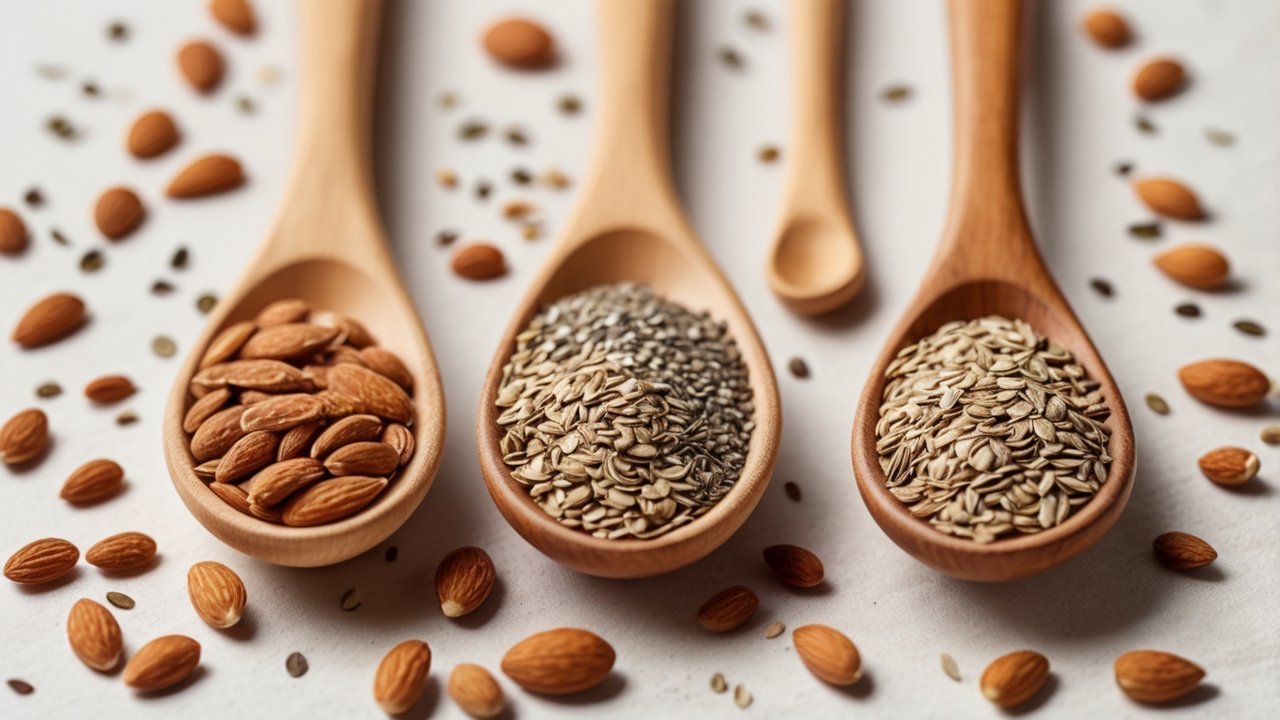
5. Too Many Nuts and Seeds at Once
Nuts and seeds are healthy, but their combination of fat + dense fiber can slow digestion.
If you feel discomfort:
-
Reduce serving size
-
Choose chia or ground flax for gentler fiber
-
Avoid eating nuts on an empty stomach
If you’re building a gentle high-fiber eating plan, the wellness habit toolkit here may support your consistency:
Live Smart Health Wellness Toolkit
(如果你需要我帮你修正这条链接,我可以马上做)
How to Enjoy Fiber Without Triggering Symptoms
1. Cook Your Fiber Sources
Cooking breaks down fiber and reduces the load on digestion.
Ideal for: vegetables, apples, pears, oats, and lentils.
2. Start With Soft, Gentle Fibers
Bananas, oatmeal, chia pudding, roasted vegetables, and soups are generally well tolerated.
3. Introduce the Highest Fiber Foods Slowly
If your gut isn’t used to fiber, even the highest dietary fiber foods should be added in small steps.
4. Pair Fiber With Healthy Fats or Protein
This slows digestion and reduces discomfort.
5. Support Your Gut Microbiome
A healthy microbiome digests fiber more efficiently.
This digestive-support guide may help:
Best Probiotics for Bloating and Gas – 2025 Picks
When Fiber Sensitivity Signals Something Else
If you experience severe discomfort, alternating diarrhea and constipation, or persistent bloating, your symptoms may be related to:
-
IBS
-
SIBO
-
Food sensitivities
-
Liver processing issues
-
Slow gut motility
-
Stress-related digestive changes
A helpful background resource for liver–gut interaction is here:
Best Liver Detox Methods – 2025 Guide
Final Word on Eating Fiber With a Sensitive Gut
Fiber is essential, but your gut needs time to adjust. You don’t have to avoid the highest dietary fiber foods — just introduce them wisely. Cook your vegetables, start with gentle options, hydrate well, and support your microbiome. Over time, your gut will adapt, and fiber will become one of the easiest ways to improve digestion, energy, and long-term health.
Chapter 7 — Frequently Asked Questions, Conclusion, Affiliate Disclosure, and Disclaimer
As you start adding more of the highest dietary fiber foods to your diet, questions naturally come up. Everyone’s digestion is a little different, and knowing how to approach fiber with confidence makes the process far easier. Below you’ll find the most common reader questions, clear science-backed answers, and final steps to help you build a gut-friendly lifestyle that lasts.
FAQ: High Fiber Foods & Digestion
1. How much fiber should I eat each day?
Most adults benefit from 25–35 grams of fiber per day. However, if you’re currently eating less than 15 grams, increase slowly over 1–2 weeks. Your gut bacteria need time to adjust — especially if you’re adding the highest dietary fiber foods like lentils, chia seeds, beans, or cruciferous vegetables.
If you’re looking for a structured approach to boosting fiber intake, try the guided system here:
Live Smart Health Wellness Toolkit
2. Why do I feel bloated when I increase fiber?
This happens because fiber-fed gut bacteria produce gas temporarily. It’s a normal sign your microbiome is waking up. To avoid discomfort:
-
Increase fiber slowly
-
Cook vegetables
-
Start with gentle fibers like bananas, oats, and chia pudding
-
Drink more water
For additional digestive support, consider probiotics:
Best Probiotics for Bloating & Gas – 2025 Picks
3. What are the best beginner-friendly high fiber foods?
If you’re new to fiber or have a sensitive gut, start with:
-
Oatmeal
-
Raspberries
-
Bananas
-
Sweet potatoes
-
Cooked carrots
-
Chia pudding
Sweet potatoes are especially gentle. Learn more here:
Sweet Potato Nutrition Guide
4. Can I eat too much fiber?
Yes — especially if you jump from low fiber to high fiber too quickly. Signs include bloating, irregularity, stomach cramping, and excess gas. Most issues resolve when you pace your increases and hydrate well.
If symptoms persist, support your gut with gentle digestive solutions such as:
LeanBiome Digestive Support
5. How can I get more fiber if I’m always busy?
Try:
-
Overnight oats
-
Pre-chopped vegetables
-
Ready-to-eat lentils
-
Frozen berries
-
Chia puddings
Pairing these with a structured daily routine helps tremendously:
Live Smart Health Wellness Toolkit
6. Should I choose soluble or insoluble fiber?
You need both.
-
Soluble fiber helps with blood sugar, fullness, and cholesterol.
-
Insoluble fiber supports digestive movement and regularity.
The highest dietary fiber foods naturally contain both types, which is why they are so effective for gut health and long-term wellness.
If you want detailed guidance, read:
Fibremaxxing Explained – The Viral Gut Health Trend
7. What if high fiber foods trigger IBS-like symptoms?
You may need softer fibers, smaller servings, or cooked vegetables. Avoid raw cruciferous veggies, large servings of beans, and too many nuts at once.
For liver–gut-related digestive issues, this resource offers insights:
Best Liver Detox Methods – 2025 Guide
Conclusion
Adding more fiber to your diet doesn’t have to be overwhelming. Whether your goal is better digestion, appetite control, blood sugar balance, or overall wellness, the highest dietary fiber foods offer a simple, natural path forward.
As you gradually adjust your diet, remember the core principles:
-
Increase fiber slowly
-
Stay hydrated
-
Use a mix of soluble and insoluble fiber
-
Cook vegetables if your gut is sensitive
-
Prioritize variety for microbiome diversity
With consistency, your digestion becomes smoother, your energy steadier, and your overall health more resilient. Many readers find that fiber becomes the foundation of their wellness routine — one that supports them long-term without restrictive rules or complicated diets.
If you want help forming daily habits, planning meals, or tracking your progress, this toolkit can make the process much easier:
Live Smart Health Wellness Toolkit
If digestion remains a challenge, supportive solutions like the ones below may help:
Affiliate Disclosure
Some of the links in this article are affiliate links. This means that if you click through and make a purchase, I may earn a small commission — at no additional cost to you. I only recommend products or tools that align with the information, health goals, and research shared in this article.
Medical Disclaimer
This content is for informational purposes only and is not a substitute for professional medical advice, diagnosis, or treatment. Always consult your physician or a qualified healthcare provider before making changes to your diet, lifestyle, supplements, or health regimen — especially if you have underlying medical conditions, digestive disorders, or are taking medications.

Rediscover Balance. Reclaim Joy. Live Healthier — Starting Today.
Feeling overwhelmed, tired, or out of balance lately?
It’s time to slow down and realign your life with habits that truly nurture your body, mind, and soul.
This FREE eBook, Live Smart: 7 Habits for a Healthier, Happier You, reveals simple yet powerful habits to help you:
🌱 Build energy and inner calm
💧 Improve focus and emotional well-being
☀️ Create sustainable routines for long-term health
💚 Feel more joy — naturally and effortlessly
Each chapter guides you through mindful steps, daily reflections, and practical tips that fit easily into your busy life.
👉 Download your FREE copy now and start your journey to a calmer, happier, and more fulfilling life.
Please log in to access your exclusive content.
Don’t have an account? Click the “Register” button below to sign up.
Related Posts