Stroke Prevention Made Simple: Practical Ways to Lower Risk
Stroke prevention is something most people know is important, yet many underestimate how much control they actually have. The truth is, stroke prevention does not start in a hospital. It starts in everyday choices that shape your long-term health. With stroke still ranking among the leading causes of disability worldwide, understanding how to lower your risk has never been more essential.
Small habits such as managing blood pressure, improving heart health, and staying active can dramatically reduce your chances of experiencing a stroke. These actions are practical, achievable, and grounded in science. And the best part is that you do not need to overhaul your entire life to see benefits. A few steady changes can lead to stronger protection over time.
Whether you are looking for clarity after a health scare or simply want to safeguard your future, this guide will show you where to start and what actually works. Let’s explore the steps that make a real difference and build a clearer roadmap for your health.
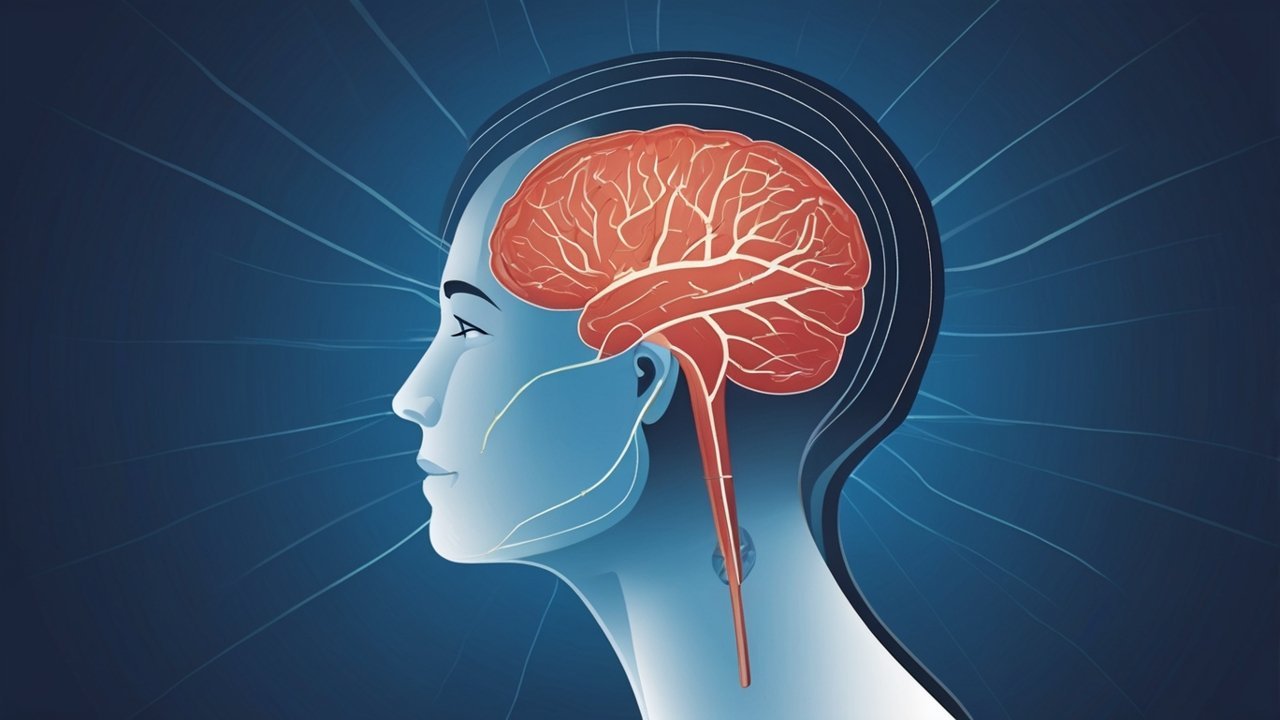
Chapter 1: What Stroke Prevention Really Means
Stroke prevention starts long before symptoms appear. It is not about reacting to a crisis. It is about knowing how your daily habits influence your brain, heart, and blood vessels. When people hear the term stroke prevention, they often imagine complex medical routines, but the truth is simpler. Prevention starts with awareness. Once you understand how strokes develop, it becomes far easier to take steps that protect your long-term health.
A stroke happens when blood flow to the brain is blocked or when a blood vessel bursts. This sudden interruption cuts off oxygen, which can damage brain cells within minutes. The encouraging news is that most strokes are linked to controllable factors such as high blood pressure, inactivity, excess sodium, and chronic inflammation. With a few mindful changes, you can reduce your risk far more than most people realize.
Why Early Stroke Prevention Matters
Many adults assume stroke risk only rises in later life, yet younger groups are seeing increasing rates due to stress, poor sleep, and metabolic strain. Studies published in Harvard Health and PubMed highlight that up to 80 percent of strokes can be prevented with early lifestyle interventions. That makes prevention one of the most effective health strategies you can adopt.
Early awareness helps you:
-
Detect rising blood pressure before it becomes dangerous
-
Lower inflammation through diet and movement
-
Stabilize energy levels and metabolic health
-
Reduce the strain on arteries and blood vessels
If you need guidance on boosting daily energy and lowering inflammation, see the related post here →
Mitochondrial Energy Boost
A strong prevention mindset helps you act steadily instead of waiting for a wake-up call.
The Two Types of Stroke Prevention
Understanding the difference between primary and secondary stroke prevention can help you choose the best strategy for your situation.
Primary Stroke Prevention
This approach focuses on people who have never had a stroke but may carry risks like high blood pressure, smoking history, high cholesterol, or chronic fatigue. It involves:
-
Regular checkups
-
Blood pressure monitoring
-
Reducing sodium intake
-
Improving gut health and insulin sensitivity
-
Daily movement and better sleep patterns
If you are exploring dietary improvements, you may find this helpful:
Low Sodium Diet Guide
Secondary Stroke Prevention
This approach targets people who have experienced a stroke or TIA. For them, the priority is preventing recurrence, which is often more dangerous. Secondary prevention usually includes medications, structured exercise, and closer clinical monitoring.
Both types require attention, but primary prevention gives you the power to intervene early and avoid lifelong complications.
Real-World Example of How Prevention Works
Imagine two people with similar lifestyles.
One begins monitoring blood pressure at home, walks 20 minutes daily, cuts down processed foods, and reduces daily sugar.
The other assumes they are “probably fine” and delays making any adjustments.
Six months later, the first person typically sees:
-
Lower resting blood pressure
-
Better energy levels
-
Improved cholesterol balance
-
Stronger cardiovascular resilience
These changes reduce stroke risk significantly. That’s the practical power behind simple preventive habits.
If you want to strengthen your daily routine with lightweight home workouts, this guide can help:
Home Workout Plan for Beginners
Simple, Evidence-Based Tools for Prevention
Stroke prevention is easier when you use practical tools. Many people rely on:
-
A home blood pressure monitor
-
A fitness tracker for step counts
-
A low-sodium cookbook or meal planner
-
A probiotic for gut balance
-
A guided meditation or sleep aid app
If you want an affordable service that simplifies habit tracking, consider this health optimization tool:
Check this recommended tool here →
For metabolic health support, some readers find targeted supplements useful when lifestyle changes alone are not enough. Always review options with a healthcare professional. If you’re exploring reputable formulas, you can:
See pricing and reviews on the official site →
Pros and Cons of Early Prevention Strategies
Pros
-
Reduces long-term medical costs
-
Strengthens overall cardiovascular health
-
Improves energy, mood, and sleep
-
Builds resilience against other chronic conditions
Cons
-
Requires consistent habit building
-
Lifestyle changes can feel slow at first
-
Not all tools or supplements work the same for everyone
-
Monitoring health regularly may feel overwhelming initially
Despite the small challenges, the benefits clearly outweigh the effort. The more you learn about your body, the easier it becomes to manage your long-term risk.
Moving Forward With Confidence
Stroke prevention is not about perfection. It is about steady progress. When you understand the causes, risks, and preventive strategies, you place yourself in a stronger position to protect your health. The next chapters of this guide will break down lifestyle habits, nutrition strategies, medications, and warning signs that can help you stay ahead.
If you’re ready to explore gut support, which plays a larger role in inflammation and vascular health than most people realize, start here →
Probiotic Guide for Bloating and Gas
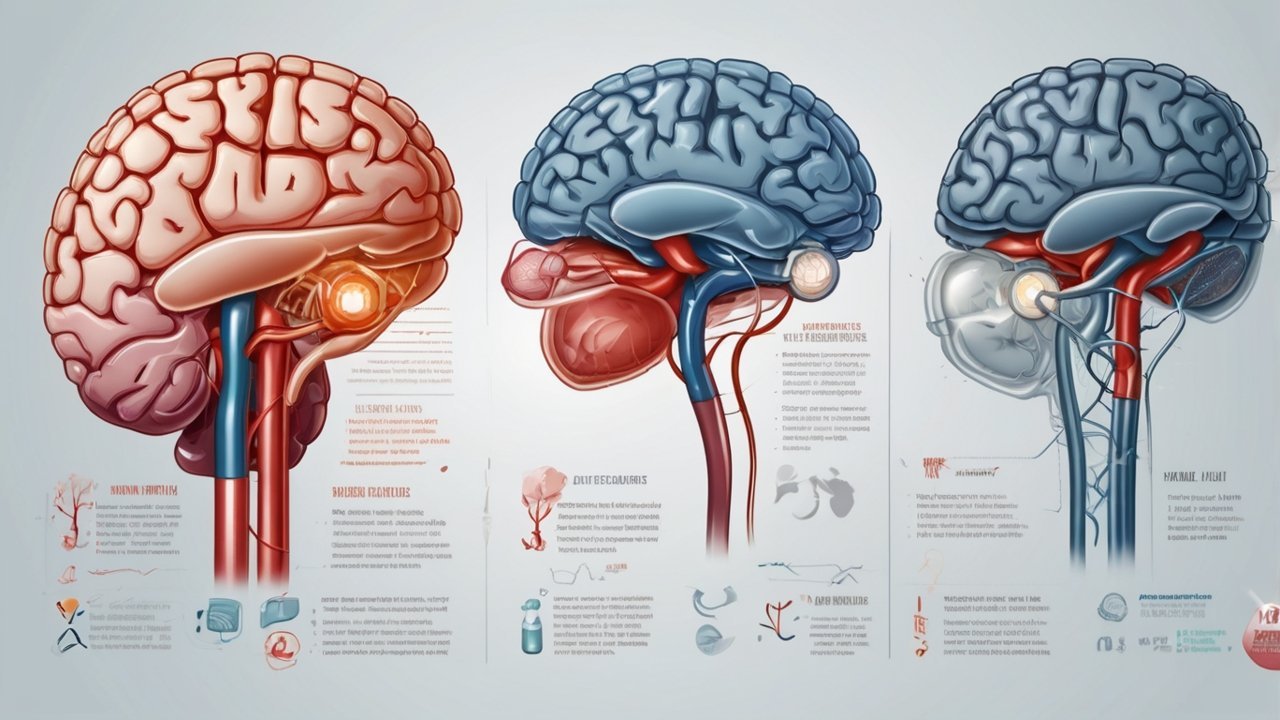
Chapter 2: Know Your Risk Factors for Effective Stroke Prevention
Stroke prevention starts with understanding what increases your risk in the first place. Many people assume stroke “just happens,” but research shows that most strokes are tied to predictable patterns. When you understand the risk signals early, you can make smarter lifestyle choices that protect your long-term heart and brain health. This chapter breaks down the most common risk factors, how they develop behind the scenes, and the practical steps you can take to stay ahead.
Why Knowing Your Risk Factors Matters
Stroke prevention becomes far more achievable once you know which habits or conditions place pressure on your arteries and blood vessels. Risk factors are not a guarantee of illness. They are early markers that highlight areas where change can make the biggest difference.
According to Harvard Health and published research in PubMed, high blood pressure, smoking, high cholesterol, and poor metabolic health account for a large percentage of stroke events globally. The good news is that these risks are modifiable. With the right strategies, you can reverse or reduce them.
If you’re interested in improving daily metabolic balance, this guide is helpful:
Top Superfoods to Boost Energy and Burn Fat
Major Medical Risk Factors You Should Watch
Understanding medical risk factors is one of the best solutions for staying proactive with stroke prevention.
1. High Blood Pressure (Hypertension)
This is the number one driver of stroke risk. Elevated pressure weakens artery walls over time, making them more likely to rupture or clot.
Red flags include:
-
Frequent headaches
-
Dizziness
-
Tension in the neck or shoulders
-
Fatigue
What helps
-
Regular blood pressure checks
-
Lower sodium intake
-
Stress reduction habits
-
Consistent exercise
If you want a simple lifestyle shift to support heart health, explore:
Benefits of Walking Daily
2. Diabetes and Blood Sugar Instability
Diabetes can damage blood vessels and accelerate plaque buildup. High spikes in blood sugar increase inflammation, creating the perfect conditions for clots to form.
Signs your blood sugar may need attention
-
Constant hunger
-
Fatigue after meals
-
Blurred vision
-
Frequent urination
For deeper guidance, see:
Diabetes Management Guidelines 2025
3. High Cholesterol and Plaque Build-Up
Cholesterol by itself isn’t the enemy. The problem is when LDL cholesterol becomes oxidized and sticks to artery walls. Over time, this restricts blood flow and raises stroke risk.
What you can do
-
Limit saturated fats
-
Increase fiber-rich foods
-
Add omega-3 sources
-
Incorporate strength and cardio exercise
Internal link for adding high-fiber foods:
Highest Dietary Fiber Foods
4. Heart Rhythm Issues (Atrial Fibrillation)
A-fib causes irregular heartbeats that can produce blood clots. Many people don’t know they have it until symptoms intensify.
Typical signs
-
Fluttering in the chest
-
Sudden fatigue
-
Irregular pulse
This condition requires medical evaluation, but lifestyle changes still help support heart health.
Lifestyle Risks You May Be Overlooking
Medical risks matter, but everyday habits often play an even bigger role.
1. Smoking and Vaping
Nicotine constricts blood vessels, thickens blood, and accelerates plaque formation. Even “light” smokers carry a significantly higher stroke risk.
2. Sedentary Behavior
Sitting for long hours weakens circulation and increases inflammation. Even short movement breaks can make a major impact.
If you need a beginner-friendly approach:
Home Workout Plan for Men & Women
3. Poor Diet and High Sodium Intake
High sodium raises blood pressure almost immediately for many adults. Hidden salt in packaged foods is one of the biggest offenders.
To learn practical meal planning:
Low Sodium Diet Guide
4. Chronic Stress and Lack of Sleep
Stress hormones like cortisol increase blood pressure and blood sugar, raising your overall burden. Poor sleep compounds the effect.
If sleep is a struggle, try:
Yoga Nidra for Sleep
A Real-Life Story That Shows Why Risk Awareness Matters
Consider Anna, a 49-year-old office manager who believed she was in “okay” shape. She rarely exercised but considered herself healthy enough. After a routine physical revealed slightly elevated blood pressure, she began walking daily, reducing processed foods, and tracking her stress.
Three months later:
-
Her blood pressure dropped into a safe range
-
Her cholesterol improved
-
She lost 6 pounds
-
Her energy increased noticeably
She felt more in control of her health, and her stroke risk decreased significantly. This is the power of early awareness and simple preventive habits.
Evidence-Backed Steps to Reduce Your Risk Factors
Here are practical changes backed by research:
Dietary strategies
-
Choose whole, unprocessed foods
-
Increase potassium-rich foods like leafy greens
-
Reduce sugary snacks
-
Add fiber daily to stabilize blood sugar
Exercise habits
-
20–30 minutes of walking
-
Light strength training 2–3 times weekly
-
Stretching to reduce stress
Sleep and stress management
-
Evening wind-down routine
-
Yoga or mindfulness
-
Limit caffeine late in the day
If caffeine affects your sleep or heart health, you might like:
Caffeine-Free Coke Alternatives
Helpful Tools and Soft Affiliate Recommendations
There’s no single magic fix, but the right tools make consistent progress easier.
Helpful tools include:
-
A home blood pressure monitor
-
A daily step counter
-
A food journal app
-
A quality probiotic
-
A guided meditation app
If you want a simple all-in-one system to support daily health tracking, this is a strong option:
Check this recommended tool here →
For gut and metabolic support (a big factor in inflammation), many readers review products like this:
Discover this affordable solution today →
Moving Forward With Confidence
Understanding your risk factors is the foundation of effective stroke prevention. Once you know what affects your body the most, you can take steady, realistic steps toward better health. In the next chapter, we’ll explore how small daily habits form the backbone of long-term protection.
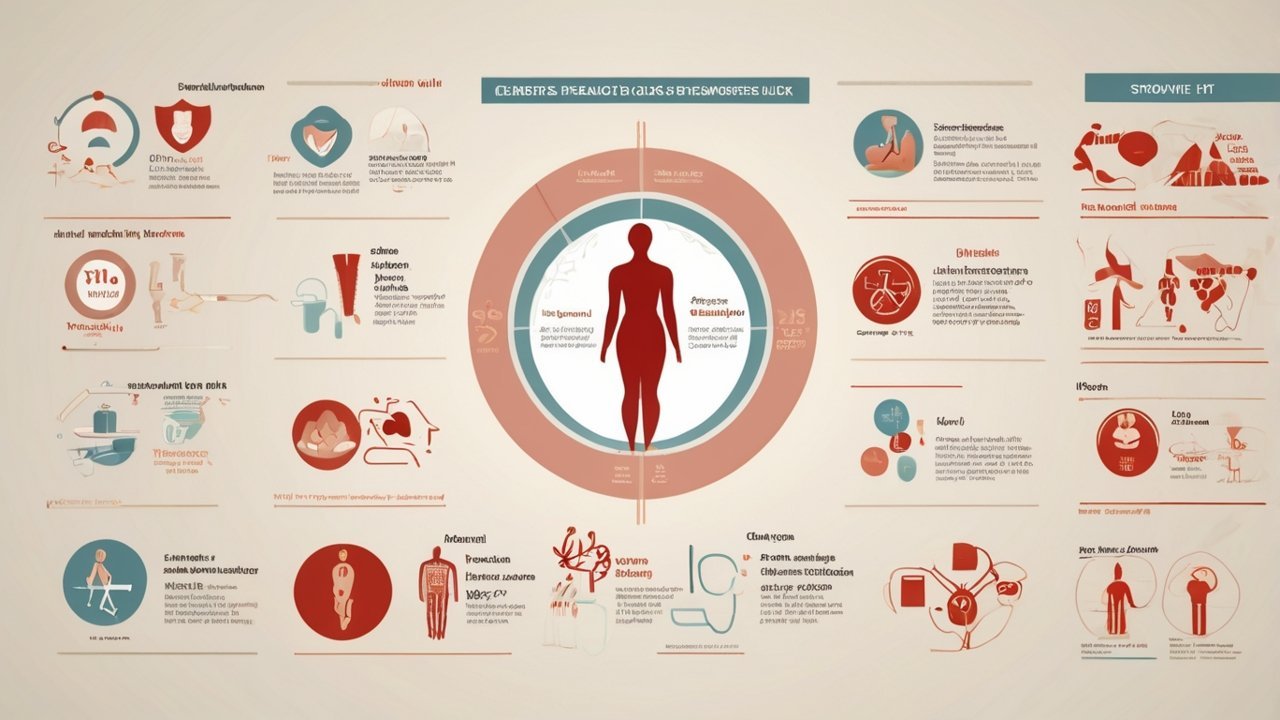
Chapter 3: Everyday Habits That Lower Stroke Risk
Daily habits shape your long-term health more than any single medical appointment. While genetics play a role in stroke risk, research shows your lifestyle choices influence nearly every major pathway linked to brain and heart health. This means stroke prevention is not just possible, it is practical. In this chapter, we explore habits that strengthen your cardiovascular system, lower inflammation, and keep blood vessels functioning well.
These habits do not require an expensive gym membership or dramatic diet changes. Small daily choices can shift your risk profile more than you might expect.
The Power of Consistent Movement
Exercise is one of the most reliable tools for stroke prevention. Activity helps reduce blood pressure, stabilize blood sugar, and improve circulation. Even moderate movement works.
What counts as effective movement?
-
Brisk walking
-
Light jogging
-
Home workouts
-
Cycling or swimming
-
Yoga and mobility exercises
You don’t need long sessions. 20–30 minutes a day is enough to lower stroke risk, according to Harvard Health.
If you prefer at-home routines, this beginner-friendly guide is a great place to start:
Home Workout Plan for Men and Women
A quick real-world example
Mark, a 52-year-old accountant, struggled with high blood pressure and fatigue. He started walking 10 minutes every morning and adding 5 minutes weekly. Within two months, his blood pressure and mood both improved. Small steps created a big shift.
Building a Heart-Healthy Diet
Food is one of the most influential levers you can control. A stroke-protective diet focuses on whole foods, fiber, minerals, and healthy fats.
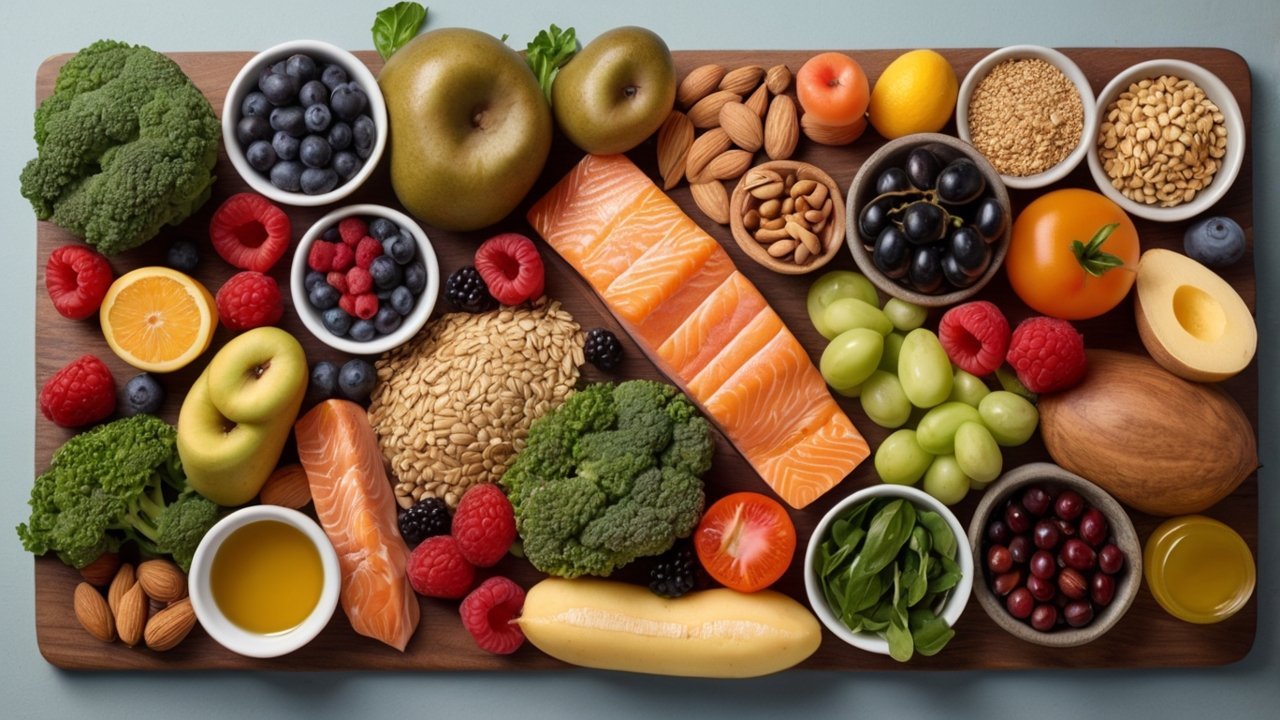
Foods that support heart and brain health
-
Leafy greens
-
Berries
-
Whole grains
-
Olive oil and nuts
-
Lean proteins
-
Beans and lentils
-
Omega-3-rich fish
Fiber is especially important because it lowers cholesterol, balances blood sugar, and supports gut-driven inflammation control.
Learn which foods give you the biggest benefit:
Highest Dietary Fiber Foods
Foods to reduce
-
Processed meats
-
High-sodium snacks
-
Fried foods
-
Sugary desserts
-
Fast food
If sodium is a concern, this practical guide can help you restructure meals:
Low Sodium Diet: What to Eat and Avoid
The Role of Gut Health in Stroke Prevention
New research highlights the connection between gut bacteria, inflammation, and vascular health. A balanced gut can reduce systemic inflammation, support immunity, and improve metabolic stability, all relevant to stroke risk.
Signs your gut might need support
-
Bloating
-
Irregular digestion
-
Fatigue after meals
-
Frequent sugar cravings
If you’re considering probiotics or gut-supporting foods, explore this expert review:
Probiotic for Bloating and Gas: Best Picks for 2025
Managing Stress Before It Manages You
Chronic stress raises cortisol, increases blood pressure, and elevates inflammation—all of which affect stroke risk. Managing stress is not about eliminating challenges, but about building tools that help your body reset.
Effective stress-relief techniques
-
Mindful breathing
-
Meditation
-
Yoga
-
Journaling
-
Short outdoor walks
If you struggle with sleep or late-night overthinking, this is a helpful method:
Yoga Nidra for Sleep
Improving Sleep Quality for Heart and Brain Health
Sleep resets your cardiovascular system, regulates hormones, and restores neural pathways. Poor sleep increases blood pressure and inflammation—two major factors in stroke development.
Healthy sleep habits
-
Consistent sleep schedule
-
Reduced screen time before bed
-
Cooler bedroom temperature
-
Light stretching in the evening
-
Avoiding caffeine late in the day
If you’re exploring caffeine-free alternatives, this guide may help:
Caffeine-Free Coke Benefits and Best Alternatives
Healthy Weight Management Without Harsh Dieting
Sudden or extreme diets often fail because they increase stress and cravings. Sustainable, balanced eating paired with consistent movement is the best solution for long-term weight control.
Practical steps that work
-
Increase fiber
-
Prioritize whole foods
-
Walk daily
-
Add strength training twice a week
-
Reduce sugary drinks
For gradual, realistic fat-loss guidance, you may find this helpful:
Tummy Fat Loss Exercises at Home
Helpful Tools for Habit Building
You don’t need complicated apps or expensive programs, but the right tools make consistency easier. Consider:
-
A step-tracking smartwatch
-
A small home blood pressure monitor
-
A food-tracking app
-
A water-intake reminder
-
A probiotic supplement
-
A guided relaxation app
For many people, an integrated habit-tracking system becomes the turning point. If you want a simple platform that organizes daily health actions, try:
Check this recommended tool here →
If you’re exploring metabolic or gut-focused support that complements lifestyle changes, you can:
Discover this affordable solution today →
Bringing It All Together
Stroke prevention is built on consistent habits, not perfection. Daily movement, a balanced diet, quality sleep, and stress management work together to lower inflammation and keep your blood vessels strong. These habits are not only good for stroke prevention—they support energy, mood, and overall vitality.
In the next chapter, we will explore how diet plays a deeper role in stroke risk, and how small adjustments in what you eat can transform your long-term health.
Chapter 4: How Diet Builds or Reduces Stroke Risk
What you eat influences nearly every major pathway involved in stroke prevention. Diet affects blood pressure, inflammation, cholesterol, blood sugar, and even gut health. While genetics do play a role, your daily food choices have far more impact than many people assume. Research from Harvard Health and PubMed consistently shows that a nutrient-dense, whole-food diet can lower stroke risk by supporting vascular health and reducing plaque buildup.
This chapter will help you understand which foods strengthen your cardiovascular system and which ones quietly undermine your efforts.
Why Diet Is One of the Most Powerful Tools for Stroke Prevention
Food is information for your body. Every meal sends signals that influence metabolism, blood pressure, blood sugar, and inflammation. A diet rich in whole foods helps arteries stay flexible, lowers oxidative stress, and stabilizes cholesterol levels.
Diet impacts stroke risk through:
-
Blood pressure regulation
-
Sodium and potassium balance
-
Cholesterol metabolism
-
Inflammatory pathways
-
Insulin sensitivity
-
Gut microbiome health
Even small improvements can shift your risk profile dramatically.
If you want simple nutrition changes backed by science, start with this helpful resource:
Low-Sodium Diet: What to Eat and Avoid
Foods That Protect Your Blood Vessels
Certain foods consistently outperform others when it comes to cardiovascular and brain protection. They help reduce blood pressure, stabilize blood sugar, and support healthy cholesterol balance.
1. Leafy Greens
Spinach, kale, Swiss chard, and arugula are rich in nitrates, vitamin K, and antioxidants. Nitrates support healthier blood vessel dilation, improving blood flow.
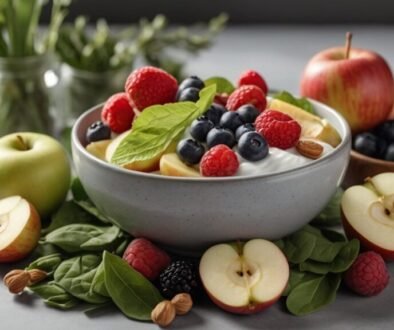
2. Berries
Blueberries, strawberries, and raspberries contain anthocyanins, which reduce oxidative stress and help maintain healthy arteries.
3. Whole Grains
Oats, quinoa, barley, and whole wheat contain fiber that supports cholesterol reduction and gut health.
4. Healthy Fats
Olive oil, walnuts, almonds, and fatty fish provide omega-3 fats that help reduce inflammation and improve heart rhythm stability.
Learn more about top-rated nutrient-dense foods here:
Top Superfoods to Boost Energy and Burn Fat
The Mediterranean Pattern: A Proven Approach
One of the most researched and recommended dietary patterns for stroke prevention is the Mediterranean diet. It emphasizes fruits, vegetables, whole grains, legumes, fish, and olive oil. Studies show it lowers cardiovascular disease risk, reduces inflammation, and supports long-term brain health.
Key benefits:
-
Lower blood pressure
-
Healthier cholesterol levels
-
Reduced risk of both ischemic and hemorrhagic stroke
-
Improved weight management
This approach is flexible, enjoyable, and sustainable—making it ideal for long-term adherence.
The Role of Fiber in Vascular Health
Fiber plays a surprisingly powerful role in stroke prevention.
How fiber protects your arteries:
-
Helps remove excess cholesterol
-
Supports gut bacteria that reduce inflammation
-
Stabilizes blood sugar, lowering vascular stress
-
Promotes healthier weight control
Aim for a mix of soluble and insoluble fiber through whole grains, fruits, vegetables, legumes, and nuts.
For a practical breakdown of high-fiber foods:
Highest Dietary Fiber Foods
Foods You Should Limit or Avoid
Not all foods support a stroke-prevention lifestyle. Some silently raise blood pressure, increase inflammation, or contribute to plaque buildup.
1. Processed and Packaged Foods
These often contain high sodium, unhealthy oils, and additives. Excess sodium alone is a major risk factor for hypertension.
2. Fried Foods
Trans fats and oxidized oils increase artery inflammation and plaque formation.
3. Processed Meats
Bacon, sausage, hot dogs, and deli meats contain preservatives linked to vascular damage.
4. Excess Sugar
Sugary drinks and desserts elevate blood sugar, which increases inflammation and insulin resistance.
If reducing sugar is a current goal, this article can help:
Daily Sugar Intake: How Much Is Too Much?
Gut Health and Its Surprising Connection to Diet and Stroke Risk
Your gut microbiome plays a key role in regulating inflammation and vascular function. Poor gut balance can increase inflammatory molecules that affect blood vessels. Diet is the most powerful way to influence gut health.
Early signs of poor gut health include:
-
Bloating
-
Gas
-
Irregular bowel habits
-
Fatigue after meals
-
Cravings for sugar
If gut imbalances are affecting your energy or digestion, this review is helpful:
Probiotic for Bloating and Gas: Best 2025 Picks
Practical Meal Planning Tips You Can Start Today
Creating a stroke-preventive diet doesn’t require perfection. It’s about steady improvement.
Simple strategies:
-
Fill half your plate with vegetables
-
Swap white carbs for whole grains
-
Add olive oil instead of butter
-
Choose fish twice a week
-
Carry nuts or fruit for snacks
-
Prepare meals in batches to avoid high-sodium takeout
For beginners, focusing on one small shift per week often leads to lasting success.
Helpful Tools and Soft Affiliate Support
You don’t need complicated programs, but the right tools can help you stay consistent.
-
Meal-planning apps
-
A grocery list template
-
A digital food journal
-
A probiotic supplement
-
A home blood pressure monitor
If you want an all-in-one system that helps you build healthier food habits:
Check this recommended tool here →
For gut support that complements dietary improvements:
Discover this affordable solution today →
Bringing It All Together
Diet is one of the most powerful variables you can control for stroke prevention. Whole foods, healthy fats, fiber, and smart sodium intake help you build resilience from the inside out. Even small improvements transform your long-term cardiovascular health.
In the next chapter, we’ll explore which medications and medical strategies support stroke prevention, and how to work with your healthcare provider to build a personalized plan.
Chapter 5: Medications That Play a Role in Stroke Prevention
Lifestyle habits create the foundation for stroke prevention, but medications often provide an essential layer of protection, especially if you have elevated blood pressure, cholesterol concerns, diabetes, or a history of mini-strokes (TIAs). Understanding how these medications work and when they’re recommended helps you make informed, confident decisions about your health.
This chapter breaks down the most commonly prescribed medications for stroke prevention, how they work, and what to discuss with your doctor. While medication can be powerful, it works best when combined with supportive lifestyle choices such as improved diet, better sleep, and consistent movement.
Why Medication Matters in Stroke Prevention
While many risk factors can be managed naturally, some require additional support. Medications can:
-
Lower blood pressure
-
Prevent clot formation
-
Reduce cholesterol
-
Stabilize heart rhythm
-
Control blood sugar
-
Reduce chronic inflammation
According to Harvard Health and PubMed research, properly prescribed medications can significantly reduce the risk of both ischemic stroke (caused by blood clots) and hemorrhagic stroke (caused by bleeding).
Blood Pressure Medications (Antihypertensives)
High blood pressure is the single biggest modifiable risk factor for stroke. When pressure in the arteries stays elevated, it strains vessel walls and increases the chances of rupture or clot formation.
Common medication categories include:
-
ACE inhibitors (lisinopril, enalapril)
-
ARBs (losartan, valsartan)
-
Calcium channel blockers (amlodipine, diltiazem)
-
Diuretics (hydrochlorothiazide)
Benefits
-
Reduce artery wall stress
-
Lower stroke risk dramatically
-
Improve long-term heart health
If you’re addressing high blood pressure through diet as well, this guide is a strong complement:
Low-Sodium Diet: What to Eat and Avoid
Cholesterol-Lowering Medications (Statins and Alternatives)
High LDL cholesterol contributes to plaque buildup that narrows arteries. Statins are the most widely used class to manage this risk.
Commonly used statins:
-
Atorvastatin
-
Rosuvastatin
-
Simvastatin
How they help
-
Reduce LDL cholesterol
-
Stabilize arterial plaque
-
Lower inflammation
-
Protect against stroke even if cholesterol isn’t extremely high
Individuals who prefer a diet-first approach may also benefit from high-fiber foods:
Highest Dietary Fiber Foods
Antiplatelet Medications (Aspirin and Similar Drugs)
Antiplatelet medications prevent blood cells from sticking together and forming clots.
Common options:
-
Aspirin (low dose)
-
Clopidogrel
-
Aspirin–dipyridamole combination
When they’re used
-
History of TIA
-
Previous stroke
-
Artery narrowing
-
High clot risk
Important: Antiplatelets are not for everyone. They must be prescribed after a medical evaluation.
If you’re managing inflammation and metabolic stress alongside medication, a quality probiotic may help support gut balance:
Probiotic for Bloating and Gas: Best 2025 Picks
Anticoagulants (Blood Thinners)
Anticoagulants work differently from antiplatelets. Instead of preventing clumping, they thin the blood to reduce clot formation—especially important for patients with atrial fibrillation (A-fib).
Common anticoagulants:
-
Warfarin
-
Apixaban
-
Rivaroxaban
-
Dabigatran
Benefits
-
Lower the risk of stroke related to irregular heartbeat
-
Help prevent recurring strokes
These medications require monitoring, but the benefits often outweigh the effort for high-risk individuals.
Diabetes Medications and Their Role in Stroke Prevention
Diabetes increases stroke risk by damaging blood vessels and creating inflammation. Keeping blood sugar stable protects the brain and heart.
Common medication categories:
-
Metformin
-
GLP-1 agonists
-
SGLT2 inhibitors
-
Insulin (when needed)
For more diabetes-supporting guidance, see:
Diabetes Management Guidelines 2025
When Medication Is Necessary — and When Lifestyle May Be Enough
Medication becomes essential when:
-
Blood pressure remains above 130/80
-
LDL cholesterol isn’t improving
-
A-fib is present
-
Blood sugar is consistently elevated
-
A TIA or stroke has occurred
-
Family history suggests elevated risk
However, for individuals with mild or moderate elevations, lifestyle change may be enough to delay or avoid medication.
To strengthen lifestyle changes, consider integrating more movement:
Benefits of Walking Daily
Pros and Cons of Medication for Stroke Prevention
Pros
-
Strong evidence for reducing stroke risk
-
Often works quickly
-
Helps manage multiple risk factors at once
-
Essential after TIAs or previous strokes
Cons
-
Possible side effects
-
Requires consistent use
-
Not a replacement for lifestyle improvements
-
Some medications require monitoring
Medication is a tool—powerful, but most effective when paired with lifestyle upgrades.
Helpful Tools and Soft Affiliate Support
Medication can feel overwhelming at first. These tools help with consistency:
-
A pill organizer
-
Smartphone medication reminders
-
A home blood pressure cuff
-
A digital journal to track side effects
If staying organized is difficult, an all-in-one lifestyle and habit tracker can make the process smoother:
Check this recommended tool here →
If you’re exploring metabolic or gut support alongside medication, here’s an option readers often consider:
Discover this affordable solution today →
Bringing It All Together
Medications play an essential role in modern stroke prevention, especially for people with persistent risk factors. They regulate blood pressure, stabilize cholesterol, control blood sugar, and keep blood flowing smoothly. Yet medication works best when combined with healthy daily habits.
In the next chapter, we’ll explore how stroke prevention strategies shift for high-risk groups, including older adults, women, and people with prior TIAs.

Chapter 6: Stroke Prevention for High-Risk Groups
Not all stroke risks are the same. Some people face a naturally higher chance of developing cardiovascular issues because of age, sex, existing medical conditions, or a history of mini-strokes. Understanding how stroke prevention strategies shift for these high-risk groups is essential. The more tailored your approach, the more effective it becomes.
This chapter breaks down the unique needs of older adults, women, and individuals with previous cardiovascular events. With the right plan, each group can strengthen protection and reduce long-term complications.
Stroke Prevention for Older Adults
Age remains one of the strongest predictors of stroke risk. Blood vessels naturally become less flexible over time, and medical conditions like hypertension, type 2 diabetes, and irregular heartbeat become more common.
Key Prevention Priorities for Older Adults
-
Maintain healthy blood pressure
-
Improve circulation with daily movement
-
Optimize nutrition to reduce inflammation
-
Strengthen balance and mobility to avoid falls
-
Keep blood sugar stable
Movement is especially powerful, even when mobility is limited. Low-impact activities such as walking, chair yoga, and light resistance work help maintain blood flow and reduce artery stiffness.
For a gentle and accessible movement guide, explore:
Benefits of Walking Daily
Why nutrition matters more with age
Older adults need nutrient-dense foods: leafy greens, berries, beans, whole grains, and healthy fats. These support energy, digestion, and vascular function.
For better digestion and gut balance (a common issue with aging), consider:
Probiotic for Bloating & Gas: Best 2025 Picks
Stroke Prevention for Women
Many women underestimate their stroke risk—even though women experience strokes more frequently than men, especially later in life. Hormonal changes, pregnancy-related conditions, and a higher lifetime exposure to stress all contribute.
Unique Stroke Risk Factors for Women
-
Pregnancy complications (preeclampsia, gestational diabetes)
-
Hormonal changes during menopause
-
Autoimmune conditions
-
Higher rates of migraine with aura
-
Lower recognition of early symptoms
Key Prevention Strategies for Women
-
Monitor blood pressure before, during, and after pregnancy
-
Reduce stress through restorative practices
-
Eat a nutrient-dense, anti-inflammatory diet
-
Prioritize sleep, especially during midlife transitions
-
Stay active with strength and cardio exercises
If stress or sleep is a challenge, this can make a noticeable difference:
Yoga Nidra for Sleep
Why fiber and gut health matter for women
Women often deal with digestive fluctuations linked to hormonal cycles. Supporting gut health helps regulate inflammation—a major factor in stroke risk.
To build a more stable digestive foundation, check out:
Highest Dietary Fiber Foods
Stroke Prevention for People With Prior TIAs or Heart Conditions
A TIA (transient ischemic attack) is often called a “mini-stroke,” but there’s nothing small about the warning it gives. A TIA signals that blood flow to the brain has already been compromised once. Without targeted intervention, the likelihood of a full stroke increases dramatically.
Critical Risk Factors After a TIA
-
Artery narrowing
-
Uncontrolled blood pressure
-
Atrial fibrillation
-
High LDL cholesterol
-
Unmanaged diabetes
Core Prevention Steps After a TIA
-
Take prescribed medications consistently
-
Monitor blood pressure daily
-
Add anti-inflammatory foods
-
Improve sleep quality
-
Maintain a healthy weight
-
Follow a structured exercise plan
This article can help with realistic, at-home movement routines:
Home Workout Plan for Men & Women
Gut-Heart Connection After a TIA
New studies show gut imbalances can worsen inflammation and plaque instability. Supporting gut health may help calm inflammation and improve vascular resilience.
For a deeper nutritional foundation, explore:
Daily Sugar Intake: How Much Is Too Much?
Lifestyle Adjustments That Benefit All High-Risk Groups
Although each high-risk group is different, several changes reliably improve outcomes:
1. Balanced, Whole-Food Diet
Adding leafy greens, berries, whole grains, and omega-3 rich foods supports inflammation reduction and artery health.
2. Daily Movement
Walking, stretching, and light strength training strengthen circulation and reduce blood pressure.
3. Stress and Sleep Care
Stress management and high-quality rest regulate hormones that influence blood pressure and inflammation.
4. Medication Adherence
Taking prescribed medications consistently dramatically improves outcomes.
Helpful Tools and Soft Affiliate Support
Making lifestyle changes is easier with the right tools, especially for high-risk individuals who need consistency.
Useful tools include:
-
A home blood pressure monitor
-
Medication reminders
-
A meal-planning app
-
A daily step tracker
-
A digestion-supporting probiotic
To streamline habits and track your progress, consider this simple health-support platform:
Check this recommended tool here →
For gut and metabolic support that complements stroke prevention efforts:
Discover this affordable solution today →
Bringing It All Together
People in high-risk groups—older adults, women, and those with a history of TIA or heart conditions—benefit tremendously from a personalized stroke prevention plan. The right combination of medication, nutrition, movement, and gut health support can reduce risk dramatically.
In the next chapter, we’ll explore warning signs you should never ignore, and why learning to recognize symptoms early can protect your life or the life of someone you love.
Chapter 7: Warning Signs You Should Never Ignore
Recognizing stroke symptoms quickly saves lives. Even with strong stroke prevention habits, you should always know the early warning signs. A stroke can escalate within minutes, and fast action can prevent long-term disability or even death. Many people delay seeking help because symptoms seem minor or come and go—but this is exactly what makes early recognition so important.
This chapter gives you a practical guide to spotting stroke symptoms, understanding what they mean, and responding in a way that protects you or someone you love.
Why Fast Recognition Matters for Stroke Prevention and Survival
Strokes cut off oxygen to the brain. Every minute counts. Medical research shows that early treatment can prevent permanent disability, reduce the severity of brain damage, and significantly improve recovery outcomes.
Even if you’ve built strong stroke prevention habits, knowing the early signs is a must. A stroke often presents suddenly and without warning. If you can recognize the symptoms in the first minutes, you’re far more likely to get the medical help that can reverse or limit damage.
The FAST Test: Your Essential Stroke Recognition Tool
FAST is the simplest, most effective method used around the world to identify a stroke. If you suspect someone is having a stroke, run this test immediately:
F – Face Drooping
Ask the person to smile.
Is one side drooping or uneven?
A – Arm Weakness
Ask them to raise both arms.
Does one arm drift downward?
S – Speech Difficulty
Ask the person to repeat a simple sentence.
Is their speech slurred, strange, or completely absent?
T – Time to Call Emergency Services
If any of these signs appear, call emergency services right away.
Do not wait to see if symptoms improve.
Additional Stroke Warning Signs People Often Miss
Some stroke symptoms are less obvious, but equally dangerous. Many occur only for a few minutes, leading people to dismiss them. These episodes are sometimes “mini-strokes” or TIAs—an urgent warning that a major stroke could follow.
Other symptoms to watch for:
-
Sudden numbness on one side of the body
-
Sudden trouble seeing in one or both eyes
-
Sudden confusion or trouble understanding
-
Sudden dizziness or loss of balance
-
Sudden severe headache with no known cause
-
Sudden difficulty walking or staying upright
-
Sudden nausea or vomiting (especially in hemorrhagic strokes)
If you or someone you know experiences these symptoms—even briefly—seek medical evaluation.
What TIAs (Mini-Strokes) Really Mean
A TIA, or transient ischemic attack, is a stroke that resolves on its own within minutes or hours. But this does not mean it’s harmless. A TIA is one of the strongest predictors of future stroke.
After a TIA:
-
The risk of a major stroke is highest in the next 48 hours
-
Immediate evaluation is critical
-
Medical treatment can drastically reduce future risk
If you’ve had a TIA, you’ll benefit from a layered approach: medication, lifestyle changes, and strong gut-metabolic support.
For dietary strategies that reduce inflammation and help stabilize blood sugar, review:
Daily Sugar Intake: How Much Is Too Much?
Early Symptoms in Women That Look Different
Stroke symptoms in women can be subtler or mistakenly attributed to stress, fatigue, or hormonal shifts.
Commonly missed signs in women:
-
Sudden general weakness
-
Shortness of breath
-
Hiccups or nausea
-
Chest pain
-
Unusual fatigue
-
Sudden behavioral changes
Women should be especially cautious if they have a history of migraines with aura, pregnancy-related complications, or autoimmune conditions.
For improved sleep and reduced stress—two key factors in preventing strokes in women—try:
Yoga Nidra for Sleep
What to Do If You Experience Warning Signs
Acting fast changes outcomes. If symptoms appear:
1. Call emergency services immediately
Do not drive yourself.
Do not assume symptoms will go away.
Do not wait to “see what happens.”
2. Note the time symptoms started
This determines which treatments are safe and effective.
3. Stay calm and sit down
Avoid falling or causing injury.
4. Avoid eating, drinking, or taking medication without guidance
Some medications may cause harm during a stroke.
The Emotional Side of Stroke Warning Signs
Some people hesitate to call for help because they feel embarrassed, unsure, or afraid of “wasting someone’s time.” But it’s far better to be checked and cleared than to miss the critical minutes of treatment.
Sharing these signs with your family, especially elderly relatives or women who live alone, is an important step in community-level stroke prevention.
Tools and Soft Affiliate Support to Stay Prepared
Being prepared reduces panic and improves response time. Consider using:
-
A medical alert app
-
A smartwatch that tracks heart rhythm
-
A home blood pressure monitor
-
A check-in system for elderly relatives
-
A health journal to note symptoms or changes
If you want an all-in-one system for managing health data, tracking lifestyle habits, and supporting long-term prevention, explore:
Check this recommended tool here →
For gut and metabolic support that complements preventive strategies:
Discover this affordable solution today →
Bringing It All Together
Recognizing stroke warning signs is just as essential as lifestyle changes. Even if your stroke prevention habits are strong, staying alert to symptoms ensures you never miss a life-saving moment. The combination of knowledge, preparedness, and swift action can dramatically shape outcomes.
In the next chapter, we will bring all the pieces together and create an actionable plan for daily prevention—and include a clear affiliate disclosure and medical disclaimer.
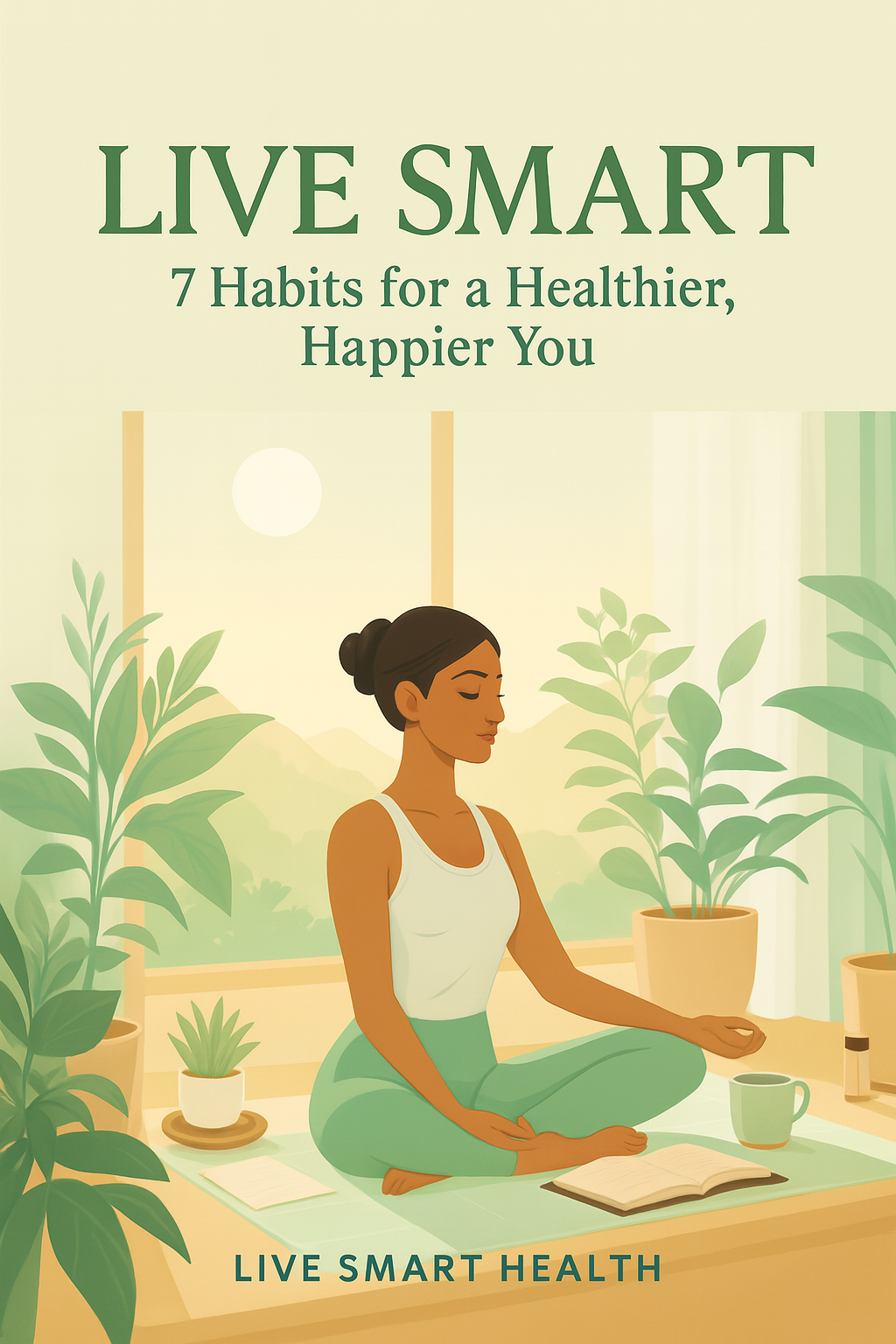
Rediscover Balance. Reclaim Joy. Live Healthier — Starting Today.
Feeling overwhelmed, tired, or out of balance lately?
It’s time to slow down and realign your life with habits that truly nurture your body, mind, and soul.
This FREE eBook, Live Smart: 7 Habits for a Healthier, Happier You, reveals simple yet powerful habits to help you:
🌱 Build energy and inner calm
💧 Improve focus and emotional well-being
☀️ Create sustainable routines for long-term health
💚 Feel more joy — naturally and effortlessly
Each chapter guides you through mindful steps, daily reflections, and practical tips that fit easily into your busy life.
👉 Download your FREE copy now and start your journey to a calmer, happier, and more fulfilling life.
Please log in to access your exclusive content.
Don’t have an account? Click the “Register” button below to sign up.
Related Posts