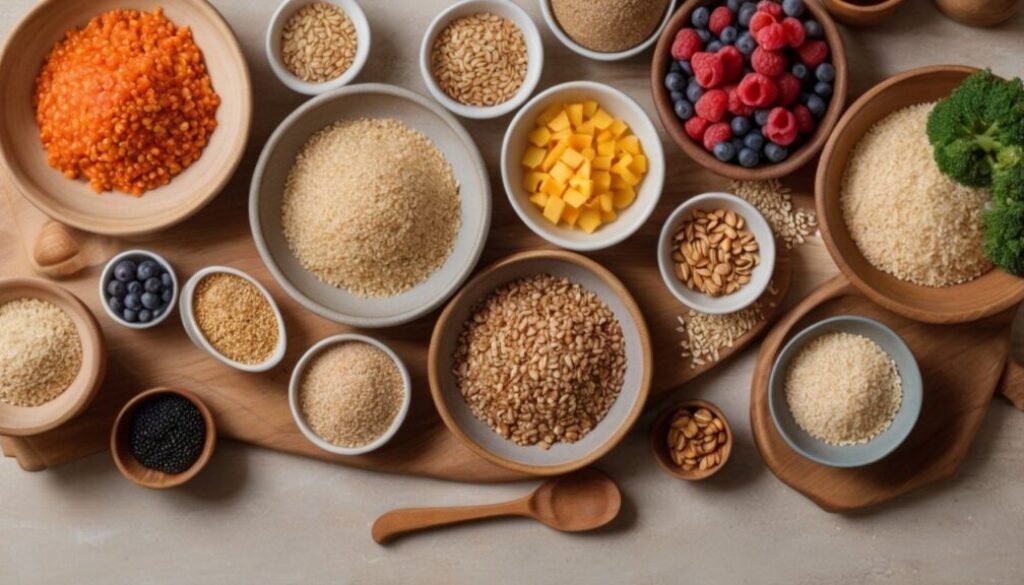
Gluten Free Diet Benefits: Side Effects and What to Know
Have you ever wondered whether the gluten free diet benefits and side effects are worth considering before making a major change to the way you eat? Many people jump into gluten free living hoping for better digestion, clearer skin, or more energy, yet few take the time to understand how this diet truly affects the body. Knowing the real gluten free diet benefits and side effects helps you make informed decisions instead of relying on trends or assumptions.
For anyone dealing with digestive discomfort, inflammation, or possible gluten sensitivity, this topic is more than just nutritional curiosity. It can influence your daily comfort, long-term health, grocery budget, and even your social life. At the same time, myths about “healthy” gluten free products and hidden nutrient deficiencies often mislead beginners, making it even more important to look at the full picture.
In the next sections, we’ll break down the most important gluten free diet benefits and side effects, clear up common misconceptions, and give you practical guidance so you can decide what’s right for your body. Let’s get started.
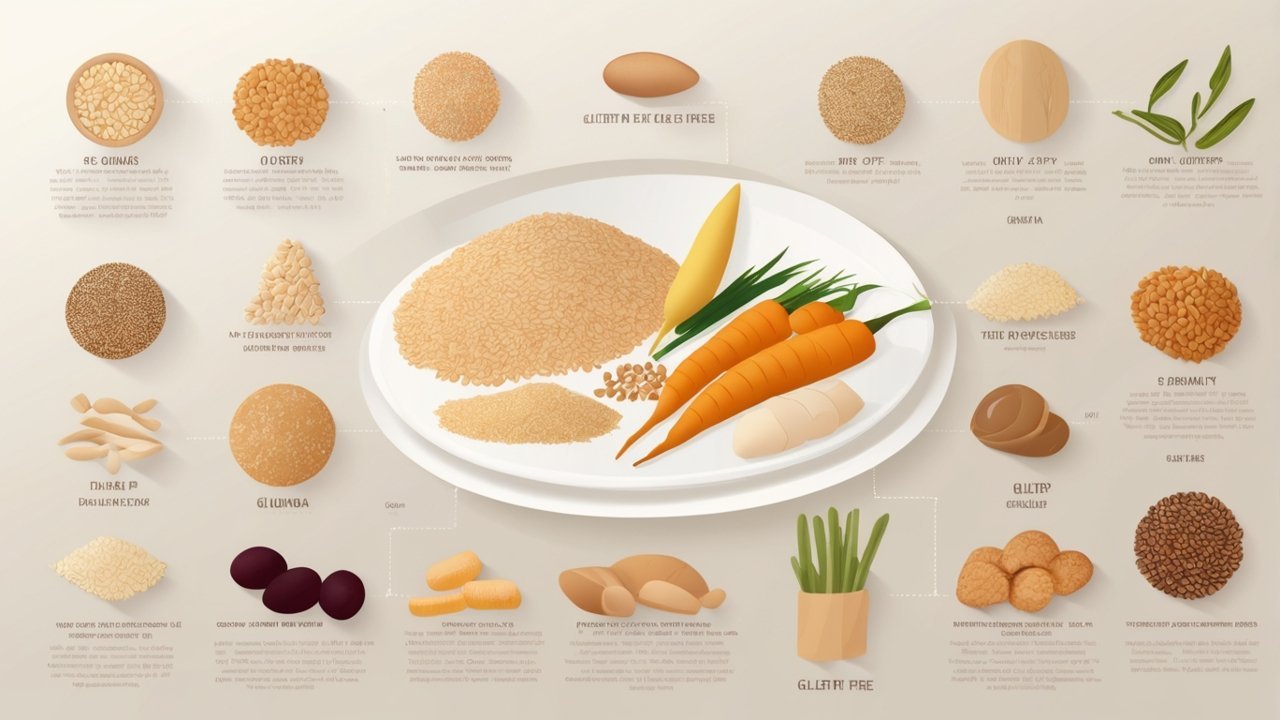
Chapter 1: What Is a Gluten Free Diet?
The gluten free diet has become one of the most talked-about eating patterns in recent years, but its rise in popularity doesn’t mean everyone understands how it works. Before we dig deeper into the gluten free diet benefits and side effects, it helps to look at the fundamentals: what gluten is, how it affects different people, and why this diet can be either helpful or challenging depending on your biology and lifestyle. When you understand the basics, the rest of the journey becomes far easier.
Understanding the Gluten Free Diet
Gluten is a naturally occurring protein found in wheat, barley, and rye. It creates elasticity in dough and gives bread its signature chewiness. Most people digest gluten without trouble. But for individuals with celiac disease, non-celiac gluten sensitivity, or wheat allergy, gluten can trigger digestive distress, inflammation, nutrient malabsorption, or immune reactions. That’s why exploring the gluten free diet benefits and side effects early can help people avoid confusion later.
A proper gluten free diet eliminates all foods containing these grains. This includes obvious items like bread, pasta, pastries, crackers, and beer. It also includes hidden gluten in foods such as sauces, gravies, seasoning blends, processed meats, and even supplements. According to Harvard Health, gluten appears in more packaged foods than most beginners expect.
If you’re brand new to diet exploration, you may also enjoy this internal guide on improving gut balance with trending nutrition approaches →
👉 Fibremaxxing Explained
Why Some People Must Avoid Gluten Completely
For those with celiac disease, gluten triggers an autoimmune response that damages the small intestine. PubMed research has shown that continuous exposure can lead to anemia, malabsorption, chronic inflammation, and long-term complications.
People with non-celiac gluten sensitivity (NCGS) experience gluten-related symptoms such as bloating, fatigue, headaches, skin issues, or brain fog. While their intestines aren’t damaged, their quality of life can significantly improve when gluten is removed.
Others deal with wheat allergy, which causes immune overreaction to wheat proteins. Reactions may include hives, congestion, or digestive upset.
For readers wanting to support gut comfort while exploring gluten free living, you can check out this internal evidence-based guide →
👉 Best Probiotics for Bloating and Gas (2025 Picks)
How the Gluten Free Diet Works Day to Day
A healthy gluten free lifestyle focuses on naturally gluten free whole foods, such as:
-
Fruits and vegetables
-
Eggs, chicken, fish, tofu, and legumes
-
Nuts and seeds
-
Rice, quinoa, buckwheat, amaranth
-
Dairy products
-
Healthy oils
These foods help you stay nourished without relying on heavily processed gluten free substitutes.
Many beginners lean too heavily on packaged gluten free snacks or desserts. These products may be useful occasionally, but they often contain more sugar, starch, or additives than their gluten-containing counterparts. This is one area where the gluten free diet benefits and side effects can shift depending on food choices.
For recipe inspiration that fits naturally into gluten free living, this internal resource is helpful →
👉 Healthy Chicken Recipes for Fitness
Label Reading and Cross-Contamination
Because gluten hides in many processed foods, label reading becomes essential. Ingredients like “malt,” “barley extract,” “wheat protein,” or “modified food starch” can indicate gluten contamination unless the packaging clearly states gluten free.
Dining out introduces another challenge: cross-contamination. Even if a dish is gluten free, shared fryers, cutting boards, or serving utensils can expose food to gluten. People with celiac disease need to be especially cautious.
If inflammation or energy fluctuations are part of your symptoms, you may appreciate this helpful internal guide →
👉 Top Superfoods to Boost Energy & Burn Fat
What Science Says About Removing Gluten
Decades of clinical research show that eliminating gluten allows damaged intestinal villi to heal in people with celiac disease. Studies published in Gastroenterology and PubMed confirm that strict adherence improves nutrient absorption and reduces both digestive and systemic symptoms.
For non-celiac individuals with gluten sensitivity, studies suggest improvements in bloating, brain fog, abdominal discomfort, and fatigue. Keeping a food and symptom journal helps clarify your personal response.
If you’re exploring fatigue patterns tied to digestion, this educational guide may help:
👉 Mitochondrial Imbalance: The Hidden Cause of Fatigue
Real-Life Examples of How People Use This Diet
A young professional dealing with bloating and inconsistent energy may notice improvements after just a few weeks on a gluten free diet. A runner with mild gluten sensitivity might feel steadier digestion during training. A parent of a child with celiac disease may see behavioral and skin improvements when gluten is removed from meals.
These real-life experiences help reveal why so many people want a deeper understanding of the gluten free diet benefits and side effects before committing long-term.
For simple, gut-friendly meal ideas, this internal resource is a great start →
👉 Sweet Potato Nutrition Guide
Affiliate Recommendations
If you want support improving digestion and metabolic balance while transitioning into gluten free eating, these tools may help:
-
LeanBiome – a targeted gut-support formula designed to help with bloating and digestive balance.
👉 Check this recommended tool here → LeanBiome -
Live Smart Health Blueprint – a structured wellness system designed to simplify dietary transitions.
👉 Discover this affordable solution today → Live Smart Health
Chapter 2: Key Benefits of a Gluten Free Diet
People often hear about the gluten free diet benefits and side effects, yet many are surprised to discover how different the experience can be once they try the diet themselves. While the gluten free lifestyle is sometimes portrayed as a trend, its benefits are very real for people with gluten-related disorders and for others dealing with chronic digestive issues, inflammation, or unexplained fatigue. This chapter explores the most supported advantages, backed by research and real-world experience.
Reduced Digestive Discomfort and Bloating
One of the most noticeable gluten free diet benefits is digestive relief. Gluten can trigger bloating, cramping, gas, constipation, or diarrhea in individuals with gluten sensitivity or celiac disease. According to the National Institute of Diabetes and Digestive and Kidney Diseases (NIDDK), removing gluten often leads to a measurable reduction in inflammation and gut irritation in affected individuals.
Many beginners report that bloating decreases within days or weeks of switching to gluten free meals. For those wanting deeper gut support while transitioning, this internal resource can be helpful →
👉 Probiotics for Bloating and Gas (2025 Picks)
This improvement often motivates people to continue, especially when digestive discomfort has been part of daily life for years.
Improved Nutrient Absorption in Sensitive Individuals
For people with celiac disease, gluten damages the small intestine’s villi, which are responsible for nutrient absorption. This leads to deficiencies in iron, folate, vitamin D, calcium, and B vitamins. PubMed research shows that strict adherence to a gluten free diet allows the intestinal lining to heal and nutrient levels to rebound.
This is one of the core gluten free diet benefits for those who struggle with chronic nutrient-related fatigue.
If you fight low energy or slow recovery, you may find value in this internal guide on supporting cellular energy →
👉 Mitochondrial Energy Boost
The combination of better nutrient absorption and reduced inflammation often creates a positive feedback loop where people begin feeling physically stronger and mentally clearer.
Potential Reduction in Systemic Inflammation
Chronic inflammation is linked to joint discomfort, skin conditions, brain fog, and digestive issues. Studies published in Gastroenterology suggest that gluten can increase inflammatory markers in gluten-sensitive individuals. Removing gluten reduces these markers, improving symptoms across different organ systems.
While not everyone will experience dramatic results, those with autoimmune conditions often notice:
-
Reduced joint stiffness
-
Clearer skin
-
Improved mood
-
Less abdominal discomfort
For additional inflammation-reducing food ideas, you may like this internal guide →
👉 Top Superfoods to Boost Energy and Burn Fat
Increased Energy and Mental Clarity
Another widely reported benefit is the noticeable increase in energy and mental sharpness. When gluten triggers immune activation or intestinal irritation, your body diverts energy to manage inflammation. Removing gluten frees the body from this constant inflammatory burden, allowing for more stable energy throughout the day.
A 2018 Healthline review noted that gluten-sensitive individuals often report improved concentration, steadier focus, and fewer afternoon crashes after removing gluten.
For readers who struggle with fatigue patterns, this resource can help you understand possible underlying causes →
👉 Mitochondrial Imbalance: The Hidden Cause of Fatigue
Skin Improvements and Reduced Breakouts
Skin symptoms like acne, eczema, or dermatitis herpetiformis may be linked to gluten-related inflammation for some individuals. When the gut barrier improves on a gluten free diet, many people see clearer skin, fewer breakouts, and reduced redness.
This doesn’t mean gluten free is a universal skin cure. However, for people whose issues are tied to gluten sensitivity, the change can be noticeable within weeks.
Enhanced Overall Wellness and Lifestyle Stability
Even beyond medical reasons, many people enjoy the structured lifestyle a gluten free diet encourages. They cook more at home, pay closer attention to ingredient labels, and prioritize whole foods. This often leads to additional benefits:
-
Better meal planning
-
More mindful grocery shopping
-
Reduction in ultra-processed food intake
-
A more stable gut microbiome over time
If you want a simple starting point for cooking whole-food gluten free meals, consider this internal recipe resource →
👉 Healthy Chicken Recipes for Fitness
These small changes can reinforce long-term success by improving habits far beyond gluten avoidance.
Affiliate Recommendations
If you’re considering exploring gluten free eating for digestive support or inflammation reduction, the following tools may help:
⭐ LeanBiome
A gut-support formula that may help reduce bloating and support a healthier microbiome.
👉 Check this recommended tool here →
⭐ Live Smart Health Blueprint
A structured wellness system designed to help people transition into healthier routines.
👉 Discover this affordable solution today →
These options complement the natural gluten free diet benefits and side effects by addressing gut balance and lifestyle structure.

Chapter 3: Possible Side Effects of a Gluten Free Diet
For all the positive outcomes associated with gluten free eating, it’s equally important to understand the gluten free diet benefits and side effects before making long-term changes. A gluten free lifestyle can support digestion, energy, and inflammation reduction, but it also comes with trade-offs. Many newcomers assume going gluten free is automatically healthier, but without proper planning, it can lead to nutrient gaps, higher grocery costs, and increased dependence on ultra-processed substitutes. This chapter highlights the most common challenges and how to avoid them.
Nutrient Deficiencies from Poorly Planned Gluten Free Diets
Removing wheat, barley, and rye also removes the fortified breads and cereals that many people rely on for B vitamins, iron, and fiber. According to Harvard Health, gluten free packaged foods often lack these nutrients because enrichment is not always required.
Common deficiencies include:
-
Iron (fatigue, hair shedding)
-
Folate and B12 (low energy, mood imbalance)
-
Fiber (constipation, sluggish digestion)
-
Magnesium and zinc (muscle tension, weak immunity)
People focusing heavily on gluten free snacks rather than whole foods are most affected.
If you want to improve fiber intake safely while eating gluten free, this resource is helpful →
👉 Highest Dietary Fiber Foods
Overreliance on Processed Gluten Free Products
A surprising number of gluten free packaged foods contain more sugar, starch, and additives than their regular counterparts. Food companies often use extra fat or sweeteners to mimic the texture gluten provides.
Side effects of relying on these products may include:
-
Blood sugar spikes
-
Increased hunger
-
Weight fluctuations
-
Digestive discomfort
-
Higher grocery bills
Some studies referenced in PubMed note that gluten free “junk foods” can raise triglycerides or contribute to inflammation if consumed in excess.
For readers looking to avoid these pitfalls, whole-food cooking is a more stable alternative. Try simple protein-rich meals like the ones here →
👉 Healthy Chicken Recipes for Fitness
Digestive Changes During the Transition Phase
People often expect instant improvement after going gluten free, but the body sometimes needs time to adjust. If your previous diet was high in wheat-based fiber, suddenly removing it may lead to temporary constipation or sluggish digestion.
This adjustment period may include:
-
Bloating
-
Irregular bowel movements
-
Temporary gas or discomfort
-
Shifts in gut microbiome composition
A balanced approach using whole-food fiber sources, hydration, and probiotics can help smooth the transition.
You can explore natural gut-soothing strategies here →
👉 Top Superfoods to Boost Energy & Burn Fat
Hidden Calories and Weight Gain
Many assume gluten free eating guarantees weight loss, but this isn’t always true. Gluten free versions of bread, cookies, muffins, or crackers often contain:
-
Extra sugar
-
Potato starch
-
Tapioca starch
-
Added fats
These ingredients can increase calorie density. Healthline notes that people sometimes gain weight when they replace wheat-based carbs with gluten free processed alternatives.
The solution is to focus on smart, nutrient-dense meals rather than gluten free substitutes.
If you’re exploring weight or fat-control strategies alongside gluten removal, this resource may help →
👉 Tummy Fat Loss Exercises You Can Do at Home
Social and Lifestyle Limitations
Dining out, attending gatherings, and traveling can become more complicated when gluten free. Cross-contamination is a common issue in restaurants, even when the menu claims gluten free options.
Examples include:
-
Shared fryers
-
Cutting boards used for bread
-
Gluten-containing sauces
-
Misunderstanding from staff
This does not mean social dining becomes impossible, but it requires awareness and planning.
You can also explore meal prep ideas that simplify weekly planning →
👉 Healthy Chicken Recipes for Fitness (useful for staying consistent)
Cost Considerations
Gluten free products are often more expensive due to specialized manufacturing and certification requirements. Families transitioning multiple members to gluten free eating may see grocery costs increase by 20 to 40 percent depending on reliance on packaged foods.
The most cost-effective approach is focusing on naturally gluten free ingredients such as rice, beans, potatoes, vegetables, eggs, and whole proteins.
To explore more budget-friendly wellness strategies, you may like this →
👉 Seasonal Wellness Tips
Psychological and Emotional Factors
People sometimes underestimate the emotional adjustment required when transitioning to a more restrictive lifestyle. Feelings of frustration, food fear, or social isolation can appear, especially during the first few months.
However, most people report increasing confidence as they become familiar with safe foods, restaurant communication, and simple recipes.
Affiliate Recommendations
If you want structured support while managing the gluten free diet benefits and side effects, these tools may help:
⭐ LeanBiome
Designed to support gut balance, reduce bloating, and improve digestion during dietary transitions.
👉 Check this recommended tool here →
⭐ Live Smart Health Blueprint
A comprehensive wellness blueprint that helps beginners build stable routines and reduce overwhelm.
👉 Discover this affordable solution today →
These can complement lifestyle changes while helping you avoid the most common side effects.

Chapter 4: Who Should and Should Not Try a Gluten Free Diet
As more people explore the gluten free diet benefits and side effects, it becomes essential to understand who truly needs this diet and who might not benefit from it. While gluten free eating can be life-changing for some, it is not automatically healthier for everyone. Knowing whether you fall into the “should” or “shouldn’t” category helps prevent unnecessary restrictions, nutrient deficiencies, or frustration. This chapter breaks down the groups that benefit the most and those who may want to explore other health strategies first.
People Who Should Strongly Consider a Gluten Free Diet
1. Individuals with Celiac Disease
For people with celiac disease, gluten free eating is a medical necessity. Gluten triggers an autoimmune reaction that damages the small intestine’s lining. According to Harvard Health and PubMed, even tiny amounts of gluten can cause:
-
Nutrient malabsorption
-
Chronic inflammation
-
Anemia
-
Digestive pain
-
Long-term organ complications
For this group, removing gluten is non-negotiable.
Those managing gut symptoms may also find this resource extremely helpful:
👉 Probiotics for Bloating and Gas (2025 Picks)
2. Individuals with Non-Celiac Gluten Sensitivity (NCGS)
People with NCGS do not show intestinal damage on lab tests but still experience symptoms when consuming gluten. Common responses include:
-
Bloating
-
Brain fog
-
Headaches
-
Fatigue
-
Skin flare-ups
Studies suggest these individuals often feel better when gluten is removed, making gluten free living a practical short- or long-term solution.
If fatigue is a recurring problem, this resource provides additional insight:
👉 Mitochondrial Imbalance: The Hidden Cause of Fatigue
3. People with Wheat Allergy
Unlike celiac disease, wheat allergy triggers an immune response to wheat proteins, not just gluten. Symptoms may include:
-
Hives or swelling
-
Nasal congestion
-
Digestive upset
-
In severe cases, anaphylaxis
A gluten free diet can help avoid wheat exposure, although additional precautions are needed based on individual allergy severity.
4. Individuals with Certain Autoimmune or Inflammatory Conditions
Some people with autoimmune conditions report improvements when reducing gluten. While research is ongoing, anecdotal evidence and small clinical studies suggest potential benefits for:
-
Hashimoto’s thyroiditis
-
Rheumatoid arthritis
-
Psoriasis
-
Chronic inflammatory syndromes
Reducing gluten may lower inflammatory markers for sensitive individuals.
For additional anti-inflammatory nutrition ideas, try this internal resource:
👉 Top Superfoods to Boost Energy & Burn Fat
People Who May Not Need a Gluten Free Diet
Understanding the gluten free diet benefits and side effects also means recognizing who should not adopt the diet without clear reasons.
1. Individuals Without Symptoms or Medical Indications
If you do not have digestive discomfort, fatigue, skin issues, or autoimmune conditions, there may be no specific benefit to removing gluten. Harvard Health notes that removing gluten unnecessarily can:
-
Increase grocery expenses
-
Reduce dietary variety
-
Lead to nutrient deficiencies
-
Increase reliance on processed substitutes
In such cases, a balanced whole-food diet may be a better first step.
If energy improvement is your goal, this internal guide is a strong alternative:
👉 Mitochondrial Energy Boost
2. People Seeking Weight Loss Only
The gluten free diet is not inherently a weight-loss diet. In fact, some gluten free products contain higher calories, sugar, or starch. Studies shared by Healthline show that gluten free junk foods can contribute to weight gain.
If your primary goal is fat loss, you may get better results with structured exercise rather than unnecessary dietary restrictions. Try this home-friendly guide:
👉 Tummy Fat Loss Exercises You Can Do at Home
3. Individuals With High Fiber Needs
Since whole-wheat foods are naturally rich in fiber, removing gluten without replacing these foods can lead to constipation or slow digestion. This is one of the less-discussed gluten free diet side effects and may affect:
-
Athletes
-
Individuals with IBS-C
-
People already consuming low-fiber diets
You can explore gluten-free, fiber-rich alternatives here →
👉 Highest Dietary Fiber Foods
People Who Should Try Gluten Free with Caution
Some groups benefit from a trial period rather than immediate full commitment.
1. People with Unexplained Digestive Issues
A short gluten elimination trial (2–4 weeks) may help identify triggers. Keeping a food journal enhances clarity and supports conversations with healthcare providers.
2. Individuals with Skin Conditions
People experiencing eczema, hives, or chronic acne may notice improvements when gluten is removed. However, results vary, so observation is key.
3. Those Managing Autoimmune Fatigue or Brain Fog
Reducing gluten may lessen inflammation or stabilize energy, but results depend on underlying causes.
For a broader nutritional strategy, many readers find this helpful:
👉 Top Superfoods to Boost Energy
Affiliate Recommendations
If you’re navigating the gluten free diet benefits and side effects and want targeted support, these tools may help:
⭐ LeanBiome
Supports gut balance, reduces bloating, and may ease digestive transition.
👉 Check this recommended tool here →
⭐ Live Smart Health Blueprint
A structured wellness system that simplifies gluten free lifestyle adjustments.
👉 Discover this affordable solution today →
Chapter 5: Common Myths About the Gluten Free Diet
As the popularity of gluten free living continues to grow, so does the number of misconceptions surrounding it. Many newcomers start the diet with unrealistic expectations or misinformation, only to feel confused when their results don’t match what they’ve heard online. Understanding the most common myths can help you make smarter decisions and weigh the gluten free diet benefits and side effects more accurately. This chapter breaks down the biggest misconceptions and reveals the truth behind each one.
Myth 1 — “Gluten Free Eating Is Automatically Healthier”
One of the most widespread myths is that a gluten free diet is inherently healthier. The reality? It depends entirely on what you replace gluten with. Harvard Health emphasizes that many gluten free packaged foods contain more sugar, fat, and starch than the original versions.
Ultra-processed gluten free substitutions often include:
-
Tapioca starch
-
Potato starch
-
Excess sugar
-
Gums and stabilizers
These can raise blood sugar and contribute to weight gain if consumed regularly.
If your goal is to choose healthier whole-food options (rather than processed replacements), this internal guide can help:
👉 Top Superfoods to Boost Energy and Burn Fat
Myth 2 — “Gluten Free Automatically Means Weight Loss”
Many people try gluten free eating solely to lose weight, but science tells a different story. Healthline reports that gluten free versions of bread, cookies, and snacks often contain more calories than the regular versions.
Why?
Because manufacturers add extra sugar and fat to mimic gluten’s texture.
People may actually gain weight when they:
-
Replace gluten foods with ultra-processed gluten free snacks
-
Eat larger portions due to “health halo” bias
-
Reduce fiber intake and experience slower digestion
If your goal is fat loss, pairing balanced meals with movement is more reliable. You can explore movement-based strategies here:
👉 Tummy Fat Loss Exercises You Can Do at Home
Myth 3 — “Only People with Celiac Disease Benefit from Gluten Free”
While celiac patients require strict gluten avoidance, they’re not the only ones who may see improvements. Research from PubMed shows that non-celiac gluten sensitivity (NCGS) is a legitimate condition that can cause:
-
Bloating
-
Fatigue
-
Brain fog
-
Skin irritation
-
Joint discomfort
For these individuals, removing gluten can enhance well-being and reduce inflammation. Understanding this nuance is key when evaluating the gluten free diet benefits and side effects.
If you’re exploring energy-related symptoms, this internal guide may offer further clarity:
👉 Mitochondrial Imbalance: The Hidden Cause of Fatigue
Myth 4 — “Gluten Free Foods Are Always Safe to Eat”
Just because something is labeled “gluten free” doesn’t mean it’s automatically safe. Cross-contamination can occur in:
-
Shared kitchens
-
Bakeries
-
Restaurants
-
Home cooking spaces
-
Factories that process both gluten and gluten free foods
Even naturally gluten free foods such as oats can contain traces of gluten unless they’re certified. This explains why some individuals still feel symptoms even after making dietary changes.
If you’re trying to stabilize digestion and inflammation, pairing gluten free eating with specific nutrient-dense foods can help. Try this internal article for more guidance:
👉 Sweet Potato Nutrition Benefits
Myth 5 — “Gluten Free Diets Always Solve Digestive Issues”
While many people feel better removing gluten, it’s not a universal fix for every digestive issue. Conditions like IBS, lactose intolerance, gallbladder problems, and imbalanced gut bacteria may require different strategies.
If digestion doesn’t improve after gluten removal, consider exploring fiber balance, gut microbiome health, or underlying inflammation.
This internal article is an excellent starting point for deeper digestive support:
👉 Highest Dietary Fiber Foods
Myth 6 — “You Must Go Gluten Free Forever”
Some people assume that if gluten triggers mild irritation, they must avoid it forever. In reality, responses vary widely.
For example:
-
Some individuals only react to large amounts of gluten.
-
Others tolerate certain forms like sourdough due to fermentation.
-
Stress, sleep, and hormonal cycles can influence sensitivity.
-
A temporary elimination can help identify triggers without long-term restriction.
This flexibility is important when assessing your personal gluten free diet benefits and side effects.
Myth 7 — “Gluten Free Eating Is Too Hard to Maintain”
At first, gluten free living can feel overwhelming, but most people find it easier with time. The transition becomes smoother once you identify:
-
Safe go-to meals
-
Restaurants with gluten free menus
-
Gluten free grains you enjoy (quinoa, rice, buckwheat)
-
Simple recipes to rotate weekly
For meal ideas that fit easily into a gluten free routine, try this:
👉 Healthy Chicken Recipes for Fitness
Affiliate Recommendations
If you want to avoid the common myths and build a balanced gluten free lifestyle, these tools may help:
⭐ LeanBiome
Supports gut balance, reduces bloating, and complements gluten free eating.
👉 Check this recommended tool here →
⭐ Live Smart Health Blueprint
A comprehensive wellness system that helps new gluten free eaters transition smoothly.
👉 Discover this affordable solution today →
(Double check this URL — appears broken in your file.)
Chapter 6: Healthy Ways to Follow a Gluten Free Diet
Going gluten free isn’t just about removing gluten—it’s about building a lifestyle that supports digestion, energy, and long-term well-being. Many people make the mistake of swapping wheat for gluten free cookies, bread, or pizza without considering the nutritional trade-offs. To experience the true gluten free diet benefits and side effects in a balanced way, you need a strategy that prioritizes whole foods, nutrition density, and daily consistency. This chapter outlines healthy, realistic ways to follow a gluten free diet without feeling restricted or overwhelmed.
Focus on Naturally Gluten Free Whole Foods
The healthiest gluten free diets rely on foods that never contained gluten in the first place. This reduces the risk of cross-contamination and ensures better nutrient quality.
Examples include:
-
Fresh fruits and vegetables
-
Lean proteins: chicken, eggs, fish, tofu
-
Gluten free whole grains: quinoa, rice, millet, buckwheat
-
Beans, legumes, chickpeas
-
Nuts and seeds
-
Healthy fats like olive oil and avocado
Whole foods help stabilize digestion, energy, and inflammation—key benefits of gluten free living.
For more whole-food inspiration, try this internal recipe resource:
👉 Healthy Chicken Recipes for Fitness
Read Ingredient Labels Carefully
Even after removing obvious gluten foods, hidden sources of gluten can still show up in:
-
Soy sauce
-
Marinades
-
Spice blends
-
Salad dressings
-
Processed meats
-
Packaged snacks
Manufacturers use wheat derivatives as thickeners, stabilizers, or flavor enhancers. Label reading is one of the most important habits you can develop, especially if you’re managing sensitive digestion.
Harvard Health reminds consumers that gluten can appear under names like:
-
Malt
-
Barley extract
-
Brewer’s yeast
-
Hydrolyzed wheat protein
The more you practice reading labels, the smoother your transition becomes.
Build a Balanced Plate for Every Meal
The healthiest gluten free diets follow the same nutrition principles as any whole-food lifestyle. Each meal should include:
-
Protein (stabilizes hunger and maintains muscle)
-
Fiber-rich carbs (supports digestion and gut health)
-
Healthy fats (supports hormones and brain health)
-
Micronutrient-rich produce (antioxidants and minerals)
Balancing your meals helps minimize the common gluten free diet side effects like constipation, sugar cravings, and energy dips.
For support on improving fiber intake safely, try:
👉 Highest Dietary Fiber Foods
Choose High-Quality Gluten Free Grains
Some gluten free grains are more nutritious than others. Instead of relying on rice and corn alone, rotate these nutrient-dense choices:
-
Quinoa (complete protein)
-
Buckwheat (rich in magnesium + antioxidants)
-
Sorghum (high fiber)
-
Millet (gentle on digestion)
-
Amaranth (very high in minerals)
These grains not only enhance nutrient absorption but may improve energy and digestion—two major gluten free diet benefits.
Avoid Overdependence on Processed Gluten Free Substitutes
Gluten free breads, cookies, crackers, and pizzas are convenient but not ideal as daily staples. Many contain:
-
Potato starch
-
Tapioca starch
-
Corn starch
-
Added sugars
-
Unhealthy oils
These ingredients can trigger blood sugar spikes, weight gain, or digestive imbalances. Healthline notes that many gluten free substitutes are more calorie-dense than the originals.
If you want healthier snack options long-term, consider whole foods like fruit, nuts, yogurt, or homemade energy bites.
Support Your Gut Microbiome During Transition
Going gluten free changes the composition of your gut bacteria, especially if your previous diet contained wheat-based fibers. Supporting your microbiome can help minimize the typical transition symptoms such as bloating or constipation.
Helpful strategies include:
-
Adding resistant starch (e.g., cooked + cooled potatoes)
-
Eating fermented foods (yogurt, kefir, kimchi)
-
Increasing plant diversity
-
Ensuring adequate hydration
If improving digestion is a top priority, this internal article is very helpful:
👉 Probiotics for Bloating and Gas (2025 Picks)
Make Eating Out Easier with Simple Strategies
Eating out can feel intimidating at first, but it becomes manageable with a few practical habits:
-
Look for restaurants with gluten free menus or certifications
-
Ask whether fryers are shared with breaded foods
-
Avoid sauces unless verified gluten free
-
Choose simply prepared dishes like grilled meats and vegetables
-
Verify whether oats are certified gluten free
Over time, these habits become second nature, reducing stress and improving social confidence.
Stay Mindful of Overall Lifestyle Choices
Sleep, stress management, and physical activity all play a role in how your digestive and immune systems respond to gluten removal. Many people mistakenly assume gluten free eating alone will fix fatigue, bloating, or inflammation, when often a combination of changes is needed.
This is why understanding the gluten free diet benefits and side effects in a broader lifestyle context is essential.
For readers wanting to boost natural energy production, this resource can help:
👉 Mitochondrial Energy Boost
Affiliate Recommendations
If you want to support your gut and reduce transition symptoms while going gluten free, these tools may help:
⭐ LeanBiome
Targets gut balance, bloating relief, and digestive comfort during dietary shifts.
👉 Check this recommended tool here →
⭐ Live Smart Health Blueprint
A structured, step-by-step wellness system designed to simplify gluten free living.
👉 Discover this affordable solution today →

Chapter 7: Practical Tips for Beginners
Starting a gluten free lifestyle can feel overwhelming, especially if gluten has been part of your daily meals for years. The good news is that with the right strategies, habits, and tools, you can transition smoothly while enjoying the gluten free diet benefits and side effects with clarity and confidence. This chapter offers simple, realistic tips designed specifically for beginners—helping you avoid common mistakes and build a sustainable routine.
Start with a Simple Pantry Reset
Before you do anything else, take a look at your pantry. Many foods contain hidden gluten, including:
-
Crackers
-
Cereals
-
Instant noodles
-
Sauce mixes
-
Seasoned chips
-
Breaded snacks
Replace the above items gradually, not all at once. A slow, sustainable shift helps prevent stress and keeps your budget in check.
If you’re unsure what nutrient-dense alternatives look like, this helpful internal guide on whole-food energy can give you ideas:
👉 Top Superfoods to Boost Energy and Burn Fat
Build a “Safe Foods” List You Can Rely On
In the beginning, it’s useful to stick to foods that are naturally gluten free. This improves confidence and eliminates the guesswork involved with packaged products.
Great starter foods include:
-
Fresh vegetables and fruits
-
Eggs, chicken, fish
-
Rice, quinoa, millet
-
Beans and lentils
-
Sweet potatoes
-
Gluten free oats (certified only)
For practical, balanced meal inspiration, try this internal recipe resource:
👉 Healthy Chicken Recipes for Fitness
Having a reliable go-to list reduces decision fatigue and keeps your transition stress-free.
Learn to Identify Hidden Gluten in Everyday Foods
As you deepen your understanding of the gluten free diet benefits and side effects, you’ll notice a pattern: the diet is easy when you’re eating whole foods, but tricky when dealing with processed ones.
Gluten often hides in:
-
Soy sauce
-
Salad dressings
-
Pre-marinated meats
-
Soup bases
-
Spice blends
-
Flavored nuts
Reading product labels becomes one of the most valuable skills in your gluten free journey. With practice, identifying safe foods takes just seconds.
Use Meal Prep to Save Time and Reduce Stress
Meal prep is one of the biggest secrets to success for gluten free beginners. When you have ready-made meals, you avoid rushed decisions that might lead you to unsafe or ultra-processed foods.
Effective gluten free meal prep includes:
-
Cooking proteins like chicken or fish in bulk
-
Preparing roasted vegetables for the week
-
Building mix-and-match grain bowls
-
Pre-cutting fruit or portioning snacks
-
Making gluten free breakfast jars or smoothies
You can also check this internal guide for extra gut-supporting ideas:
👉 Probiotics for Bloating and Gas (2025 Picks)
Master Cross-Contamination Prevention
Cross-contamination is one of the most overlooked factors for individuals exploring the gluten free diet benefits and side effects. Even tiny amounts of gluten can trigger symptoms, especially for people with celiac disease.
To stay safe:
-
Use separate cutting boards for gluten free items
-
Replace wooden utensils that may harbor gluten
-
Clean countertops thoroughly
-
Label gluten free storage containers
-
Avoid shared fryers in restaurants
When in doubt, ask questions. Most restaurants are used to dietary inquiries and will accommodate you.
Be Cautious with Gluten Free Packaged Foods
Not all gluten free products are created equal. Many contain:
-
Excess sugar
-
Low fiber
-
Additives
-
High-calorie starches
Healthline reports that gluten free “junk foods” can lead to weight gain or poor digestion. Packaged snacks are fine occasionally, but avoid making them your everyday staples.
If you’re trying to support digestion naturally, this internal fiber guide is extremely useful:
👉 Highest Dietary Fiber Foods
Give Your Gut Time to Adjust
Digestive changes are normal in the early weeks of going gluten free. As your microbiome shifts, you may notice:
-
Temporary bloating
-
Lighter or heavier digestion
-
Slight energy fluctuations
-
Appetite changes
These effects are typically short-lived. Supporting your gut with hydration, probiotics, and fiber balance helps ease the transition.
For deeper insight into energy and gut connection, explore:
👉 Mitochondrial Energy Boost
Don’t Aim for Perfection — Aim for Consistency
One of the most comforting beginner tips is this: gluten free success doesn’t require perfection. Mistakes happen. You might misread a label, choose the wrong sauce, or get cross-contaminated in a restaurant. What matters is learning and improving over time.
Most people feel the gluten free diet benefits within weeks even if the transition isn’t flawless.
Affiliate Recommendations
These tools may help beginners maximize results while minimizing common pitfalls:
⭐ LeanBiome
Designed to support balanced digestion, reduce bloating, and strengthen your gut microbiome during your gluten free transition.
👉 Check this recommended tool here →
⭐ Live Smart Health Blueprint
An easy-to-follow wellness system that helps beginners build consistent habits and avoid overwhelm.
👉 Discover this affordable solution today →
Chapter 8: Conclusion, Affiliate Disclosure, and Disclaimer
Conclusion
Exploring the gluten free diet benefits and side effects gives you a clearer understanding of whether this lifestyle is the right fit for your body and goals. While the diet can offer powerful improvements in digestion, energy, inflammation, and skin health, it also comes with challenges like nutrient deficiencies, cost increases, and reliance on processed gluten free substitutes. The key is to approach gluten free eating with awareness, balance, and realistic expectations.
As you’ve learned throughout this guide, the most successful gluten free journeys are built on whole foods, smart meal prep, label reading, and gradual habit-building. With time, these skills become second nature. Whether you are managing celiac disease, exploring gluten sensitivity, or simply testing new ways to support well-being, your experience will improve the more intentional your choices become.
If you want to continue learning about nutrition and energy support, these internal guides offer practical next steps:
👉 Top Superfoods to Boost Energy & Burn Fat
👉 Mitochondrial Energy Boost
👉 Probiotics for Bloating & Gas
Remember—gluten free eating is not about perfection. It’s about discovering what helps your body function at its best.
Affiliate Disclosure
Some of the links in this article are affiliate links. This means that if you choose to purchase through them, I may earn a small commission at no extra cost to you. These commissions support the continued creation of high-quality, research-backed health content.
Recommended resources featured in this guide:
-
LeanBiome — designed to support gut balance and digestion.
👉 Check this recommended tool here → -
Live Smart Health Blueprint — a structured wellness system to simplify healthy habits.
👉 Discover this affordable solution today →
I only recommend products that align with evidence-based health practices and may provide genuine value to readers.
Disclaimer
This article is for informational and educational purposes only. It is not intended to diagnose, treat, or replace professional medical advice. Always consult a qualified healthcare provider or registered dietitian before making significant changes to your diet, especially if you suspect celiac disease, gluten sensitivity, nutrient deficiencies, or underlying health conditions.
Your personal experience with gluten free eating may vary based on your unique physiology, lifestyle, and dietary habits. Use this guide as a starting point, and adjust your approach with the support of a healthcare professional.

Rediscover Balance. Reclaim Joy. Live Healthier — Starting Today.
Feeling overwhelmed, tired, or out of balance lately?
It’s time to slow down and realign your life with habits that truly nurture your body, mind, and soul.
This FREE eBook, Live Smart: 7 Habits for a Healthier, Happier You, reveals simple yet powerful habits to help you:
🌱 Build energy and inner calm
💧 Improve focus and emotional well-being
☀️ Create sustainable routines for long-term health
💚 Feel more joy — naturally and effortlessly
Each chapter guides you through mindful steps, daily reflections, and practical tips that fit easily into your busy life.
👉 Download your FREE copy now and start your journey to a calmer, happier, and more fulfilling life.
Please log in to access your exclusive content.
Don’t have an account? Click the “Register” button below to sign up.
Related Posts