
Home Health Care Services: A Practical Family Guide
Have you ever wondered what happens when a loved one needs medical care but wants to stay in the comfort of their own home? Home Health Care Services have become a practical and increasingly popular solution for families facing this exact situation. Instead of navigating hospitals or long-term facilities, many people are now turning to in-home health services that bring professional care directly to where it’s needed most.
This topic matters because choosing the right care option affects not only health outcomes, but also quality of life, finances, and peace of mind. Home Health Care Services can support seniors, individuals recovering from surgery, or those managing chronic conditions, while allowing them to remain independent in a familiar environment. With the growing demand for senior home care and personalized medical support, understanding how these services work is more important than ever.
However, not all home care options are the same, and families often feel overwhelmed by choices, costs, and terminology. Knowing what to expect from Home Health Care Services, how they differ from other care models, and when they are most appropriate can make decision-making far less stressful.
In the sections below, we’ll break down everything you need to know so you can confidently determine whether in-home care is the right choice for your family.

Chapter 1: What Are Home Health Care Services?
Understanding Home Health Care Services and How They Work
When families hear the term Home Health Care Services, they often assume it simply means having someone check in on a loved one at home. In reality, it’s much more comprehensive. Home health care refers to professional medical and supportive services delivered in a patient’s home, designed to help people recover, manage chronic conditions, or maintain independence without moving into a facility.
These services are commonly prescribed by a physician and delivered by licensed professionals such as nurses, therapists, and certified caregivers. According to Harvard Health Publishing, home-based care can be just as effective as hospital care for certain conditions, while also reducing stress and exposure to infections.
Unlike non-medical home care, Home Health Care Services often involve clinical oversight, treatment plans, and measurable health outcomes. This makes them a best solution for individuals who need medical attention but don’t require 24/7 hospitalization.
Who Typically Benefits from Home Health Care Services?
Home-based medical care supports a wide range of people, including:
-
Seniors who want to age safely at home
-
Patients recovering from surgery or injury
-
Individuals managing chronic illnesses such as diabetes or heart disease
-
People with mobility limitations or temporary disabilities
For example, an older adult recovering from a stroke may receive nursing care, physical therapy, and medication management at home. Combined with lifestyle adjustments like those outlined in our guide on stroke prevention made simple, this approach can significantly improve long-term outcomes.
Healthline also notes that patients receiving care at home often report higher satisfaction and better adherence to treatment plans, largely because care is personalized and delivered in a familiar environment.
Core Types of Home Health Care Services
Home health care is not one-size-fits-all. Services are tailored based on medical needs and doctor recommendations.
Skilled Nursing Care
This includes:
-
Medication administration
-
Wound and post-surgical care
-
Monitoring vital signs
-
Managing chronic conditions
Skilled nursing is especially valuable for patients transitioning from hospital to home, reducing readmission risks.
Therapy Services
Licensed therapists provide:
-
Physical therapy to rebuild strength and balance
-
Occupational therapy to support daily activities
-
Speech therapy for communication or swallowing issues
For patients with low energy or fatigue, pairing therapy with lifestyle support such as mitochondrial health strategies can help. Our article on mitochondrial energy boost explores this in more detail.
Personal and Supportive Care
While not always medical, personal care is essential:
-
Assistance with bathing and dressing
-
Mobility and fall prevention
-
Light health monitoring
This combination of medical and supportive care is what makes Home Health Care Services an affordable service compared to long-term residential facilities.
Pros and Cons of Home Health Care Services
Pros
-
Care delivered in a familiar, comfortable environment
-
Personalized one-on-one attention
-
Lower cost than nursing homes in many cases
-
Greater independence and dignity
Cons
-
Limited availability in rural areas
-
Not suitable for severe medical emergencies
-
Care hours may be limited depending on insurance
Evidence published on PubMed shows that home health care can reduce hospital readmissions for chronic disease patients, but it works best when families are actively involved and services are well coordinated.
Choosing Support Tools That Enhance Home Health Care
Beyond clinical care, families often look for supportive tools to improve daily health outcomes at home. Digestive health, for example, plays a major role in immunity and recovery. Many caregivers combine professional care with evidence-backed supplements or wellness tools.
👉 Check this recommended tool here →
Discover this affordable solution today
For those focused on metabolic and energy support, you may also want to see pricing and reviews on the official site of a clinically backed option here:
👉 Explore the recommended tool
These tools are not a replacement for medical care, but when used responsibly, they can complement a structured home care plan.
Practical Takeaways for Families
If you’re considering home-based care, start by:
-
Asking a physician whether home health services are appropriate
-
Confirming insurance or Medicare coverage
-
Evaluating providers for licensing and experience
-
Supporting care with simple lifestyle improvements like balanced nutrition and mobility exercises
Our guide on benefits of walking daily is a great place to begin incorporating safe movement into daily routines.
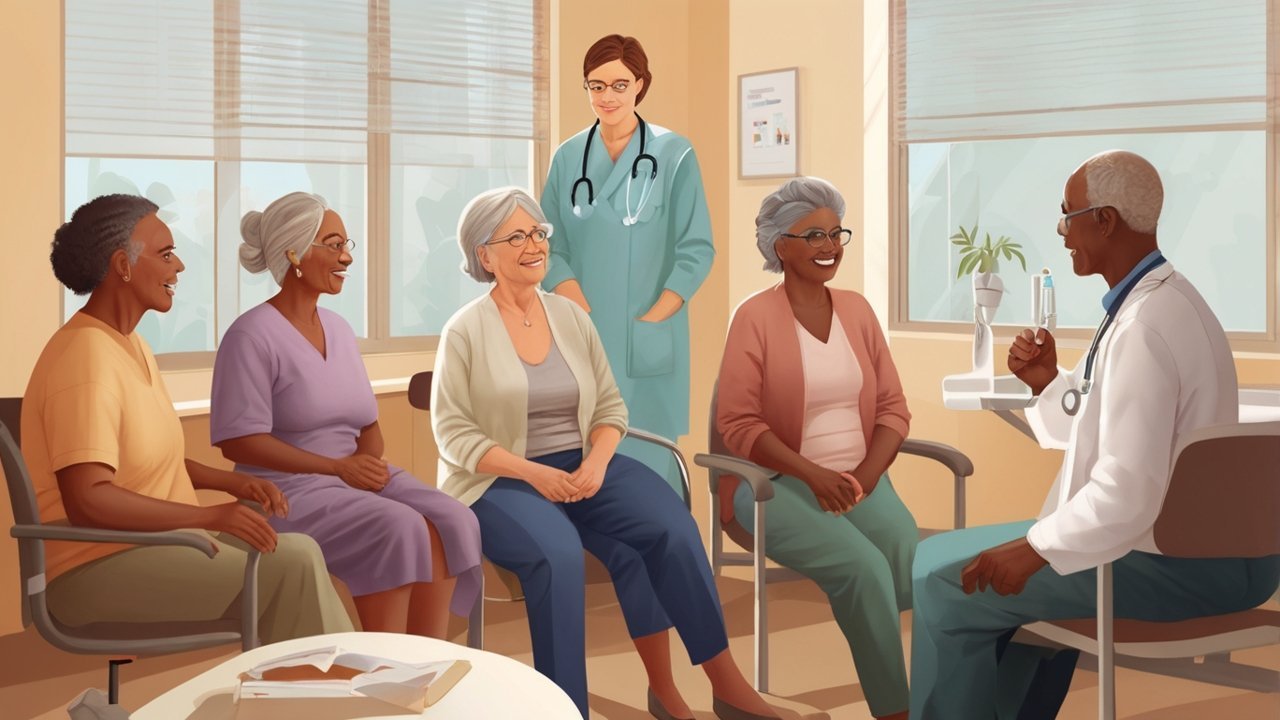
Chapter 2: Types of Home Health Care Services Explained
Understanding the Different Types of Home Health Care Services
Not all Home Health Care Services are the same, and understanding the differences is essential when choosing the right care plan for yourself or a loved one. These services are typically customized based on medical needs, recovery goals, and daily living requirements. Some are short-term and clinical, while others provide long-term support that helps people remain independent at home.
According to Harvard Health Publishing, combining medical care with daily assistance at home often leads to better patient satisfaction and fewer hospital readmissions, especially for older adults and individuals managing chronic conditions.
Below is a breakdown of the most common types of home-based health services and how each one supports recovery and quality of life.
Skilled Nursing Care at Home
Skilled nursing care is one of the most medically intensive forms of home health care and is usually ordered by a physician.
Services often include:
-
Medication administration and monitoring
-
Wound and post-surgical care
-
Chronic disease management (diabetes, heart disease, COPD)
-
Injections, IV therapy, and pain management
-
Vital sign monitoring and health assessments
This level of care is especially beneficial after hospital discharge. Studies indexed in PubMed show that skilled nursing at home can significantly reduce complications and readmission rates for post-surgical patients.
For individuals managing energy-related conditions or fatigue during recovery, addressing underlying metabolic health can be helpful. Our article on mitochondrial imbalance and fatigue explains why energy support matters during healing.
Physical, Occupational, and Speech Therapy Services
Therapy services are a cornerstone of effective Home Health Care Services, helping patients regain function safely without frequent clinic visits.
Physical Therapy
Focuses on:
-
Strength and balance improvement
-
Mobility after injury or surgery
-
Fall prevention
Occupational Therapy
Helps patients:
-
Perform daily tasks independently
-
Adapt their home environment for safety
-
Improve coordination and fine motor skills
Speech Therapy
Supports:
-
Speech and communication issues
-
Swallowing disorders
-
Cognitive challenges after stroke or injury
Therapy delivered at home allows professionals to tailor exercises to real-life environments. For example, therapists can help patients safely navigate stairs, kitchens, or bathrooms.
Complementary habits like gentle movement can further support recovery. Our guide on benefits of walking daily provides simple, safe ways to stay active between therapy visits.
Personal Care and Daily Living Assistance
Not all home health needs are strictly medical. Personal care services play a vital role in maintaining dignity and preventing accidents.
Common personal care services include:
-
Assistance with bathing and dressing
-
Help with toileting and mobility
-
Meal preparation and hydration reminders
-
Light health observation and reporting
While personal care aides may not provide medical treatment, they work closely with nurses and therapists to ensure continuity of care. This integrated approach makes home-based care an affordable service compared to residential facilities.
Medical Social Services and Care Coordination
Medical social workers are often overlooked but are a powerful part of comprehensive Home Health Care Services.
They help families:
-
Navigate insurance and Medicare benefits
-
Access community resources
-
Cope with emotional stress related to illness
-
Plan long-term care strategies
For families juggling multiple health concerns, proper coordination can prevent burnout and costly mistakes. Resources such as diabetes management guidelines can also support informed decision-making alongside professional care.
Pros and Cons of Different Home Health Care Services
Pros
-
Flexible care plans tailored to individual needs
-
Lower infection risk than institutional settings
-
One-on-one attention improves outcomes
-
Greater comfort and emotional well-being
Cons
-
Coverage may vary by insurance provider
-
Limited hours for non-medical care
-
Requires family involvement for best results
Healthline notes that outcomes improve when patients combine professional care with consistent daily routines, proper nutrition, and supportive tools.
Supportive Tools That Complement Home Health Care
Many families enhance formal care with evidence-based wellness tools, especially for digestion, metabolism, and energy support. These can help patients feel better day to day while receiving professional care.
👉 Discover this affordable solution today
See pricing and reviews on the official site
For those focusing on weight management or metabolic recovery during home care, another recommended tool worth exploring is available here:
👉 Check this recommended tool here →
These options are not medical treatments but may support overall well-being when used responsibly.

Chapter 3: Benefits of Home Health Care Services
Why Home Health Care Services Are Becoming the Preferred Choice
For many families, choosing care is no longer just about medical treatment. It’s about comfort, dignity, cost, and long-term quality of life. This is where Home Health Care Services stand out. By delivering professional care directly to a patient’s home, these services address both clinical needs and everyday well-being in a way that institutional care often cannot.
Research from Harvard Health Publishing shows that home-based care can improve patient satisfaction and reduce complications for people recovering from illness or surgery. When care feels personal and familiar, patients are more likely to follow treatment plans and stay engaged in their recovery.
Comfort and Familiarity Improve Recovery
One of the most immediate benefits of home-based care is emotional comfort. Being surrounded by familiar spaces, routines, and loved ones reduces stress and anxiety, which directly impacts physical recovery.
Patients receiving care at home often experience:
-
Better sleep quality
-
Lower stress levels
-
Increased motivation to participate in therapy
According to Healthline, reduced stress hormones can support immune function and healing, especially in older adults. This makes Home Health Care Services a best solution for seniors who may struggle emotionally in unfamiliar care facilities.
Simple lifestyle habits can amplify these benefits. For example, incorporating gentle daily movement, as explained in our guide on the benefits of walking daily, helps maintain mobility and circulation between care visits.
Personalized One-on-One Medical Attention
Unlike hospitals or nursing homes, home care is highly individualized. Care plans are tailored to the patient’s diagnosis, lifestyle, and home environment.
Key personalization advantages include:
-
One-on-one nurse or therapist attention
-
Customized therapy exercises using real household spaces
-
Flexible scheduling based on patient energy levels
This individualized approach is particularly helpful for managing chronic conditions. For example, patients with metabolic or energy-related challenges often benefit from combining medical oversight with targeted lifestyle support. Our article on mitochondrial energy support explores how small adjustments can make a noticeable difference during recovery.
Cost-Effective Compared to Institutional Care
Cost is a major concern for families, and this is where Home Health Care Services often provide an affordable service compared to long-term residential care.
Potential cost advantages include:
-
Fewer hospital readmissions
-
Lower daily costs than nursing homes
-
Coverage through Medicare or insurance for eligible services
A PubMed-reviewed analysis found that appropriate home health interventions significantly reduce healthcare spending by preventing avoidable hospital stays. While coverage varies, many skilled services are partially or fully reimbursed when medically necessary.
For families managing multiple expenses, combining professional care with budget-conscious wellness tools can help.
👉 Discover this affordable solution today
See pricing and reviews on the official site
Greater Independence and Dignity for Patients
Maintaining independence is one of the most overlooked benefits of home-based care. Even when assistance is needed, patients retain control over daily routines, meals, and personal space.
This sense of autonomy can:
-
Improve mental health
-
Reduce feelings of helplessness
-
Encourage active participation in care
Mental well-being is closely tied to physical outcomes. For patients managing emotional stress alongside physical illness, resources such as our guide on yoga nidra for better sleep can complement professional care by improving rest and emotional regulation.
Family Involvement and Transparency
Home health care allows families to stay informed and involved without being overwhelmed. Caregivers can:
-
Observe care routines directly
-
Communicate easily with providers
-
Learn how to support recovery safely
This transparency builds trust and reduces caregiver anxiety. It also helps families spot changes early, preventing small issues from becoming serious problems.
For caregivers looking to support long-term health, nutritional awareness is essential. Our resource on daily sugar intake and health provides practical tips that fit easily into home care routines.
Pros and Cons of Home Health Care Services
Pros
-
Personalized medical and supportive care
-
Reduced infection risk
-
Lower costs than institutional care in many cases
-
Improved emotional well-being
Cons
-
Not suitable for complex medical emergencies
-
Limited care hours depending on coverage
-
Requires coordination between providers and family
Healthline emphasizes that outcomes are best when professional services are paired with realistic daily routines and supportive tools.
Enhancing Benefits with Supportive Tools
Many families choose to support professional care with evidence-based wellness products, especially for metabolism, digestion, or energy balance.
For those focused on weight or metabolic health during recovery:
👉 Check this recommended tool here →
Explore the official site
These tools are not medical treatments, but when used responsibly, they can complement a structured home care plan.
Key Takeaway
Home Health Care Services offer more than convenience. They provide a balanced, evidence-based approach that supports recovery, independence, and family peace of mind. When paired with informed lifestyle choices and carefully selected tools, home-based care becomes a practical and sustainable path to long-term well-being.

Chapter 4: How Much Do Home Health Care Services Cost?
Understanding the Cost of Home Health Care Services
One of the first questions families ask when exploring care options is cost. While quality care is priceless, understanding the real-world pricing of Home Health Care Services helps families plan realistically and avoid financial stress. The good news is that home-based care is often more cost-effective than hospitals or nursing homes, especially when services are used appropriately.
According to data cited by Healthline and reviewed in PubMed, home health care can significantly reduce total healthcare spending by lowering hospital readmissions and shortening recovery times. However, costs vary widely depending on the type of care, location, and duration.
Average Costs of Home Health Care Services
Home health care pricing is usually calculated hourly or per visit. While exact figures depend on region and provider, general cost ranges include:
-
Skilled nursing visits: higher cost due to clinical expertise
-
Therapy services (PT/OT/Speech): per-session pricing
-
Personal care assistance: typically lower hourly rates
-
Medical social services: often bundled into care plans
Compared to full-time residential facilities, Home Health Care Services are often an affordable service when only part-time or short-term care is needed.
A helpful comparison: many nursing homes charge a fixed daily rate, while home care allows families to pay only for the services actually used.
What Factors Affect the Cost of Home Health Care?
Several variables influence pricing:
Level of Medical Complexity
Skilled medical care costs more than basic assistance. Patients with chronic conditions or post-surgical needs typically require higher-level services.
Frequency and Duration of Care
-
Occasional visits cost less
-
Daily or long-term care increases total expense
Geographic Location
Urban areas often have higher rates than rural regions due to staffing and operational costs.
Provider Type
Licensed home health agencies may cost more than independent caregivers, but they often offer better oversight, insurance coverage, and accountability.
Understanding these factors helps families choose the best solution rather than overpaying for unnecessary services.
Insurance, Medicare, and Medicaid Coverage
One of the biggest advantages of Home Health Care Services is that many medically necessary services may be covered by insurance.
Medicare
Medicare may cover:
-
Skilled nursing care
-
Physical, occupational, and speech therapy
-
Medical social services
Coverage usually requires:
-
A physician’s order
-
A certified home health agency
-
Proof that care is medically necessary
Medicaid
Medicaid coverage varies by state but may include:
-
Long-term personal care
-
Home and community-based services (HCBS)
Private Insurance
Private plans differ widely. Always ask for:
-
Coverage limits
-
Copay requirements
-
Approved providers
For families managing chronic conditions like diabetes, combining covered services with lifestyle planning can improve outcomes and reduce long-term costs. Our guide on diabetes management guidelines offers practical insights that pair well with home-based care.
Out-of-Pocket Costs and Smart Budgeting Tips
Even with insurance, families may face out-of-pocket expenses. Planning ahead makes a big difference.
Practical cost-saving strategies:
-
Use skilled services only when medically required
-
Combine visits when possible
-
Reassess care plans regularly
-
Support recovery with simple lifestyle changes
Nutrition and daily habits can reduce dependency on higher-cost services. For example, understanding balanced diets and sugar intake, as outlined in our article on daily sugar intake and health, can support energy levels and healing at home.
Comparing Home Health Care to Other Care Options
Home Health Care vs Nursing Homes
-
Lower cost for part-time needs
-
Greater independence
-
Less exposure to infections
Home Health Care vs Assisted Living
-
More flexible
-
Medical care tailored to individual needs
-
Pay only for services used
Research summarized by Harvard Health Publishing suggests that home-based care is especially cost-effective for patients who need skilled support but not constant supervision.
Using Supportive Tools to Control Long-Term Costs
Beyond professional care, many families use evidence-based wellness tools to help manage health at home and potentially reduce reliance on frequent services.
For digestive and metabolic support during recovery:
👉 Discover this affordable solution today
See pricing and reviews on the official site
For those focused on weight or metabolic balance as part of long-term health planning:
👉 Check this recommended tool here →
Explore the official site
These tools are not medical treatments, but when used responsibly, they may support daily well-being and complement structured care plans.
Pros and Cons of Home Health Care Costs
Pros
-
Pay only for needed services
-
Often covered by Medicare or insurance
-
Lower total cost than residential care
Cons
-
Coverage limits vary
-
Long-term daily care can add up
-
Requires active financial planning
Key Takeaway
The cost of Home Health Care Services depends on medical needs, coverage, and planning, but for many families, it remains one of the most practical and flexible care options available. By understanding coverage rules, comparing providers, and supporting care with healthy daily habits and smart tools, families can manage both health outcomes and expenses more effectively.

Chapter 5: How to Choose the Right Home Health Care Provider
Why Choosing the Right Home Health Care Provider Matters
Selecting a provider is one of the most important decisions families make when arranging Home Health Care Services. The quality of care directly affects recovery outcomes, safety, and peace of mind. A good provider becomes a trusted partner in health, while the wrong choice can lead to stress, gaps in care, or unnecessary costs.
According to Harvard Health Publishing, well-coordinated home care delivered by licensed professionals leads to better patient outcomes and fewer hospital readmissions. This makes careful provider selection essential, not optional.
Start With Licensing, Certification, and Accreditation
The first step is verifying that a provider meets professional standards.
What to look for:
-
State licensing for home health agencies
-
Medicare or Medicaid certification (if applicable)
-
Accreditation from recognized organizations (e.g., Joint Commission)
Licensed agencies are held to strict quality and safety requirements. While independent caregivers may seem like an affordable service, agencies often provide better oversight, backup staffing, and accountability, making them the best solution for medical needs.
Evaluate Experience and Specialization
Not all providers have the same expertise. Some specialize in post-surgical recovery, while others focus on chronic disease management or senior care.
Ask providers:
-
Do you have experience with this specific condition?
-
How often do you handle similar cases?
-
What outcomes have you seen?
For example, a patient managing diabetes at home benefits from a provider familiar with glucose monitoring and lifestyle support. Pairing professional care with practical knowledge, like our guide on diabetes management guidelines, can improve daily stability and reduce complications.
Questions Every Family Should Ask Before Hiring
Before signing any agreement, schedule a consultation and ask direct questions.
Essential questions include:
-
Who will provide the care, and what are their credentials?
-
How is care supervised and documented?
-
What happens if the assigned caregiver is unavailable?
-
How are emergencies handled?
Clear answers indicate transparency and professionalism. Vague responses or pressure tactics are red flags.
Understand Care Plans and Communication
A reliable provider will create a written, personalized care plan developed with input from physicians, nurses, and family members.
A strong care plan includes:
-
Defined goals and services
-
Visit frequency and duration
-
Clear communication protocols
-
Regular reassessments
Open communication is especially important for long-term care. Families should feel comfortable discussing changes, concerns, or progress at any time.
For caregivers supporting overall wellness at home, resources like benefits of walking daily can be easily integrated into care routines with provider guidance.
Compare Costs, Coverage, and Contracts Carefully
Cost transparency is a major indicator of a trustworthy provider.
Before committing, confirm:
-
Hourly or per-visit rates
-
What insurance or Medicare covers
-
Out-of-pocket responsibilities
-
Contract terms and cancellation policies
Avoid providers who are unwilling to put pricing in writing. Comparing at least two or three agencies helps families identify an affordable service without sacrificing quality.
Pros and Cons: Agency vs Independent Caregiver
Home Health Agency – Pros
-
Licensed and regulated
-
Backup staffing available
-
Coordinated medical oversight
Home Health Agency – Cons
-
Slightly higher cost
Independent Caregiver – Pros
-
Lower hourly rates
-
Flexible scheduling
Independent Caregiver – Cons
-
Limited oversight
-
No backup coverage
-
Higher risk if care is interrupted
For medical or long-term needs, agencies are generally the recommended tool for reliability and safety.
Supporting Quality Care With Smart Tools
Families often look for ways to enhance care outcomes beyond professional visits. Wellness-focused tools can support digestion, energy, and metabolic health during recovery.
👉 Discover this affordable solution today
See pricing and reviews on the official site
For those focused on weight and metabolic balance as part of long-term health planning:
👉 Check this recommended tool here →
Explore the official site
These tools are not substitutes for medical care but may complement structured Home Health Care Services when used responsibly.
Red Flags to Watch Out For
Avoid providers who:
-
Lack proper licensing or documentation
-
Push services you don’t need
-
Avoid discussing costs or coverage
-
Have poor communication or reviews
Trust your instincts. If something feels rushed or unclear, keep looking.
Key Takeaway
Choosing the right provider ensures that Home Health Care Services are safe, effective, and worth the investment. By verifying credentials, asking the right questions, comparing options, and supporting care with healthy daily habits and reliable tools, families can create a care plan that truly supports recovery and independence.

Chapter 6: Home Health Care Services vs Other Care Options
Comparing Home Health Care Services With Facility-Based Care
When families explore care options, they often feel torn between keeping a loved one at home or choosing a facility such as a nursing home or assisted living. Each option has its place, but understanding the differences helps families make confident, informed decisions. In many cases, Home Health Care Services offer a flexible middle ground that balances medical support with independence.
According to Harvard Health Publishing, home-based care is particularly effective for patients who need skilled medical attention but not continuous supervision. For these individuals, receiving care at home can improve outcomes while reducing emotional and financial strain.
Home Health Care Services vs Nursing Homes
Nursing homes are designed for individuals who require 24/7 supervision and complex medical care. While they serve an important role, they are not always the most practical or comfortable option.
Key differences include:
Home Health Care Services
-
Care delivered in a familiar home environment
-
Flexible scheduling based on actual needs
-
One-on-one attention
-
Lower cost for part-time or short-term care
-
Greater privacy and independence
Nursing Homes
-
Round-the-clock supervision
-
Shared living spaces
-
Higher fixed daily costs
-
Less personalized attention
Research summarized on PubMed shows that for patients with manageable conditions, home-based care can reduce hospital readmissions and improve quality of life compared to institutional settings.
For seniors focused on maintaining mobility and independence, incorporating simple daily movement is essential. Our guide on tummy fat loss exercises you can do at home highlights safe ways to stay active while receiving care at home.
Home Health Care Services vs Assisted Living
Assisted living facilities are often chosen by individuals who need help with daily activities but do not require ongoing medical care. However, they may not provide enough clinical support for people with chronic conditions.
Home Health Care Services are often a better fit when:
-
Medical care or therapy is required
-
Health conditions fluctuate
-
Families want customized care plans
-
Patients prefer to remain at home
Assisted Living may work better when:
-
Social interaction is the primary concern
-
Minimal medical supervision is needed
-
Residents are comfortable relocating
Healthline notes that patients with chronic illnesses often benefit more from home-based medical care than from assisted living environments that focus primarily on lifestyle support.
Flexibility and Customization: A Major Advantage
One of the strongest advantages of Home Health Care Services is flexibility. Families can adjust care levels as needs change without relocating or signing long-term facility contracts.
Customization includes:
-
Increasing or reducing visit frequency
-
Adding therapy or skilled nursing as needed
-
Coordinating care with physicians
-
Integrating lifestyle changes into daily routines
For example, patients managing digestive health or inflammation during recovery may benefit from nutritional awareness. Our article on highest dietary fiber foods offers practical ideas that fit easily into home care routines.
Cost Comparison Across Care Options
Cost often becomes the deciding factor.
Typical cost trends:
-
Nursing homes: highest overall cost due to 24/7 care
-
Assisted living: moderate fixed monthly fees
-
Home health care: pay only for services used
For many families, Home Health Care Services are the most affordable service when care needs are limited to specific medical or daily tasks. This makes them a best solution for short-term recovery or long-term support without constant supervision.
Emotional and Psychological Impact
The emotional side of care decisions is often overlooked. Moving into a facility can be stressful, particularly for seniors or individuals with cognitive challenges.
Benefits of home-based care include:
-
Reduced anxiety and confusion
-
Stronger family connections
-
Greater sense of control and dignity
Sleep quality, for instance, often improves at home. Our guide on Yoga Nidra for sleep explains how relaxation practices can further support rest and recovery.
Supporting Home Care With Trusted Tools
Many families choose to complement professional care with evidence-based wellness tools that support daily health at home.
For gut and metabolic support during long-term care:
👉 Discover this affordable solution today
See pricing and reviews on the official site
For those focused on metabolic balance and weight management as part of ongoing care:
👉 Check this recommended tool here →
Explore the official site
These tools are not medical treatments but may support overall wellness when used responsibly alongside Home Health Care Services.
Which Care Option Is Right for You?
Choose Home Health Care Services if:
-
Medical or therapy support is needed
-
Independence matters
-
Costs must stay flexible
-
Family involvement is preferred
Choose facility-based care if:
-
24/7 supervision is required
-
Safety cannot be managed at home
-
Social structure is the top priority
Key Takeaway
There is no single “right” answer for every family, but for many, Home Health Care Services offer the best balance of medical support, affordability, and quality of life. By understanding how home care compares to nursing homes and assisted living, families can make decisions that protect both health and dignity.

Chapter 7: When Should Families Consider Home Health Care Services?
Recognizing the Right Time for Home Health Care Services
Many families delay seeking help because they’re unsure whether care is truly needed. However, waiting too long can increase health risks, stress, and costs. Home Health Care Services are most effective when introduced at the right time—not only during medical emergencies, but also when early support can prevent complications.
According to Harvard Health Publishing, early intervention through home-based care can improve outcomes for chronic illness, recovery, and age-related decline. The goal is not to take away independence, but to preserve it safely.
Common Signs a Loved One May Need Home Health Care
The need for care often shows up gradually. Families are usually the first to notice subtle changes.
Physical signs
-
Frequent falls or balance issues
-
Difficulty walking, bathing, or dressing
-
Unexplained weight loss or fatigue
-
Missed medications or confusion about dosages
Health-related signs
-
Repeated hospital or ER visits
-
Worsening chronic conditions
-
Slow recovery after illness or surgery
Daily living challenges
-
Trouble preparing meals
-
Poor nutrition or dehydration
-
Neglected personal hygiene
If these issues appear consistently, Home Health Care Services may be the best solution to restore stability while keeping the person at home.
Supporting daily movement can also help slow physical decline. Our guide on home workout plans for beginners offers gentle, practical options that can be adapted with provider guidance.
Short-Term vs Long-Term Home Health Care Needs
Not all home health care is permanent. Understanding the difference helps families plan realistically.
Short-Term Home Health Care
Often used for:
-
Post-surgery recovery
-
Injury rehabilitation
-
Temporary illness management
Short-term care focuses on recovery and transition back to independence. Studies indexed in PubMed show that patients receiving short-term skilled care at home often recover faster and avoid hospital readmission.
Long-Term Home Health Care
Typically needed for:
-
Progressive chronic conditions
-
Age-related mobility decline
-
Ongoing medical monitoring
Long-term Home Health Care Services emphasize safety, symptom management, and quality of life rather than full recovery.
Chronic Conditions That Benefit From Early Home Care
Certain conditions respond especially well to consistent home-based support:
-
Diabetes
-
Heart disease
-
Respiratory conditions (e.g., asthma)
-
Neurological conditions
For example, individuals managing asthma often benefit from structured routines and environmental monitoring. Our article on asthma self-care essentials explains how daily habits can work alongside professional care.
Early support helps prevent small issues from escalating into emergencies.
The Role of Family Caregivers
Family members often shoulder caregiving responsibilities long before professional care begins. While this is admirable, it can lead to burnout.
Signs caregivers may need support:
-
Chronic exhaustion
-
Anxiety or guilt
-
Difficulty balancing work and care
-
Declining personal health
Introducing Home Health Care Services doesn’t replace family involvement—it strengthens it. Professional caregivers handle medical and physical tasks, allowing families to focus on emotional support.
Preventive Benefits of Starting Care Early
One of the most overlooked advantages of home health care is prevention.
Early care can help:
-
Reduce fall risk
-
Improve medication adherence
-
Detect health changes sooner
-
Support better nutrition and sleep
Sleep quality, for instance, plays a major role in recovery. Our guide on Yoga Nidra for better sleep offers a simple practice that pairs well with home care routines.
Healthline emphasizes that preventive home care often lowers long-term healthcare costs by avoiding emergencies.
Supporting Home Health Care With Smart Wellness Tools
Many families complement professional care with wellness-focused tools that support daily health and energy, especially for long-term care situations.
For digestive and metabolic support at home:
👉 Discover this affordable solution today
See pricing and reviews on the official site
For those focused on metabolic balance and weight management as part of ongoing care:
👉 Check this recommended tool here →
Explore the official site
These tools are not substitutes for medical care, but when used responsibly, they may support overall well-being alongside Home Health Care Services.
How to Start the Conversation
If you’re unsure whether it’s time, start with:
-
A discussion with the loved one
-
A physician’s assessment
-
A short-term care trial
Framing care as support—not loss of independence—often eases resistance.
Key Takeaway
The right time for Home Health Care Services is often earlier than families expect. Whether for short-term recovery or long-term support, recognizing the signs and acting proactively can protect health, independence, and family well-being. Early, well-planned care is not a last resort—it’s a smart, preventive choice.

Chapter 8: Frequently Asked Questions About Home Health Care Services
How Often Do Home Health Care Providers Visit?
The frequency of visits depends on medical needs, physician recommendations, and insurance coverage. Some patients may receive care several times a week, while others only need occasional visits for monitoring or therapy.
Typical visit schedules include:
-
Short-term recovery: multiple visits per week
-
Chronic condition management: weekly or biweekly
-
Long-term support: flexible, adjusted as needs change
One of the main advantages of Home Health Care Services is flexibility. Care plans can be increased or reduced as recovery progresses, which helps families control costs while maintaining quality care.
Can Home Health Care Services Be Temporary?
Yes. Many people assume home health care is permanent, but that’s not always the case.
Temporary care is commonly used for:
-
Post-surgery recovery
-
Injury rehabilitation
-
Short-term illness management
According to studies indexed in PubMed, patients who receive short-term skilled care at home often recover faster and experience fewer complications than those who rely solely on outpatient visits.
For example, combining therapy visits with gentle movement routines can speed recovery. Our guide on home workout plans for beginners shows how simple exercises can be safely integrated into home care routines with professional guidance.
Is Home Health Care Safe?
Safety is one of the most common concerns, especially for families new to home-based care. When services are provided by licensed agencies, Home Health Care Services follow strict safety protocols.
Safety measures typically include:
-
Background-checked, licensed professionals
-
Physician-supervised care plans
-
Infection control standards
-
Ongoing assessments and documentation
Harvard Health Publishing notes that home care may actually reduce infection risk compared to hospitals or nursing homes, particularly for seniors and immunocompromised individuals.
What Is the Difference Between Home Health Care and Home Care?
This is a common point of confusion.
Home Health Care Services
-
Medical and clinical in nature
-
Provided by licensed professionals
-
Often covered by Medicare or insurance
-
Requires physician involvement
Non-Medical Home Care
-
Focuses on daily living assistance
-
Usually not covered by insurance
-
No medical treatment involved
Understanding this distinction helps families choose the best solution for their specific needs.
Does Medicare Cover Home Health Care Services?
Medicare may cover certain Home Health Care Services if specific conditions are met, including:
-
A doctor certifies the care is medically necessary
-
Services are provided by a Medicare-approved agency
-
The patient is considered homebound
Covered services may include skilled nursing, therapy, and medical social services. Personal care assistance alone is usually not covered.
For families managing chronic conditions like diabetes, combining covered services with daily lifestyle management is essential. Our article on diabetes management guidelines explains how consistent routines support better outcomes.
Can Home Health Care Help Prevent Hospital Readmissions?
Yes. Preventing hospital readmissions is one of the strongest benefits of home-based care.
Healthline reports that patients receiving structured care at home are more likely to:
-
Take medications correctly
-
Attend follow-up appointments
-
Identify warning signs early
This proactive approach often results in fewer emergency visits and better long-term stability.
How Do Families Support Care Between Visits?
Professional visits are only part of the equation. Daily habits play a major role in recovery and long-term health.
Families can support care by:
-
Encouraging safe movement
-
Supporting balanced nutrition
-
Monitoring sleep quality
-
Reducing stress
Sleep, in particular, is essential for healing. Our guide on Yoga Nidra for sleep offers a simple, evidence-based method to improve rest at home.
Are There Affordable Ways to Support Health at Home?
Many families enhance professional care with wellness-focused tools that support digestion, energy, and metabolic balance. These are not medical treatments, but they may complement structured care plans.
For digestive and metabolic support:
👉 Discover this affordable solution today
See pricing and reviews on the official site
For those focused on metabolic balance and weight support during recovery:
👉 Check this recommended tool here →
Explore the official site
Used responsibly, these tools can support daily well-being alongside Home Health Care Services.
What Should We Do If Care Needs Change?
Care needs often evolve. A reputable provider will reassess regularly and adjust services accordingly.
Families should:
-
Communicate changes promptly
-
Request reassessments when needed
-
Review care plans periodically
Flexibility is one of the strongest reasons Home Health Care Services remain a preferred option for many families.
Key Takeaway
Questions are a natural part of choosing care. Understanding how Home Health Care Services work—frequency, safety, coverage, and flexibility—helps families make confident decisions. When professional care is paired with supportive daily habits and trusted tools, home-based care becomes a practical, effective path to long-term health and independence.
Conclusion: Is Home Health Care Services the Right Choice for Your Family?
Choosing the right care option for yourself or a loved one is never a simple decision. It involves health, emotions, finances, and long-term quality of life. Throughout this guide, we’ve explored how Home Health Care Services provide a flexible, evidence-based alternative to hospitals, nursing homes, and assisted living facilities.
For many families, the biggest advantage of home-based care is balance. Patients receive professional medical support while remaining in a familiar environment that promotes comfort, dignity, and independence. Research from sources such as Harvard Health Publishing and PubMed consistently shows that, when used appropriately, home health care can improve recovery outcomes, reduce hospital readmissions, and lower overall healthcare costs.
That said, Home Health Care Services are not a one-size-fits-all solution. They work best when medical needs are manageable at home, care plans are clearly defined, and families stay actively involved. For individuals requiring 24/7 supervision or complex emergency care, facility-based options may still be necessary. The key is matching the level of care to the actual needs—not choosing more (or less) than required.
Families who see the best results tend to take a proactive approach. They start care early, reassess needs regularly, and support professional services with healthy daily habits such as proper nutrition, gentle movement, stress management, and quality sleep. Small, consistent actions at home can significantly enhance the effectiveness of medical care.
Some families also choose to complement care plans with wellness-focused tools that support digestion, energy, or metabolic balance. When selected carefully and used responsibly, these options may help improve day-to-day well-being alongside professional care.
👉 Discover this affordable solution today
See pricing and reviews on the official site
👉 Check this recommended tool here →
Explore the official site
These tools are not medical treatments, but for some individuals, they may provide additional support as part of a broader health strategy.
Ultimately, the goal of Home Health Care Services is not just to manage illness, but to support a safer, more comfortable life at home. By asking the right questions, choosing qualified providers, and staying engaged in care decisions, families can create a plan that protects both health and peace of mind.
Affiliate Disclosure
This article contains affiliate links. This means that if you click on certain links and make a purchase, we may earn a small commission at no additional cost to you. These commissions help support the maintenance of this website and allow us to continue publishing high-quality, research-based health content. We only recommend products and services that we believe may provide value to our readers.
Disclaimer
The information provided in this article is for educational and informational purposes only and is not intended as medical advice. It should not be used as a substitute for professional diagnosis, treatment, or guidance from a qualified healthcare provider. Always consult your physician or a licensed healthcare professional before making decisions related to medical care, treatments, or health products.

Rediscover Balance. Reclaim Joy. Live Healthier — Starting Today.
Feeling overwhelmed, tired, or out of balance lately?
It’s time to slow down and realign your life with habits that truly nurture your body, mind, and soul.
This FREE eBook, Live Smart: 7 Habits for a Healthier, Happier You, reveals simple yet powerful habits to help you:
🌱 Build energy and inner calm
💧 Improve focus and emotional well-being
☀️ Create sustainable routines for long-term health
💚 Feel more joy — naturally and effortlessly
Each chapter guides you through mindful steps, daily reflections, and practical tips that fit easily into your busy life.
👉 Download your FREE copy now and start your journey to a calmer, happier, and more fulfilling life.
Please log in to access your exclusive content.
Don’t have an account? Click the “Register” button below to sign up.
Related Posts