Breast Health Center: How to Choose the Best in 2025
Have you ever wondered whether the breast health center you choose can truly influence the accuracy of your screenings and long term well being? Picking the right breast health center matters more than most people realize, because not all facilities offer the same technology, expertise, or patient care. The difference can shape how quickly issues are detected and how confidently you navigate your health decisions.
Many women feel unsure about where to go, what equipment to look for, or which centers deliver the most reliable results. With a mix of imaging clinics, hospital departments, and private wellness facilities, the options can feel overwhelming. That is exactly why understanding the essentials can protect your peace of mind and empower you to make informed choices.
In this guide, you will learn what defines a trustworthy breast health center, which features matter the most, and how to compare your options with confidence. Let’s start by understanding why this decision is so important.
Chapter 1: Why Choosing the Right Breast Health Center Matters
Choosing the right breast health center is one of the most important decisions you can make for your long term wellness. Many people assume that all imaging centers offer similar services, but the truth is very different. Facilities vary widely in technology, expertise, comfort, and even pricing transparency. These differences can shape your experience, influence your confidence, and affect the accuracy of your results. Understanding what sets a reliable center apart helps you make informed choices that support both your physical and emotional well being.
Early Detection Depends on High Quality Imaging
Early detection remains one of the strongest predictors for better outcomes in breast health. Research from PubMed and Harvard Health shows that advanced imaging methods, especially digital breast tomosynthesis (3D mammography), significantly improve cancer detection rates while reducing false positives. This means fewer unnecessary follow-up appointments and a clearer understanding of your breast health.
A breast health center equipped with 3D mammography offers:
-
Sharper, more detailed images
-
Better visibility for dense breast tissue
-
Lower recall rates
-
Improved diagnostic confidence
When you walk into a center with modern imaging, you’re not just getting a test; you’re getting peace of mind grounded in evidence-based accuracy.
To complement your preventative care with everyday wellness habits, you may enjoy this helpful internal guide:
👉 Top Superfoods to Boost Energy and Burn Fat
Not All Centers Use the Same Technology
One of the clearest differences between facilities is their investment in updated imaging systems. A center still using older 2D equipment may produce less detailed results, increasing the chance of repeat imaging or missed findings. In contrast, state-of-the-art centers prioritize precision and patient comfort.
Benefits of advanced imaging centers:
-
Faster and more comfortable exams
-
Detailed multi-angle breast images
-
Reduced anxiety due to clearer results
-
Improved identification of small or hidden abnormalities
Drawbacks of outdated imaging:
-
Unclear images
-
Higher likelihood of false alarms
-
Extra emotional strain
-
Potential for delayed diagnosis
If you’re looking for a simple way to stay energized during your wellness routine, many readers prefer this affordable metabolism support solution, and you can visit the official page here:
👉 Visit the official page
Expertise Behind the Imaging Matters Too
Even the most advanced machine is only as effective as the specialist reading your images. A dedicated breast health center typically employs radiologists who specialize exclusively in breast imaging, not general radiology. This means they have a trained eye for subtle changes that a generalist may overlook.
A trustworthy center should offer:
-
Board-certified breast imaging radiologists
-
High-volume reading experience
-
Clear, actionable reports
-
Compassionate follow-up care when needed
Accurate interpretation is essential not just for immediate results, but also for long-term confidence. When your screening experience feels clear and supportive, you’re more likely to return for regular checkups on schedule.
If energy, stress, or fatigue affect your ability to maintain consistent health routines, this internal guide may provide helpful clarity:
👉 Mitochondrial Imbalance: The Hidden Cause of Fatigue
Comfort and Patient Support Make a Huge Difference
A good breast health center understands that screenings can be stressful. The environment should feel calm, friendly, and respectful. Staff should guide you through each step, explain the process clearly, and respond to any concerns with empathy.
Look for facilities that provide:
-
Transparent instructions
-
Gentle and respectful communication
-
A clean, updated environment
-
Easy scheduling and clear reminders
A positive experience makes future screenings easier, which is crucial because consistency is key to breast health.
For additional wellness support between screenings, this internal resource may be helpful:
👉 Seasonal Wellness: Natural Tips for Year Round Health
Transparent Pricing Helps Reduce Stress
Breast imaging costs can range widely depending on location, insurance coverage, and whether the exam is considered screening or diagnostic. The best centers explain everything upfront so there are no surprises.
A reputable center will:
-
Offer clear, written cost breakdowns
-
Explain any insurance coding differences
-
Avoid hidden fees
-
Provide payment options when needed
Knowing what to expect financially helps you focus on what matters—your health.
Chapter 2: Key Factors to Evaluate When Choosing a Breast Health Center
Choosing a breast health center is not simply about picking the closest clinic or the one with the earliest appointment. The best centers offer a combination of advanced technology, strong medical expertise, clear communication, and a patient-centered experience. When these elements align, your screening becomes more accurate, more comfortable, and far less stressful. Understanding what to look for before booking your appointment empowers you to make an informed and confident decision.
Below are the most important factors to consider when comparing breast health centers, supported by research, patient experience, and practical tips.
1. Accreditation and Quality Standards Matter
A reliable breast health center should hold recognized accreditations. These certifications confirm that the facility meets strict national standards for imaging quality, staff training, radiation safety, and overall patient care.
Look for accreditations such as:
-
ACR (American College of Radiology) Breast Imaging Center of Excellence
-
MQSA (Mammography Quality Standards Act) compliance
-
State or national imaging certifications
Why this matters:
Accredited centers follow documented protocols that reduce errors, ensure equipment calibration, and maintain consistent imaging quality. Studies from PubMed show that accredited facilities tend to have higher diagnostic accuracy and lower false recall rates.
2. Advanced Technology Improves Screening Accuracy
Technology directly affects what your scan can reveal. High quality imaging increases the chance of early detection, especially in women with dense breast tissue.
Essential features to look for:
-
3D mammography (digital breast tomosynthesis)
-
High-resolution compression paddles
-
Computer-aided detection (CAD)
-
Breast ultrasound or MRI availability
-
Same-day follow-up imaging if needed
3D mammography is especially important. According to Harvard Health, it produces more detailed cross-sectional images, reducing false positives and improving the detection of small tumors.
If you’re focusing on improving your overall health while staying proactive with screenings, this internal guide is a great companion resource:
👉 Daily Sugar Intake: How Much Is Too Much?
3. Experience and Specialization of Radiologists
Even the best machines cannot compensate for inexperience. A top-tier breast health center employs radiologists who specialize exclusively in breast imaging and read thousands of mammograms each year.
What to look for:
-
Board-certified breast imaging radiologists
-
High reading volume (more experience = better accuracy)
-
Specialists trained in interpreting dense breast tissue
-
Clear explanation of results, especially for diagnostic scans
Research consistently shows that specialists detect abnormalities earlier and more accurately than general radiologists. Their ability to identify subtle signs can reduce unnecessary callbacks and help you avoid uncertainty.
To support your overall energy and metabolism during your wellness journey, many readers prefer this affordable metabolism support solution, and you can visit the official page here:
👉 Visit the official page
4. Availability of Comprehensive Breast Imaging Services
A strong breast health center should offer more than mammograms. If additional imaging is required, you want everything available in one location.
A good center provides:
-
Screening mammography
-
Diagnostic mammography
-
Breast ultrasound
-
Breast MRI
-
Biopsy services
-
Genetic counseling and risk assessment
Having these services under one roof ensures smooth coordination and reduces wait times. This is especially important if your radiologist recommends further testing.
For example, if your screening identifies dense breast tissue, additional imaging may be needed. A center that can provide this immediately offers far more convenience and lowers anxiety.
Want to improve your stress levels and sleep quality before appointments? Try this internal guide:
👉 Yoga Nidra for Sleep: Fall Asleep Faster, Stay Asleep Longer
5. Patient Comfort and Communication Standards
A good breast health center places equal emphasis on emotional support and technical accuracy. Screenings can feel vulnerable, so the environment and staff behavior matter.
Indicators of a patient-friendly center:
-
Warm, respectful staff interactions
-
Clear instructions before and during your exam
-
Short waiting times
-
Private changing areas
-
Compassionate communication about results
A center that treats you with patience and care creates a more positive experience, making it easier to maintain regular screening habits year after year.
6. Transparent Pricing and Insurance Support
Costs can vary widely, especially between nonprofit and private imaging centers. A trustworthy breast health center provides clear, upfront information about pricing—including the difference between screening and diagnostic mammograms.
A reliable center will:
-
Explain what your insurance covers
-
Provide written cost breakdowns
-
Offer flexible payment options
-
Avoid hidden or unexpected fees
Transparent pricing removes stress from the process and helps you stay focused on your health instead of financial uncertainty.
As part of maintaining an affordable, balanced wellness routine, you may also find this internal resource helpful:
👉 Highest Dietary Fiber Foods: A Simple Guide to Better Gut Health

Chapter 3: How to Compare Breast Health Centers Step by Step
Choosing a breast health center becomes much easier when you follow a structured comparison process. Instead of relying on guesswork or choosing the first available appointment, a clear checklist helps you notice important differences that affect accuracy, comfort, cost, and long term follow-up care. This chapter gives you a simple step-by-step framework you can use to evaluate any center with confidence—whether you’re comparing local clinics, regional medical centers, or specialized imaging facilities.
Step 1 — Start With Accreditation and Proven Quality Standards
When comparing centers, begin by checking whether each facility is accredited by organizations such as:
-
ACR (American College of Radiology)
-
MQSA (Mammography Quality Standards Act)
-
National or state imaging accreditation programs
Centers with these certifications consistently demonstrate:
-
Reliable imaging practices
-
Proper machine maintenance
-
Highly trained technologists
-
Strong safety and radiation-control protocols
Accreditation is the easiest way to eliminate facilities that do not meet national quality standards. If a center cannot show its certifications, it is generally best to move on.
For broader health planning, you can explore supportive lifestyle strategies here:
👉 Benefits of Walking Daily: 10 Surprising Health Perks
Step 2 — Review the Technology They Use
Technology varies dramatically between centers. A facility offering 3D mammography, modern ultrasound equipment, or AI-assisted diagnostic tools will typically provide far more accurate and actionable results.
Key questions to ask:
-
Do they offer 3D mammography (tomosynthesis)?
-
Are their machines updated within the last 3–5 years?
-
Do they offer same-day follow-up imaging if something unclear appears?
-
Do they have breast MRI if needed?
Facilities with limited, outdated equipment may cost less up front, but the long term risks and repeat visits often make them more expensive and emotionally draining.
If you’re working to improve your energy and overall metabolic health—especially to stay consistent with annual screenings—many readers prefer this affordable metabolism support solution, and you can visit the official page here:
👉 Visit the official page
Step 3 — Compare the Expertise of the Radiologists
Radiologists are the specialists who interpret your imaging results. Their training and experience directly influence how accurately abnormalities are detected.
When comparing breast health centers, look for:
-
Breast-imaging specialists, not general radiologists
-
High annual reading volume
-
Board certification in breast imaging
-
Access to multi-disciplinary review teams (surgeons, oncologists, etc.)
Experienced specialists catch subtle patterns earlier, reduce false positives, and explain results clearly, which helps you avoid unnecessary stress.
To support a calm mindset throughout the screening process, consider incorporating this wellness practice into your routine:
👉 Yoga Nidra for Sleep: Fall Asleep Faster, Stay Asleep Longer
Step 4 — Evaluate Patient Experience and Clinic Environment
A breast health center should feel safe, supportive, and efficient. When you visit for the first time—or even when browsing online reviews—pay attention to elements such as:
-
Friendliness of staff
-
Cleanliness of the waiting area
-
Privacy during changing and imaging
-
Clear communication and instructions
-
Respectful, patient-centered care
A center that rushes appointments or dismisses patient concerns may not offer the thoroughness you deserve.
Some facilities also provide same-day results, which can significantly reduce anxiety. Others offer extended appointment hours, making it easier to fit screening into a busy schedule.
For added wellness support throughout the year, you may enjoy this internal guide:
👉 Seasonal Wellness: Natural Tips for Year Round Health
Step 5 — Compare Costs and Insurance Transparency
Breast imaging costs differ dramatically depending on the type of exam and the facility. Some centers offer flat-rate pricing, while others use layered pricing depending on the equipment and radiologist fees.
A good breast health center provides:
-
A clear explanation of whether your exam is “screening” or “diagnostic”
-
Written cost estimates before your appointment
-
Transparent billing practices
-
Help navigating insurance coverage
Avoid centers that cannot give you price clarity. Unexpected medical bills are one of the top reasons patients delay future screenings.
For guidance on eating patterns that support long-term metabolic balance—an important part of maintaining hormonal and breast health—you may find this helpful:
👉 Low Sodium Diet: What to Eat, Avoid & Boost Heart Health
Step 6 — Read Patient Reviews With a Critical Eye
Online reviews offer valuable insight into real patient experiences, but they should be interpreted thoughtfully. Instead of focusing on extreme reviews, look for repeated themes:
Consistent positive remarks about:
-
Professionalism
-
Comfort
-
Clear explanations
-
Short wait times
Repeated negative remarks about:
-
Billing complications
-
Poor communication
-
Rude staff
-
Outdated equipment
Patterns matter more than individual opinions.
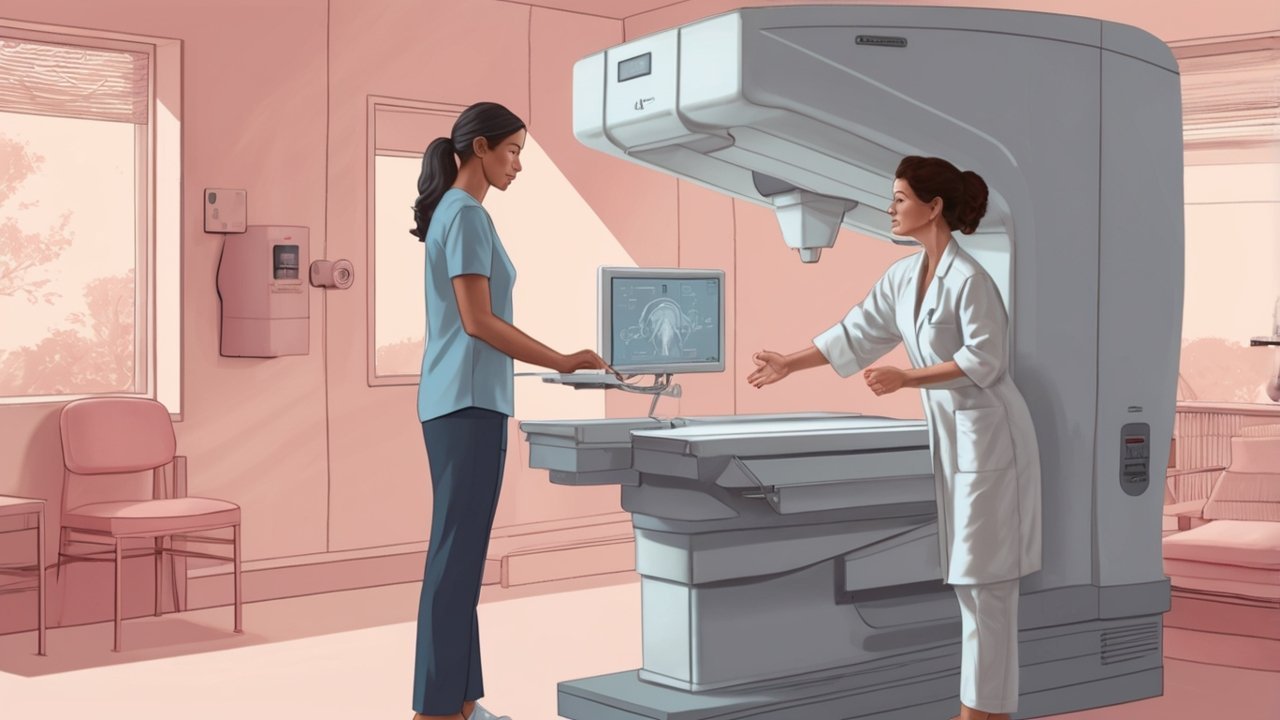
Chapter 4: How to Make Your Final Decision When Choosing a Breast Health Center
After comparing technology, expertise, patient experience, accreditation, and pricing, you’re ready to make your final choice. But how do you confidently identify the breast health center that aligns with your needs, preferences, and long term wellness goals? This chapter gives you a practical decision-making framework, including questions to ask, red flags to watch for, and ways to trust your intuition while staying evidence-based.
Making the final decision is easier when you break it down into clear, manageable steps.
Step 1 — Schedule a Consultation or Pre-Visit Call
Before committing to a breast health center, consider reaching out to ask a few key questions. A short call can reveal a lot about professionalism, communication style, and overall patient support.
Helpful questions to ask:
-
“Do you offer 3D mammography?”
-
“How long does it take to receive results?”
-
“What will my out-of-pocket cost be with my insurance?”
-
“Do your radiologists specialize in breast imaging?”
-
“Is further imaging available on the same day if needed?”
How they respond matters more than the answers alone. A supportive, knowledgeable team welcomes questions and provides clear, respectful explanations. If they seem rushed or dismissive, that may signal the center is not the right fit.
If you want to support your mood, energy, and focus during your research process, this guide may help:
👉 High Protein Diet Guide 2025: Benefits & Meal Plan
Step 2 — Compare Centers Side by Side Using a Simple Scorecard
To avoid overwhelm, create a comparison chart with the most important factors:
| Evaluation Category | Center A | Center B | Center C |
|---|---|---|---|
| Accreditation | Yes/No | Yes/No | Yes/No |
| 3D Mammography | Yes/No | Yes/No | Yes/No |
| Radiologist Expertise | High/Medium/Low | High/Medium/Low | High/Medium/Low |
| Patient Comfort | Rating 1–5 | Rating 1–5 | Rating 1–5 |
| Pricing Transparency | Clear/Unclear | Clear/Unclear | Clear/Unclear |
This scorecard allows you to look beyond marketing claims and compare real factors that influence your health outcomes.
For instance, a slightly longer drive might be worth it if another facility offers superior imaging or specialist radiologists. Your goal is not to choose the closest center but the right center.
For lifestyle habits that support breast health year-round, this internal guide is a helpful companion:
👉 Top Superfoods to Boost Energy and Burn Fat
Step 3 — Identify Any Red Flags Before You Commit
Most breast health centers aim for excellence, but there are warning signs you shouldn’t ignore.
Common red flags include:
-
Outdated imaging technology (only 2D mammography)
-
Vague or evasive pricing
-
Long waits for results with no explanation
-
Negative patterns in online reviews
-
Poor communication or rushed staff
-
Lack of accreditation
-
No breast-specialized radiologists
If even one or two of these issues feel significant, it’s worth looking at another facility. Screening is too important to settle for mediocrity.
If fatigue or low energy make this decision process feel harder than it should, many readers prefer this affordable metabolism support solution, and you can visit the official page for details:
👉 Visit the official page
Step 4 — Consider Your Comfort and Emotional Experience
Clinical quality is essential, but your emotional comfort matters too. Breast screenings can feel vulnerable, so a compassionate, professional environment makes a significant difference.
Ask yourself:
-
Did the staff speak to me respectfully?
-
Did the facility feel clean, calm, and organized?
-
Did I feel rushed or pressured?
-
Did I leave with more clarity or more confusion?
If you felt uneasy or unheard during a pre-visit phone call or during your initial appointment, it may be a sign that this center is not the best match.
To help manage stress and sleep quality before and after screenings, this guide may be helpful:
👉 Yoga Nidra for Sleep
Step 5 — Trust the Combination of Data and Your Intuition
Your choice should be grounded in solid evaluation, but your intuition is part of the process too. When all factors are aligned—quality, comfort, transparency, and expertise—you will usually feel a sense of reassurance.
A good breast health center should give you:
-
Confidence in your imaging
-
Comfort during every visit
-
Clear answers from trained professionals
-
A sense of support, not stress
When both logic and intuition point to the same facility, you’ve likely found the right match.
For additional guidance on building healthier daily habits that support long-term breast wellness, explore this helpful internal resource:
👉 Seasonal Wellness: Natural Tips for Year Round Health
Chapter 5: What to Expect During Your First Visit to a Breast Health Center
Your first visit to a breast health center can feel like a mix of curiosity, uncertainty, and worry—especially if you’re unsure what the process looks like. Understanding what to expect helps you feel more prepared, more at ease, and more confident in taking control of your breast health. This chapter walks you through the entire experience step by step, from preparation to receiving your results, so you can walk in feeling informed and walk out feeling empowered.
Step 1 — Preparing for Your Appointment
Preparation begins before you arrive at the clinic. A little planning can help make your visit smoother and more comfortable.
Here’s how to get ready:
-
Avoid deodorant, lotion, or powders on the day of your mammogram.
-
Wear a two-piece outfit to make changing easier.
-
Bring previous imaging results if you have them.
-
Make a note of recent symptoms or breast changes.
-
Arrive a few minutes early for paperwork and check-in.
These small steps ensure accurate imaging and help your technologist compare previous scans with your new results.
If you want to support your overall daily energy before screenings, many readers prefer this affordable metabolism support solution, and you can visit the official page here:
👉 Visit the official page
Step 2 — Check-In and Meeting Your Technologist
When you arrive at the breast health center, you’ll typically check in at the front desk, confirm your information, and complete a short medical questionnaire. This helps the staff understand your risk factors, hormonal history, and any symptoms you may be experiencing.
A specialized technologist will then greet you and explain the imaging process. Technologists trained in breast imaging know how to reduce discomfort, ensure the correct positioning, and provide clear instructions.
A supportive team can make the experience smoother, especially if you are nervous or experiencing your first screening.
For stress reduction and emotional balance, this internal resource may help:
👉 Yoga Nidra for Sleep: Fall Asleep Faster, Stay Asleep Longer
Step 3 — The Mammogram or Imaging Process
Once you’re ready, the technologist will guide you into the imaging room. The process is straightforward, though you may feel brief pressure as the breast is positioned between compression plates.
What happens during imaging:
-
Each breast is imaged from multiple angles.
-
Compression lasts only a few seconds per image.
-
The technologist ensures you are positioned properly.
-
You can ask for a short break if you feel discomfort.
If your center uses 3D mammography, you’ll benefit from enhanced accuracy and fewer callbacks, thanks to clearer multi-layered images.
Some centers may also offer:
-
Ultrasound for dense breast tissue
-
MRI for high-risk individuals
-
Same-day diagnostic mammograms if needed
The entire process usually takes 15–20 minutes.
If you want to support cardiovascular and metabolic health—important for hormone balance—this internal guide may offer practical advice:
👉 Low Sodium Diet: What to Eat, Avoid & Boost Heart Health
Step 4 — After the Imaging: What Happens Next
Once the imaging is complete, your technologist will let you know when to expect your results. Depending on the breast health center, results may be available:
-
The same day
-
Within 24–48 hours
-
Within a few business days
Diagnostic vs screening results
-
Screening mammogram results typically arrive by email or patient portal.
-
Diagnostic mammogram results are often reviewed immediately with a radiologist.
If anything needs clarification, the center may schedule additional imaging such as targeted ultrasound. This doesn’t automatically mean something is wrong—it simply ensures accuracy.
To stay energized and manage daily fatigue during the waiting process, this internal resource may help:
👉 Mitochondrial Energy Boost
Step 5 — Understanding Your Results With Confidence
When your results arrive, they may include:
-
BI-RADS category (a system that describes findings)
-
Notes about breast density
-
Recommendations for follow-up imaging
-
Any abnormalities needing further evaluation
If something appears unclear or requires additional testing, a good breast health center will explain next steps calmly and professionally.
When you may consider a second opinion:
-
If results feel unclear or rushed
-
If follow-up imaging isn’t explained well
-
If you still feel uncertain after reading the report
Remember that callbacks are common, especially for first-time screenings.
For additional wellness support as you process your results, this internal guide may be helpful:
👉 Seasonal Wellness: Natural Tips for Year Round Health
Step 6 — Your Follow-Up Plan and Staying Consistent
Consistency is key in breast health. The American Cancer Society recommends annual mammograms for most women over 40, though individual needs vary.
A reliable center will help you:
-
Set up reminders
-
Track changes year to year
-
Understand your breast density
-
Build a personalized screening plan
Long-term trust in your chosen center makes it easier to return each year with confidence.

Chapter 6: Understanding Your Imaging Results — BI-RADS, Breast Density, and What It All Means
(600–800 words, SEO optimized, internal links + CTA included)
After your visit to a breast health center, you will receive a detailed imaging report. For many people, this report is the most confusing part of the entire process. Medical terminology, abbreviations, and risk classifications can feel overwhelming, especially if this is your first screening. Knowing how to interpret your results helps you feel informed, confident, and prepared for your next steps.
In this chapter, we break down the key elements of your mammogram or imaging report, including BI-RADS categories, breast density ratings, and what different findings typically mean.
What Is BI-RADS and Why Does It Matter?
BI-RADS, which stands for Breast Imaging Reporting and Data System, is a standardized scoring system used worldwide. It helps radiologists classify findings clearly and consistently so patients and physicians understand the level of concern and recommended follow-up.
Here’s what each BI-RADS category means:
-
BI-RADS 0: Incomplete
More information is required. Additional imaging is needed, often an ultrasound or extra mammogram views. -
BI-RADS 1: Negative
No abnormalities detected. Continue routine screenings. -
BI-RADS 2: Benign
Non-cancerous findings such as cysts or calcifications. No special follow-up needed beyond annual screening. -
BI-RADS 3: Probably Benign
Less than 2 percent chance of cancer. Radiologist may recommend a 6-month follow-up to monitor changes. -
BI-RADS 4: Suspicious Abnormality
A biopsy may be recommended. This does not mean cancer is confirmed—only that additional testing is needed. -
BI-RADS 5: Highly Suggestive of Malignancy
Strong suspicion of cancer. Further diagnostic steps are urgent and necessary. -
BI-RADS 6: Known Malignancy
Confirmed diagnosis. Imaging is used for treatment planning or monitoring.
Understanding your BI-RADS score helps you know whether you can relax and continue routine screenings, or whether you should take action.
For more insight into supporting your daily health during follow-ups, this internal guide may help:
👉 Mitochondrial Energy Boost
Breast Density — What It Means and Why It Matters
Many people are surprised to learn that breast density is also included in their mammogram report. Breast density has nothing to do with firmness or size; it refers to how much fibroglandular tissue vs. fat tissue is inside the breast.
Breast density levels are classified into four types:
-
A: Fatty
Mostly fatty tissue, easier to read. -
B: Scattered Fibroglandular Density
Mostly clear images; some dense areas. -
C: Heterogeneously Dense
Dense tissue may obscure findings. 3D mammography is strongly recommended. -
D: Extremely Dense
Very dense tissue; higher risk of missed abnormalities. Supplemental imaging may be encouraged.
Higher breast density can make it harder for radiologists to detect early signs of cancer, which is why advanced technology like 3D mammography or supplemental ultrasound can be valuable.
If you want to support general wellness and hormone balance (which influences breast density over time), this internal resource offers helpful guidance:
👉 Low Sodium Diet: What to Eat, Avoid & Boost Heart Health
Understanding Common Findings in Your Report
Even when your BI-RADS score is not concerning, you might see unfamiliar terms in your results. Here are a few common ones:
-
Cysts — Fluid-filled sacs, almost always benign.
-
Fibroadenomas — Benign tumors, common in younger women.
-
Calcifications — Calcium deposits; most are harmless, but patterns may require follow-up.
-
Asymmetries — Areas that look different between breasts; often harmless but sometimes monitored.
-
Architectural Distortion — Tissue appears pulled or twisted; may require additional imaging.
These findings sound intimidating, but most are benign. A good breast health center will explain them clearly and help you understand whether any follow-up is needed.
For extra emotional support during this learning process, this sleep and relaxation guide is helpful:
👉 Yoga Nidra for Sleep
When Should You Ask Questions or Seek a Second Opinion?
Even when results are clear, it’s perfectly normal to want reassurance. You should reach out to your radiologist or primary care provider if:
-
Your report includes terms you don’t understand
-
Your BI-RADS category suggests follow-ups
-
You feel unsure about recommended next steps
-
You have a family history of breast cancer
-
Your symptoms don’t match your imaging results
Many breast health centers welcome follow-up conversations. Asking questions is your right, and it helps you stay informed.
For daily health maintenance and metabolic support—especially if fatigue affects your wellbeing during follow-ups—many readers prefer this affordable metabolism support solution, and you can visit the official page here:
👉 Visit the official page
Turning Your Results Into an Actionable Health Plan
Once you understand your BI-RADS score, breast density, and findings, your breast health center will help guide your next steps:
-
Annual mammograms for routine screenings
-
Short-interval follow-up (6 months) for BI-RADS 3
-
Additional imaging for unclear or dense tissue
-
Biopsy scheduling for BI-RADS 4 or 5
-
Genetic testing if you’re high risk
Staying proactive—by maintaining regular screenings, tracking changes, and choosing a center you trust—gives you greater control over your long-term health.
For whole-body wellness support, this internal guide can help build healthier routines throughout the year:
👉 Seasonal Wellness: Natural Tips for Year Round Health
Chapter 7: When Additional Imaging Is Needed — Ultrasound, MRI, and Advanced Options Explained
A mammogram is often the first step in understanding your breast health, but it’s not always the last. Depending on your breast density, symptoms, or BI-RADS score, your breast health center may recommend additional imaging. These tools provide different perspectives that help radiologists evaluate tissue more thoroughly, reduce uncertainty, and ensure early detection when it matters most.
This chapter explains the most common supplemental imaging options—ultrasound, MRI, 3D mammography upgrades, and targeted diagnostic scans—so you know exactly when each one is appropriate and why it could be recommended for you.
Ultrasound — A Closer Look at Dense Breast Tissue
Breast ultrasound uses sound waves instead of radiation, making it a safe and comfortable tool for evaluating areas that appear unclear on a mammogram.
Ultrasound is commonly recommended if:
-
You have dense breast tissue (categories C or D)
-
Your mammogram shows an area that needs clarification
-
You feel a lump that does not appear clearly on the mammogram
-
You are under 40 and need an initial evaluation
Ultrasound excels at distinguishing solid masses from fluid-filled cysts, which is one of the most common questions patients have after receiving their mammogram results.
It also offers a more comfortable experience, which can be reassuring during follow-up visits.
For guidance on supporting your cardiovascular and metabolic wellness—an important part of managing hormone health—this internal guide may help:
👉 Low Sodium Diet: What to Eat, Avoid & Boost Heart Health
MRI — A High-Sensitivity Scan for High-Risk Individuals
Breast MRI uses magnetic fields to generate detailed images and is one of the most sensitive tools available. It’s not routinely used for screening, but it becomes invaluable for people who need deeper investigation.
MRI may be recommended if:
-
You have a strong family history of breast cancer
-
You carry high-risk genetic mutations (such as BRCA1 or BRCA2)
-
Your mammogram or ultrasound reveals unclear findings
-
You have extremely dense breast tissue and require comprehensive evaluation
MRI picks up subtle abnormalities that other imaging methods may miss. However, its sensitivity means it may identify benign findings that require follow-up imaging, which can increase anxiety but is often beneficial for ensuring accuracy.
If you are preparing for an MRI and want help managing sleep or anxiety beforehand, this internal resource may be valuable:
👉 Yoga Nidra for Sleep
3D Mammography Upgrades — When More Detail Makes the Difference
Some breast health centers offer upgraded 3D mammography with enhanced reconstruction, which creates clearer slice-by-slice images. If your initial screening suggests overlapping tissue or subtle shadows, your radiologist may request these enhanced views.
Enhanced 3D imaging is beneficial when:
-
The initial screening mammogram shows ambiguous areas
-
Tissue overlap makes it difficult to interpret results
-
You have dense tissue that obscures traditional views
-
Additional angles are needed to determine if a finding is benign
This step often prevents unnecessary callbacks by giving radiologists more clarity without requiring invasive procedures.
Targeted Diagnostic Mammograms — Precise Evaluation for Specific Areas
Diagnostic mammograms are different from screening mammograms. Instead of taking routine images, they focus on a specific area flagged during your initial screening.
Diagnostic mammograms help radiologists:
-
Zoom in on unclear or asymmetrical tissue
-
Evaluate calcifications in detail
-
Monitor previous findings for stability
-
Rule out potential abnormalities efficiently
This type of imaging is one of the main reasons choosing a skilled breast health center is important. When technologists and radiologists work together, diagnostic imaging becomes faster, more precise, and less stressful.
For a supportive guide on building healthier routines that align with your screening schedule, try this internal article:
👉 Seasonal Wellness: Natural Tips for Year Round Health
When Should You Be Concerned About Additional Imaging?
Getting called back for supplemental imaging does not automatically mean something is wrong. Many callbacks are due to:
-
Dense breast tissue
-
Overlapping tissue
-
Normal variations in breast structure
-
Benign cysts or calcifications
-
Technical factors such as positioning
In fact, the majority of recall findings are benign. Additional imaging is simply part of a thorough evaluation process, designed to ensure nothing is overlooked.
If stress or fatigue makes this process feel overwhelming, many readers prefer this affordable metabolism support solution, and you can visit the official page here:
👉 Visit the official page
What To Expect After Supplemental Imaging
Once your supplemental imaging is complete, radiologists will review the combined findings and determine:
-
Whether everything is stable and normal
-
Whether short-term follow-up (BI-RADS 3) is needed
-
Whether a biopsy is recommended
-
Whether continued annual screening is appropriate
A strong breast health center will walk you through these steps clearly and help you understand exactly what comes next.
Chapter 8: How to Prepare for a Breast Biopsy and What to Expect
Hearing that you need a breast biopsy can feel overwhelming, even when your breast health center reassures you that the procedure is routine. But here’s the truth most people don’t realize: the majority of biopsied findings are benign. A biopsy is simply the most accurate way to confirm whether an abnormality requires further treatment or monitoring.
Understanding what happens before, during, and after a biopsy can ease your anxiety and help you feel in control of your health journey.
Why a Biopsy Is Recommended
A biopsy is suggested when imaging—such as mammography, ultrasound, or MRI—shows an area that needs closer evaluation. This does not automatically mean cancer is present. In fact, many biopsies are performed for findings like:
-
Persistent asymmetries
-
Microcalcifications
-
Suspicious masses
-
Distortions in tissue structure
-
Unclear results after supplemental imaging
A good breast health center will explain exactly why the biopsy is needed and what the radiologists are looking for. Their transparency helps reduce stress and ensures you feel supported throughout the process.
For helpful lifestyle habits that complement a calm, prepared mindset, this guide may be useful:
👉 Seasonal Wellness: Natural Tips for Year Round Health
Types of Breast Biopsies You May Encounter
Depending on your imaging results, your radiologist may recommend one of several biopsy types. Each is designed to target the area of concern with precision.
1. Ultrasound-Guided Core Needle Biopsy
Uses ultrasound to guide the needle directly into the suspicious area. It’s quick, accurate, and minimally invasive.
2. Stereotactic Biopsy
Uses 3D mammography guidance to sample tissue, especially useful for calcifications.
3. MRI-Guided Biopsy
Recommended when MRI identifies areas that can’t be seen clearly on mammograms or ultrasounds.
4. Surgical Biopsy (Less Common)
Used when needle biopsies are not conclusive or when the area is difficult to access.
Most biopsies take 20–40 minutes and require only local anesthesia, meaning you’ll be awake but comfortable.
If you want additional emotional grounding or sleep support before the procedure, try this internal resource:
👉 Yoga Nidra for Sleep
How to Prepare for Your Biopsy Appointment
Preparation helps you feel more confident and ensures smoother results.
Here’s what to do:
-
Eat normally beforehand unless told otherwise
-
Wear a comfortable two-piece outfit
-
Avoid aspirin or blood thinners if your doctor advises
-
Bring prior imaging reports
-
Ask questions so you understand the entire process
Emotionally, it’s normal to feel nervous. Many people find it helpful to bring a friend or family member for support.
If you’re working on supporting daily energy and reducing stress while preparing, many readers prefer this affordable metabolism support solution, and you can visit the official page here:
👉 Visit the official page
What Happens During the Procedure
During the biopsy, your radiologist will guide you through each step:
-
You’ll be positioned comfortably depending on the imaging method.
-
The area will be cleaned and numbed with local anesthesia.
-
A tiny incision is made for the biopsy needle.
-
Several tissue samples are taken (you may hear clicks).
-
A small marker may be placed inside the breast to identify the biopsy site for future imaging.
-
Steri-strips or bandages are applied afterward.
Most people describe the sensation as pressure rather than pain. The entire procedure is designed to be safe, precise, and minimally invasive.
If you want to improve your overall wellbeing for before or after the appointment, this guide may help:
👉 Benefits of Walking Daily
Recovery and Aftercare — What You Should Know
Recovery is usually simple and fast.
Expect the following:
-
Mild soreness for 24–48 hours
-
Possible bruising at the biopsy site
-
Avoid heavy lifting for 1–2 days
-
Over-the-counter pain relief if needed
Your breast health center will give you personalized instructions depending on the biopsy type.
Most people return to normal activities the same day or the next morning.
When You’ll Receive Your Results
Biopsy results typically arrive within 2–5 business days, depending on the center. Your report will classify the tissue as:
-
Benign
-
Atypical (non-cancerous but abnormal cells)
-
Malignant (requires treatment planning)
If something is unclear or requires additional review, your radiologist will explain why. And remember—most biopsy results are benign, especially those following BI-RADS 3 or BI-RADS 4A results.
For support while waiting, you may benefit from this internal resource:
👉 Mitochondrial Energy Boost
When To Consider a Second Opinion
If your results or next steps feel unclear, or if you want reassurance, it’s perfectly acceptable to seek a second opinion. High-quality breast health centers welcome your questions and support you in getting the clarity you need.
Chapter 9: Navigating Treatment, Follow-Up Care, and Long-Term Breast Health Planning
(600–800 words, SEO optimized, with internal links + affiliate CTA)
Whether your biopsy results come back benign or indicate the need for further treatment, the next steps can feel overwhelming. A trustworthy breast health center does more than perform imaging—it becomes a partner in your long-term health plan. Understanding your options, knowing what specialists may be involved, and creating a follow-up strategy helps you move forward with clarity and confidence.
This chapter walks you through what happens after your biopsy, how treatment pathways generally unfold, and how to build a personalized breast health plan that supports your wellbeing for years to come.
If Your Results Are Benign — The Next Steps
Most biopsies lead to benign results, which is excellent news. Even so, your breast health center may recommend:
-
A 6-month follow-up imaging check (common for BI-RADS 3)
-
Annual mammograms moving forward
-
Monitoring any changes in breast density or hormonal patterns
-
Lifestyle improvements that support breast and metabolic health
Benign results still offer valuable insights about your breast tissue, risk factors, and any patterns that should be monitored over time.
To support a more balanced lifestyle as part of your long-term wellness, this guide may help:
👉 Highest Dietary Fiber Foods: A Simple Guide to Better Gut Health
If Your Results Require Further Evaluation — Understanding Your Options
If your biopsy identifies atypical or malignant cells, your care team will guide you through a structured next-step plan. This can include:
-
Additional imaging (MRI or targeted ultrasound)
-
A referral to a breast surgeon
-
Consultation with oncology specialists
-
Genetic testing for hereditary risk factors
-
Multidisciplinary treatment planning
A strong breast health center ensures you aren’t navigating any of this alone. They will walk you through timelines, help you understand medical terms, and coordinate appointments with specialists.
Atypical Cells (Not Cancer, but Abnormal)
Atypical results may increase your lifetime risk, prompting more frequent monitoring or preventive steps.
Early-Stage or Treatable Cancer
Most breast cancers detected through routine screening are early-stage and highly treatable. Your care plan may include surgery, radiation, or targeted therapy depending on your pathology results.
To support emotional balance while processing a diagnosis or next steps, this internal resource may help you settle anxiety and improve rest:
👉 Yoga Nidra for Sleep
Building a Long-Term Breast Health Plan
No matter your results, a long-term plan empowers you to stay proactive. A personalized strategy typically includes:
-
Annual or semi-annual screenings
-
Supplemental imaging if you have dense breast tissue
-
Consistent communication with your radiologist
-
Tracking changes in breast density or hormone patterns
-
Healthy lifestyle habits that reduce inflammation and support hormone balance
Your breast health plan should evolve as your body and medical needs change. Maintaining open communication with your care team ensures your plan stays up to date.
For guidance on forming healthy routines year-round, this internal article can offer structure and inspiration:
👉 Seasonal Wellness: Natural Tips for Year Round Health
The Role of Lifestyle in Supporting Breast Wellness
Lifestyle plays a significant role in long-term breast health. Studies show that diet, exercise, stress levels, and metabolic balance all influence hormone-related pathways.
Helpful habits include:
-
Regular physical activity
-
Balanced meals with whole foods
-
Reduced sugar and sodium intake
-
Mind-body practices to reduce chronic stress
-
Adequate sleep
If you want help improving your daily energy and metabolic stability, many readers prefer this affordable metabolism support solution, and you can visit the official page here:
👉 Visit the official page
Pairing healthy daily choices with consistent screenings offers powerful long-term protection.
When to Seek Support or a Second Opinion
Even with a clear plan, you may feel uncertain at times—which is completely normal. Consider getting a second opinion if:
-
Your diagnosis is complex
-
You feel rushed or unheard
-
You need clarity on treatment options
-
Imaging findings seem inconsistent
-
You want reassurance from another specialist
Most breast health centers encourage second opinions, especially for surgical or oncology decisions. Seeking another perspective can help you feel confident and supported.
Staying Empowered Through Knowledge
Medical decisions can feel heavy, but the more informed you are, the more empowered you become. Learning about imaging results, biopsy types, and treatment options positions you as an active participant in your healthcare—not a passive observer.
And remember: early detection and consistent follow-up care are two of the strongest protective factors for long-term breast health.
To further support your journey, here’s a helpful guide on improving everyday wellbeing:
👉 Benefits of Walking Daily

Chapter 10: Wellness Habits That Support Long-Term Breast Health
Medical screenings give you essential insight into your breast health, but what you do between appointments matters just as much. A strong wellness routine supports hormone balance, metabolic health, inflammation control, and emotional stability—all of which influence long-term breast wellness. The good news is that these habits do not require extreme diets or complicated routines. Small, consistent shifts can create powerful changes.
This chapter outlines practical lifestyle habits that complement your screenings and strengthen the foundation you build with your breast health center year after year.
Nourish Your Body With Balanced, Whole-Food Nutrition
Diet plays a major role in hormone regulation, inflammation levels, and overall metabolic stability. Instead of focusing on restriction, build meals around nutrient-dense foods that support cellular health and balanced energy.
Helpful nutrition habits include:
-
Eating more high-fiber vegetables and fruits
-
Including lean protein at every meal
-
Choosing whole grains over refined carbs
-
Reducing sugar and processed foods
-
Prioritizing omega-3 rich foods like salmon, walnuts, and flaxseeds
Fiber-rich foods support gut health, hormone detoxification, and metabolic balance—three pillars of breast wellness.
For a simple resource on incorporating more fiber into your diet, this guide may help:
👉 Highest Dietary Fiber Foods: A Simple Guide to Better Gut Health
Keep Your Body Moving Daily
Exercise benefits nearly every system in the body. Regular movement reduces inflammation, supports lymphatic flow, balances hormones, and improves mental health. You don’t need intense gym sessions—consistency matters more than intensity.
Great options include:
-
Brisk walking
-
Yoga or Pilates
-
Strength training
-
Cycling
-
Low-impact cardio
Research shows that even 30 minutes of walking per day can reduce multiple chronic disease risks and improve overall wellbeing.
If you’re looking for motivation or ideas to get started, try this internal resource:
👉 Benefits of Walking Daily: 10 Surprising Health Perks
Support Your Metabolic Health and Energy Levels
Metabolic function affects everything from hormonal fluctuations to inflammation and stress resilience. When your metabolism works efficiently, your body handles daily stressors more effectively, giving you better overall wellness between your yearly mammograms.
If you’re looking for a natural support option, many readers prefer this affordable metabolism solution, and you can visit the official page here:
👉 Visit the official page
This can be especially helpful during periods of fatigue, stress, or hormonal imbalance.
Build a Sleep Routine That Supports Hormonal Balance
Sleep is one of the most underrated components of breast wellness. Poor sleep can disrupt hormone cycles, increase cortisol, and impair the body’s ability to repair and detoxify.
Try these habits:
-
Aim for 7–8 hours nightly
-
Reduce screen time before bed
-
Keep your bedroom cool and dark
-
Avoid caffeine late in the day
-
Use calming practices like meditation or breathing exercises
If you struggle with relaxation or nighttime calm, this internal guide offers practical tools:
👉 Yoga Nidra for Sleep: Fall Asleep Faster, Stay Asleep Longer
Manage Stress With Intentional Practices
Chronic stress affects hormones, immune function, sleep, and emotional regulation—all linked to breast health. While stress cannot be eliminated entirely, it can be managed.
Helpful stress-management practices include:
-
Mindfulness or meditation
-
Deep breathing
-
Stretching or gentle yoga
-
Time outdoors
-
Creative hobbies
-
Talking with supportive friends or family
A balanced stress routine improves your ability to make confident health decisions and reduces anxiety during screenings or follow-up appointments.
Stay Consistent With Your Breast Health Screenings
Even the best wellness habits cannot replace the importance of routine imaging. Consistency helps radiologists detect subtle changes early.
Stay proactive by:
-
Booking your annual or semi-annual imaging in advance
-
Using reminders or tracking apps
-
Choosing a breast health center you trust
-
Sharing new symptoms or hormonal changes with your radiologist
Think of your wellness routine and your imaging schedule as partners: the lifestyle habits support your health daily, and your screenings ensure timely medical clarity.
To reinforce a healthier year-round mindset, this seasonal wellness guide may be helpful:
👉 Seasonal Wellness: Natural Tips for Year Round Health
Your Lifestyle and Screening Work Together
Your long-term breast health is shaped by choices you make daily, weekly, and yearly. A trusted breast health center gives you the diagnostic clarity you need, while your wellness habits support your body’s natural balance and resilience.
By pairing quality medical care with consistent wellness routines, you create a holistic approach that strengthens your health from every angle.

Rediscover Balance. Reclaim Joy. Live Healthier — Starting Today.
Feeling overwhelmed, tired, or out of balance lately?
It’s time to slow down and realign your life with habits that truly nurture your body, mind, and soul.
This FREE eBook, Live Smart: 7 Habits for a Healthier, Happier You, reveals simple yet powerful habits to help you:
🌱 Build energy and inner calm
💧 Improve focus and emotional well-being
☀️ Create sustainable routines for long-term health
💚 Feel more joy — naturally and effortlessly
Each chapter guides you through mindful steps, daily reflections, and practical tips that fit easily into your busy life.
👉 Download your FREE copy now and start your journey to a calmer, happier, and more fulfilling life.
Please log in to access your exclusive content.
Don’t have an account? Click the “Register” button below to sign up.
Related Posts