
Daily Sugar Intake: How Much Is Too Much?
How much sugar are you really consuming each day? Most people have no idea how quickly their daily sugar intake adds up—even when they’re not eating sweets. From your morning latte to your favorite salad dressing, sugar hides in plain sight.
Understanding your daily sugar intake is more than just a nutrition trend—it’s a vital step toward better energy, weight control, and long-term health. Excessive sugar consumption has been linked to everything from weight gain to heart disease, making it critical to know how your habits stack up against the recommended sugar intake. The good news? With a few smart swaps, you can reduce your sugar intake without sacrificing taste or convenience.
In this article, we’ll break down how much sugar is too much, where it’s hiding in your diet, and how to make healthier, sustainable changes—starting today.
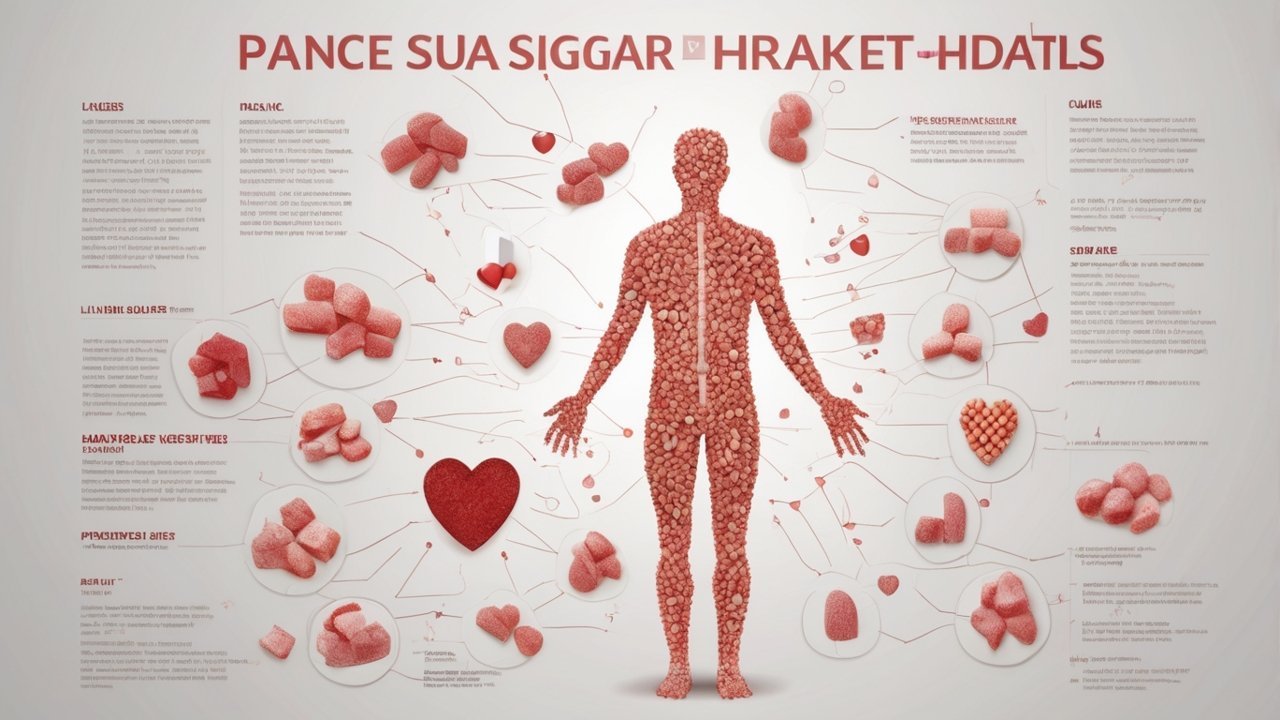
🟨 Chapter 1: Why Your Daily Sugar Intake Matters More Than You Think
🔹 Understanding Daily Sugar Intake: More Than Just a Sweet Tooth Issue
Ever grabbed a smoothie thinking it’s healthy, only to realize it’s packed with more sugar than a can of soda? Your daily sugar intake might be far higher than you think—and that’s not just a diet concern. It’s a long-term health risk.
According to the World Health Organization (WHO), adults should limit added sugar intake to less than 10% of total energy intake per day. That’s roughly 25 grams for most people—yet the average American consumes more than 77 grams daily (Harvard Health, 2023). That’s triple the recommended sugar intake.
So why does this matter? Because excess sugar is linked to chronic conditions like:
-
Type 2 diabetes
-
Heart disease
-
Liver inflammation
-
Cognitive decline
-
Belly fat accumulation
And here’s the kicker—much of it comes from “hidden sugars” in processed foods, sauces, and even “health” products like granola or protein bars.
🔹 How Excess Sugar Affects Your Body—Beyond Weight Gain
Your body processes sugar rapidly, which leads to spikes in blood glucose and insulin. Over time, this rollercoaster effect can:
-
Cause insulin resistance
-
Increase visceral fat (fat stored around organs)
-
Fuel chronic inflammation
-
Lead to mid-day crashes and sugar cravings
📌 Real-Life Story:
Lisa, a 35-year-old teacher, thought she had a balanced diet—until a wellness coach pointed out her “healthy” snacks were loaded with sugar. After tracking her meals, she realized she was consuming 90g/day—more than triple the safe limit. After cutting back, her energy improved, and she lost 8 pounds in two months.
👉 Want to optimize your metabolism like Lisa? Discover this affordable solution today →
🔹 The Recommended Sugar Intake for Men, Women & Children
Here’s a quick breakdown based on guidelines from the American Heart Association (AHA):
| Group | Max Added Sugar/Day |
|---|---|
| Adult Men | 36 grams (9 tsp) |
| Adult Women | 25 grams (6 tsp) |
| Children | 12–25 grams |
🔍 Tip: Don’t just count white sugar—check labels for:
-
High-fructose corn syrup
-
Cane juice
-
Maltodextrin
-
Honey (yes, even natural sugars count)
🧠 Resource: Learn how mitochondrial imbalance from sugar may be silently affecting your energy → Read this guide
🔹 Daily Sugar Intake and Chronic Conditions: What the Research Says
-
Diabetes:
A study published in PubMed (2022) found that consistent high sugar consumption significantly increases risk of insulin resistance and prediabetes, especially in sedentary adults. -
Heart Health:
Harvard Health warns that people who get 17–21% of their calories from added sugar have a 38% higher risk of dying from cardiovascular disease than those who keep intake below 10%.
Want to support healthy blood sugar naturally?
👉 Check this recommended tool here →
🔹 Pros vs Cons: Should You Eliminate Sugar Entirely?
| Pros of Cutting Back | Cons of Going Sugar-Free |
|---|---|
| Stable energy levels | Can be difficult to sustain |
| Improved heart health | May lead to cravings if not balanced |
| Lower risk of diabetes | Social pressure/dining out challenges |
🛠 Best solution? Reduce sugar intake gradually and focus on high-quality, whole foods—not strict elimination.
Need low-sugar recipe ideas?
👉 Try these healthy chicken meals →
🔹 Easy First Steps to Reduce Sugar Intake Without Feeling Deprived
-
Switch soda for infused water
-
Choose unsweetened yogurt
-
Read labels for added sugars
-
Skip sugar in coffee
-
Snack on fruit instead of candy
🎯 Pro tip: Many readers start their sugar-cutting journey using this simple daily gut support →
👉 See pricing and reviews on the official site.
🔹 Want More Help Managing Sugar?
Explore these helpful reads from our blog:
✅ Conclusion: Your Daily Sugar Intake Is Worth Tracking
You don’t need to quit sugar completely—but being mindful of your daily sugar intake can significantly improve your physical and mental well-being. Start small, stay consistent, and use the right tools and support to build healthier habits.
👉 Ready to take control of your energy and weight naturally?
Check the best solution to support sugar balance →
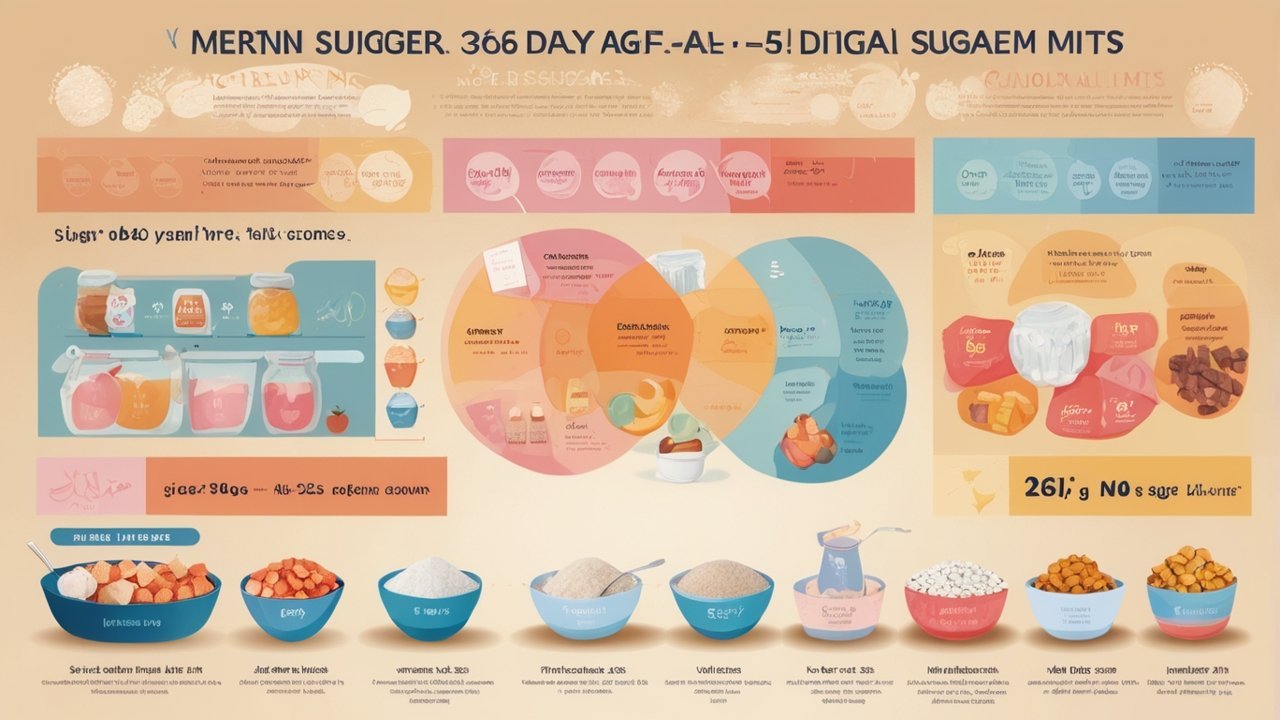
🟨 Chapter 2: Recommended Daily Sugar Intake Guidelines (Based on Science)
🔹 How Much Sugar Should You Really Eat per Day?
When it comes to daily sugar intake, most people underestimate just how much they’re consuming — and how little they actually need. The truth is, your body doesn’t need added sugar at all. It gets all the glucose it needs from healthy carbs like fruits, vegetables, and whole grains.
However, sugar sneaks into nearly everything, from breakfast cereal to ketchup. That’s why health organizations like the World Health Organization (WHO) and the American Heart Association (AHA) have issued clear limits on recommended sugar intake to protect against obesity, diabetes, and heart disease.
According to these guidelines:
-
Adults: No more than 10% of total daily calories from added sugars (ideally less than 5%).
-
Men: About 36 grams (9 teaspoons) per day.
-
Women: About 25 grams (6 teaspoons) per day.
-
Children: Ideally under 20 grams per day.
Even one 12-ounce soda can exceed your full day’s limit — something to think about the next time you reach for that fizzy drink.
👉 Want an easier way to monitor sugar and calories? Check this recommended tool here →
🔹 Why These Sugar Limits Exist
The WHO’s recommendation isn’t arbitrary. Multiple studies, including those published in Harvard Health and PubMed, show a direct correlation between high sugar consumption and increased risk of chronic diseases.
Excess sugar affects:
-
Heart health – raises triglycerides and blood pressure.
-
Liver function – causes fat buildup, leading to non-alcoholic fatty liver disease.
-
Metabolism – increases insulin resistance and hunger hormones.
-
Oral health – fuels bacteria growth leading to tooth decay.
A 2023 Healthline report highlighted that reducing added sugar by just 20% could prevent millions of new diabetes cases globally.
🔹 Understanding “Added” vs. “Natural” Sugars
Not all sugars are created equal.
| Type | Source | Health Impact |
|---|---|---|
| Natural Sugars | Found in fruits, vegetables, and milk | Digested slowly, provides vitamins and fiber |
| Added Sugars | Found in sodas, pastries, processed snacks | Spikes blood sugar, no nutritional value |
So when tracking daily sugar intake, focus on added sugars, not the natural ones found in whole foods.
🧠 Tip: Whole fruits are better than fruit juices — they contain fiber that slows sugar absorption.
🔹 Hidden Sugars: Where Most People Go Wrong
Even if you don’t eat candy or dessert, your diet may still be loaded with “hidden sugars.” These come disguised under names like:
-
Cane juice or molasses
-
Malt syrup
-
Corn syrup solids
-
Dextrose or maltodextrin
-
Agave nectar
Common sources include:
-
Granola bars labeled “healthy”
-
Low-fat yogurts
-
Salad dressings
-
Bread and ketchup
-
Instant oatmeal packets
🧩 Want to clean up your daily diet?
See our complete guide to low-sodium and heart-healthy eating →
🔹 The Role of Age, Gender, and Lifestyle
Not everyone’s sugar tolerance is the same.
-
Athletes or highly active individuals may metabolize sugar faster.
-
Children and sedentary adults should be far more cautious.
-
Post-menopausal women are particularly sensitive to insulin spikes.
A practical rule of thumb: if your lifestyle doesn’t include regular exercise, aim for less than 5% of your total calories from added sugar.
🔹 How to Stay Within the Recommended Sugar Intake
Here’s how to make it manageable:
-
Read labels carefully — anything ending in “-ose” is likely sugar.
-
Avoid sweetened beverages — the #1 source of excess sugar.
-
Cook more at home — sauces and dressings are often hidden sugar bombs.
-
Prioritize fiber-rich foods — fiber slows sugar absorption.
-
Use natural sweeteners like stevia or monk fruit sparingly.
If you struggle with cravings, a gut-balancing supplement can help control hunger and sugar spikes naturally.
👉 Discover this affordable solution today →
🔹 Expert Insight: What Happens When You Cut Sugar
According to Harvard Health researchers, people who reduced added sugar intake by just 30% reported:
-
Better sleep
-
Fewer afternoon energy crashes
-
Improved skin clarity
-
Noticeable fat loss in 4 weeks
Similarly, a 2024 study in PubMed found significant improvements in insulin sensitivity after just 10 days of cutting added sugar from diet — even without changing calorie intake.
Need extra help jumpstarting your metabolism?
👉 See pricing and reviews on the official site.
🔹 Internal Links for Related Reading
To deepen your understanding and build consistent healthy habits:
✅ Takeaway: Small Changes, Big Results
Managing your daily sugar intake isn’t about deprivation—it’s about balance.
By following the recommended sugar intake guidelines, reading labels, and making smart swaps, you’ll not only improve your weight and energy but also reduce your risk of serious health issues down the line.
Remember, the goal isn’t to quit sugar—it’s to control it before it controls you.
💡 Ready to take the next step?
Check this best solution for maintaining healthy sugar balance →
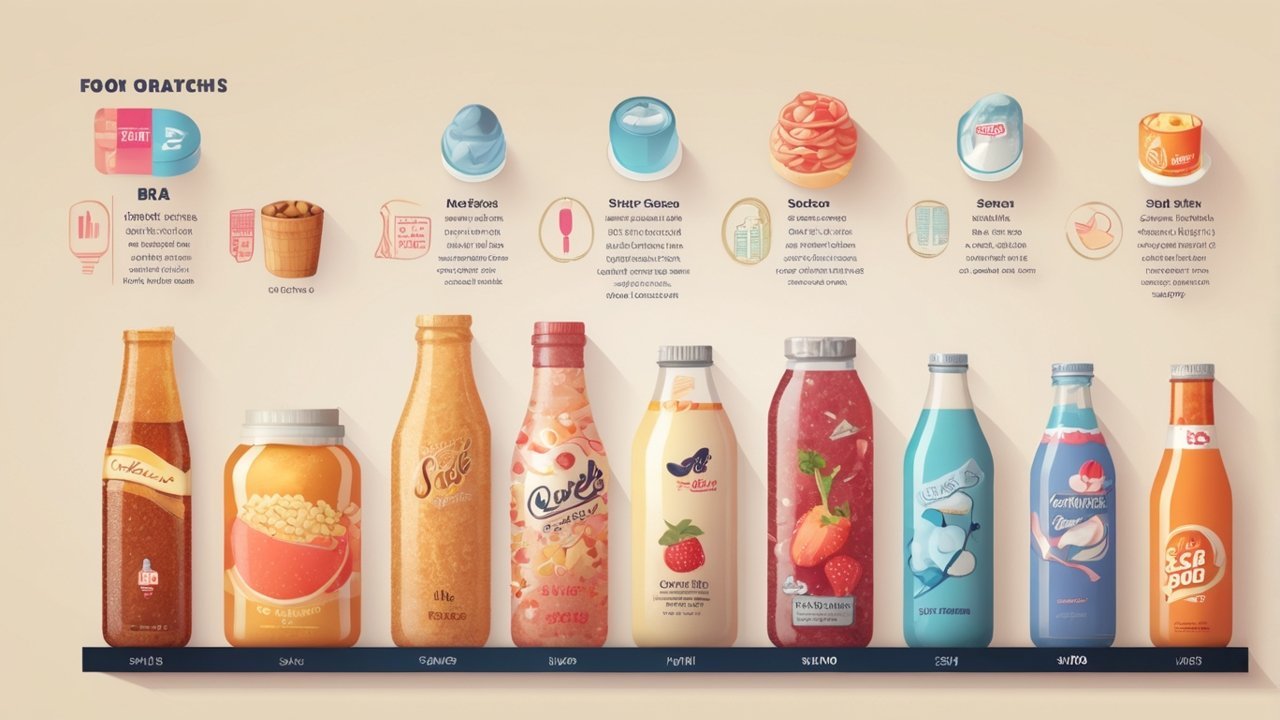
🟨 Chapter 3: Average Sugar Intake — How Much Are People Really Eating?
🔹 The Shocking Truth About Average Daily Sugar Intake
If you think your daily sugar intake is under control, the stats might surprise you.
The average American consumes over 17 teaspoons (≈71 grams) of added sugar per day, according to the CDC (2023). That’s nearly three times the recommended limit for women—and well over the line for men, too.
Globally, the numbers vary but show the same trend: we’re consuming far more sugar than our bodies can handle.
| 🌍 Country | Avg. Daily Sugar Intake |
|---|---|
| United States | 71g (17 tsp) |
| United Kingdom | 58g (≈14 tsp) |
| Australia | 60g |
| Japan | 38g |
| India | 19g (but rising rapidly) |
📌 Note: The WHO recommends a maximum of 25g per day, making most of these numbers alarmingly high.
🧠 Want to understand how sugar affects your fatigue levels?
👉 Read about mitochondrial imbalance and energy loss →
🔹 Where Is All This Sugar Coming From? Hint: It’s Not Just Dessert
One of the biggest reasons average sugar consumption is so high? It’s hiding in everyday foods. Many people don’t realize that sugar is added to foods that don’t even taste sweet.
🍽 Common “Sneaky Sugar” Offenders:
-
Low-fat yogurts
-
Ketchup & BBQ sauce
-
Salad dressings
-
Flavored coffee creamers
-
Packaged cereals and instant oats
-
Bottled smoothies & fruit juices
-
Protein bars labeled “healthy”
📌 Even whole wheat bread can contain 3–4g of added sugar per slice.
Want to go deeper?
👉 Explore the benefits of fibre-based fat blockers in this viral gut health trend →
🔹 Daily Sugar Intake by Age and Gender: Who’s Consuming the Most?
Based on recent data from Harvard Health and Healthline, here’s how sugar intake typically breaks down:
| Demographic | Avg. Sugar Intake |
|---|---|
| Teens (14–18 yrs) | 105g (26 tsp) – highest group |
| Adult Women | 65g (16 tsp) |
| Adult Men | 76g (18 tsp) |
| Children (2–11 yrs) | 50g (12 tsp) |
That means teens are consuming over 4x the recommended amount. And the reason? Sodas, energy drinks, and ultra-processed snacks.
🔹 Real-World Example: The Hidden Sugar Day
Let’s look at a standard “healthy” day and break it down.
Breakfast: Flavored yogurt + granola = 24g
Mid-morning: Protein bar = 18g
Lunch: Sandwich with sauce + sweetened iced tea = 26g
Dinner: Store-bought pasta sauce + dressing = 12g
Total: 80g of sugar — and you didn’t even eat dessert!
👀 You can slash those numbers in half with a few smart swaps.
👉 Check this recommended sugar-balancing supplement here →
🔹 Average Intake vs. Recommended Intake: Why It Matters
❌ Risks of High Sugar Diets:
-
Blood sugar spikes → energy crashes
-
Increased belly fat
-
Higher inflammation levels
-
Risk of insulin resistance
-
Poor sleep and mood swings
✅ Benefits of Staying Within Healthy Limits:
-
More stable energy throughout the day
-
Better metabolic health
-
Lower risk of type 2 diabetes and heart disease
-
Clearer skin and better digestion
💡 It’s not about eliminating sugar — it’s about being informed and intentional.
🔹 How to Beat the Average and Reduce Sugar Intake (Without Going Crazy)
If you want to break out of the average and bring your daily sugar intake back under control, here’s what works:
✅ Simple Strategies to Try Today:
-
Replace soda with sparkling water or unsweetened iced tea
-
Read nutrition labels — aim for products with <5g sugar per serving
-
Use cinnamon or vanilla instead of sugar in coffee/oats
-
Swap sauces for fresh herbs or olive oil blends
-
Plan snacks around fiber and protein
Want a beginner-friendly plan to start eating clean at home?
👉 Try these healthy chicken recipes for fitness →
🔹 Internal Resources to Help You Stay on Track
Explore these helpful reads:
✅ Conclusion: Know the Numbers, Take Back Control
Most people don’t consciously track their daily sugar intake—and the result is a silent creep toward fatigue, belly fat, and chronic disease. But once you know the average numbers and where sugar hides, you’re already ahead of the curve.
No crash diets. No guilt. Just smart awareness and better choices.
💡 Want help kicking sugar and balancing your gut naturally?
👉 Check the best solution to support sugar metabolism →
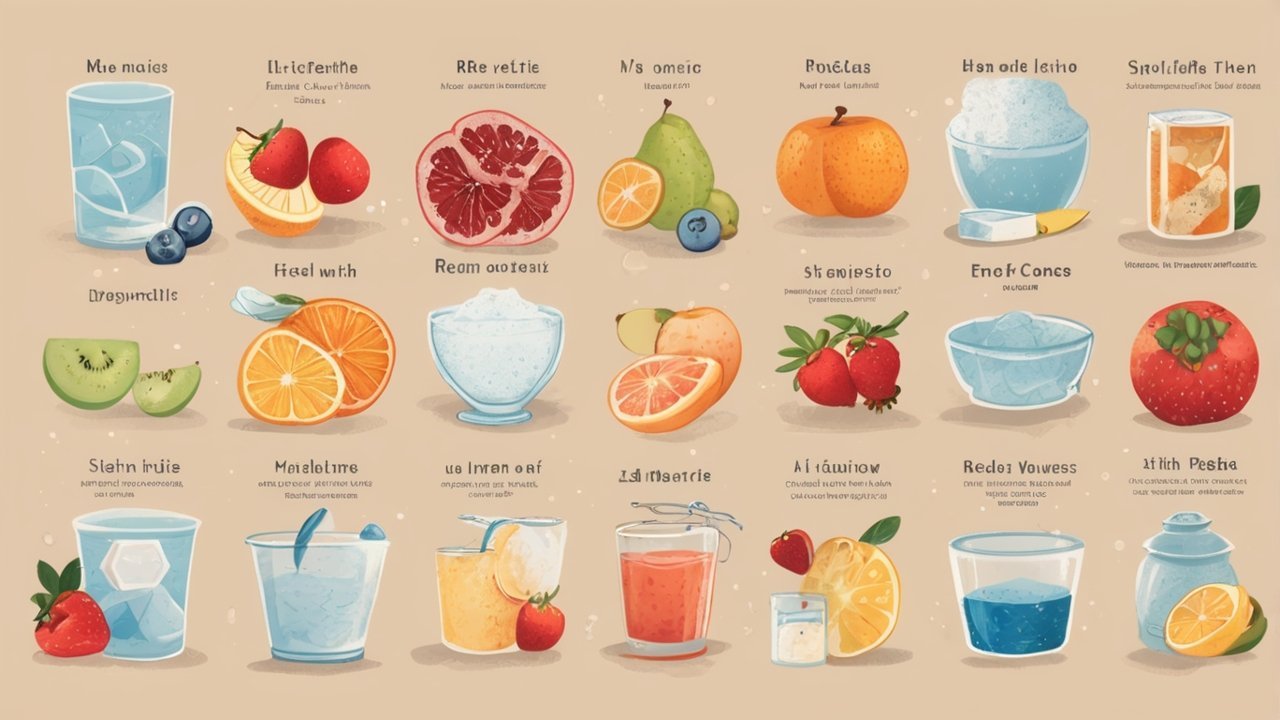
🟨 Chapter 4: How to Reduce Your Daily Sugar Intake — 7 Proven Strategies That Work
🔹 Why Reducing Sugar Doesn’t Mean Giving Up Everything You Love
Let’s be real: cutting sugar isn’t easy.
Sugar is everywhere — in your morning cereal, your “healthy” granola bar, your post-lunch energy drink. And let’s not forget dessert. But the goal isn’t to live like a monk—it’s to reduce sugar intake gradually, so you feel better without feeling deprived.
The rewards are huge:
-
Fewer energy crashes
-
Better digestion
-
Less belly fat
-
Reduced risk of diabetes and heart disease
-
Clearer skin and better sleep
According to Healthline and Harvard Medical School, even a 10–20% drop in added sugar intake can lead to significant health improvements in just weeks.
Ready to take action? Here’s how to start.
🔹 Strategy #1: Identify the Hidden Sugars First
Before you change your diet, figure out where your sugar is coming from. The obvious stuff (cookies, soda) is easy to spot. But hidden sugars in processed foods are sneakier.
✅ Start scanning food labels for:
-
Ingredients ending in “-ose” (like dextrose, sucrose, fructose)
-
Syrups, nectars, and fruit juice concentrates
-
Anything labeled “low-fat” (often means added sugar for flavor)
👉 Need help decoding food labels? Check this recommended tool here →
🔹 Strategy #2: Quit Sugary Beverages (Your Easiest Win)
One 12-oz can of soda = 39 grams of sugar — already over the recommended daily sugar intake.
Even fruit juices and bottled smoothies can pack in 20–30g per serving.
💡 Smart swaps:
-
Sparkling water with lemon or berries
-
Unsweetened iced tea
-
Cold-brew coffee with cinnamon
-
DIY fruit-infused water
👉 Looking for sugar-free energy alternatives?
Read: Caffeine-Free Coke — Benefits, Drawbacks, and Better Alternatives
🔹 Strategy #3: Eat More Whole Foods
The more whole, unprocessed food you eat, the easier it becomes to cut added sugar naturally.
✅ Build meals around:
-
Fresh vegetables and fruits (with fiber)
-
Whole grains like quinoa, oats, brown rice
-
Healthy proteins (chicken, eggs, legumes)
-
Good fats (avocado, nuts, olive oil)
📌 Whole foods = no added sugar, more nutrients, and slower digestion = no crash.
🔹 Strategy #4: Plan Snacks that Actually Satisfy You
Most people overdo sugar between meals. That mid-afternoon slump? It’s a trap.
Instead of grabbing a muffin or candy bar, prep high-protein, high-fiber snacks that fight cravings.
✅ Try:
-
Greek yogurt + chia seeds
-
Apple slices + almond butter
-
Hard-boiled eggs
-
Veggie sticks + hummus
-
Protein bites with no added sugar
👉 Want smart snack swaps?
Discover our top 45 finger food ideas for any time of day →
🔹 Strategy #5: Use Natural Sweeteners (Sparingly)
Craving sweetness? You don’t have to go cold turkey.
✅ Better options:
-
Stevia (zero calorie, plant-based)
-
Monk fruit sweetener (no glycemic impact)
-
Erythritol (no aftertaste, low-calorie)
-
Cinnamon or vanilla for natural flavor
But beware: even natural sweeteners can keep your sweet tooth alive. Use them to transition, not as a crutch.
🔹 Strategy #6: Build a Sugar-Lowering Gut Routine
Your gut microbiome influences cravings and blood sugar control. A healthy gut = fewer sugar spikes and cravings.
Support it with:
-
Fermented foods (kimchi, yogurt, kefir)
-
High-fiber foods (flaxseed, oats, leafy greens)
-
A quality probiotic supplement
💡 A gut-focused formula can be your secret weapon.
👉 See pricing and reviews on this best-selling solution →
🔹 Strategy #7: Replace Habits, Not Just Foods
Sugar is tied to emotion and routine. Breaking the pattern matters just as much as the ingredient list.
📌 Instead of:
-
Dessert after dinner → try herbal tea with cinnamon
-
Rewarding stress with sugar → go for a walk or try breathing exercises
-
Late-night snacking → replace the habit, not just the food
For deep relaxation and stress-eating relief:
👉 Explore Yoga Nidra for Sleep and Stress →
🔹 Internal Links: Tools to Support Your Sugar Reduction Journey
✅ Final Thoughts: It’s About Progress, Not Perfection
You don’t need to be perfect—you just need to be aware.
Small changes add up. Every meal is a new chance to reduce your daily sugar intake, feel better, and take control of your health long-term.
Start where you are. Go step by step. And let the results speak for themselves.
👉 Ready to curb sugar cravings and flatten belly bloat?
Check the best solution to support your gut and sugar metabolism →
🟨 Chapter 5: Sugar and Weight Loss — What You Need to Know
🔹 The Hidden Link Between Sugar and Weight Gain
You might be hitting the gym and eating “low fat,” but if you’re not watching your sugar, you’re missing a massive piece of the weight loss puzzle.
Here’s the reality: sugar and weight loss don’t mix well.
Why? Because sugar directly impacts insulin — your body’s fat storage hormone. When you eat sugar (especially added sugars), your blood glucose spikes, and insulin rushes in to store it — not just in your liver, but in your belly fat.
📊 A 2023 study published in PubMed found that participants who reduced added sugar by just 15% saw measurable drops in visceral fat and waist circumference in under 8 weeks — without major calorie reduction.
🔹 Why Cutting Sugar Triggers Fat Loss (Not Just Water Weight)
Here’s what happens when you lower sugar:
-
🔻 Insulin levels drop → your body burns fat for energy
-
🔻 Cravings decrease → you’re less likely to binge or snack unnecessarily
-
🔻 Inflammation reduces → making weight loss easier and faster
-
🔻 Energy stabilizes → better workouts, better metabolism
💡 Unlike crash diets, reducing sugar doesn’t destroy your metabolism — it supports it.
And for many, it’s the fastest way to reduce belly fat naturally.
👉 Want a shortcut? Check this recommended fat-burning gut solution →
🔹 Real-World Example: The “Low-Fat” Trap
Meet Sarah. She ate low-fat yogurt, fat-free salad dressing, and “skinny” lattes… but wasn’t losing weight.
When she started tracking her daily sugar intake, she discovered she was consuming over 90g per day — all from products labeled “light,” “fit,” or “low-fat.”
After cutting back to under 30g/day, her cravings disappeared. She lost 10 pounds in two months—without increasing her workout load.
📌 The lesson? Don’t just count calories. Count sugar.
🔹 Sugar and Belly Fat: What Science Says
-
A 2022 Harvard Health article confirmed that fructose (common in soda and processed food) is strongly linked to abdominal fat.
-
Another study in The Journal of Clinical Nutrition found that even moderate sugar intake increases liver fat, a direct contributor to insulin resistance and obesity.
Belly fat isn’t just about looks — it’s tied to:
-
Type 2 diabetes
-
Hormonal imbalance
-
Increased cortisol (stress hormone)
-
Cardiovascular risk
👉 Want to target stubborn belly fat?
See pricing and reviews for this natural fat-metabolizer →
🔹 How to Replace Sugar for Better Weight Results
Let’s be clear: you don’t need to quit sugar forever — but you do need a smart strategy.
✅ Replace this → With this:
| High Sugar Food | Fat-Burning Alternative |
|---|---|
| Flavored yogurt | Plain Greek yogurt + berries |
| Soda | Sparkling water + lemon |
| Sugary granola | Chia pudding + nuts |
| Protein bars | Boiled eggs or trail mix |
| Store pasta sauce | Crushed tomato + herbs |
🌿 Want help crafting a low-sugar meal plan?
👉 Try these healthy chicken recipes for fitness →
🔹 Sugar and Weight Loss for Women Over 40
As estrogen drops, women over 40 become more insulin-sensitive, meaning sugar affects them more dramatically.
Even “just a little” added sugar can cause:
-
Stubborn belly fat
-
Hormonal mood swings
-
Cravings that derail progress
-
Slower metabolism
That’s why women in this age group see the best results by focusing on sugar control over calorie cutting.
👉 Learn more about sugar, hormones, and women’s health:
Read: Ozempic Side Effects & Long-Term Risks →
🔹 Internal Resources to Maximize Results
To go further on your weight loss and sugar-balancing journey:
✅ Conclusion: Want to Lose Weight? Start with Sugar.
Forget the “eat less, move more” advice. If you want to see real, lasting results, focus on what really triggers weight gain — sugar.
Cutting sugar reduces belly fat, regulates hormones, and gives you back control of your appetite — all without starvation or over-exercising.
🎯 Want an easy, science-backed way to reduce cravings and burn fat faster?
👉 Check the best solution to support sugar balance and weight loss →

🟨 Chapter 6: Sugar and Chronic Disease — The Hard Truth
🔹 What Your Doctor Might Not Be Telling You About Sugar and Chronic Disease
It’s not just about weight gain or cavities anymore. The real danger of high sugar intake lies in what it does to your long-term health.
Excess sugar is a silent driver of chronic disease — impacting your heart, your brain, your hormones, and even your immune system.
According to Harvard Health Publishing, a high-sugar diet can increase your risk of dying from heart disease by over 30%, even if you’re not overweight. Let that sink in.
🔹 How Sugar Fuels Type 2 Diabetes — And Why It’s Reversible Early On
When you eat a lot of added sugar, your body responds by producing insulin. Over time, too much insulin leads to insulin resistance — the root cause of type 2 diabetes.
📉 What happens:
-
Blood sugar spikes
-
Insulin floods your system
-
Cells stop responding
-
Sugar stays in your bloodstream
-
Your pancreas burns out
-
Boom: prediabetes → diabetes
🔍 A 2022 study published in PubMed found that individuals who reduced added sugar by just 20% over three months saw significant improvements in fasting glucose and insulin sensitivity — even without losing weight.
👉 Want to manage blood sugar naturally?
Check this recommended tool for metabolic health →
🔹 Sugar and Heart Disease: What the Research Shows
Sugar increases triglycerides, raises blood pressure, and contributes to systemic inflammation — all major risk factors for heart disease.
In a landmark study by JAMA Internal Medicine, participants who consumed 17–21% of their calories from added sugar had a 38% higher risk of heart-related death compared to those who kept it under 10%.
Even worse, you don’t need to be overweight to be at risk. Skinny people with high-sugar diets can still have “invisible fat” around organs like the liver and heart — known as TOFI (Thin Outside, Fat Inside).
🔹 The Link Between Sugar and Mental Health
Yes, sugar affects your brain too.
-
📉 Mood swings after blood sugar crashes
-
🧠 Cognitive fog and memory issues from insulin dysregulation
-
😔 Higher risk of depression and anxiety tied to systemic inflammation
In a study cited by Healthline, high sugar intake was linked to a 23% increased risk of clinical depression in adults.
💡 Feeling foggy or down? It might not be stress — it could be what’s on your plate.
👉 Want to support mental clarity and emotional balance naturally?
Discover this affordable gut-brain support solution today →
🔹 Sugar and Inflammation: The Root of It All
Sugar triggers chronic, low-grade inflammation — the underlying cause of:
-
Joint pain
-
Gut disorders
-
Autoimmune disease flare-ups
-
Early aging and skin issues
Your body treats sugar spikes like a mini emergency. Over time, this leads to immune burnout and metabolic dysfunction.
🧠 Learn how mitochondrial energy depletion from sugar overload might be affecting your fatigue →
👉 Read: The Hidden Cause of Fatigue
🔹 Chronic Conditions You Might Not Expect Sugar to Affect
| Condition | Sugar’s Role |
|---|---|
| Alzheimer’s (Type 3 Diabetes) | Insulin resistance in the brain impairs memory |
| PCOS | Sugar worsens hormonal imbalance and insulin issues |
| Non-Alcoholic Fatty Liver | Sugar converts to liver fat faster than fat itself |
| Acne and Skin Aging | Sugar breaks down collagen and promotes breakouts |
| Gut Dysbiosis | Sugar feeds harmful bacteria, disrupting microbiome |
📌 Bottom line: High sugar intake makes your body age faster — from the inside out.
🔹 Internal Resources to Support Disease Prevention
Build a sugar-smart lifestyle with the help of:
✅ Conclusion: Sugar and Chronic Disease — It’s All Connected
It’s not alarmist — it’s factual. The link between sugar and chronic disease is no longer up for debate.
From heart health to mental clarity, cutting back on added sugar is one of the most powerful preventive moves you can make—regardless of age or weight.
And you don’t need to overhaul your life overnight. You just need to start. One decision, one swap, one habit at a time.
👉 Ready to support your body, brain, and metabolism with less sugar?
Check the best solution trusted by thousands →

🟨 Chapter 7: Final Thoughts, Affiliate Disclosure & Disclaimer
✅ Final Thoughts: The Power of Sugar Awareness
You don’t need to follow extreme diets, cut out carbs entirely, or fear fruit to improve your health. The real transformation begins when you understand and control your daily sugar intake.
Whether your goal is:
-
Losing stubborn belly fat
-
Managing blood sugar and hormones
-
Boosting energy and focus
-
Preventing chronic disease
-
Or just feeling better every day…
The first step is reducing added sugar — mindfully, sustainably, and without guilt.
💡 Remember: You’re not alone in this. With the right tools, swaps, and habits, you can reshape your health from the inside out.
👉 Ready to take action?
Check the best gut-balancing and sugar-regulating solution here →
Or explore top reads like:
⚠️ Affiliate Disclosure
This blog contains affiliate links. That means if you click and purchase through those links, I may earn a small commission — at no additional cost to you.
I only recommend tools, supplements, or services that are evidence-based, affordable, and aligned with the values of real health and sustainable results.
Your trust matters — and your success is my goal.
🩺 Medical Disclaimer
This content is for informational and educational purposes only. It is not intended to substitute medical advice, diagnosis, or treatment. Always consult your physician or qualified health provider before making significant changes to your diet, supplementation, or lifestyle — especially if you have an existing medical condition.
✅ Next Steps
If this guide helped you rethink your daily sugar intake, bookmark it, share it with someone who needs it, and explore more tools for living well — naturally.

Rediscover Balance. Reclaim Joy. Live Healthier — Starting Today.
Feeling overwhelmed, tired, or out of balance lately?
It’s time to slow down and realign your life with habits that truly nurture your body, mind, and soul.
This FREE eBook, Live Smart: 7 Habits for a Healthier, Happier You, reveals simple yet powerful habits to help you:
🌱 Build energy and inner calm
💧 Improve focus and emotional well-being
☀️ Create sustainable routines for long-term health
💚 Feel more joy — naturally and effortlessly
Each chapter guides you through mindful steps, daily reflections, and practical tips that fit easily into your busy life.
👉 Download your FREE copy now and start your journey to a calmer, happier, and more fulfilling life.
Please log in to access your exclusive content.
Don’t have an account? Click the “Register” button below to sign up.
Related Posts