Diet Coke vs Zero: Health Differences You Should Know
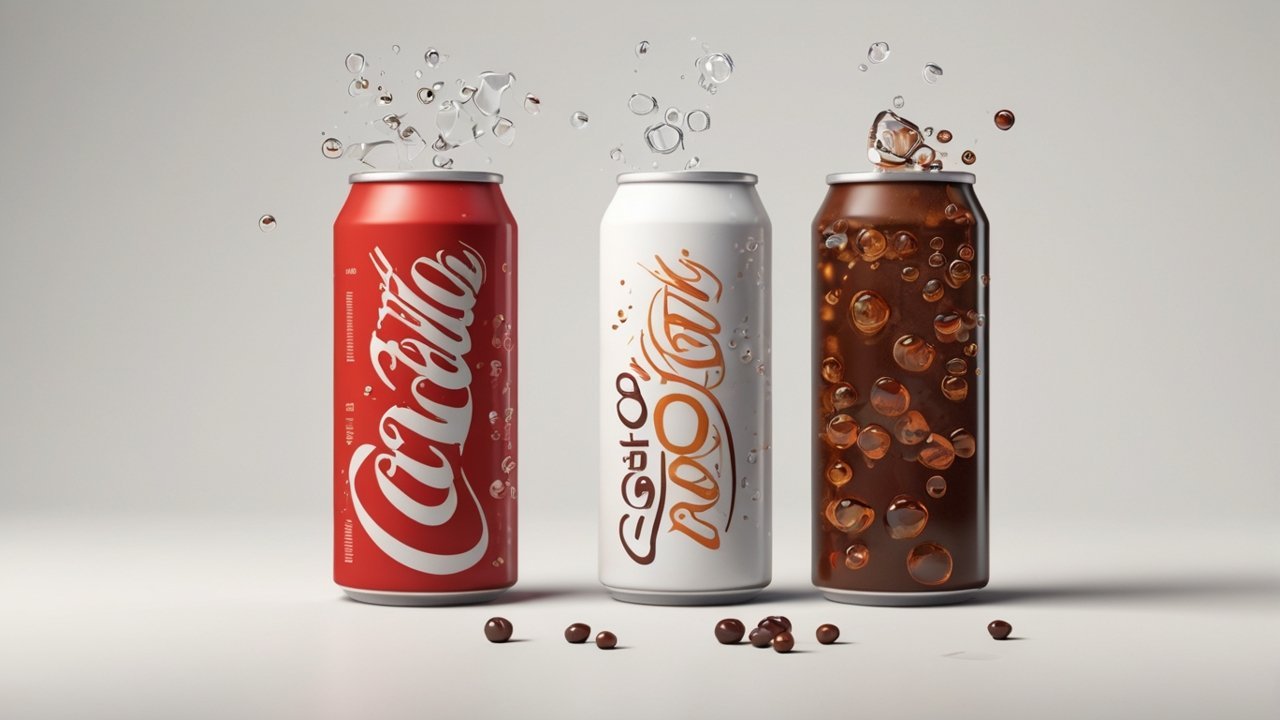
Ever stood in front of the fridge wondering whether Diet Coke vs Coke Zero actually makes a difference, or if it’s just clever branding? You’re not alone. With sugar-free sodas marketed as “better-for-you” options, many people are genuinely confused about which choice is healthier, or whether either one deserves a place in a balanced lifestyle.
The Diet Coke vs Coke Zero debate matters because these drinks are consumed daily by millions who want to cut sugar without sacrificing taste. But behind the zero calories are artificial sweeteners, caffeine, and ingredient differences that can affect your body in subtle ways. From energy levels and cravings to weight management and long-term health concerns, diet sodas raise important questions that go beyond the label.
If you’ve ever asked whether diet soda is actually better for you, how caffeine content compares, or which option aligns best with your health goals, you’re in the right place. In this article, we’ll break down Diet Coke vs Coke Zero using clear facts, nutrition insights, and practical guidance to help you make a more informed choice as we dive into the details below.
Chapter 1: Why the Diet Coke vs Coke Zero Debate Matters for Your Health
Walk into any supermarket or open your fridge, and chances are you’ll see at least one sugar-free soda staring back at you. The ongoing Diet Coke vs Coke Zero debate isn’t just about taste or branding. It reflects a larger shift in how people try to reduce sugar while still enjoying familiar comforts.
With rising concerns about obesity, diabetes, and daily sugar intake, millions of consumers turn to diet sodas as a “better” alternative. But the real question is whether these drinks actually support long-term health or simply replace one problem with another.
Understanding the difference matters because these beverages are often consumed daily, not occasionally. Small choices, repeated over time, can influence energy levels, appetite, gut health, and even sleep quality.
If you’re actively cutting back on sugar, you may also find our guide on daily sugar intake and how much is too much helpful as background reading.
The Rise of Sugar-Free Sodas in Modern Diets
Diet sodas were originally marketed as a solution for people managing weight or blood sugar. Over time, they became mainstream. Today, zero-sugar drinks are positioned as lifestyle-friendly, gym-approved, and even wellness-adjacent.
Why their popularity keeps growing:
-
Increased awareness of sugar’s link to metabolic disease
-
Social pressure to reduce calories
-
Busy lifestyles that favor convenient beverages
In the Diet Coke vs Coke Zero conversation, both products promise zero sugar and minimal calories. Yet they appeal to slightly different audiences, which hints at deeper formulation differences that affect how the body responds.
For readers focused on energy and metabolism, you may also want to explore how mitochondrial energy impacts fatigue and daily performance for broader context.
Are “Zero Sugar” Labels Misleading?
A zero-sugar label can feel reassuring, but it doesn’t tell the full story. Both drinks rely on artificial sweeteners to deliver sweetness without calories. These compounds interact with the body differently than natural sugars.
According to research published in Harvard Health Publishing, artificial sweeteners may influence appetite regulation and cravings, even when calories are absent. Meanwhile, studies indexed on PubMed suggest individual responses vary widely based on gut bacteria, caffeine sensitivity, and metabolic health.
This is where the Diet Coke vs Coke Zero comparison becomes more than marketing. Ingredient choices, caffeine levels, and sweetener combinations can create distinct physiological effects, especially with frequent consumption.
If gut health is one of your concerns, our article on fiber-maxxing and the viral gut health trend offers useful insight into how diet choices affect digestion.
How Caffeine and Sweeteners Shape Daily Habits
One overlooked reason people care about diet sodas is how they fit into daily routines. Many drink them for focus, alertness, or as a replacement for afternoon coffee.
Key factors that influence your experience:
Pros
-
No sugar spikes
-
Convenient caffeine source
-
Familiar taste that helps reduce sugary soda intake
Cons
-
Possible caffeine-related anxiety or sleep disruption
-
Sweeteners may increase cravings in some people
-
Limited nutritional value
If caffeine is a concern, especially later in the day, consider reviewing caffeine-free Coke alternatives and their benefits to better tailor your habits.
Practical Health Takeaways You Can Apply Today
Rather than framing the choice as “good” or “bad,” most health professionals recommend moderation and awareness.
Evidence-based recommendations:
-
Limit diet soda to occasional use, not hydration replacement
-
Avoid drinking it close to bedtime due to caffeine effects
-
Pair consumption with meals to reduce cravings
-
Pay attention to how your body reacts over time
If your goal is weight management or gut balance, some readers explore targeted support tools alongside lifestyle changes. For example, products focused on gut health and metabolism may help support dietary transitions.
👉 Discover this affordable solution today by exploring a gut-focused supplement on the official site:
See pricing and reviews on the official site.
Similarly, those working on metabolic health sometimes look into science-backed fat metabolism support.
👉 See pricing and reviews on the official site for a metabolism-support option here:
Learn more about this recommended tool.
These options are not substitutes for healthy habits but can complement a structured approach when used responsibly.
Setting the Stage for a Deeper Comparison
The popularity of sugar-free sodas isn’t slowing down, and the Diet Coke vs Coke Zero discussion reflects real concerns about long-term health, not just taste preferences. Understanding why people compare them helps clarify what actually matters: ingredients, frequency, and personal tolerance.
In the next section, we’ll break down the exact ingredient differences between Diet Coke and Coke Zero, so you can see what’s really in your glass and how it may affect your body.
References
-
Harvard Health Publishing – Artificial sweeteners and health
-
PubMed – Research on non-nutritive sweeteners and metabolic effects
Internal content context sourced from your health knowledge base

Chapter 2: Diet Coke vs Coke Zero – Key Ingredient Differences Explained
At first glance, Diet Coke and Coke Zero look almost identical on the nutrition label. Both are sugar-free, calorie-free, and marketed as smarter alternatives to regular soda. But when you dig into the ingredient list, the Diet Coke vs Coke Zero comparison reveals meaningful differences that can influence taste, caffeine intake, and even how your body responds over time.
Understanding these differences helps you make a more informed choice, especially if you drink diet soda regularly rather than as an occasional treat.
Ingredient Breakdown – What’s Actually Inside Each Can?
While the branding is different, both drinks share a similar base. However, small formulation changes matter.
Common ingredients in both drinks:
-
Carbonated water
-
Caramel color
-
Phosphoric acid
-
Natural flavors
-
Caffeine
Where they differ is mainly in sweetener composition and flavor design.
Diet Coke relies primarily on aspartame for sweetness. Coke Zero uses a blend of aspartame and acesulfame potassium (Ace-K) to more closely mimic the taste of original Coca-Cola.
This distinction is central to the Diet Coke vs Coke Zero discussion because different sweeteners can affect taste perception, cravings, and digestive response.
Aspartame vs Acesulfame Potassium – What’s the Difference?
Artificial sweeteners are among the most debated ingredients in modern nutrition. Both aspartame and Ace-K are approved by major regulatory agencies, but they behave differently in the body.
Aspartame (Diet Coke):
-
Roughly 200 times sweeter than sugar
-
Metabolized into amino acids and methanol in small amounts
-
Sensitive to heat and storage conditions
Acesulfame Potassium (Coke Zero):
-
Roughly 200 times sweeter than sugar
-
Not metabolized, passes through the body unchanged
-
Often combined with other sweeteners to reduce aftertaste
According to Harvard Health Publishing, artificial sweeteners may influence appetite regulation and sweetness preference, especially with frequent exposure. Research indexed on PubMed also suggests that combining sweeteners, as Coke Zero does, may intensify sweetness perception and potentially affect cravings in some individuals.
If gut health is a priority for you, this may be relevant alongside broader dietary habits discussed in our guide to highest dietary fiber foods for better gut health.
Flavor Design – Why They Don’t Taste the Same
Many people assume Coke Zero is simply Diet Coke with different branding. That’s not true.
Diet Coke was originally designed as a stand-alone product with a lighter, crisper taste profile. Coke Zero, on the other hand, was formulated specifically to replicate the flavor of classic Coca-Cola without sugar.
In the Diet Coke vs Coke Zero comparison, taste preference often drives consumption frequency. And frequency matters more than the occasional ingredient difference.
A drink you enjoy more is one you’re more likely to consume daily.
Caffeine Content – A Subtle but Important Difference
Caffeine is another factor that separates these two drinks.
-
Diet Coke generally contains slightly more caffeine per serving
-
Coke Zero usually has marginally less, depending on region
For people sensitive to caffeine, even small differences can affect:
-
Sleep quality
-
Anxiety levels
-
Heart rate
If you’re trying to reduce stimulant intake, our breakdown of caffeine-free Coke benefits and drawbacks may offer useful alternatives.
Pros and Cons from a Health Perspective
Here’s a balanced view of the Diet Coke vs Coke Zero ingredient differences:
Potential Pros
-
Zero sugar and calories
-
No blood sugar spike
-
Convenient replacement for sugary soda
Potential Cons
-
Artificial sweeteners may increase cravings in some people
-
Phosphoric acid can affect dental health with frequent exposure
-
No nutritional value or hydration benefit
For readers focused on sustainable weight or metabolic health, ingredient awareness is only part of the picture. Supporting your body with nutrient-dense foods and lifestyle habits matters far more.
Some readers also explore complementary tools to support gut balance during dietary transitions.
👉 Discover this affordable solution today for gut-focused support:
See pricing and reviews on the official site.
Others looking at metabolic efficiency may research targeted support options.
👉 Learn more about this recommended tool here:
See pricing and reviews on the official site.
These are optional additions, not replacements for healthy routines.
What These Differences Mean for Everyday Drinkers
The key takeaway isn’t that one drink is universally better. It’s that Diet Coke vs Coke Zero comes down to how often you drink them, how sensitive you are to caffeine and sweeteners, and whether these beverages support or replace healthier habits.
If you’re drinking multiple cans daily, ingredient differences become more relevant. If consumption is occasional, the impact is likely minimal for most healthy adults.
Transition to the Next Comparison
Now that you understand how Diet Coke and Coke Zero differ in ingredients, sweeteners, and caffeine, the next question is unavoidable: how do these differences actually affect your health over time?
In the next chapter, we’ll examine the real health effects, including weight management, cravings, gut response, and long-term considerations backed by research.
References
-
Harvard Health Publishing – Artificial sweeteners and health effects
-
PubMed – Studies on aspartame, acesulfame potassium, and metabolic response
Internal content context sourced from your health knowledge base

Chapter 3: Diet Coke vs Coke Zero – Caffeine and Its Effects on Your Body
For many people, diet soda isn’t just about cutting sugar. It’s also about staying alert. Caffeine plays a quiet but important role in the Diet Coke vs Coke Zero debate, especially for those who rely on these drinks as an energy boost during long workdays or afternoon slumps.
While both beverages contain caffeine, the amount and timing of intake can influence how your body responds, from focus and productivity to sleep quality and stress levels.
How Much Caffeine Is in Diet Coke vs Coke Zero?
Although the difference is small, it’s real.
-
Diet Coke typically contains slightly more caffeine per can
-
Coke Zero usually contains a bit less, depending on region and formulation
For most healthy adults, moderate caffeine intake is considered safe. According to Harvard Health Publishing, up to 400 mg per day is generally acceptable. However, tolerance varies widely.
In the Diet Coke vs Coke Zero comparison, that small caffeine gap may matter if:
-
You drink multiple cans per day
-
You’re sensitive to stimulants
-
You consume other caffeine sources like coffee or pre-workout drinks
If you’re actively trying to reduce stimulant intake, you may find it useful to review caffeine-free Coke options and their benefits and drawbacks for practical alternatives.
Caffeine’s Impact on Energy, Focus, and Mood
Caffeine works by blocking adenosine, a neurotransmitter that promotes sleepiness. This can temporarily increase alertness, reaction time, and perceived energy.
Potential benefits:
-
Improved focus and mental clarity
-
Short-term energy boost
-
Enhanced physical performance
Possible downsides:
-
Jitters or restlessness
-
Increased anxiety
-
Energy crashes later in the day
Research indexed on PubMed suggests that frequent caffeine intake can lead to tolerance, meaning you may need more over time to feel the same effect. This is where diet sodas can quietly shift from an occasional aid to a daily dependency.
Sleep Disruption – The Hidden Cost of Late-Day Diet Soda
One of the most overlooked effects of caffeine is how long it stays active in your system. Caffeine has a half-life of roughly 5–6 hours, meaning a late afternoon Diet Coke can still affect sleep quality at night.
In the Diet Coke vs Coke Zero context, people who drink these beverages after lunch often report:
-
Difficulty falling asleep
-
Lighter, less restorative sleep
-
Morning fatigue despite “enough” hours in bed
Poor sleep doesn’t just affect mood. It’s linked to appetite dysregulation, cravings, and reduced insulin sensitivity. If sleep quality is a concern, consider non-caffeinated strategies like those outlined in our guide to Yoga Nidra for falling asleep faster and staying asleep longer.
Caffeine, Stress, and Hormonal Response
Caffeine stimulates the release of cortisol, the body’s primary stress hormone. While this response can be helpful short-term, chronic stimulation may contribute to feelings of tension or burnout in sensitive individuals.
People most affected tend to be:
-
Those with anxiety disorders
-
Individuals under chronic stress
-
People with irregular sleep schedules
If you’ve noticed that diet soda increases nervousness or heart palpitations, it may not be the sweeteners alone. Caffeine could be the primary driver.
For readers dealing with ongoing fatigue or low energy despite caffeine use, our article on mitochondrial imbalance and hidden causes of fatigue provides deeper insight into why stimulants aren’t always the solution.
Caffeine and Appetite – Does It Affect Cravings?
Caffeine can temporarily suppress appetite, which is one reason diet sodas are popular during weight-loss phases. However, the effect is short-lived.
According to Healthline and Harvard Health, caffeine may:
-
Delay hunger briefly
-
Increase cravings once it wears off
-
Mask underlying fatigue or dehydration
In the Diet Coke vs Coke Zero debate, neither drink offers a long-term appetite-regulating benefit. Relying on caffeine instead of balanced meals often backfires, leading to overeating later in the day.
Supporting your body with fiber, protein, and hydration is far more effective. Our breakdown of top superfoods to boost energy and burn fat may help you build more sustainable habits.
Practical Recommendations for Caffeine-Smart Consumption
If you choose to drink Diet Coke or Coke Zero, small adjustments can reduce unwanted side effects:
-
Limit intake to earlier in the day
-
Avoid stacking with coffee or energy drinks
-
Drink water alongside diet soda
-
Take caffeine-free days to reset sensitivity
Some readers exploring energy and gut balance also look into supportive tools during dietary transitions.
👉 Discover this affordable solution today for gut-focused support:
See pricing and reviews on the official site.
Others addressing low energy without relying on stimulants explore metabolic support options.
👉 Learn more about this recommended tool here:
See pricing and reviews on the official site.
caffeine-free Coke alternatives
fall asleep faster and stay asleep longer
These options are meant to complement healthy routines, not replace sleep or nutrition.
What Caffeine Means in the Bigger Picture
Ultimately, caffeine isn’t inherently bad. The issue is how often and why it’s used. In the Diet Coke vs Coke Zero discussion, caffeine can tip the scale for people sensitive to stimulants or struggling with sleep and stress.
Understanding your personal response is more important than choosing a “winner” on the label.
Transition to the Next Chapter
Now that we’ve explored how caffeine in Diet Coke and Coke Zero affects energy, sleep, and cravings, the next logical question is how these drinks influence weight management and long-term health outcomes.
In the next chapter, we’ll examine diet soda’s role in weight loss, appetite control, and metabolic health, separating popular myths from evidence-based reality.
References
-
Harvard Health Publishing – Caffeine and health effects
-
PubMed – Studies on caffeine, cortisol, and sleep
-
Healthline – Caffeine and appetite regulation
Internal content context sourced from your health knowledge base

Chapter 4: Diet Coke vs Coke Zero for Weight Loss and Metabolic Health
One of the biggest reasons people choose sugar-free soda is weight control. If you’re trying to lose fat, manage calories, or avoid blood sugar spikes, the Diet Coke vs Coke Zero comparison feels especially relevant. After all, both drinks promise zero sugar and zero calories. But does that automatically make them helpful for weight loss?
The answer is more nuanced than most labels suggest.
Do Diet Sodas Actually Help with Weight Loss?
At a surface level, replacing sugary soda with a zero-calorie alternative can reduce daily calorie intake. That’s the primary benefit.
Potential short-term advantages:
-
Fewer liquid calories
-
No direct blood sugar spike
-
Easier transition away from regular soda
However, research shows that calorie reduction alone doesn’t guarantee fat loss. According to studies referenced by Harvard Health Publishing and PubMed, long-term weight outcomes depend heavily on appetite regulation, insulin sensitivity, and eating behavior.
In the Diet Coke vs Coke Zero debate, neither drink directly supports fat loss. They only help if they replace higher-calorie beverages without triggering compensatory eating later.
Artificial Sweeteners and Appetite Regulation
One of the most debated issues with diet soda is its effect on hunger and cravings. Artificial sweeteners activate sweet taste receptors without delivering energy, which can confuse appetite signals in some people.
Research published in Healthline notes that artificial sweeteners may:
-
Increase cravings for sweet foods
-
Disrupt hunger cues
-
Encourage overeating later in the day
This doesn’t happen to everyone, but it’s common enough to matter.
If you notice that drinking Diet Coke or Coke Zero makes you want snacks shortly afterward, that’s a signal worth paying attention to. In the Diet Coke vs Coke Zero context, the combination of sweeteners in Coke Zero may feel more “satisfying” to some people, while others find Diet Coke less craving-triggering.
Individual response matters more than the label.
The Insulin and Blood Sugar Question
Although diet sodas don’t contain sugar, some studies suggest artificial sweeteners may still influence insulin response indirectly.
Possible mechanisms include:
-
Altered gut microbiota
-
Conditioned insulin release
-
Increased glucose intolerance in susceptible individuals
A PubMed-indexed study found that frequent consumption of artificial sweeteners may affect glucose metabolism in certain populations, particularly those already insulin-resistant.
If blood sugar balance is a concern, our guide to diabetes management guidelines and what to know provides a deeper framework for making beverage choices within a metabolic health plan.
Diet Soda and Belly Fat – Is There a Link?
Some observational studies have linked heavy diet soda consumption to increased waist circumference over time. Importantly, this does not prove causation, but it does suggest a pattern.
Possible explanations include:
-
Diet soda users compensating with more food
-
Higher stress and sleep disruption from caffeine
-
Association with ultra-processed diets
In the Diet Coke vs Coke Zero comparison, the difference is not dramatic enough to change this risk. Frequency and overall diet quality matter far more.
If fat loss is your goal, focusing on movement and whole foods is more impactful. You may find our practical guide to tummy fat loss exercises you can do at home useful alongside dietary adjustments.
Can Diet Coke or Coke Zero Fit into a Weight-Loss Plan?
Yes, but with boundaries.
More helpful when:
-
Used occasionally, not daily
-
Replacing sugary soda, not water
-
Consumed with meals, not alone
Less helpful when:
-
Used as a hunger suppressant
-
Drunk multiple times per day
-
Paired with poor sleep and high stress
In the Diet Coke vs Coke Zero discussion, neither drink should be viewed as a weight-loss tool. They’re better seen as transitional aids for people reducing sugar dependence.
Supporting Weight Loss Beyond Diet Soda
Sustainable fat loss comes from improving metabolic health, not just cutting calories. Many readers look beyond beverages and focus on gut health, fiber intake, and energy balance.
For example, increasing dietary fiber can improve satiety and blood sugar control. Our article on highest dietary fiber foods for better gut health breaks this down in a practical way.
Some people also explore targeted gut support as part of a broader lifestyle approach.
👉 Discover this affordable solution today for gut-focused weight support:
See pricing and reviews on the official site.
Others focusing on metabolic efficiency explore additional tools alongside diet and exercise.
👉 Learn more about this recommended tool here:
See pricing and reviews on the official site.
tummy fat loss exercises you can do at home
top superfoods to boost energy
These options are not shortcuts, but they may support consistency when paired with healthy habits.
Practical Weight-Loss Takeaways
If weight management is your goal, keep these evidence-based points in mind:
-
Diet soda is better than sugary soda, but not better than water
-
Monitor how artificial sweeteners affect your appetite
-
Prioritize sleep, protein, fiber, and movement
-
Use diet soda strategically, not habitually
In the Diet Coke vs Coke Zero comparison, the “healthier” choice is the one that supports better eating behavior for you personally.
Transition to the Next Chapter
Now that we’ve explored how Diet Coke and Coke Zero influence weight, appetite, and metabolism, the final question remains: what are the long-term health risks and benefits of drinking them regularly?
In the next chapter, we’ll look at long-term safety, gut health, bone health, and overall wellness to help you decide how these drinks fit into a healthy lifestyle.
References
-
Harvard Health Publishing – Diet soda and weight management
-
PubMed – Artificial sweeteners and metabolic effects
-
Healthline – Diet soda, appetite, and cravings
Internal content context sourced from your health knowledge base

Chapter 5: Diet Coke vs Coke Zero – Long-Term Health Risks and Safety
After looking at ingredients, caffeine, and weight management, the final and most important question remains: what happens if you drink Diet Coke or Coke Zero regularly for years? The long-term safety discussion is where the Diet Coke vs Coke Zero debate becomes less about preference and more about overall lifestyle impact.
While both drinks are considered safe by regulatory agencies, “safe” does not always mean optimal for long-term health.
What Long-Term Research Says About Diet Sodas
Major health organizations agree that artificial sweeteners approved for use are safe within acceptable daily intake levels. According to Harvard Health Publishing and multiple PubMed reviews, moderate consumption of diet soda is unlikely to cause direct harm in healthy adults.
However, long-term observational studies associate high intake of diet sodas with:
-
Increased cardiometabolic risk markers
-
Higher likelihood of insulin resistance
-
Greater waist circumference over time
It’s important to note that association does not equal causation. People who consume large amounts of diet soda often have other lifestyle factors at play, including poor diet quality, low physical activity, or chronic stress.
In the Diet Coke vs Coke Zero comparison, neither drink shows a clear long-term advantage in safety when consumed excessively.
Gut Health and Artificial Sweeteners
One of the most active research areas involves gut microbiota. Some studies suggest artificial sweeteners may alter gut bacteria composition, potentially affecting glucose metabolism and inflammation in certain individuals.
Key points to understand:
-
Effects vary significantly from person to person
-
Occasional consumption appears low risk
-
Heavy, daily intake may matter more
If digestive discomfort, bloating, or irregular appetite is an issue, diet soda may be a contributing factor. Supporting gut health through fiber intake and whole foods is far more impactful than eliminating a single beverage.
You may find our deep dive on probiotics for bloating and gas helpful if digestion is a recurring concern.
Bone Health, Teeth, and Acidity Concerns
Both Diet Coke and Coke Zero contain phosphoric acid, which gives cola its sharp taste. Over time, frequent exposure to acidic drinks may affect dental enamel.
Potential concerns include:
-
Increased risk of enamel erosion
-
Tooth sensitivity
-
Higher cavity risk without proper oral care
Some studies have explored possible links between cola consumption and reduced bone mineral density, particularly in women. While evidence is mixed, most experts agree moderation and adequate calcium intake are key.
If you’re focused on long-term wellness, balancing acidic drinks with nutrient-rich foods matters more than eliminating them entirely.
Cardiovascular Health and Stroke Risk
Some large cohort studies have linked heavy diet soda consumption with increased stroke and heart disease risk. Again, these are correlations, not proof of direct causation.
Possible contributing factors include:
-
Caffeine-related blood pressure effects
-
Disrupted appetite regulation
-
Overall dietary patterns associated with ultra-processed foods
For readers prioritizing heart health, our practical guide to stroke prevention and lowering risk offers broader lifestyle strategies that go well beyond beverage choices.
Diet Coke vs Coke Zero – Is One Safer Long Term?
From a scientific standpoint, the answer is straightforward: there is no strong evidence that one is significantly safer than the other.
The deciding factors are:
-
Frequency of consumption
-
Individual sensitivity to caffeine or sweeteners
-
Overall diet quality
-
Sleep and stress management
In the Diet Coke vs Coke Zero conversation, moderation outweighs brand differences every time.
Healthier Long-Term Alternatives to Consider
If diet soda has become a daily habit, gradual replacement is often more realistic than quitting abruptly.
Better long-term options include:
-
Sparkling water with citrus or herbs
-
Unsweetened iced tea
-
Infused water
-
Occasional caffeine-free soda
Our article on low-sodium diets and heart health also provides helpful beverage guidance for long-term wellness.
Some readers exploring long-term metabolic and digestive health also look into supportive tools as part of a broader lifestyle shift.
👉 Discover this affordable solution today for gut-focused daily support:
See pricing and reviews on the official site.
Others working on metabolic balance and energy consistency explore additional options.
👉 Learn more about this recommended tool here:
See pricing and reviews on the official site.
probiotics for bloating and gas
These are optional complements, not substitutes for healthy habits.
Evidence-Based Long-Term Takeaways
To put it simply:
-
Diet soda is safer than sugary soda
-
Occasional use is unlikely to cause harm
-
Daily, high intake may contribute to broader health issues
-
Water and minimally processed drinks remain the gold standard
In the Diet Coke vs Coke Zero decision, the healthiest choice is the one that supports better habits, not just fewer calories.
Transition to Final Verdict
Now that we’ve examined ingredients, caffeine, weight effects, and long-term health considerations, it’s time to bring everything together.
In the final section, we’ll summarize the key findings, answer common reader questions, and help you decide how Diet Coke or Coke Zero fits into a healthy lifestyle—if at all.
References
-
Harvard Health Publishing – Diet soda and long-term health
-
PubMed – Artificial sweeteners, gut health, and cardiometabolic risk
-
Healthline – Diet soda safety overview
Internal content context sourced from your health knowledge base

Final Verdict: Diet Coke vs Coke Zero — Which Should You Choose?
After breaking down ingredients, caffeine content, weight-loss impact, and long-term health considerations, one thing becomes clear: the Diet Coke vs Coke Zero debate doesn’t have a universal winner.
From a nutritional and safety standpoint, neither drink is meaningfully healthier than the other. Both are sugar-free, calorie-free, and considered safe in moderation. The real difference lies in formulation and personal response. Diet Coke contains slightly more caffeine and relies on aspartame alone, while Coke Zero uses a blend of sweeteners designed to mimic the taste of regular Coke more closely.
What matters most is how often you drink them and why.
If diet soda helps you transition away from sugary beverages, occasional use can be a practical step in the right direction. However, when consumed daily or used to suppress hunger or replace water, even zero-calorie drinks can work against long-term health goals. Research consistently shows that habits, sleep quality, stress levels, and overall diet quality have a far greater impact than the choice between two diet sodas.
Practical takeaway:
-
Drink either option occasionally, not habitually
-
Avoid late-day consumption due to caffeine
-
Pay attention to cravings, digestion, and sleep
-
Prioritize water, whole foods, fiber, and protein
For readers working on gut balance or metabolic health as part of a broader lifestyle reset, some choose to pair dietary changes with additional support.
👉 Discover this affordable solution today for gut-focused daily support:
See pricing and reviews on the official site.
Others exploring energy and metabolic consistency sometimes research targeted tools alongside nutrition and movement.
👉 Learn more about this recommended tool here:
See pricing and reviews on the official site.
These are optional complements, not substitutes for healthy habits.
In the end, the healthiest choice in the Diet Coke vs Coke Zero comparison is the one that supports better routines, not just fewer calories.
Affiliate Disclosure
This article contains affiliate links. If you purchase through these links, we may earn a small commission at no additional cost to you. This helps support our website and allows us to continue publishing evidence-based health content.
Disclaimer
This content is for informational purposes only and does not constitute medical advice. It is not intended to diagnose, treat, cure, or prevent any disease. Always consult a qualified healthcare professional before making changes to your diet, supplements, or lifestyle.

Rediscover Balance. Reclaim Joy. Live Healthier — Starting Today.
Feeling overwhelmed, tired, or out of balance lately?
It’s time to slow down and realign your life with habits that truly nurture your body, mind, and soul.
This FREE eBook, Live Smart: 7 Habits for a Healthier, Happier You, reveals simple yet powerful habits to help you:
🌱 Build energy and inner calm
💧 Improve focus and emotional well-being
☀️ Create sustainable routines for long-term health
💚 Feel more joy — naturally and effortlessly
Each chapter guides you through mindful steps, daily reflections, and practical tips that fit easily into your busy life.
👉 Download your FREE copy now and start your journey to a calmer, happier, and more fulfilling life.
Please log in to access your exclusive content.
Don’t have an account? Click the “Register” button below to sign up.
Related Posts