Digestive System Health: 15 Proven Ways to Improve Gut Naturally
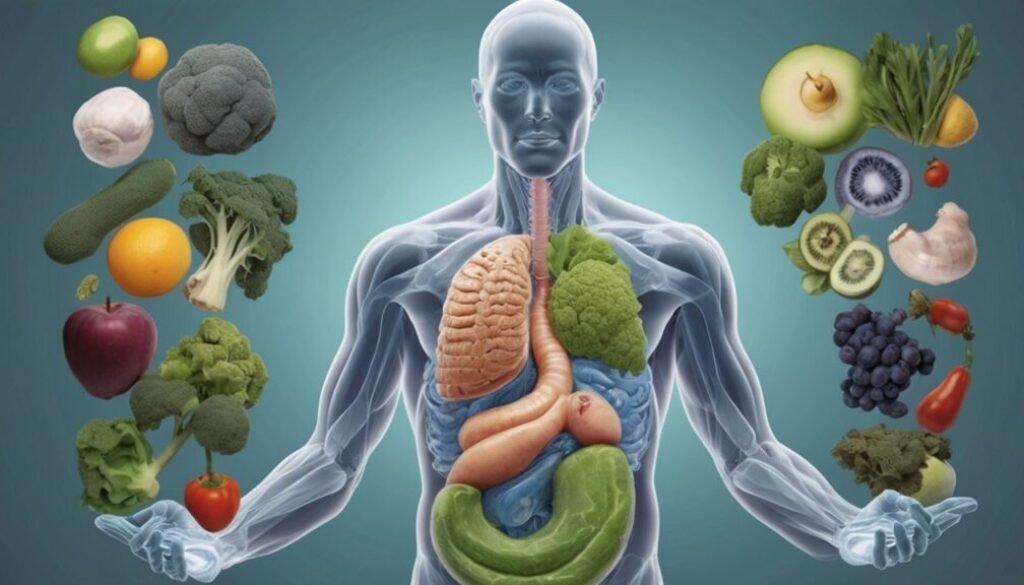
Have you ever wondered why you feel bloated, sluggish, or low on energy even when you’re eating “healthy”? Digestive System Health plays a much bigger role in your overall wellness than most people realize. In fact, Digestive System Health affects everything from nutrient absorption and metabolism to immunity and even mood.
When your gut is working properly, your body can break down food efficiently, absorb essential vitamins, and maintain a balanced gut microbiome. But when it’s out of sync, problems like indigestion, fatigue, and irregular digestion can quickly follow. That’s why improving Digestive System Health isn’t just about avoiding stomach discomfort—it’s about building a strong foundation for long-term health.
With rising stress levels, processed foods, and inconsistent eating habits, many people struggle to improve digestion naturally. The good news? Small, practical changes can make a big difference. In this article, we’ll explore simple yet powerful strategies to support your gut, enhance nutrient absorption, and restore balance to your digestive system.
Chapter 1: Introduction to Digestive System Health and Why It Matters
Your body depends on strong Digestive System Health to turn food into energy, repair tissues, and support immunity. Yet many people ignore early warning signs like bloating, fatigue, or irregular digestion. These symptoms may seem minor, but they often point to deeper gut imbalances.
When your digestive system works efficiently, it breaks down food, absorbs nutrients, and maintains a healthy gut microbiome. According to Harvard Health, nearly 70% of the immune system lives in the gut. Meanwhile, research indexed in PubMed highlights how gut bacteria influence metabolism, inflammation, and even mood. Clearly, Digestive System Health affects far more than your stomach.
If you’ve struggled with low energy, unexplained weight changes, or persistent discomfort, your gut may need attention. In fact, many readers exploring our guide on Highest Dietary Fiber Foods: A Simple Guide to Better Gut Health discover that simple diet shifts can dramatically improve digestion.
Let’s explore why strengthening Digestive System Health is one of the smartest wellness decisions you can make.
Why Digestive System Health Impacts Your Entire Body
Digestive wellness does more than prevent stomach pain. It supports:
-
Nutrient absorption
-
Hormone balance
-
Immune defense
-
Mental clarity
-
Energy production
When digestion slows, nutrients fail to absorb properly. This can lead to fatigue, skin issues, and weakened immunity. If this sounds familiar, you may also benefit from learning about Mitochondrial Imbalance: The Hidden Cause of Fatigue, as gut health and cellular energy are closely connected.
The Gut–Metabolism Connection
Your metabolism depends on efficient digestion. When the gut microbiome becomes unbalanced, inflammation increases. Over time, this may slow metabolic processes.
Studies show that diverse gut bacteria improve nutrient breakdown and regulate blood sugar. That’s why many experts now recommend combining fiber-rich foods with targeted probiotics. If bloating and gas are regular concerns, you can explore our evidence-based guide on Probiotic for Bloating and Gas: Best 2025 Picks That Work.
For readers seeking a recommended tool to rebalance gut flora, many have chosen to See pricing and reviews on the official site after comparing top-rated probiotic solutions. It’s often considered one of the best solutions for restoring microbial balance naturally.
Common Warning Signs of Poor Digestive System Health
Ignoring early symptoms can allow minor discomfort to develop into chronic problems. Watch for:
-
Frequent bloating
-
Constipation or loose stools
-
Acid reflux
-
Food sensitivities
-
Chronic fatigue
If symptoms persist, conditions like gastritis or inflammation may be involved. Our in-depth article on Mild Inactive Chronic Gastritis: Meaning, Symptoms & Treatment explains when to seek professional care.
Stress and Digestive Balance
Stress disrupts gut motility and enzyme production. The brain and gut communicate constantly through the gut-brain axis. When stress rises, digestion slows.
Simple practices like walking daily can help. In fact, research shows moderate exercise improves intestinal movement and reduces inflammation. Learn more in Benefits of Walking Daily: 10 Surprising Health Perks.
For deeper relaxation support, some readers also choose structured wellness programs. You can Discover this affordable solution today if you’re looking for a holistic digestive and metabolic reset program designed to support gut recovery.
Practical Ways to Strengthen Digestive System Health
Improving gut health doesn’t require drastic changes. Small, consistent habits make the biggest difference.
1. Increase Fiber Gradually
Fiber feeds beneficial bacteria. However, sudden increases may cause gas. Start slowly and drink enough water.
Compare approaches:
-
Pros: Improved bowel regularity, better blood sugar control
-
Cons: Temporary bloating if introduced too quickly
2. Add Fermented Foods
Yogurt, kefir, kimchi, and sauerkraut introduce live bacteria. According to PubMed research, regular probiotic intake may reduce inflammation markers.
3. Support Liver and Enzyme Function
The liver and pancreas play major roles in digestion. Some readers exploring metabolic support options have chosen to See pricing and reviews on the official site after researching liver-support supplements. It’s often considered an affordable service for those seeking a comprehensive digestive reset.
4. Reduce Added Sugar
Excess sugar feeds harmful bacteria. If you’re unsure how much is too much, our guide on Daily Sugar Intake: How Much Is Too Much? provides clear, science-backed recommendations.
Building Long-Term Digestive Resilience
Sustainable Digestive System Health requires balance, not perfection. Focus on:
-
Whole foods
-
Adequate hydration
-
Consistent sleep
-
Stress reduction
-
Moderate exercise
Avoid quick fixes without evidence. While supplements can help, lifestyle remains the foundation. Always consult a healthcare provider before starting new products, especially if you have chronic conditions.
By taking proactive steps now, you strengthen not just digestion—but your overall vitality for years to come.
Chapter 2: How the Digestive System Works to Support Digestive System Health
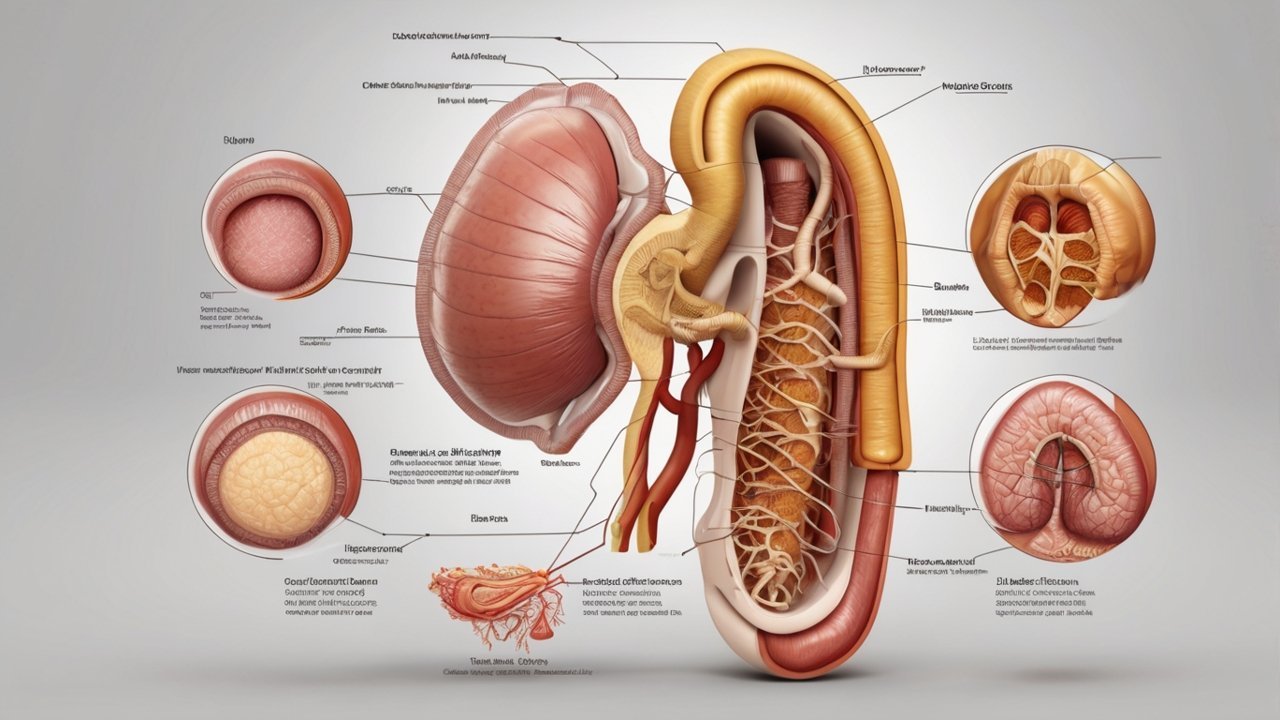
Strong Digestive System Health begins with understanding how your body processes food. Digestion is not a single action. It’s a coordinated system involving organs, enzymes, hormones, and beneficial bacteria. When each part works efficiently, your body absorbs nutrients properly and maintains steady energy levels.
If even one step slows down, symptoms like bloating, fatigue, or nutrient deficiencies can appear. Let’s break it down in simple, practical terms.
Key Organs That Influence Digestive System Health
Your digestive system functions like an assembly line. Each organ has a specific job.
Mouth and Esophagus: Where Digestion Begins
Digestion starts the moment you chew. Saliva contains enzymes that begin breaking down carbohydrates. Chewing thoroughly reduces stress on the stomach and improves nutrient absorption.
Tip: Eat slowly and chew each bite at least 15–20 times. This simple habit can improve Digestive System Health immediately.
Stomach: Acid and Enzyme Production
The stomach produces hydrochloric acid and digestive enzymes. These substances:
-
Break down proteins
-
Kill harmful bacteria
-
Prepare nutrients for absorption
Low stomach acid can cause bloating and indigestion. According to research published on PubMed, inadequate stomach acid may contribute to nutrient malabsorption and bacterial overgrowth.
If you frequently experience discomfort after meals, you may benefit from exploring supportive nutrients or digestive enzyme blends. Many readers researching the best solution for enzyme support choose to See pricing and reviews on the official site after comparing customer feedback and ingredient transparency.
Liver and Gallbladder: Fat Digestion Support
The liver produces bile, which helps digest fats. The gallbladder stores and releases bile when needed.
When bile flow is sluggish, symptoms may include:
-
Greasy stools
-
Upper abdominal discomfort
-
Fatigue after fatty meals
If you’re working on metabolic balance, you might also find value in our article on Best Liver Detox Methods That Actually Work (2025 Guide).
For those considering additional metabolic support, some readers have chosen to Discover this affordable solution today as part of a broader digestive wellness strategy.
Small Intestine: The Core of Nutrient Absorption
The small intestine is where most nutrient absorption occurs. Tiny finger-like structures called villi absorb:
-
Vitamins
-
Minerals
-
Amino acids
-
Fatty acids
If the intestinal lining becomes inflamed, nutrient absorption drops. Over time, this can impact energy, immune function, and hormone balance.
Research cited by Harvard Health emphasizes that maintaining a balanced gut microbiome supports intestinal barrier function and reduces inflammation. This directly strengthens Digestive System Health.
To improve nutrient absorption:
-
Increase fiber gradually
-
Stay hydrated
-
Include probiotic-rich foods
You can also review our guide on Highest Dietary Fiber Foods: A Simple Guide to Better Gut Health for practical food examples.
Large Intestine and Gut Microbiome Balance
The large intestine houses trillions of bacteria. These microbes:
-
Ferment fiber
-
Produce short-chain fatty acids
-
Support immune function
When good bacteria outnumber harmful strains, digestion becomes smoother. But processed foods, excess sugar, and stress can disrupt this balance.
If bloating and gas are persistent, our comparison guide on Probiotic for Bloating and Gas: Best 2025 Picks That Work outlines evidence-based options.
For readers seeking a recommended tool to restore microbial diversity, many have chosen to See pricing and reviews on the official site after reviewing formulation quality and user results.
Enzymes, Hormones, and the Gut-Brain Axis
Digestive System Health also depends on communication between your gut and brain. Hormones regulate hunger, fullness, and motility. Stress can slow digestion, reduce enzyme output, and increase inflammation.
That’s why stress-management techniques matter just as much as diet. If you’re looking to support energy and gut function together, our article on Mitochondrial Energy Boost explains the connection between cellular energy and digestive efficiency.
Pros and Cons of Digestive Support Supplements
Before using supplements, consider both sides.
Pros
-
Targeted nutrient support
-
Convenient for busy lifestyles
-
Helpful for diagnosed deficiencies
Cons
-
Not a replacement for whole foods
-
May cause side effects if misused
-
Quality varies widely
Lifestyle remains the foundation. Supplements work best when combined with:
-
Balanced meals
-
Regular movement
-
Proper hydration
-
Stress management
Practical Takeaway for Better Digestive System Health
Start with basics:
-
Chew slowly
-
Eat whole foods
-
Stay active
-
Manage stress
-
Add fiber gradually
When you understand how digestion works, you make smarter choices. And smarter choices lead to stronger Digestive System Health over time.

Chapter 3: Common Digestive Problems That Disrupt Digestive System Health
Even with a balanced diet, many people experience symptoms that quietly weaken Digestive System Health. Occasional discomfort is normal. However, recurring bloating, reflux, or irregular bowel movements often signal deeper imbalances.
According to Harvard Health, functional digestive issues affect millions of adults each year. Research indexed in PubMed also shows that gut inflammation and microbiome imbalance can trigger persistent symptoms if left unmanaged.
Understanding common digestive disorders helps you act early—before minor irritation becomes chronic disease.
Bloating, Gas, and Indigestion: Early Signs of Poor Digestive System Health
Bloating is one of the most reported gut complaints. It often feels like abdominal pressure or visible swelling after meals.
Why It Happens
Common causes include:
-
Eating too quickly
-
Low stomach acid
-
Food intolerances
-
Gut bacteria imbalance
-
Excess sugar intake
Highly processed foods may feed harmful bacteria, increasing gas production. If you’re unsure how sugar impacts digestion, our guide on Daily Sugar Intake: How Much Is Too Much? explains the metabolic connection.
Probiotic Support: Pros and Cons
Many experts recommend probiotics as a first-line strategy.
Pros
-
Support microbiome diversity
-
May reduce gas and bloating
-
Improve bowel regularity
Cons
-
Results vary by strain
-
Temporary adjustment symptoms possible
-
Not effective if diet remains poor
If you’re comparing options, our review of Probiotic for Bloating and Gas: Best 2025 Picks That Work breaks down evidence-based strains.
For those seeking a recommended tool to rebalance gut flora, many readers choose to See pricing and reviews on the official site after researching formulation quality and clinical backing.
Constipation and Irregular Bowel Movements
Constipation reduces toxin elimination and disrupts Digestive System Health over time. If bowel movements occur fewer than three times per week, digestive motility may be sluggish.
Root Causes
-
Low fiber intake
-
Dehydration
-
Sedentary lifestyle
-
Stress
-
Thyroid imbalance
Increasing fiber gradually is one of the safest approaches. However, sudden fiber spikes can worsen bloating.
If you need practical food guidance, explore Highest Dietary Fiber Foods: A Simple Guide to Better Gut Health.
Physical activity also plays a major role. Even moderate movement stimulates intestinal contractions. Our article on Benefits of Walking Daily: 10 Surprising Health Perks outlines how simple walking routines improve gut motility.
Acid Reflux and Heartburn
Occasional heartburn is common. Frequent reflux, however, may indicate weakened Digestive System Health.
What Causes Reflux?
-
Overeating
-
High-fat meals
-
Stress
-
Weak lower esophageal sphincter
-
Delayed stomach emptying
Contrary to popular belief, low stomach acid can sometimes contribute to reflux symptoms.
Lifestyle vs Medication
Lifestyle Approach (First Step)
-
Eat smaller meals
-
Avoid lying down after eating
-
Reduce caffeine and alcohol
-
Manage stress
Medication Approach
-
Proton pump inhibitors (PPIs)
-
H2 blockers
While medications reduce acid quickly, long-term use may affect nutrient absorption. Always consult a healthcare provider before prolonged use.
Chronic Inflammation and Gastritis
If digestive discomfort persists, inflammation may be involved. Conditions like gastritis weaken the stomach lining and reduce digestive efficiency.
For a deeper understanding of this condition, see Mild Inactive Chronic Gastritis: Meaning, Symptoms & Treatment.
Inflammation also impacts metabolic balance. Readers exploring metabolic and liver support sometimes choose to Discover this affordable solution today after reviewing options that target both digestion and energy production.
Stress: The Hidden Trigger Behind Digestive Imbalance
Stress directly disrupts Digestive System Health through the gut-brain axis. When stress hormones rise:
-
Enzyme production drops
-
Motility slows
-
Inflammation increases
Research published on PubMed confirms chronic stress alters gut microbiota composition.
To counter this, combine:
-
Deep breathing
-
Regular movement
-
Adequate sleep
-
Balanced meals
For readers seeking structured wellness support, some have chosen to See pricing and reviews on the official site after exploring holistic gut and metabolic programs.
When to Seek Medical Attention
Seek professional care if you experience:
-
Unexplained weight loss
-
Persistent vomiting
-
Blood in stool
-
Severe abdominal pain
-
Ongoing symptoms lasting weeks
Early intervention protects long-term Digestive System Health and prevents complications.
Practical Action Plan
To prevent common digestive problems:
-
Eat whole, fiber-rich foods
-
Hydrate consistently
-
Move daily
-
Reduce stress
-
Monitor symptom patterns
Digestive issues rarely appear overnight. They build gradually. The good news? Small daily habits can restore balance.
By recognizing early warning signs and responding proactively, you protect not just your gut—but your overall vitality.
Chapter 4: The Gut Microbiome and Digestive System Health
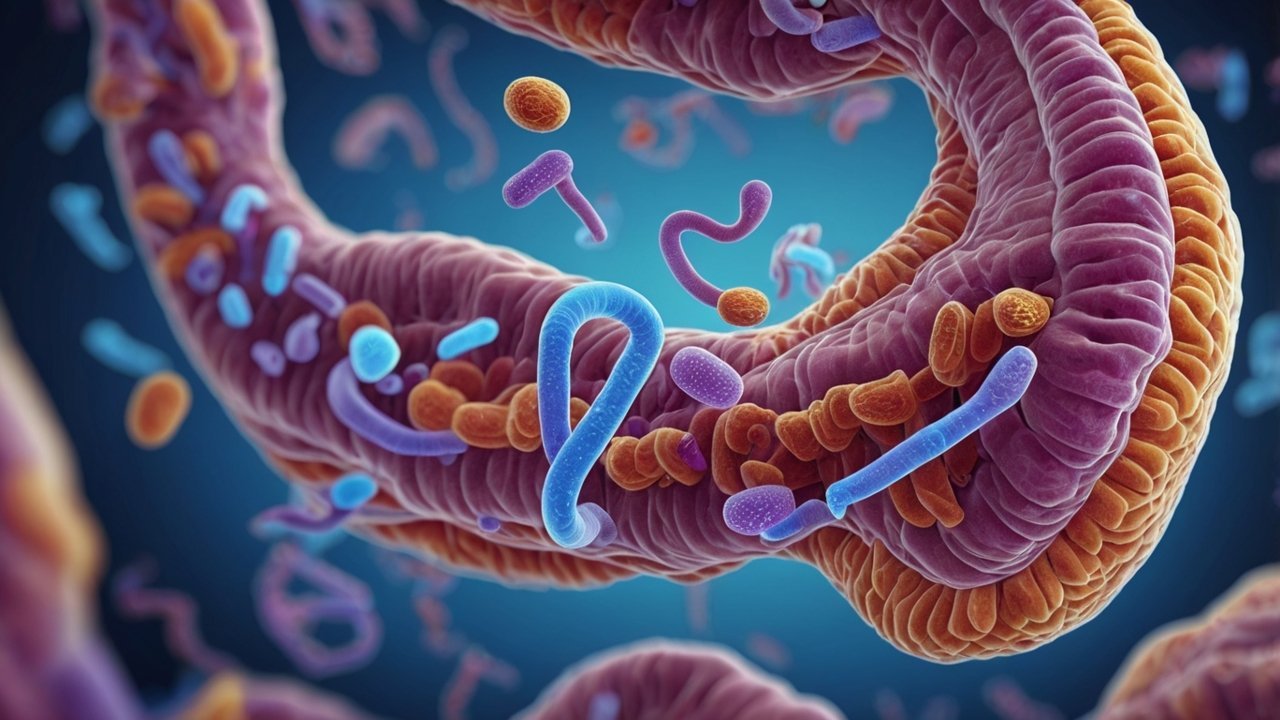
Your gut is home to trillions of microorganisms. This ecosystem—known as the gut microbiome—plays a central role in Digestive System Health. When beneficial bacteria thrive, digestion runs smoothly. When harmful strains dominate, symptoms like bloating, fatigue, and inflammation can appear.
According to research published in PubMed, gut bacteria influence metabolism, immune response, and even mood regulation. Harvard Health also reports that microbial diversity directly supports nutrient absorption and inflammation control. In short, a balanced microbiome is the foundation of long-term Digestive System Health.
Let’s explore how it works—and how to strengthen it.
What Is the Gut Microbiome and Why It Matters for Digestive System Health
The gut microbiome is a complex community of bacteria, fungi, and microorganisms living primarily in the large intestine.
These microbes help:
-
Break down fiber
-
Produce short-chain fatty acids
-
Support immune defense
-
Regulate inflammation
-
Synthesize certain vitamins
When diversity decreases, digestive efficiency drops. This imbalance—often called dysbiosis—can weaken Digestive System Health over time.
Signs of an Imbalanced Gut Microbiome
You may notice:
-
Frequent bloating or gas
-
Irregular bowel movements
-
Sugar cravings
-
Skin issues
-
Brain fog
Processed foods, chronic stress, antibiotics, and lack of fiber commonly trigger imbalance.
If you want to understand fiber’s powerful role in microbial diversity, see our guide on Highest Dietary Fiber Foods: A Simple Guide to Better Gut Health.
How Gut Bacteria Directly Influence Digestive System Health
Beneficial bacteria ferment fiber and produce compounds called short-chain fatty acids (SCFAs). These compounds:
-
Strengthen the intestinal lining
-
Reduce inflammation
-
Improve nutrient absorption
-
Support metabolic balance
Without enough beneficial strains, harmful bacteria may overgrow. This can increase gut permeability—sometimes referred to as “leaky gut.”
Microbiome Diversity: Why It’s the Best Solution
Greater diversity equals stronger resilience. Research shows that people who consume a wide variety of plant foods tend to have healthier microbial ecosystems.
Pros of Supporting Microbiome Diversity
-
Improved digestion
-
Reduced bloating
-
Stronger immunity
-
Better metabolic regulation
Cons to Consider
-
Probiotics alone may not fix poor diet
-
Overuse of supplements without guidance can cause temporary discomfort
For readers comparing targeted probiotic blends, many have chosen to See pricing and reviews on the official site after reviewing strain quality and formulation transparency. It’s often considered a recommended tool for restoring microbial balance.
Diet, Lifestyle, and Digestive System Health
Diet remains the most powerful way to improve your microbiome.
Fiber: The Fuel for Good Bacteria
Fiber acts as food for beneficial microbes. However, increasing intake too quickly may cause temporary bloating.
To reduce discomfort:
-
Increase fiber gradually
-
Drink adequate water
-
Combine soluble and insoluble fiber
If constipation accompanies imbalance, daily movement helps significantly. Our article on Benefits of Walking Daily: 10 Surprising Health Perks explains how moderate exercise stimulates gut motility.
Stress and the Gut-Brain Axis
The gut communicates constantly with the brain. Stress hormones can disrupt microbial balance and slow digestion.
Chronic stress may:
-
Reduce beneficial bacteria
-
Increase inflammation
-
Worsen IBS symptoms
To improve Digestive System Health naturally:
-
Practice deep breathing
-
Prioritize sleep
-
Reduce ultra-processed foods
-
Limit excess sugar
If you’re looking for a structured wellness approach, some readers choose to Discover this affordable solution today after exploring holistic gut-support programs designed to improve metabolism and digestive balance together.
Probiotics vs Whole-Food Strategies
While supplements can help, they should complement—not replace—dietary changes.
Whole-Food Approach
-
Fermented foods (yogurt, kefir, kimchi)
-
Leafy greens
-
Legumes
-
Whole grains
Supplement Approach
-
Convenient
-
Targeted bacterial strains
-
Useful after antibiotics
However, lasting Digestive System Health depends on daily habits. Supplements work best when paired with fiber-rich meals and stress management.
Immediate Steps to Restore Gut Balance
You can begin today:
-
Add one fermented food to your daily meals
-
Increase plant variety weekly
-
Walk for 20–30 minutes daily
-
Stay hydrated
-
Reduce refined sugar
These small adjustments create powerful results over time.
When your microbiome thrives, your entire digestive system becomes more efficient. By prioritizing microbial diversity and balanced habits, you protect Digestive System Health at its core.
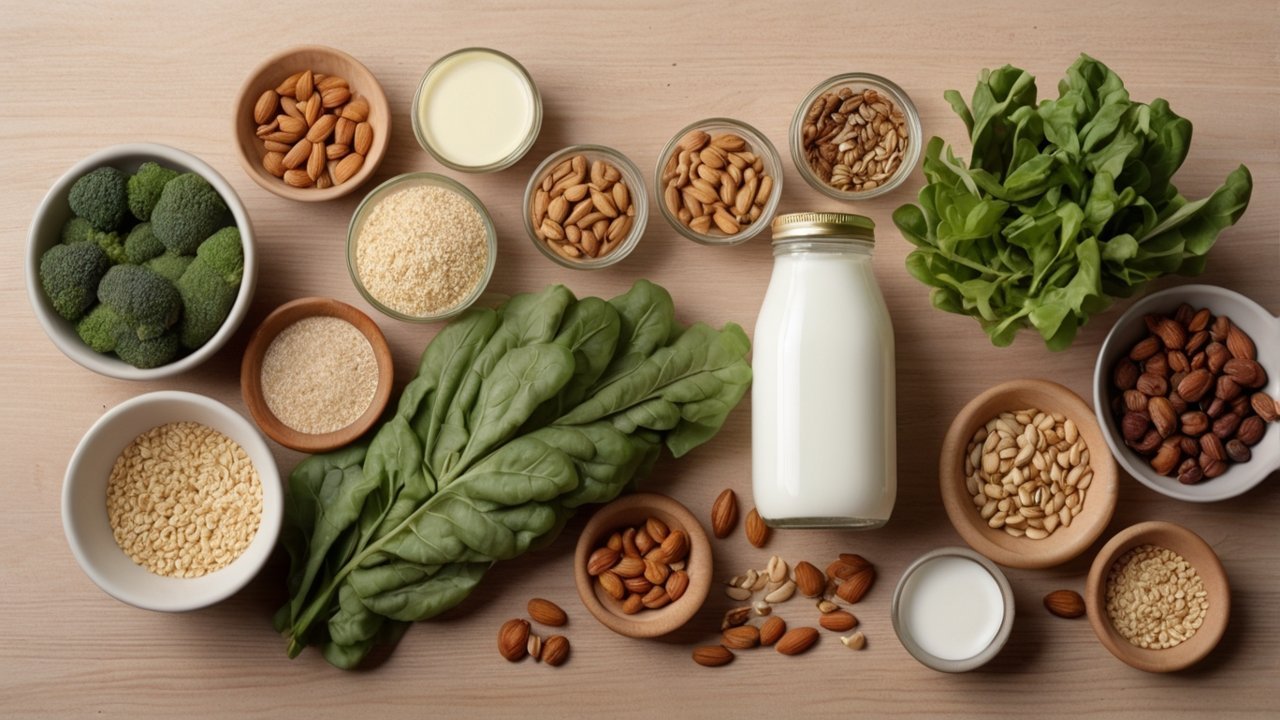
Chapter 5: 15 Natural Ways to Improve Digestive System Health
Improving Digestive System Health does not require extreme diets or complicated routines. In fact, simple daily habits often produce the most sustainable results. Research published in Harvard Health and indexed on PubMed consistently shows that lifestyle changes—especially diet and stress management—have the strongest long-term impact on gut balance.
Below are 15 practical, evidence-based strategies you can apply immediately.
Diet Strategies to Strengthen Digestive System Health
1. Increase Fiber Gradually
Fiber feeds beneficial gut bacteria and supports regular bowel movements. However, adding too much too quickly may cause gas.
Start by incorporating foods like:
-
Leafy greens
-
Oats
-
Lentils
-
Sweet potatoes
If you need a structured list, explore Highest Dietary Fiber Foods: A Simple Guide to Better Gut Health.
Pro tip: Drink more water as you increase fiber to prevent constipation.
2. Add Fermented Foods Daily
Fermented foods introduce natural probiotics. Yogurt, kefir, kimchi, and sauerkraut can improve microbiome diversity.
For individuals struggling with persistent bloating, targeted supplementation may help. Many readers researching the best solution for gut balance choose to See pricing and reviews on the official site after comparing clinically studied probiotic blends.
3. Limit Added Sugar
Excess sugar feeds harmful bacteria and promotes inflammation. If you’re unsure about healthy limits, our guide on Daily Sugar Intake: How Much Is Too Much? provides practical benchmarks.
Reducing sugar often improves Digestive System Health within weeks.
4. Support Liver Function
The liver produces bile for fat digestion. Sluggish bile flow may contribute to bloating after fatty meals.
Readers exploring metabolic and digestive support sometimes choose to Discover this affordable solution today after reviewing liver-focused wellness programs designed to enhance digestion naturally.
5. Chew Slowly and Mindfully
Digestion begins in the mouth. Thorough chewing reduces stomach workload and improves nutrient absorption.
Aim for 15–20 chews per bite. This simple habit strengthens Digestive System Health without costing anything.
Lifestyle Habits That Protect Digestive System Health
6. Walk Daily
Moderate exercise stimulates intestinal movement. Even 20–30 minutes of walking can reduce constipation and bloating.
Learn more in Benefits of Walking Daily: 10 Surprising Health Perks.
7. Manage Stress Effectively
Chronic stress alters the gut microbiome and slows digestion. The gut-brain axis plays a central role in Digestive System Health.
Practical stress-reduction tools include:
-
Deep breathing
-
Meditation
-
Consistent sleep
-
Light stretching
For readers seeking a structured wellness reset, some have chosen to See pricing and reviews on the official site after researching holistic digestive support programs.
8. Stay Properly Hydrated
Water supports enzyme activity and prevents constipation. Most adults benefit from steady hydration throughout the day rather than large amounts at once.
9. Maintain a Consistent Eating Schedule
Irregular eating patterns disrupt enzyme release and gut motility. Try to eat at similar times daily to support Digestive System Health.
10. Avoid Overeating
Large meals strain the stomach and slow digestion. Smaller, balanced meals improve comfort and nutrient absorption.
Targeted Support Options: Pros and Cons
Some individuals benefit from supplements. However, they work best alongside lifestyle changes.
Digestive Enzymes
Pros
-
Help break down proteins and fats
-
Useful for occasional heavy meals
Cons
-
May mask underlying issues
-
Not a substitute for balanced diet
If you’re evaluating enzyme products as a recommended tool, many consumers compare formulas and choose to See pricing and reviews on the official site after reviewing ingredient transparency.
11. Identify Food Intolerances
Common triggers include lactose, gluten, and artificial sweeteners. An elimination diet under professional guidance may clarify patterns.
12. Reduce Ultra-Processed Foods
Highly processed foods disrupt microbial diversity. Whole foods support stable Digestive System Health.
13. Prioritize Sleep
Sleep regulates hormones that influence digestion. Aim for 7–9 hours nightly.
14. Balance Protein Intake
Protein supports repair and enzyme production. However, excessive intake without fiber may slow digestion. If you’re exploring structured nutrition plans, review High Protein Diet Guide 2025: Benefits & Meal Plan.
15. Track Your Symptoms
Keeping a simple food and symptom journal helps identify triggers and measure improvement.
Immediate Action Plan for Better Digestive System Health
Start with these five steps:
-
Increase fiber slowly
-
Walk daily
-
Reduce added sugar
-
Add fermented foods
-
Manage stress consistently
These habits form the foundation of long-term Digestive System Health. Supplements and structured programs can support progress, but lifestyle remains the core strategy.
By combining dietary awareness, movement, stress reduction, and informed product choices, you create a resilient digestive system that supports your energy, immunity, and overall vitality.

Chapter 6: Best Foods for Digestive System Health
Food is the foundation of strong Digestive System Health. While supplements and lifestyle strategies help, your daily meals have the greatest impact on gut balance. According to Harvard Health, diets rich in plant diversity support a healthier microbiome and reduce inflammation. Research published on PubMed also confirms that fiber-rich and fermented foods improve microbial diversity and intestinal integrity.
The good news? You don’t need complicated superfoods. Simple, whole ingredients can dramatically improve Digestive System Health when consumed consistently.
Let’s break down the most effective options.
High-Fiber Foods That Improve Digestive System Health
Fiber feeds beneficial bacteria and supports bowel regularity. However, not all fiber works the same way.
Soluble Fiber (Gentle and Soothing)
Soluble fiber absorbs water and forms a gel-like texture in the gut. It helps:
-
Regulate bowel movements
-
Lower cholesterol
-
Stabilize blood sugar
Top sources include:
-
Oats
-
Apples
-
Bananas
-
Lentils
-
Sweet potatoes
If you want a structured breakdown of the highest fiber options, explore Highest Dietary Fiber Foods: A Simple Guide to Better Gut Health.
Insoluble Fiber (Motility Booster)
Insoluble fiber adds bulk to stool and speeds up digestion.
Best sources:
-
Whole grains
-
Leafy greens
-
Nuts
-
Seeds
Pro Tip: Increase fiber gradually and drink adequate water to avoid temporary bloating.
Fermented Foods for Gut Microbiome Balance
Fermented foods introduce beneficial bacteria that support Digestive System Health.
Top options:
-
Yogurt with live cultures
-
Kefir
-
Sauerkraut
-
Kimchi
-
Miso
These foods may improve gut diversity naturally. However, results vary depending on bacterial strains and individual tolerance.
For those seeking a more targeted, clinically formulated option, many readers choose to See pricing and reviews on the official site after researching probiotic blends designed to support microbial balance. It’s often considered a recommended tool for those dealing with persistent bloating.
Protein Choices That Support Digestive Efficiency
Protein supports enzyme production and tissue repair. However, heavy, processed meats can slow digestion.
Best Protein Sources
-
Lean chicken
-
Fish
-
Eggs
-
Greek yogurt
-
Legumes
If you need structured meal ideas, see Healthy Chicken Recipes for Fitness.
Pros and Cons of High-Protein Diets
Pros
-
Supports muscle and metabolism
-
Promotes satiety
-
Helps blood sugar control
Cons
-
Low fiber intake may cause constipation
-
Excess processed meat increases inflammation
If you’re exploring structured nutrition plans, review High Protein Diet Guide 2025: Benefits & Meal Plan.
Balance remains key for Digestive System Health.
Hydration and Digestive System Health
Water activates digestive enzymes and softens stool. Even mild dehydration can cause sluggish digestion.
Aim for:
-
Steady intake throughout the day
-
Extra hydration when increasing fiber
-
Herbal teas as supportive options
For those looking to combine hydration with metabolic support, some readers have chosen to Discover this affordable solution today after reviewing programs that integrate digestive and liver wellness.
Foods to Limit for Better Digestive System Health
Some foods disrupt microbial balance and trigger inflammation.
Limit:
-
Ultra-processed snacks
-
Excess sugar
-
Fried foods
-
Artificial sweeteners
-
Excess alcohol
If sugar reduction is your focus, our guide on Daily Sugar Intake: How Much Is Too Much? offers practical benchmarks.
Superfoods That Support Gut Resilience
Certain nutrient-dense foods offer extra digestive benefits.
Examples:
-
Blueberries (antioxidants)
-
Chia seeds (fiber + omega-3s)
-
Ginger (soothes digestion)
-
Turmeric (anti-inflammatory)
For additional energy-supporting superfoods, explore Top Superfoods to Boost Energy & Burn Fat.
Immediate Food-Based Action Plan
To improve Digestive System Health starting today:
-
Add one high-fiber food to each meal
-
Include fermented food daily
-
Stay hydrated consistently
-
Replace processed snacks with whole options
-
Balance protein with vegetables
Whole foods form the backbone of gut health. Supplements and programs may enhance results, but consistent dietary habits deliver the most sustainable benefits.
By choosing fiber-rich, minimally processed foods and staying mindful of hydration, you actively strengthen Digestive System Health—one meal at a time.

Chapter 7: Lifestyle Habits That Strengthen Digestive System Health
Healthy habits play a powerful role in protecting Digestive System Health. While diet lays the foundation, daily routines determine long-term results. According to Harvard Health, lifestyle factors such as sleep, stress management, and physical activity directly influence gut bacteria and digestive efficiency. Research indexed in PubMed also confirms that consistent movement and restorative sleep improve intestinal motility and reduce inflammation.
The encouraging news? You don’t need drastic changes. Small, sustainable adjustments can dramatically improve Digestive System Health over time.
Let’s explore the most impactful lifestyle strategies.
Daily Movement and Digestive System Health
Physical activity stimulates the muscles of your digestive tract. This movement, called peristalsis, helps push food through the intestines smoothly.
How Exercise Improves Gut Function
Regular movement can:
-
Reduce constipation
-
Improve circulation to digestive organs
-
Lower inflammation
-
Support microbial diversity
Even moderate exercise works. You don’t need intense workouts.
For beginners, walking is one of the best solutions. Learn how to build a simple routine in Benefits of Walking Daily: 10 Surprising Health Perks.
If you prefer structured programs, our guide on Home Workout Plan for Men & Women Beginners provides a practical starting point.
Sleep and Its Impact on Digestive System Health
Sleep regulates hormones that influence appetite, metabolism, and gut motility. Poor sleep disrupts the gut-brain axis and increases stress hormones.
What Happens When Sleep Is Disrupted?
-
Slower digestion
-
Increased cravings
-
Microbiome imbalance
-
Higher inflammation levels
Most adults need 7–9 hours per night. Consistent sleep schedules support steady digestive rhythms.
If stress interferes with sleep, calming practices can help. Explore techniques in Yoga Nidra for Sleep: Fall Asleep Faster & Stay Asleep Longer.
Stress Management: Protecting Digestive System Health Naturally
Chronic stress weakens Digestive System Health. The gut and brain communicate constantly. When stress rises, digestion slows and inflammation increases.
Effective Stress-Reduction Techniques
-
Deep breathing exercises
-
Gentle yoga
-
Nature walks
-
Digital detox time
-
Consistent meal timing
Studies published in PubMed show chronic stress alters gut microbiota composition. Managing stress is not optional—it is essential for digestive balance.
For readers seeking a comprehensive wellness reset, many have chosen to See pricing and reviews on the official site after researching holistic programs that combine nutrition, stress support, and metabolic health strategies.
Hydration Habits That Support Digestive Efficiency
Water activates digestive enzymes and prevents constipation. Without adequate hydration, fiber cannot function effectively.
Practical Hydration Tips
-
Drink water consistently throughout the day
-
Add herbal teas for variety
-
Increase intake when consuming more fiber
-
Limit sugary beverages
If caffeine consumption is affecting your gut, our comparison article Diet Coke vs Zero: Health Differences You Should Know may help you make informed decisions.
Balanced Routine vs Quick Fixes
Many people look for instant relief. However, Digestive System Health improves most reliably through consistent habits.
Lifestyle Approach: Pros and Cons
Pros
-
Sustainable long-term results
-
Lower cost
-
Improves overall wellness
Cons
-
Requires consistency
-
Results build gradually
Supplement Approach
Some individuals benefit from targeted digestive support products. When combined with strong lifestyle habits, they may accelerate improvements.
For those evaluating supportive tools, many readers choose to Discover this affordable solution today after comparing probiotic-based gut health options. It is often considered a recommended tool for restoring microbial balance.
Simple Weekly Plan to Strengthen Digestive System Health
Start small. Focus on one new habit per week.
Week 1: Walk 20 minutes daily
Week 2: Improve sleep schedule
Week 3: Add one fermented food daily
Week 4: Reduce added sugar
Week 5: Practice daily stress reduction
By layering habits gradually, you avoid overwhelm and increase success.
Digestive wellness is not about perfection. It is about consistency. When you prioritize movement, sleep, hydration, and stress balance, you create a strong foundation for lasting Digestive System Health.

Chapter 8: When to See a Doctor About Digestive System Health
Most digestive discomfort improves with diet and lifestyle changes. However, some symptoms require medical attention. Protecting Digestive System Health means knowing when home strategies are enough—and when professional care is necessary.
According to Harvard Health, persistent digestive symptoms should never be ignored. Research indexed in PubMed also emphasizes that early diagnosis significantly improves outcomes for chronic gastrointestinal conditions.
Let’s review the warning signs.
Red Flags That May Signal Serious Digestive System Health Issues
Occasional bloating is common. But the following symptoms deserve prompt evaluation:
-
Unexplained weight loss
-
Blood in stool
-
Persistent vomiting
-
Severe abdominal pain
-
Ongoing diarrhea or constipation lasting weeks
-
Difficulty swallowing
These symptoms may indicate infections, inflammatory conditions, ulcers, or more serious disorders.
If kidney stones or acute abdominal pain are concerns, our guide on Kidney Stone Urgent Care: When to Go and What to Expect explains when immediate medical attention is necessary.
Chronic Conditions That Affect Digestive System Health
Some digestive disorders require long-term management.
1. Gastritis and Stomach Inflammation
Chronic irritation of the stomach lining may cause:
-
Burning discomfort
-
Nausea
-
Appetite changes
Learn more in Mild Inactive Chronic Gastritis: Meaning, Symptoms & Treatment.
2. Irritable Bowel Syndrome (IBS)
IBS affects gut motility and sensitivity. Stress often worsens symptoms. Lifestyle management remains the first-line strategy.
3. Metabolic and Hormonal Disorders
Thyroid imbalances and diabetes may influence Digestive System Health by slowing gut motility or altering enzyme production.
If metabolic health is a concern, review Diabetes Management Guidelines 2025: What to Know.
For thyroid-related digestive symptoms, our evidence-based overview of Thyroid Health Supplements That Work in 2025 may provide additional insight.
When Lifestyle Changes Are Not Enough
Diet, hydration, stress reduction, and probiotics often improve mild symptoms. However, if symptoms persist despite consistent effort, medical testing may be required.
Doctors may recommend:
-
Blood tests
-
Stool analysis
-
Endoscopy
-
Colonoscopy
-
Imaging studies
Early evaluation prevents complications and protects long-term Digestive System Health.
Supplements vs Medical Treatment: A Balanced View
Many people try supplements before consulting a doctor. While some products may support digestion, they should not replace professional care.
Pros of Digestive Supplements
-
Convenient
-
May ease mild symptoms
-
Support microbiome balance
Cons
-
Not diagnostic
-
May mask serious conditions
-
Results vary
For those exploring supportive options while awaiting medical evaluation, many readers choose to See pricing and reviews on the official site after researching probiotic-based solutions designed to support gut balance.
If liver-related digestive symptoms are suspected, some individuals also explore structured wellness programs and choose to Discover this affordable solution today after reviewing ingredient transparency and user feedback.
Always consult a healthcare provider before starting new supplements—especially if symptoms are severe or persistent.
Preventive Healthcare for Strong Digestive System Health
Prevention remains the most effective strategy.
Schedule routine checkups if you:
-
Have family history of digestive disease
-
Are over age 45
-
Experience recurring symptoms
-
Take long-term medications
Preventive screenings detect issues early and improve outcomes.
Practical Decision Guide
Ask yourself:
-
Are symptoms mild and occasional?
-
Have lifestyle changes improved symptoms?
-
Are red flag symptoms present?
-
Have symptoms lasted more than two weeks?
If red flags appear, seek medical care immediately. If symptoms persist without improvement, schedule an appointment.
Protecting Digestive System Health requires both self-care and timely medical support. When you combine informed lifestyle habits with professional guidance, you create the safest and most sustainable path to long-term digestive wellness.
Chapter 9: Frequently Asked Questions About Digestive System Health
Understanding Digestive System Health often raises important questions. Below are clear, evidence-based answers to help you make informed decisions and improve your gut wellness with confidence.
How Can I Improve Digestive System Health Quickly?
You can begin improving Digestive System Health within days by focusing on foundational habits:
-
Increase fiber gradually
-
Drink adequate water
-
Walk daily for 20–30 minutes
-
Reduce added sugar
-
Add one fermented food daily
Research from Harvard Health confirms that fiber-rich diets improve bowel regularity and support beneficial gut bacteria. However, results vary based on consistency and overall lifestyle.
If bloating is a frequent concern, some readers explore targeted probiotic blends and choose to See pricing and reviews on the official site after reviewing ingredient quality and clinical backing.
What Foods Harm Digestive System Health the Most?
Highly processed foods tend to disrupt microbial balance.
Common culprits include:
-
Excess sugar
-
Fried foods
-
Artificial sweeteners
-
Heavy alcohol intake
Over time, these foods may reduce beneficial bacteria and increase inflammation. If sugar intake is unclear, review Daily Sugar Intake: How Much Is Too Much? for practical guidelines.
Are Probiotics Necessary for Everyone?
Not always. Many people maintain strong Digestive System Health through diet alone.
Who May Benefit Most?
-
Individuals with frequent bloating
-
Those recovering from antibiotics
-
People with irregular bowel habits
Pros
-
Targeted strain support
-
Convenient
Cons
-
Not a substitute for whole foods
-
Strain-specific effectiveness varies
For those researching a recommended tool for gut balance, many compare options and choose to Discover this affordable solution today after reviewing user experiences.
How Does Stress Affect Digestive System Health?
Stress directly impacts the gut-brain axis. Elevated stress hormones may:
-
Slow digestion
-
Increase inflammation
-
Disrupt gut bacteria
PubMed-indexed studies show chronic stress alters microbial diversity. Managing stress through breathing exercises, sleep optimization, and light movement significantly improves Digestive System Health over time.
For sleep-related stress support, explore Yoga Nidra for Sleep: Fall Asleep Faster & Stay Asleep Longer.
Can Exercise Really Improve Gut Health?
Yes. Moderate movement stimulates intestinal contractions and improves circulation to digestive organs.
Even simple walking supports better bowel function. Learn how to build a routine in Benefits of Walking Daily: 10 Surprising Health Perks.
Exercise also reduces stress—a major contributor to digestive imbalance.
When Should I See a Doctor for Digestive Problems?
Seek medical care if you experience:
-
Blood in stool
-
Severe abdominal pain
-
Persistent vomiting
-
Unexplained weight loss
-
Symptoms lasting longer than two weeks
While lifestyle changes strengthen Digestive System Health, red-flag symptoms require professional evaluation.
If metabolic or liver-related digestive symptoms are present, some readers explore supportive programs and choose to See pricing and reviews on the official site after researching ingredient transparency and user feedback. Always consult your healthcare provider before starting supplements.
Is Digestive System Health Linked to Energy Levels?
Absolutely. Efficient digestion improves nutrient absorption, which directly supports cellular energy.
If fatigue is a concern, review Mitochondrial Imbalance: The Hidden Cause of Fatigue to understand the connection between gut health and metabolic performance.
Final Takeaway
Digestive System Health improves through consistent habits, balanced nutrition, stress management, and informed choices. Supplements may provide support, but long-term success comes from daily routines.
By applying these answers and taking small action steps, you create a sustainable path toward better digestion, stronger immunity, and improved vitality.

Chapter 10: Conclusion: Building Lifelong Digestive System Health Naturally
Strong Digestive System Health is not built overnight. It develops through consistent, daily habits that support your gut, metabolism, and overall wellness. Throughout this guide, we’ve explored how digestion works, common problems that disrupt balance, the power of the gut microbiome, the best foods to eat, lifestyle strategies, and when to seek medical care.
The key takeaway is simple: small actions create lasting results.
When you:
-
Eat fiber-rich whole foods
-
Stay hydrated
-
Manage stress effectively
-
Move your body regularly
-
Prioritize sleep
—you create the ideal environment for Digestive System Health to thrive.
Research from trusted sources like Harvard Health and studies indexed in PubMed consistently show that long-term digestive wellness depends more on sustainable habits than quick fixes. Supplements and structured programs may support progress, but they work best when layered on top of a strong foundation.
If you’re considering additional gut support tools, always evaluate ingredient transparency, clinical backing, and customer reviews. Most importantly, consult your healthcare provider before starting new supplements—especially if you have chronic symptoms.
Remember, your digestive system influences energy, immunity, mood, and metabolic balance. When you invest in Digestive System Health, you invest in your entire body.
Start small. Stay consistent. Your gut will thank you.
Affiliate Disclosure
Some links in this article may be affiliate links. This means we may earn a small commission at no additional cost to you if you choose to make a purchase through these links. We only recommend products and services that align with our research standards and that we believe may provide value to our readers.
Disclaimer
This content is for informational and educational purposes only. It does not constitute medical advice, diagnosis, or treatment. Always consult a qualified healthcare professional before making changes to your diet, exercise routine, or supplement regimen—especially if you have existing medical conditions.