Slow Metabolism Signs: 7 Warning Symptoms
Have you been gaining weight, feeling constantly tired, or struggling to stay energized throughout the day? These could be slow metabolism signs that your body is burning fewer calories than it used to. Many people notice these changes without realizing that metabolism plays a major role in how efficiently the body converts food into energy. Recognizing slow metabolism signs early can help you take simple steps to restore balance and improve your overall health.
Your metabolism affects almost everything—from how easily you maintain your weight to how energetic you feel during the day. When it slows down, even healthy habits may not deliver the results you expect. Factors like aging, poor sleep, stress, and lack of physical activity can all contribute to a metabolic slowdown. Understanding the most common slow metabolism signs can help you identify whether your body needs a boost and guide you toward healthier lifestyle choices.
The good news is that metabolism isn’t fixed. With the right nutrition, habits, and metabolism boost naturally strategies, you can support your body’s energy system and feel better. Let’s explore the key warning signs and discover how to fix them naturally.
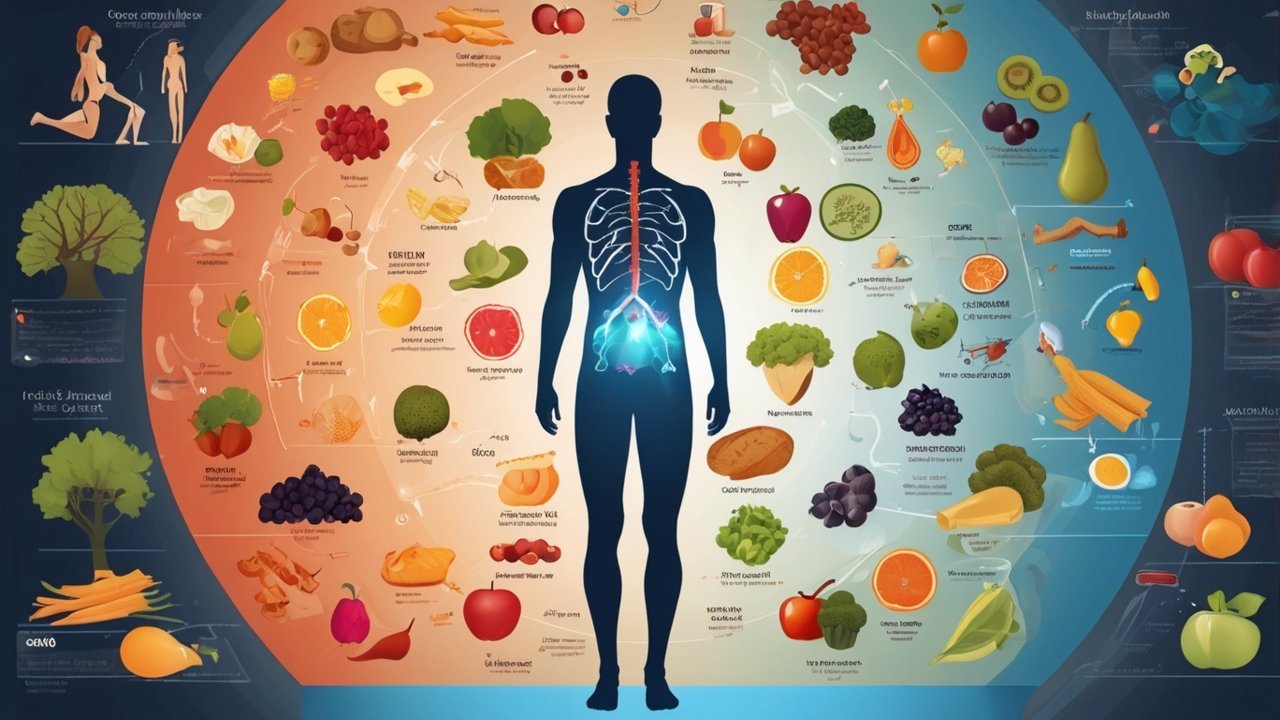
Chapter 1: Why Your Metabolism Matters: Understanding the Slow Metabolism Signs
Your metabolism acts like your body’s internal engine. It determines how efficiently you convert food into energy, regulate body temperature, and burn calories throughout the day. When this engine slows down, many people begin to notice subtle slow metabolism signs such as fatigue, weight gain, or difficulty staying energized.
Understanding how metabolism works—and why it sometimes slows—is the first step toward improving your health. Research from Harvard Health Publishing shows that metabolism is influenced by several factors, including muscle mass, hormones, age, and daily activity levels. If any of these change, your body may burn fewer calories than before.
The good news? Once you recognize the early slow metabolism signs, you can take simple steps to support your body’s energy system naturally.
What Metabolism Really Means and Why It Affects Energy
Metabolism refers to all the chemical reactions that keep your body alive and functioning. These reactions convert the food you eat into energy that fuels everything—from breathing and digestion to muscle movement and brain activity.
According to research published in PubMed, your basal metabolic rate (BMR) accounts for about 60–75% of the calories your body burns daily. That means even when you’re resting, your metabolism is working.
Several key factors influence your metabolic rate:
-
Muscle mass – Muscle burns more calories than fat.
-
Hormonal balance – Thyroid hormones regulate metabolic speed.
-
Physical activity – Exercise boosts calorie burn.
-
Nutrition quality – Nutrient-rich foods support metabolic processes.
When these factors fall out of balance, the body may start showing slow metabolism signs like persistent tiredness or stubborn weight gain.
If you want a deeper explanation of how cellular energy production works, this guide on mitochondrial energy and metabolism explains how energy production inside your cells directly affects your metabolic health.
Why Metabolism Naturally Slows With Age
A common reason people notice metabolic changes is aging. Studies referenced by Healthline show that metabolism gradually declines after age 30, largely due to muscle loss and hormonal shifts.
This doesn’t mean weight gain is inevitable, but it does mean lifestyle habits matter more than ever.
Several biological changes contribute to metabolic slowdown:
1. Muscle loss (Sarcopenia)
Adults lose about 3–8% of muscle mass per decade after age 30. Since muscle burns more calories than fat, this reduces overall calorie expenditure.
2. Hormonal changes
Hormones like thyroid hormones, insulin, and cortisol regulate metabolic rate. Imbalances may lead to fatigue, cravings, and fat storage.
3. Reduced activity levels
Busy work schedules and sedentary lifestyles mean fewer calories burned daily.
If you’re noticing energy dips or unexplained fatigue, you may also benefit from understanding mitochondrial imbalance and fatigue, which explores another biological reason metabolism can slow.
Early Slow Metabolism Signs You Should Not Ignore
Many people miss early metabolic warning signals because they develop gradually. However, identifying these signs early can help you address the root cause before they worsen.
Common early slow metabolism signs include:
-
Persistent tiredness even after a full night’s sleep
-
Gradual weight gain without changes in diet
-
Increased cravings for sugary foods
-
Difficulty losing weight despite exercise
-
Feeling colder than others in the same environment
These symptoms may seem unrelated, but they often share the same underlying cause: reduced metabolic efficiency.
Supporting your metabolism through diet can help. Foods rich in fiber, protein, and nutrients play an important role. For example, this guide on top superfoods to boost energy and burn fat highlights natural foods that help support metabolic activity.
How Lifestyle Habits Influence Metabolism
Your daily habits can either strengthen or weaken your metabolism. The good news is that small lifestyle changes can produce meaningful improvements.
Evidence-based strategies include:
Regular movement
Walking, strength training, and simple workouts can increase daily calorie burn. Even light activity helps maintain muscle mass.
For beginners, a structured routine like this simple home workout plan can help restart metabolic activity.
Balanced nutrition
Protein-rich foods increase the thermic effect of food (TEF), meaning your body burns more calories digesting them.
A practical example is incorporating lean protein meals such as healthy chicken recipes for fitness into your weekly diet.
Quality sleep
Poor sleep disrupts hormones that regulate hunger and metabolism, including leptin and ghrelin.
Stress management
Chronic stress raises cortisol levels, which can slow metabolism and promote fat storage.
A Recommended Metabolism Support Tool
Lifestyle improvements are the foundation of metabolic health. However, some people also choose supportive supplements designed to help energy metabolism and fat utilization.
One recommended tool many readers explore is a natural metabolism-support formula that focuses on cellular energy and fat metabolism.
👉 See pricing and reviews on the official site
These types of solutions are often used alongside lifestyle changes to support metabolic balance. As with any supplement, it’s important to evaluate ingredients and consult a healthcare professional.
For readers looking for another affordable service that supports metabolism and weight management, you can also:
👉 Discover this affordable solution today
Why Understanding Metabolism Helps You Take Control
Recognizing slow metabolism signs empowers you to make informed health decisions. Instead of feeling frustrated by fatigue or weight gain, you can focus on proven strategies that restore energy balance.
In the next section, we’ll break down the 7 most common slow metabolism signs and explain exactly what they mean—and more importantly, how you can fix them naturally.


Chapter 3: 7 Slow Metabolism Signs You Should Never Ignore
Many people experience subtle body changes without realizing they could be slow metabolism signs. These signals often develop gradually, making them easy to dismiss as stress, aging, or a busy lifestyle. However, recognizing them early can help you take action before they lead to bigger health challenges.
According to research published on PubMed and insights from Harvard Health, metabolic slowdown can influence everything from energy levels to body weight and hormone balance. Below are the most common warning signs your metabolism may not be functioning at its best.
1. Unexpected Weight Gain — A Classic Slow Metabolism Sign
One of the most noticeable slow metabolism signs is unexplained weight gain. You may find that your weight increases even though your diet and exercise routine haven’t changed.
When metabolism slows:
-
The body burns fewer calories at rest
-
Fat storage increases
-
Weight loss becomes more difficult
Many people mistakenly believe they simply need to eat less. However, extreme calorie restriction can actually slow metabolism further.
A better strategy is to combine balanced nutrition with physical activity. Exercises that target fat loss—like those shown in tummy fat loss exercises you can do at home—can help stimulate calorie burn and rebuild metabolic activity.
2. Constant Fatigue and Low Energy
Feeling tired all the time—even after adequate sleep—is another common metabolic warning sign.
Your metabolism produces the energy needed for every function in the body. When metabolic processes slow down, the body generates less cellular energy.
This may lead to:
-
Persistent fatigue
-
Lack of motivation
-
Difficulty concentrating
A common hidden cause is poor mitochondrial function, which directly affects cellular energy production. This guide on mitochondrial energy and metabolism explains how energy production inside your cells influences overall metabolism.
According to Healthline, improving energy metabolism often requires a combination of better nutrition, physical activity, and stress management.
3. Difficulty Losing Weight Despite Effort
Another frustrating sign of a slow metabolism is when weight loss stalls—even when you’re eating healthy and exercising regularly.
Several factors may cause this metabolic resistance:
-
Hormonal imbalances
-
Muscle loss
-
Poor sleep quality
-
High stress levels
When metabolism slows, your body becomes more efficient at conserving calories. As a result, traditional dieting may stop producing results.
Increasing protein intake can help. High-protein diets boost the thermic effect of food, meaning your body burns more calories digesting meals. For example, this high protein diet guide for 2025 explains how protein-rich meals support metabolic health.
4. Frequent Sugar Cravings
If you constantly crave sweets or high-carb snacks, your metabolism might be struggling to regulate blood sugar levels.
When metabolic efficiency drops:
-
Blood sugar spikes and crashes more often
-
Energy levels fluctuate
-
Hunger signals increase
This creates a cycle where your body seeks quick energy from sugar.
Fiber-rich foods can help stabilize blood sugar and support digestion. A practical approach is increasing intake of foods highlighted in highest dietary fiber foods for better gut health.
5. Feeling Cold More Often
People with slower metabolism often feel colder than others around them.
This happens because metabolism helps generate body heat. When metabolic rate drops, the body produces less heat, leading to increased sensitivity to cold temperatures.
This symptom is sometimes associated with thyroid-related metabolic issues. If this sign appears alongside fatigue or weight gain, it may be helpful to explore resources like thyroid health supplements that work in 2025.
6. Dry Skin and Hair Changes
Metabolism also plays a role in delivering nutrients to skin cells and hair follicles. When metabolic processes slow, nutrient delivery may decline.
This can lead to:
-
Dry or flaky skin
-
Brittle hair
-
Slow hair growth
Nutrient-dense foods can help restore metabolic balance. Foods such as those listed in top superfoods to boost energy and burn fat support overall metabolic health and skin vitality.
7. Brain Fog and Difficulty Concentrating
Another overlooked metabolic symptom is brain fog.
Your brain consumes a large portion of the body’s energy supply. When metabolism slows and energy production decreases, cognitive performance may decline.
People experiencing brain fog often report:
-
Poor focus
-
Memory lapses
-
Mental fatigue
Addressing the root cause—often linked to energy metabolism—can improve mental clarity. If fatigue and brain fog persist, exploring metabolic health resources like digestive system health improvements may also help support nutrient absorption and energy levels.
A Recommended Tool to Support Metabolism
Lifestyle changes should always come first when addressing slow metabolism signs. However, some individuals choose to support their metabolic health with specialized nutritional formulas designed to enhance energy metabolism and fat burning.
One recommended tool focuses on supporting metabolic balance and energy production.
👉 See pricing and reviews on the official site
For readers seeking another affordable solution designed to support metabolic activity and weight management, you can also explore:
👉 Discover this affordable solution today
Why Recognizing Slow Metabolism Signs Matters
Ignoring slow metabolism signs can lead to long-term health challenges such as weight gain, fatigue, and hormonal imbalance. The earlier you recognize these signals, the easier it becomes to restore metabolic health through lifestyle improvements.
In the next chapter, we’ll explore how to fix a slow metabolism naturally, including practical nutrition strategies, metabolism-boosting habits, and simple daily routines that can help your body burn energy more efficiently.