
World Health Organization Trends: What to Expect in 2025
Why are World Health Organization trends getting so much attention right now, and what do they actually mean for your daily life? As new reports highlight shifts in global health, these World Health Organization trends are shaping everything from the way we manage chronic conditions to how prepared we are for emerging diseases.
This matters because the challenges WHO tracks—rising obesity rates, uneven access to essential care, and the return of seasonal respiratory illnesses—don’t stay on paper. They show up in the choices you make each day, from how you eat to the way you look after your mental well-being. Understanding these updates gives you a clearer sense of what’s changing worldwide and how to stay ahead of risks that often go unnoticed. Supporting keywords like global health updates and public health priorities help frame the larger picture without overwhelming you with jargon.
In the sections ahead, we’ll break down the most relevant trends, explain why they matter, and share simple steps you can apply right away. Let’s take a closer look at what the latest WHO guidance means for you.
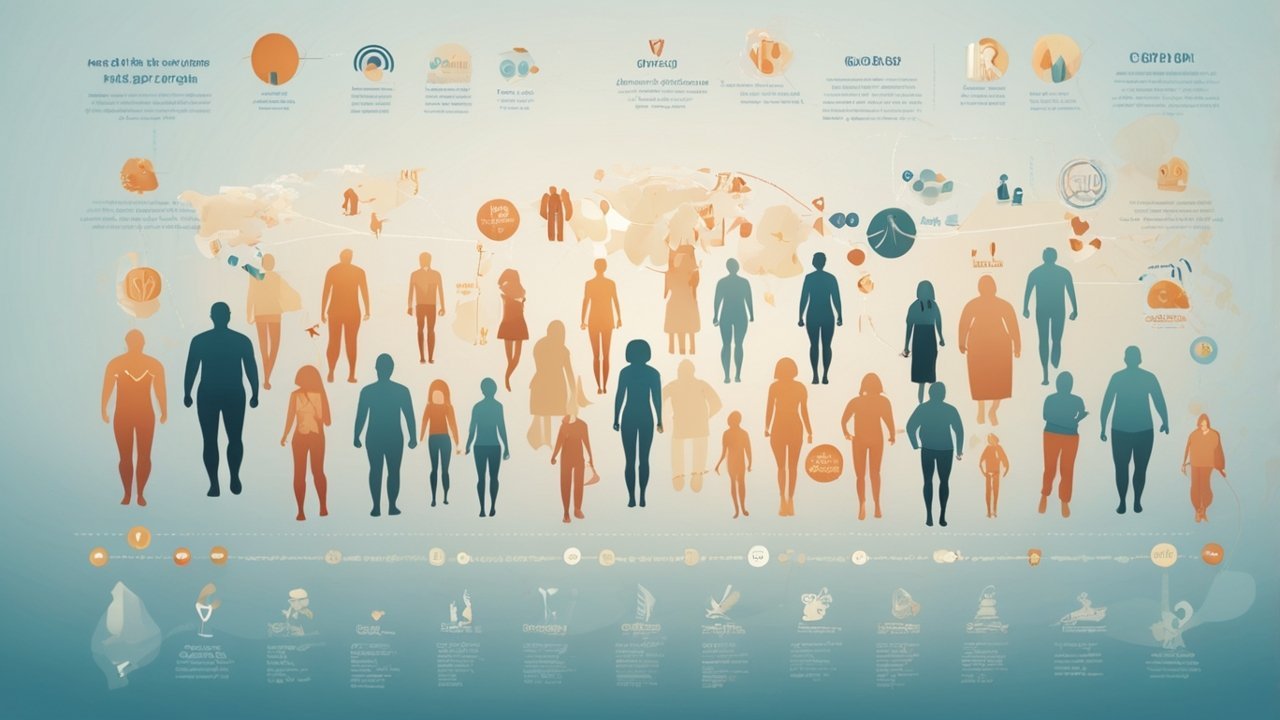
Chapter 1: The Rising Burden of Obesity Worldwide: What World Health Organization Trends Reveal
Current World Health Organization trends show that global obesity has reached a level never seen before. In 2025, WHO estimated that over 1 billion people now fall into the overweight or obese category—a number rising in nearly every region. These World Health Organization trends matter because obesity is no longer a condition tied to wealth or geography. It’s now a global health challenge shaped by modern lifestyles, food environments, and chronic stress.
Many readers feel this reality personally. Maybe it’s harder to maintain weight than it used to be. Maybe energy levels feel inconsistent. Or maybe metabolic issues like bloating, sluggish digestion, or poor sleep are becoming more noticeable. These experiences reflect a broader pattern echoed in research from Harvard Health and PubMed, which shows that ultra-processed foods, long work hours, disrupted sleep, and sedentary behavior quietly erode metabolic health over time.
Why Obesity Rates Keep Rising (And What Most People Don’t Realize)
Several everyday factors explain the upward trend:
-
Easy access to processed, high-calorie meals
-
Desk-bound jobs with minimal movement
-
Emotional eating triggered by chronic stress
-
Sleep cycles disrupted by late-night screen use
-
Lack of nutritional guidance in schools and workplaces
A Healthline analysis highlights that even mild sleep deprivation can increase cravings for sugary snacks the next day. This “silent appetite shift” is one reason people gain weight even without overeating intentionally.
If you want a practical starting point for rebalancing nutrition, try this highly relatable guide:
👉 High-Protein Diet Guide (2025 Edition)
Hidden Health Risks You Might Not Notice Until Later
Obesity is linked to several conditions that tend to develop slowly:
-
Type 2 diabetes
-
High blood pressure
-
Heart disease
-
Fatty liver disease
-
Hormonal imbalances
-
Joint and mobility issues
Many people don’t feel symptoms early on. One growing concern is non-alcoholic fatty liver disease, which now affects millions globally. If this is an area you want to understand better, here’s a reader favorite:
👉 Best Liver Detox Methods That Actually Work
What World Health Organization Trends Recommend for Long-Term Change
WHO’s strategy focuses less on quick fixes and more on environmental and behavioral changes. Here are the core pillars:
1. Transforming food environments
WHO emphasizes accessible whole foods and reduced dependence on processed snacks. Small swaps—like replacing sugary drinks with water—can make a meaningful difference.
For a deeper look at sugar limits:
👉 Daily Sugar Intake: How Much Is Too Much?
2. Encouraging practical physical movement
You don’t need long workouts. Walking after meals improves blood-sugar control and metabolic health.
A simple guide to get started:
👉 Benefits of Walking Daily
3. Improving sleep and reducing stress
Hormones that regulate hunger shift when sleep is irregular.
If falling asleep is difficult, try this relaxing practice:
👉 Yoga Nidra for Better Sleep
Science-Backed Tools That May Support Weight Management
Lifestyle change is still the foundation, but structured tools can make the process smoother. Research suggests gut health, liver function, and mitochondrial efficiency all influence weight.
• Gut health support
A balanced gut can reduce bloating and help appetite regulation.
👉 Top Probiotics for Bloating (2025)
• Mitochondrial energy improvement
Studies on metabolic dysfunction indicate that low cellular energy slows weight loss.
👉 Mitochondrial Energy Boost Guide
• Supplement support (optional but useful)
If you prefer a structured, user-friendly supplement that supports gut balance and metabolic regulation, this option is well-reviewed and cost-effective:
👉 Check this recommended tool here →
For deeper liver-focused metabolic support:
👉 See pricing and reviews on the official site →
Practical Steps You Can Start Today
Here’s what works consistently:
-
Add one high-fiber food each day
-
Walk 10–15 minutes after meals
-
Increase protein at breakfast
-
Drink enough water
-
Reduce sugary beverages
-
Use a simple habit tracker to stay consistent
If you want meal inspiration to make healthier eating easier:
👉 Healthy Chicken Recipes for Fitness
More Internal Links for Related Reading
Chapter 2: Growing Pressure on Global Health Systems: What World Health Organization Trends Reveal
As World Health Organization trends continue to highlight the rising burden of chronic diseases, another major concern is gaining attention: the growing strain on global healthcare systems. WHO and World Bank reports from 2025 show that while many countries have made progress toward universal health coverage, access to essential care is still uneven. These World Health Organization trends reveal that millions of people struggle to get timely screenings, consistent treatment, or preventive guidance—gaps that lead to avoidable complications.
Think of someone who delays a routine check-up because the nearest clinic has long waiting lines. Or imagine a family who can’t afford regular health screenings, missing early signs of hypertension or liver damage. These everyday barriers accumulate, resulting in higher long-term healthcare costs and poorer health outcomes.
According to Harvard Health, more than half of chronic diseases could be prevented with earlier intervention—yet limited access remains one of the biggest obstacles.
Why Universal Health Coverage Is Improving Slowly
Even as countries invest more in healthcare infrastructure, two challenges keep showing up:
1. Uneven availability of medical resources
Urban areas typically have more doctors and specialists, while rural regions continue to face shortages. This imbalance leads to delayed diagnoses, especially for conditions like diabetes, thyroid disorders, and fatty liver disease.
2. Rising healthcare costs
Global inflation and higher prices for medical technology mean that even insured individuals sometimes avoid necessary care due to expense.
If you’re curious about improving early detection of metabolic risks, this guide offers simple steps you can try at home:
👉 Daily Sugar Intake: How Much Is Too Much?
How Lack of Essential Care Affects Everyday Health
When preventive care is limited, people often don’t notice issues until symptoms become serious. For example:
-
Mild fatigue may actually signal mitochondrial imbalance
-
Occasional bloating may reflect gut dysbiosis
-
Slight weight gain may hide insulin resistance
-
Poor sleep may worsen inflammation and metabolic stress
If you want to explore mitochondrial-related fatigue—which is more common than most people realize—check this helpful explainer:
👉 Mitochondrial Imbalance: The Hidden Cause of Fatigue
Why Strengthening Primary Care Matters More Than Ever
WHO emphasizes that primary care is the foundation of a functional health system. Yet, many clinics are overwhelmed or understaffed, making early intervention harder.
A stronger primary care system can:
-
Detect chronic diseases earlier
-
Offer personalized lifestyle guidance
-
Reduce emergency care pressure
-
Improve medication management
-
Support community-based disease prevention
This mirrors findings from PubMed, which show that regions with strong primary care systems have significantly lower rates of hospitalization from preventable conditions.
For simple habits that support prevention, this popular “walking benefits” guide is worth reading:
👉 Benefits of Walking Daily – 10 Surprising Perks
Practical Ways Individuals Can Strengthen Their Own Health Security
Even if national systems are slow to improve, individuals can take steps that reduce risk and protect long-term well-being.
Here are actionable habits WHO continues to emphasize:
• Prioritize gut and metabolic health
A healthy gut improves immunity and digestion.
👉 Top Probiotics for Bloating (2025 Picks)
• Support liver function early
Many people don’t realize fatty liver can develop quietly.
👉 Best Liver Detox Methods That Actually Work
• Strengthen energy production
Mitochondrial support has become one of 2025’s top wellness topics.
👉 Mitochondrial Energy Boost Guide
Tools and Services That Can Help Fill the Gaps
Since healthcare systems often move slowly, many people turn to accessible digital tools or supplements to support their health journey. When used responsibly, these can bridge the gap between clinical visits.
• Affordable metabolic-support supplement
If you’re seeking a budget-friendly option that supports gut balance and weight management, here’s a widely recommended blend:
👉 Check this recommended tool here →
• Liver and detox support formula
For readers concerned about liver strain, this formula has strong user reviews:
👉 See pricing and reviews on the official site →
• Guided lifestyle programs
Some readers enjoy structured at-home improvements.
👉 Explore Live Smart Health Programs →
Internal Links for Relevant Reading

Chapter 3: New Infectious Disease Concerns in 2025: What World Health Organization Trends Tell Us
Recent World Health Organization trends show that infectious diseases remain one of the most unpredictable health threats in 2025. Even though the world has learned from COVID-19, WHO reports highlight a rise in seasonal respiratory infections, new viral clusters, and persistent global surveillance gaps. These World Health Organization trends remind us that viruses evolve quickly, travel freely, and exploit weaknesses in both personal and national health systems.
We’re seeing more people experience recurring infections, long-lasting coughs, or unusual fatigue after seasonal illnesses. According to Harvard Health, immune resilience—your body’s ability to fight infections—is now more influenced by stress, diet, sleep patterns, and chronic inflammation than ever before. This means infectious disease risk isn’t just about exposure; it’s also about personal health foundations.
Why Respiratory Diseases Remain a Seasonal Challenge
Even in warm climates, viral spread tends to spike during cooler or transitional seasons. Three key factors drive this pattern:
-
People spend more time indoors with limited ventilation
-
Viruses survive longer in cooler, drier air
-
Immune function weakens when sleep and sunlight decrease
A Healthline review explains that low vitamin D, irregular sleep, and chronic stress make the respiratory tract more vulnerable to viral entry. This is one reason some individuals catch every virus going around, while others stay relatively protected.
To naturally support immunity and reduce seasonal fatigue, many readers turn to nutrient-dense foods. If you want inspiration:
👉 Top Superfoods to Boost Energy & Burn Fat
WHO Monitoring of Emerging Viral Variants
WHO surveillance teams have reported scattered clusters of new virus strains, including respiratory viruses and gastrointestinal pathogens. While none currently show widespread danger, the situation illustrates how quickly outbreaks can form when:
-
Travel increases
-
Hygiene practices decline
-
Vaccination coverage drops
-
Public health messaging becomes inconsistent
PubMed research shows that early detection is crucial. Countries with strong monitoring systems can contain outbreaks before they become regional problems. But regions with limited testing capacity often detect new variants only when hospitalizations rise.
This is why WHO emphasizes the need for better tracking systems and stronger personal health habits—not panic, but preparedness.
The Role of Gut and Metabolic Health in Infection Resistance
Something often overlooked: your digestive and metabolic systems affect your immune strength. Nearly 70% of the immune system is located in the gut. When your microbiome is imbalanced, infections become more frequent and recovery time increases.
If you often experience bloating, digestive irregularities, or post-meal discomfort, your gut could be affecting your immunity. A helpful place to start:
👉 Best Probiotics for Bloating (2025 Picks)
Metabolic health also plays a role. Studies show that people with insulin resistance or fatty liver tend to have weaker immune responses.
For deeper insight into liver support:
👉 Best Liver Detox Methods (2025 Guide)
Practical Steps to Strengthen Immunity Throughout the Year
You don’t need extreme routines to improve immune readiness. WHO and Harvard Health research recommend the following:
• Prioritize sleep quality
Even one night of poor sleep reduces immune cell performance.
• Increase natural movement
Light walking stimulates lymphatic flow and reduces inflammation.
👉 Benefits of Walking Daily
• Reduce sugar intake
High sugar reduces immune cell efficiency for several hours.
👉 Daily Sugar Intake: How Much Is Too Much?
• Maintain a nutrient-rich diet
Colorful vegetables, lean protein, and omega-rich foods support immune cells.
Supplement Options That May Support Immune Readiness
While lifestyle is the foundation, targeted supplements can help support immunity and energy—especially when stress or busy schedules make consistency difficult.
• Gut-health support for better immunity
👉 Check this recommended tool here →
This option helps rebalance gut bacteria and support digestion—important for immune function.
• Liver and metabolic support
👉 See pricing and reviews on the official site →
• Guided lifestyle tools
If you prefer structured wellness plans:
👉 Discover this affordable solution today →
Internal Links for Readers Seeking More Prevention Tips
Chapter 4: The Lifestyle Factors World Health Organization Trends Continue to Emphasize
Recent World Health Organization trends show that lifestyle factors—diet, physical activity, sleep, and mental well-being—are now considered just as important as medical interventions. WHO’s 2025 guidance highlights that chronic illnesses often develop gradually through daily habits, not sudden events. This means the small decisions you make throughout the day can either support or challenge your long-term health.
Many people assume lifestyle change requires dramatic shifts. But WHO data suggests the opposite: consistent, modest habits are far more powerful and sustainable. This chapter explores the lifestyle pillars WHO believes will define the next decade of global health—and how you can apply them in simple, practical ways.
Diet Quality Still Shapes the Foundation of Health
WHO identifies unhealthy diets as one of the leading drivers of chronic disease. With more people relying on convenience foods, nutrient gaps have widened, contributing to metabolic strain, inflammation, and poor digestion.
Common dietary issues WHO highlights:
-
Excessive sugar intake
-
Low fiber consumption
-
High intake of processed foods
-
Irregular meal timing
-
Lack of nutrient diversity
If you want a simple starting point for improving eating habits, whole-food nutrition is often the best solution. For easy, nutrient-dense meal ideas:
👉 Healthy Chicken Recipes for Fitness
To increase fiber—a major factor for gut health and weight management—this guide breaks it down:
👉 Highest Dietary Fiber Foods: A Simple Guide
Physical Activity Doesn’t Need to Be Complicated
While gyms and programs are useful, WHO emphasizes movement—not perfection. You don’t need intense workouts to improve health markers. Regular, light activity like walking improves blood sugar, boosts mood, and increases metabolic flexibility.
Even individuals with busy schedules can add movement by:
-
Taking 10–15 minute walks after meals
-
Using stairs more often
-
Doing short stretching or bodyweight sessions at home
-
Breaking up long sitting periods
If you prefer structured routines that don’t require equipment:
👉 Home Workout Plan for Men & Women (Beginner-Friendly)
Sleep and Stress Are Silent Drivers of Disease
Both Harvard Health and WHO identify poor sleep and high stress as overlooked contributors to chronic illness. Sleep regulates appetite hormones, immune function, mood, and metabolic stability. Stress, meanwhile, increases inflammation and disrupts digestion.
Signs your body may be struggling with stress or poor sleep:
-
Increased cravings
-
Low morning energy
-
Trouble staying asleep
-
Digestive discomfort
-
Frequent colds or slow recovery
A supportive, calming practice many readers find helpful is Yoga Nidra:
👉 Yoga Nidra for Sleep
For caffeine-free beverage swaps that support calmer evenings:
👉 Caffeine-Free Coke Alternatives
Gut and Liver Health Play a Bigger Role Than Most People Realize
WHO’s 2025 notes increasingly emphasize metabolic and gut resilience. Poor gut health affects immunity, mood, digestion, and weight. Meanwhile, liver overload—from sugar, chemicals, or stress—slows metabolism and contributes to fatigue.
For gut support:
👉 Top Probiotics for Bloating (2025)
For liver support:
👉 Best Liver Detox Methods That Actually Work
If you prefer an all-in-one supplement that supports gut balance (a key factor in overall wellness):
👉 Check this recommended tool here →
Strengthening Mental and Emotional Health
WHO continues to highlight that emotional wellness isn’t optional—it’s a core health pillar. Chronic stress affects hormones, appetite, inflammation, and metabolic function. In high-pressure lifestyles, small stress-management practices can make a meaningful difference.
Simple practices supported by research:
-
5-minute breathing exercises
-
Journaling
-
Walking in nature
-
Covering screens one hour before sleep
-
Light stretching or Yoga Nidra
For an all-round structured wellness support program:
👉 Discover this affordable solution today →
Internal Links for Deeper Lifestyle Guidance

Chapter 5: What These World Health Organization Trends Mean for You
As the global data shifts, many people wonder what these World Health Organization trends actually mean for their own day-to-day decisions. The truth is simple: the current trends aren’t only about countries, systems, or policies—they’re about individuals navigating modern life, stress, inconsistent routines, and health information overload. Understanding these World Health Organization trends gives you a clearer path forward and helps you take practical steps to protect your long-term well-being.
The encouraging part? You don’t need a perfect lifestyle or expensive interventions. Small, steady habits still matter most. And when used smartly, digital tools, supplements, and structured routines can support your personal health journey in realistic, sustainable ways.
Turning Global Trends Into Personal Action
Even though the world seems to be dealing with rising obesity, chronic disease, and infectious threats, the power to strengthen your own health remains in your daily choices.
Here are a few guiding principles based on WHO’s 2025 recommendations:
1. Focus on early prevention, not late correction
Many chronic illnesses develop over years, not weeks. Blood sugar, liver health, and energy levels often decline slowly. Early intervention—through diet, movement, or simple tracking—makes a measurable difference.
If you’re concerned about sugar’s effect on long-term metabolic stability:
👉 Daily Sugar Intake: How Much Is Too Much?
2. Strengthen your metabolic “base”
A well-functioning gut, liver, and mitochondrial system is your body’s defense against fatigue, immune weakness, and weight gain.
👉 Mitochondrial Energy Boost Guide
3. Your lifestyle is a long-term investment
Walking, sleeping well, eating whole foods, and managing stress are scientifically proven to reduce disease risk—according to both Harvard Health and PubMed studies.
Tools That Make Better Health More Accessible
Lifestyle change can feel overwhelming, but a few evidence-based tools can simplify the journey.
• Gut support supplements
A balanced gut improves digestion, energy, and immune readiness. If bloating, cravings, or inconsistent appetite are issues, this may help:
👉 Check this recommended tool here →
• Liver-focused metabolic support
Since fatty liver is rising globally, supporting detox pathways and liver function can help balance weight and energy.
👉 See pricing and reviews on the official site →
• Step-by-step wellness programs
These are ideal for readers who want structured routines, accountability, and clear guidance:
👉 Discover this affordable solution today →
Simple Habit Shifts You Can Start This Week
You don’t need to overhaul your entire lifestyle. Start here:
-
Walk 10 minutes after one meal
-
Add one high-fiber food per day(beans, chia seeds, vegetables)
-
Replace one sugary drink with water or herbal tea
-
Stretch for 5 minutes before bed
-
Choose whole foods 1–2 times more per week
-
Try one easy home workout session
👉 Home Workout Plan for Beginners
Each change may seem small, but consistency amplifies the benefits.
Why Personal Responsibility and System Support Must Work Together
WHO emphasizes that global health improves fastest when individuals and systems work hand in hand. Governments can improve healthcare access, but personal habits determine everyday resilience. And tools—like supplements, education, and digital programs—help fill gaps in busy lives.
When you combine:
-
Better choices
-
Better knowledge
-
Better support tools
…you position yourself ahead of the curve, even as global trends continue shifting.
Internal Links for Continued Learning
To help you explore next steps, here are relevant topics connected to WHO’s lifestyle guidance:

Final Conclusion — Taking Action on Key World Health Organization Trends
As global health continues to shift, one theme stands out across current World Health Organization trends: lasting wellness comes from consistent, manageable habits—not perfection or quick fixes. Even though healthcare systems worldwide face real pressure, you can still strengthen your well-being by improving daily choices around food, movement, stress, and gut and liver health.
The best place to start is with simple steps. Add more whole foods to your meals. Walk for ten minutes after eating. Support your gut with high-quality probiotics. Give your liver the attention it needs. And if you prefer guidance, structured programs can offer clarity and accountability.
What matters most is building habits that fit your life and staying informed so you can make decisions with confidence.
To help you get started, here are reader-favorite tools and programs:
👉 Recommended gut-support supplement
👉 Highly rated liver-support formula
👉 Affordable Wellness Program
Use them only if they align with your goals—but know that small, consistent upgrades can make a measurable impact over time.
Affiliate Disclosure
Some of the links in this article are affiliate links. If you decide to make a purchase through them, I may earn a small commission at no additional cost to you. I only recommend products or programs that align with healthy living principles and that I believe offer genuine value. Your support helps keep this site running and allows me to continue creating research-backed wellness content.
Medical Disclaimer
This content is for educational and informational purposes only. It is not medical advice, nor should it be used to diagnose or treat any health condition. Always consult a qualified healthcare professional before making changes to your diet, exercise habits, supplements, or medications. Individual needs vary, and a personalized approach is essential for safe and effective health decisions.
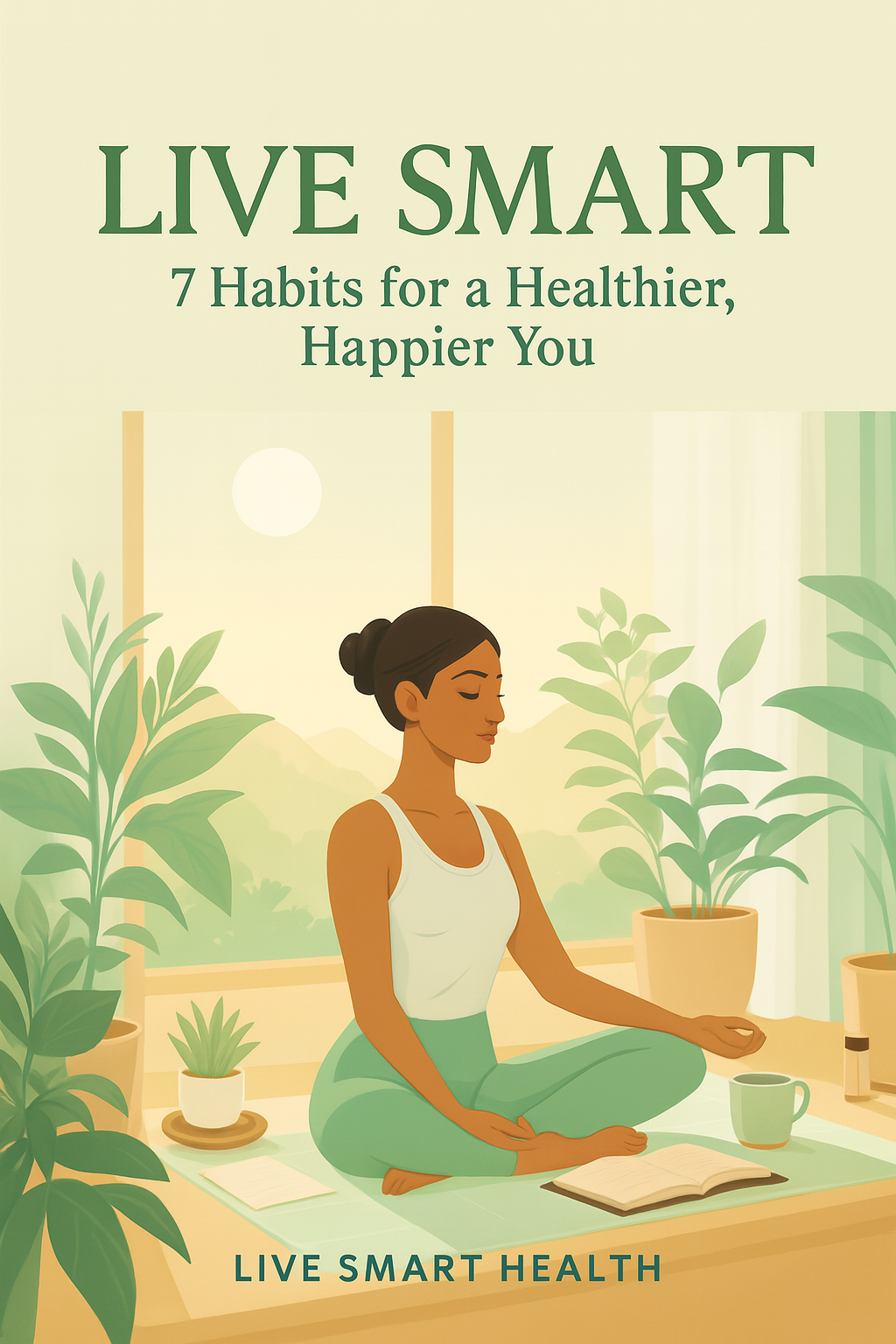
Rediscover Balance. Reclaim Joy. Live Healthier — Starting Today.
Feeling overwhelmed, tired, or out of balance lately?
It’s time to slow down and realign your life with habits that truly nurture your body, mind, and soul.
This FREE eBook, Live Smart: 7 Habits for a Healthier, Happier You, reveals simple yet powerful habits to help you:
🌱 Build energy and inner calm
💧 Improve focus and emotional well-being
☀️ Create sustainable routines for long-term health
💚 Feel more joy — naturally and effortlessly
Each chapter guides you through mindful steps, daily reflections, and practical tips that fit easily into your busy life.
👉 Download your FREE copy now and start your journey to a calmer, happier, and more fulfilling life.
Please log in to access your exclusive content.
Don’t have an account? Click the “Register” button below to sign up.
Related Posts