Heart Disease Care at Home: A Practical Guide
Living with a heart condition can feel overwhelming, especially when daily life suddenly revolves around medications, lifestyle changes, and constant monitoring. Heart Disease Care is not just about medical appointments. It is about the everyday choices that shape long-term health, safety, and quality of life. For patients and caregivers alike, understanding how to manage heart disease outside the hospital is both empowering and essential.
Heart disease remains one of the leading causes of chronic illness worldwide, yet many complications can be reduced with the right approach to care. From building heart-healthy routines to learning effective heart disease care at home, small, consistent actions can make a meaningful difference. Proper care helps lower the risk of emergency situations, improves recovery, and supports emotional well-being for everyone involved.
Whether you are newly diagnosed, supporting a loved one, or looking to improve existing habits, learning practical Heart Disease Care strategies can help you feel more confident and prepared. This guide focuses on realistic, evidence-informed steps, including elements of cardiac home care, that fit into everyday life.
Let’s start by understanding what heart disease care truly involves and how you can build a sustainable plan moving forward.
Chapter 1: Understanding Heart Disease Care
Heart disease is often talked about in medical terms, but Heart Disease Care begins long before hospital visits or emergency situations. It starts with understanding what heart disease really is, how it develops, and why daily care decisions matter. When people understand the condition, they are far more likely to follow care plans, recognize early warning signs, and make lifestyle changes that actually stick.
For many patients and families, heart disease is not a single event. It is a long-term condition that requires ongoing attention, informed choices, and practical home-based strategies. That is why building a strong foundation of knowledge is a critical first step.
What Is Heart Disease?
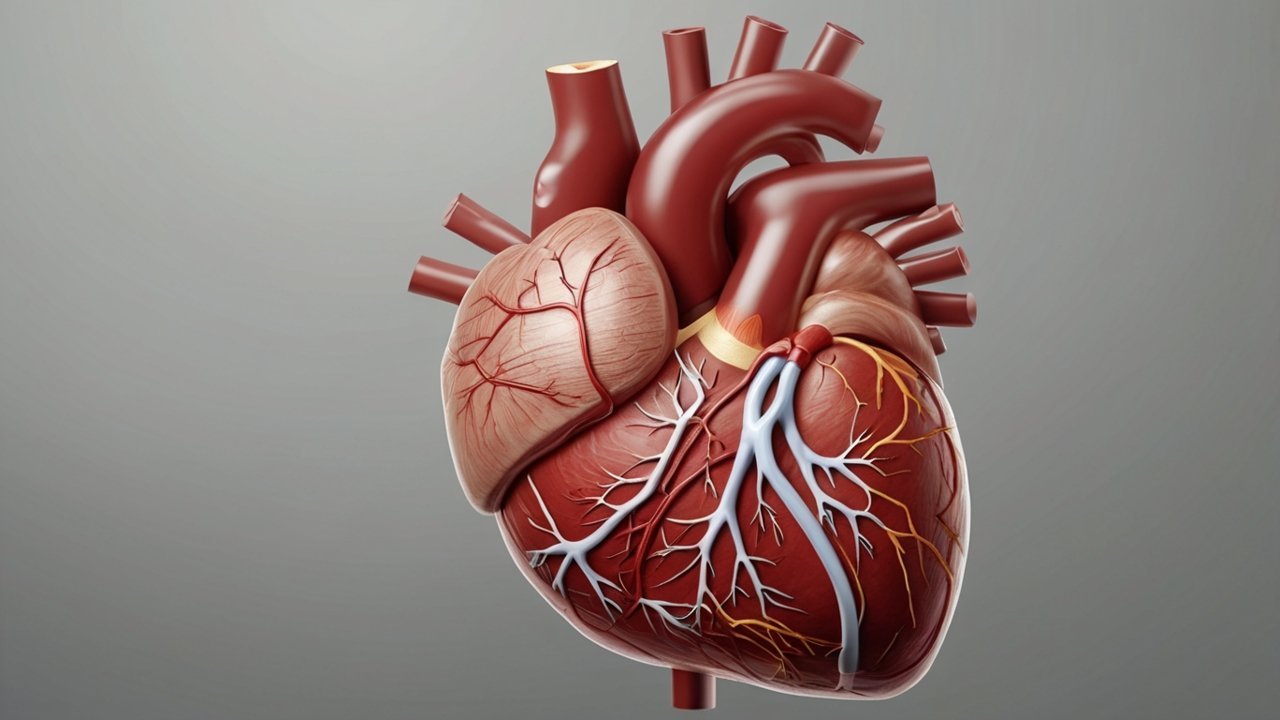
Heart disease is a broad term used to describe several conditions that affect the heart’s structure or function. These conditions often develop slowly and may not cause noticeable symptoms at first, which is why consistent Heart Disease Care is so important.
Common forms of heart disease include:
-
Coronary artery disease (CAD): Narrowing or blockage of blood vessels supplying the heart
-
Heart failure: The heart cannot pump blood effectively
-
Arrhythmias: Irregular heart rhythms
-
Valvular heart disease: Damage to heart valves affecting blood flow
According to research published by Harvard Health and PubMed, many forms of heart disease are closely linked to lifestyle factors such as diet, physical inactivity, smoking, and chronic stress. The good news is that these same factors are also powerful targets for prevention and management.
If you are focusing on lifestyle-based prevention, you may also find value in reading Low-Sodium Diet: What to Eat and Avoid to Boost Heart Health, which explores dietary strategies that support long-term cardiac care.
How Heart Disease Develops Over Time
Heart disease rarely appears overnight. It usually develops gradually due to a combination of genetic risk and everyday habits. Plaque buildup in arteries, prolonged high blood pressure, and chronic inflammation all place extra strain on the heart.
Without proper care, these issues can lead to:
-
Reduced blood flow to vital organs
-
Increased risk of heart attack or stroke
-
Fatigue, shortness of breath, and reduced mobility
This is where consistent Heart Disease Care at home becomes essential. Monitoring symptoms, maintaining healthy routines, and using recommended tools can slow disease progression and improve quality of life.
For example, regular walking has been shown to improve cardiovascular health and circulation. A simple habit like this can be highly effective, as discussed in Benefits of Walking Daily: 10 Surprising Health Perks.
Why Early and Ongoing Heart Disease Care Matters
One of the biggest misconceptions about heart disease is that care only matters after a major event, such as a heart attack. In reality, early and continuous care offers several advantages:
Pros of proactive heart disease care
-
Lower risk of complications
-
Fewer hospital readmissions
-
Better symptom control
-
Improved emotional well-being
Potential challenges
-
Requires consistency and routine
-
Lifestyle changes can feel overwhelming at first
-
Care plans may need adjustment over time
The benefits clearly outweigh the challenges, especially when care strategies are realistic and personalized. Many patients find that using a recommended tool such as a home blood pressure monitor or heart health tracking app makes daily care easier and more consistent.
If you are exploring practical home-based support, you may want to See pricing and reviews on the official site for tools and resources designed to support everyday heart health.
Evidence-Based Recommendations You Can Apply Now
Health authorities such as Healthline and Harvard Medical School consistently emphasize a few core principles of effective heart disease care:
-
Monitor blood pressure and heart rate regularly
-
Follow a heart-healthy eating pattern
-
Stay physically active within safe limits
-
Manage stress and prioritize sleep
-
Take medications exactly as prescribed
These steps may sound simple, but together they form the backbone of sustainable care. Many people underestimate how powerful small, daily actions can be when applied consistently.
For readers interested in broader lifestyle optimization, Home Health Care Services: A Practical Family Guide offers helpful insights into building supportive care environments.
Choosing Supportive Tools and Services
Effective heart disease care does not rely on willpower alone. Supportive tools and affordable services can reduce mental load and improve adherence. Examples include:
-
Digital blood pressure monitors
-
Medication organizers
-
Guided wellness programs
When chosen carefully, these tools act as silent partners in daily care. If you are looking for a best solution that combines education and practical support, you can Discover this affordable solution today and explore options that fit your routine.


Chapter 3: Heart Disease Care at Home
For many patients, the most important part of Heart Disease Care happens at home, not in a clinic. Daily routines, small habits, and home-based monitoring often have a greater long-term impact than occasional medical visits. When care at home is structured and realistic, it becomes easier to stay consistent and catch problems early.
Home-based care is especially valuable for people managing chronic heart conditions, older adults, and caregivers who want clear, practical guidance rather than overwhelming medical jargon.
Creating a Heart-Healthy Daily Routine
A stable routine is the backbone of effective heart disease care at home. It reduces stress, supports medication adherence, and helps the body maintain balance.
A simple heart-supportive routine often includes:
-
Consistent sleep and wake times to support cardiovascular rhythm
-
Light to moderate physical activity, such as walking
-
Regular meals with heart-healthy foods
-
Scheduled medication times
These routines do not need to be perfect. What matters most is consistency. Even small habits, repeated daily, can improve blood pressure control and energy levels over time.
For readers looking to build sustainable movement habits, Benefits of Walking Daily: 10 Surprising Health Perks explains why walking is one of the safest and most effective activities for heart patients.
Monitoring Vital Signs at Home
One of the most practical advantages of home-based Heart Disease Care is the ability to monitor key health indicators regularly. This allows patients and caregivers to notice changes before they become emergencies.
Key metrics to track include:
-
Blood pressure
-
Resting heart rate
-
Daily weight (to monitor fluid retention)
-
Symptoms such as swelling, dizziness, or shortness of breath
According to Harvard Health and Healthline, regular home monitoring is linked to better blood pressure control and fewer hospital readmissions. The key is using a recommended tool that is easy to operate and fits naturally into daily life.
If you are exploring reliable monitoring options designed for everyday use, you can See pricing and reviews on the official site to compare solutions that support heart health at home.
Medication Management Made Simple
Medication adherence is one of the most challenging aspects of heart disease care. Missed doses, incorrect timing, or confusion about prescriptions can reduce treatment effectiveness.
Practical strategies that work include:
-
Using pill organizers labeled by day and time
-
Setting phone or device reminders
-
Keeping an updated medication list in one place
-
Reviewing medications regularly with a healthcare provider
From a pros and cons perspective:
Pros
-
Better symptom control
-
Reduced risk of complications
-
Improved treatment outcomes
Cons
-
Requires organization and routine
-
May feel overwhelming at first
Using structured systems and simple tools helps overcome these challenges and makes adherence far more manageable.
Nutrition and Hydration at Home
Diet plays a central role in heart disease care at home. Excess sodium, added sugars, and highly processed foods can increase cardiovascular strain, while balanced meals support stable energy and blood pressure.
Evidence-based recommendations include:
-
Limiting sodium intake
-
Choosing whole foods over processed options
-
Staying adequately hydrated
-
Watching portion sizes
If dietary changes feel confusing, Low-Sodium Diet: What to Eat and Avoid to Boost Heart Health provides a clear, practical breakdown suitable for everyday cooking.
Managing Stress and Emotional Health
Heart disease care is not only physical. Emotional stress, anxiety, and poor sleep can all negatively affect heart health. Chronic stress is linked to higher blood pressure and inflammation, according to studies referenced on PubMed.
Helpful home-based strategies include:
-
Short daily relaxation or breathing exercises
-
Gentle stretching or yoga
-
Creating calm evening routines to support sleep
For readers interested in improving rest and recovery, Yoga Nidra for Sleep: Fall Asleep Faster and Stay Asleep Longer offers a science-backed approach to better sleep.
Using Supportive Services and Programs
Sustaining home care is easier with the right affordable service or guided program. Many patients benefit from combining medical advice with structured wellness support that reinforces daily habits.
These services can help with:
-
Education and accountability
-
Lifestyle planning
-
Long-term consistency
If you are searching for a best solution that supports heart disease care at home without complexity, you can Discover this affordable solution today and explore options designed for real-life routines.

Chapter 4: Diet and Nutrition for Heart Disease Care
When it comes to long-term Heart Disease Care, few factors are as powerful and controllable as diet. What you eat every day directly affects blood pressure, cholesterol levels, inflammation, and overall heart function. The good news is that nutrition does not need to be complicated or restrictive to be effective. With the right approach, food becomes a practical tool for daily care rather than a source of stress.
For many patients, improving diet is also the most visible way to feel progress. Better energy, improved digestion, and more stable weight are often early signs that nutrition changes are working.
Why Nutrition Is Central to Heart Disease Care
Heart disease and diet are closely linked. Research cited by Harvard Health and PubMed consistently shows that diets high in sodium, added sugars, and ultra-processed foods increase cardiovascular risk. In contrast, whole-food-based eating patterns help reduce blood pressure, support healthy cholesterol levels, and improve vascular function.
Effective Heart Disease Care through nutrition focuses on:
-
Reducing strain on the heart
-
Supporting healthy blood flow
-
Preventing fluid retention
-
Stabilizing blood sugar levels
Rather than chasing “perfect” eating, the goal is consistency and balance over time.
Heart-Healthy Foods to Prioritize
A heart-supportive diet emphasizes nutrient-dense foods that work together to protect cardiovascular health.
Key foods to include regularly:
-
Vegetables and fruits for fiber, antioxidants, and potassium
-
Whole grains such as oats, brown rice, and quinoa
-
Lean proteins like fish, poultry, legumes, and tofu
-
Healthy fats from olive oil, nuts, seeds, and avocados
Fiber deserves special attention. Higher fiber intake is linked to lower cholesterol and better blood sugar control. Readers interested in this topic may benefit from Highest Dietary Fiber Foods: A Simple Guide to Better Gut Health, which explains how fiber supports both gut and heart health.
Foods to Limit or Avoid
Understanding what to reduce is just as important as knowing what to eat more often.
Foods that can negatively impact heart disease care include:
-
High-sodium processed foods
-
Sugary beverages and desserts
-
Refined carbohydrates
-
Trans fats and excessive saturated fats
From a pros and cons perspective:
Reducing these foods
-
Lowers blood pressure
-
Reduces inflammation
-
Improves cholesterol balance
Challenges
-
Requires label reading
-
May involve changing long-standing habits
One of the most effective starting points is sodium reduction. Even modest decreases can lead to meaningful improvements in blood pressure. For practical guidance, Low-Sodium Diet: What to Eat and Avoid to Boost Heart Health offers clear, realistic advice for everyday meals.
Meal Planning for Real Life
One reason dietary changes fail is lack of planning. Heart disease care works best when meals are predictable, simple, and flexible.
Evidence-based meal planning tips include:
-
Preparing meals at home more often
-
Building meals around vegetables first
-
Keeping healthy snacks available
-
Using simple cooking methods like baking, steaming, or grilling
Meal planning does not require perfection. Even improving one meal per day can support long-term heart health.
For inspiration, readers may enjoy Healthy Chicken Recipes for Fitness, which provides heart-friendly meal ideas that are easy to prepare and family-approved.
Supplements and Functional Nutrition: A Cautious Look
Some patients explore supplements as part of heart disease care. While certain nutrients may support overall wellness, supplements should never replace medical treatment or dietary improvements.
Potential benefits
-
Convenience
-
Targeted nutrient support
Potential drawbacks
-
Variable quality
-
Limited evidence for some claims
If supplements are considered, they should be used cautiously and discussed with a healthcare provider. Choosing a recommended tool or nutrition support program that emphasizes education over hype is often a safer approach.
If you are curious about structured wellness support that complements healthy eating habits, you can See pricing and reviews on the official site to explore options designed for everyday health management.
Hydration and Heart Health
Hydration is often overlooked in heart disease care. Too little fluid can lead to dehydration, while too much may worsen fluid retention in some patients. Balance is key.
General hydration tips include:
-
Drinking water consistently throughout the day
-
Monitoring fluid intake if advised by a doctor
-
Watching for signs of swelling or sudden weight gain
Listening to your body and following personalized medical guidance is essential here.
Making Nutrition Sustainable
The most effective heart-healthy diet is one you can maintain. Sustainable nutrition focuses on progress, not perfection.
Helpful mindset shifts include:
-
Aiming for better choices most of the time
-
Allowing flexibility for social situations
-
Viewing food as part of care, not a restriction
For readers looking for a best solution that combines education, structure, and support, you may want to Discover this affordable solution today and see how guided programs can simplify daily decisions.

Chapter 5: Lifestyle Changes That Support Heart Health
Lifestyle habits shape the day-to-day reality of Heart Disease Care more than most people realize. Medications and medical checkups matter, but what happens between appointments often determines long-term outcomes. Sustainable lifestyle changes help reduce strain on the heart, improve energy levels, and lower the risk of complications over time.
The key is not dramatic transformation, but steady, realistic improvements that fit into real life.
Physical Activity: Moving the Heart Safely
Regular movement is one of the most effective tools in heart disease care. According to Harvard Health and multiple PubMed studies, moderate physical activity improves circulation, lowers blood pressure, and supports heart muscle function.
Safe, heart-supportive activities often include:
-
Walking at a comfortable pace
-
Light cycling or stationary biking
-
Gentle stretching or mobility exercises
-
Doctor-approved strength training
Pros of regular activity
-
Improves endurance and mood
-
Helps regulate blood pressure
-
Supports weight management
Cons to watch for
-
Overexertion if intensity is too high
-
Inconsistency without structure
Walking stands out as one of the safest and most accessible options. If you are building a routine from scratch, Benefits of Walking Daily: 10 Surprising Health Perks explains how simple movement supports long-term heart health.
A recommended tool such as a fitness tracker or step counter can help maintain motivation. If you are exploring supportive wellness tools, you can See pricing and reviews on the official site to compare options designed for everyday use.
Stress Management and Emotional Well-Being
Chronic stress is more than a mental burden. It has direct physiological effects on the heart, including elevated blood pressure, increased inflammation, and disrupted sleep. Effective Heart Disease Care must address emotional health alongside physical habits.
Practical stress-reduction strategies include:
-
Short daily breathing exercises
-
Mindfulness or guided relaxation
-
Limiting constant exposure to stressful news
-
Establishing calming evening routines
Research cited by Healthline shows that stress management can improve heart rate variability and overall cardiovascular resilience. Even a few minutes per day can make a measurable difference.
Sleep plays a crucial role here as well. Poor sleep is associated with higher cardiovascular risk. For readers struggling with rest, Yoga Nidra for Sleep: Fall Asleep Faster and Stay Asleep Longer offers an evidence-based approach to improving sleep quality without medication.
Smoking, Alcohol, and Heart Disease Care
Lifestyle changes also include reducing or eliminating habits that place extra strain on the heart.
Smoking
-
Increases blood vessel damage
-
Raises heart attack and stroke risk
-
Reducing or quitting offers rapid benefits
Alcohol
-
Excess intake can raise blood pressure
-
Moderation is essential for heart patients
While quitting or cutting back can feel challenging, these changes deliver some of the fastest improvements in heart health. Support programs and structured guidance often make the process more manageable.
Building Consistency Without Burnout
One of the biggest barriers to lifestyle change is burnout. Many patients try to change everything at once, only to feel overwhelmed and give up. Successful heart disease care focuses on gradual progress.
Helpful strategies include:
-
Changing one habit at a time
-
Tracking progress weekly instead of daily
-
Celebrating small wins
-
Adjusting routines when life gets busy
Comparatively:
All-at-once changes
-
Fast but hard to sustain
-
Higher risk of frustration
Gradual lifestyle shifts
-
Slower results
-
Much higher long-term success
This steady approach aligns with guidance from Harvard Medical School, which emphasizes sustainability over intensity.
Using Supportive Programs and Services
Lifestyle change is easier with structure. Many people benefit from affordable services or guided programs that provide accountability, education, and encouragement.
Supportive programs can help with:
-
Habit tracking
-
Stress management guidance
-
Nutrition and activity planning
-
Long-term motivation
If you are searching for a best solution that supports lifestyle changes without adding complexity, you may want to Discover this affordable solution today and explore options designed to integrate smoothly into daily routines.
Practical Lifestyle Checklist for Heart Health
To make changes actionable, consider this simple checklist:
-
Move your body most days of the week
-
Prioritize consistent sleep
-
Manage stress intentionally
-
Avoid smoking and limit alcohol
-
Use tools that support consistency
Each item reinforces the others. Together, they create a lifestyle framework that supports both heart health and overall well-being.
Lifestyle changes are not about perfection. They are about creating an environment where heart disease care becomes part of daily life rather than a constant struggle.

Chapter 6: Warning Signs That Require Medical Attention
Even with excellent routines and consistent Heart Disease Care, knowing when to seek medical help is critical. Many serious heart-related complications do not start with dramatic symptoms. They often begin with subtle changes that are easy to overlook, especially at home. Recognizing these warning signs early can prevent emergencies and, in some cases, save lives.
This chapter is about awareness, not fear. The goal is to help patients and caregivers feel prepared and confident, not anxious.
Symptoms You Should Never Ignore
Heart disease can affect people differently, but certain symptoms consistently signal the need for medical attention. These signs should never be dismissed or “waited out,” especially if they are new, worsening, or unexplained.
Key warning signs include:
-
Chest discomfort, pressure, or tightness
-
Shortness of breath at rest or with minimal activity
-
Sudden dizziness or fainting
-
Unusual fatigue that is persistent or severe
-
Swelling in the legs, ankles, or abdomen
-
Rapid or irregular heartbeat
According to Harvard Health and peer-reviewed studies on PubMed, many hospital admissions related to heart disease could be reduced if early symptoms were addressed sooner. Consistent Heart Disease Care at home makes it easier to notice these changes before they escalate.
Understanding Subtle Changes Over Time
Not all warning signs appear suddenly. Some develop gradually and may be mistaken for normal aging or stress. This is why tracking daily health patterns is so important.
Subtle signs to watch for include:
-
Needing more rest than usual
-
Reduced exercise tolerance
-
Gradual weight gain over a few days (possible fluid retention)
-
Increased nighttime shortness of breath
Monitoring trends rather than isolated symptoms provides valuable insight. A recommended tool such as a home blood pressure monitor or digital health tracker can help identify these changes early.
If you are evaluating reliable monitoring options, you can See pricing and reviews on the official site to explore tools designed for home-based heart care.
When to Seek Emergency Care Immediately
Some symptoms require urgent medical attention and should not be delayed. Call emergency services immediately if any of the following occur:
-
Chest pain lasting more than a few minutes
-
Pain spreading to the arm, jaw, back, or neck
-
Sudden confusion or difficulty speaking
-
Severe shortness of breath
-
Loss of consciousness
Healthline emphasizes that acting quickly during cardiac events significantly improves outcomes. It is always better to seek help and be reassured than to delay care during a potential emergency.
Creating an Emergency Action Plan at Home
One of the most effective ways to reduce stress during emergencies is to prepare in advance. An emergency action plan is a core part of responsible heart disease care.
A simple plan should include:
-
Emergency contact numbers
-
A current medication list
-
Known allergies and medical conditions
-
Preferred hospital or clinic
-
Clear instructions for caregivers
Keeping this information in one visible place reduces confusion during high-stress situations. Caregivers should review the plan regularly and update it as medications or conditions change.
For families managing multiple health needs, Home Health Care Services: A Practical Family Guide offers helpful strategies for organizing care and support.
Balancing Vigilance With Daily Living
A common concern among patients is becoming overly focused on symptoms. While awareness is essential, constant worry can increase stress, which itself affects heart health.
A balanced approach includes:
-
Regular monitoring without obsession
-
Clear guidelines on when to act
-
Trust in established care routines
Comparatively:
Too little awareness
-
Missed warning signs
-
Delayed treatment
Too much vigilance
-
Increased anxiety
-
Reduced quality of life
Effective Heart Disease Care finds the middle ground by combining education, structure, and supportive tools.
Supportive Tools That Improve Preparedness
Preparedness does not rely on memory alone. Tools and affordable services can improve confidence and response time.
Helpful options include:
-
Symptom tracking apps
-
Emergency alert devices
-
Digital health records
When chosen carefully, these tools act as safety nets rather than sources of stress. If you are looking for a best solution that integrates education with daily support, you can Discover this affordable solution today and explore resources designed for long-term heart care.
Key Takeaways for Patients and Caregivers
To summarize this chapter:
-
Learn and recognize warning signs early
-
Track changes consistently
-
Prepare an emergency action plan
-
Use tools that support awareness, not anxiety
Understanding when to seek help is one of the most important skills in heart disease care.

Chapter 7: Role of Caregivers in Heart Disease Care
Heart disease rarely affects only one person. Behind every patient managing daily routines, medications, and lifestyle changes, there is often a caregiver providing quiet, consistent support. Whether that caregiver is a spouse, adult child, family member, or close friend, their role is a vital part of effective Heart Disease Care.
Good caregiving is not about doing everything perfectly. It is about creating stability, reducing stress, and helping patients stay consistent with their care plan.
Why Caregivers Matter in Heart Disease Care
Studies referenced by Harvard Health and PubMed consistently show that patients with strong social and caregiver support experience better outcomes. They are more likely to follow treatment plans, recognize warning signs early, and maintain healthier routines.
Caregivers contribute by:
-
Supporting daily care tasks
-
Helping monitor symptoms and medications
-
Providing emotional reassurance
-
Acting quickly during health changes
In many cases, caregivers become the bridge between medical advice and real-life application at home.
Daily Care Responsibilities: What Really Helps
Caregiving does not require medical training, but it does benefit from structure and clarity. The most effective caregivers focus on consistency rather than control.
Common daily responsibilities include:
-
Helping organize medications and reminders
-
Supporting heart-healthy meal planning
-
Encouraging safe physical activity
-
Assisting with appointment scheduling
-
Tracking symptoms or vital signs
Using a recommended tool such as a shared health tracker or medication organizer can reduce mental load for both the caregiver and the patient. If you are exploring practical support tools, you can See pricing and reviews on the official site to compare options designed for home care.
Emotional Support and Communication
Heart disease care is not only physical. Fear, frustration, and uncertainty are common for patients, especially after diagnosis or hospitalization. Caregivers play a crucial role in emotional stability.
Effective emotional support includes:
-
Listening without immediately offering solutions
-
Encouraging independence where possible
-
Acknowledging setbacks without judgment
-
Maintaining calm during stressful moments
Open communication builds trust. Patients who feel heard are more likely to share symptoms early rather than hiding concerns.
For caregivers supporting lifestyle changes, simple shared activities can help. For example, walking together not only supports physical health but also strengthens emotional connection. Benefits of Walking Daily: 10 Surprising Health Perks explains why this habit benefits both patients and caregivers.
Preventing Caregiver Burnout
One of the most overlooked risks in heart disease care is caregiver burnout. Constant responsibility without support can lead to exhaustion, stress, and declining health for the caregiver.
Warning signs of burnout include:
-
Chronic fatigue
-
Irritability or emotional withdrawal
-
Sleep problems
-
Neglecting personal health
Comparatively:
Supported caregivers
-
Provide more consistent care
-
Communicate more effectively
-
Maintain better long-term health
Overburdened caregivers
-
Experience higher stress
-
Are more likely to miss warning signs
-
May struggle with patience and consistency
Preventing burnout is not selfish. It is essential to sustainable care.
Practical Strategies for Caregivers to Stay Balanced
Caregivers can protect their own well-being by adopting simple, realistic strategies:
-
Schedule short daily breaks
-
Accept help from family or services
-
Keep routines simple
-
Set boundaries when needed
Using affordable services or structured wellness programs can also reduce pressure. These resources often provide education, reminders, and emotional support for both patients and caregivers.
If you are looking for a best solution that supports caregiving without adding complexity, you can Discover this affordable solution today and explore programs designed to support long-term home-based care.
Caregivers as Part of the Care Team
Caregivers are not passive helpers. They are active members of the care team. Encouraging caregivers to attend appointments, ask questions, and understand treatment plans improves communication and outcomes.
Helpful actions include:
-
Keeping a shared health notebook
-
Preparing questions before appointments
-
Clarifying care instructions with providers
For families coordinating multiple care needs, Home Health Care Services: A Practical Family Guide offers practical insights into organizing support effectively.
Key Takeaways for Caregivers
To summarize this chapter:
-
Caregivers play a central role in heart disease care
-
Daily support and emotional stability matter
-
Burnout prevention is essential
-
Tools and services can reduce stress
Strong caregiving relationships improve outcomes for everyone involved.
Chapter 8: Tools and Resources That Support Heart Disease Care
Managing heart disease becomes far more sustainable when the right tools and resources are in place. While medical guidance sets the direction, everyday support systems help patients and caregivers stay consistent, informed, and confident. Effective Heart Disease Care is rarely about doing more. It is about using smarter, simpler tools that reduce friction in daily life.
This chapter focuses on practical resources that genuinely help, without overwhelming patients or creating unnecessary dependence.
Home Monitoring Tools That Make a Real Difference
Home monitoring is one of the most evidence-backed components of heart disease care. According to Harvard Health and studies indexed on PubMed, patients who regularly monitor key health indicators often experience better blood pressure control and fewer hospital admissions.
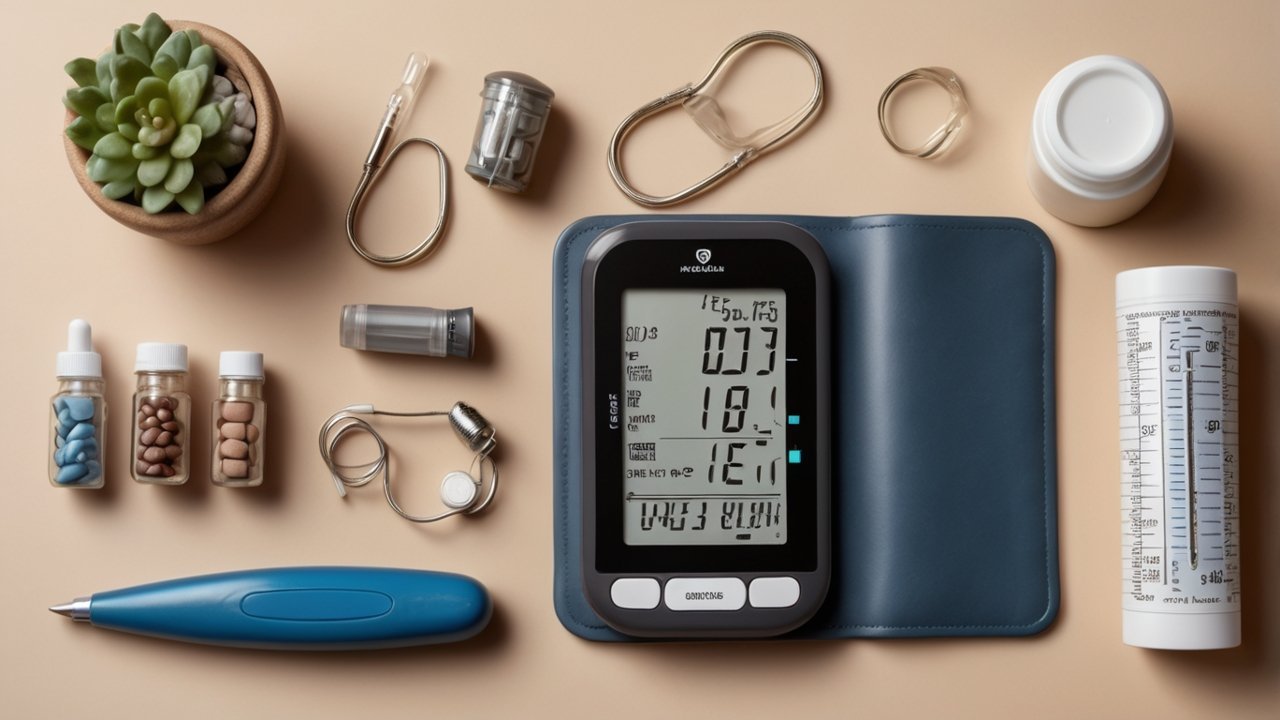
Useful home monitoring tools include:
-
Digital blood pressure monitors
-
Heart rate trackers
-
Smart scales for monitoring fluid retention
-
Symptom tracking apps or journals
Pros
-
Early detection of changes
-
Better communication with healthcare providers
-
Increased confidence and control
Cons
-
Requires consistency
-
Too much data can feel overwhelming if not simplified
The key is choosing a recommended tool that is easy to use and fits naturally into daily routines. If you are comparing reliable home health tools designed for everyday use, you can See pricing and reviews on the official site to explore options trusted by patients and caregivers.
Digital Resources and Educational Platforms
Reliable education is a cornerstone of effective heart disease care. Unfortunately, online information is often fragmented or overly technical. Well-designed digital resources help bridge the gap between medical advice and daily action.
Helpful digital resources often provide:
-
Clear explanations of heart conditions
-
Medication and lifestyle reminders
-
Guided wellness programs
-
Progress tracking
When used properly, these platforms reinforce healthy habits rather than replacing professional care. Patients who understand their condition are more likely to follow care plans and recognize warning signs early.
For readers who enjoy structured learning, combining digital education with lifestyle articles such as Low-Sodium Diet: What to Eat and Avoid to Boost Heart Health helps translate information into daily practice.
Tools That Support Medication Adherence
Medication adherence remains one of the biggest challenges in heart disease care. Missed or incorrect doses can significantly reduce treatment effectiveness.
Helpful tools include:
-
Weekly or monthly pill organizers
-
Reminder apps or alarms
-
Shared medication lists for caregivers
Comparative insight
-
Manual systems are simple and reliable
-
Digital reminders offer automation but require setup
Using even one adherence tool can improve consistency. The best approach is the one that feels easiest to maintain over time.
Lifestyle Support Tools for Daily Consistency
Lifestyle changes are easier when supported by simple systems. Tools that encourage movement, stress management, and routine-building play a powerful supporting role in heart disease care.
Examples include:
-
Step counters or fitness trackers
-
Guided breathing or relaxation apps
-
Sleep tracking tools
Physical activity, in particular, benefits from gentle accountability. For those starting with low-impact movement, Benefits of Walking Daily: 10 Surprising Health Perks explains why walking is one of the safest and most effective options for heart patients.
Support Services and Structured Programs
Some patients benefit from additional guidance beyond tools alone. Structured wellness programs and affordable services can provide education, accountability, and emotional support.
These services often help with:
-
Habit formation
-
Nutrition guidance
-
Stress management
-
Long-term motivation
From a pros and cons perspective:
Pros
-
Reduces decision fatigue
-
Provides clear structure
-
Supports consistency
Cons
-
Requires engagement
-
Quality varies by provider
Choosing a service that emphasizes education and realistic routines is essential. If you are looking for a best solution that integrates daily support with evidence-based guidance, you may want to Discover this affordable solution today and explore programs designed for long-term heart health management.
Community and Professional Support Resources
Heart disease care improves when patients and caregivers do not feel alone. Community resources and professional support networks offer reassurance, shared experience, and practical advice.
Helpful resources include:
-
Online patient communities
-
Local support groups
-
Home health care services
For families coordinating care across multiple needs, Home Health Care Services: A Practical Family Guide provides practical insights into choosing and managing supportive services.
Choosing the Right Tools Without Overloading Yourself
One common mistake is trying to use too many tools at once. Effective heart disease care focuses on simplicity.
A practical approach:
-
Start with one monitoring tool
-
Add one lifestyle support tool
-
Review usefulness after a few weeks
Tools should reduce stress, not create it. If something feels burdensome, it may not be the right fit.
Key Takeaways for Tools and Resources
To summarize this chapter:
-
Tools support consistency, not perfection
-
Home monitoring improves awareness and outcomes
-
Education empowers better decision-making
-
Structured services can reduce mental load
The right tools make heart disease care more manageable and sustainable.

Chapter 9: Frequently Asked Questions About Heart Disease Care
When managing a long-term condition, questions are inevitable. Clear, reliable answers reduce anxiety and help patients and caregivers make better decisions. This chapter addresses some of the most common questions surrounding Heart Disease Care, using evidence-based guidance and practical experience.
Can Heart Disease Be Managed at Home?
In many cases, yes. While some heart conditions require hospital treatment or specialized procedures, a large portion of ongoing Heart Disease Care happens at home. According to Harvard Health and Healthline, home-based care that combines medication adherence, lifestyle changes, and regular monitoring can significantly improve outcomes for stable patients.
Home management often includes:
-
Monitoring blood pressure and heart rate
-
Following a heart-healthy diet
-
Staying physically active within safe limits
-
Managing stress and sleep
That said, home care works best when it complements regular medical supervision, not replaces it.
For readers interested in structured home-based support, Home Health Care Services: A Practical Family Guide explains how professional services can safely extend care beyond the clinic.
How Often Should Heart Patients See a Doctor?
The frequency of medical checkups depends on the type and severity of heart disease, as well as symptom stability. Most cardiologists recommend:
-
Routine follow-ups every 3–6 months for stable patients
-
More frequent visits if symptoms change or worsen
Between appointments, consistent home monitoring plays a critical role. Tracking blood pressure, weight, and symptoms helps provide useful data during checkups.
Using a recommended tool for home monitoring can make this process easier and more accurate. If you are comparing reliable options, you can See pricing and reviews on the official site to explore tools designed for everyday heart care.
Is Exercise Safe for People With Heart Disease?
This is one of the most common concerns, and the answer is usually yes, with proper guidance. Research published on PubMed shows that safe, moderate exercise improves cardiovascular fitness, lowers blood pressure, and enhances quality of life for most heart patients.
Safe activities often include:
-
Walking
-
Light cycling
-
Stretching and mobility exercises
Pros
-
Improves circulation and endurance
-
Reduces stress
-
Supports weight management
Cons
-
Risk of overexertion if intensity is too high
Always consult a healthcare provider before starting or changing an exercise routine. For a practical, low-risk starting point, Benefits of Walking Daily: 10 Surprising Health Perks explains why walking is widely recommended for heart health.
Can Diet Really Make a Difference?
Yes. Diet is one of the most influential factors in heart disease care. Harvard Health consistently highlights nutrition as a cornerstone of cardiovascular management. Reducing sodium, limiting added sugars, and prioritizing whole foods can lead to measurable improvements in blood pressure and cholesterol.
Patients often see benefits such as:
-
Better energy levels
-
Improved digestion
-
More stable weight
For practical guidance, Low-Sodium Diet: What to Eat and Avoid to Boost Heart Health provides actionable advice suitable for everyday meals.
What Are the Biggest Mistakes in Heart Disease Care?
Some common pitfalls include:
-
Ignoring mild symptoms
-
Inconsistent medication use
-
Making too many lifestyle changes at once
-
Relying on unverified information
Comparatively:
Effective care
-
Focuses on consistency
-
Uses evidence-based guidance
-
Builds sustainable routines
Ineffective care
-
Reacts only during emergencies
-
Lacks structure
-
Creates stress and burnout
Avoiding these mistakes often comes down to education, planning, and using the right support systems.
Are Supplements Necessary for Heart Disease Care?
Supplements are not usually required and should never replace prescribed medications or lifestyle changes. Some may support overall wellness, but evidence varies widely.
Potential benefits
-
Convenience
-
Targeted nutrient support
Potential risks
-
Inconsistent quality
-
Possible interactions with medications
Always consult a healthcare provider before adding supplements. Many patients find more value in structured wellness education rather than individual products. If you are exploring a best solution that emphasizes lifestyle guidance and daily consistency, you can Discover this affordable solution today and review supportive programs designed for long-term health management.
How Can Caregivers Support Without Taking Over?
Healthy caregiving balances support with independence. Encouraging patients to participate actively in their care builds confidence and long-term adherence.
Helpful approaches include:
-
Supporting routines rather than controlling them
-
Encouraging communication about symptoms
-
Sharing activities like walking or meal planning
This balance protects both patient dignity and caregiver well-being.
Key Takeaways From This FAQ
-
Many aspects of heart disease care can be managed at home
-
Consistency matters more than intensity
-
Exercise and diet are powerful tools when used safely
-
Reliable tools and services reduce stress and improve outcomes
By addressing common questions clearly, patients and caregivers can move forward with greater confidence.


Rediscover Balance. Reclaim Joy. Live Healthier — Starting Today.
Feeling overwhelmed, tired, or out of balance lately?
It’s time to slow down and realign your life with habits that truly nurture your body, mind, and soul.
This FREE eBook, Live Smart: 7 Habits for a Healthier, Happier You, reveals simple yet powerful habits to help you:
🌱 Build energy and inner calm
💧 Improve focus and emotional well-being
☀️ Create sustainable routines for long-term health
💚 Feel more joy — naturally and effortlessly
Each chapter guides you through mindful steps, daily reflections, and practical tips that fit easily into your busy life.
👉 Download your FREE copy now and start your journey to a calmer, happier, and more fulfilling life.
Please log in to access your exclusive content.
Don’t have an account? Click the “Register” button below to sign up.
Related Posts