Slow Metabolism Female: 15 Signs of Weight Gain
Have you ever felt like your body is working against you, no matter how hard you try to stay fit? If you’re experiencing slow metabolism female issues, you’re not alone—and it might explain unexpected weight gain or low energy levels. Many women struggle with slow metabolism female symptoms without realizing what’s really going on beneath the surface.
Metabolism plays a key role in how your body converts food into energy. When it slows down, even small lifestyle habits can lead to noticeable changes, including unexplained weight gain and persistent fatigue. The truth is, factors like hormonal imbalances, stress, and aging can all contribute to a slower metabolic rate. That’s why understanding the early slow metabolism symptoms is so important—it empowers you to take control before the problem worsens.
In this article, we’ll break down the most common signs of slow metabolism female, uncover the root causes, and explore practical ways to support your body’s natural balance. Let’s dive in and uncover what your body might be trying to tell you.
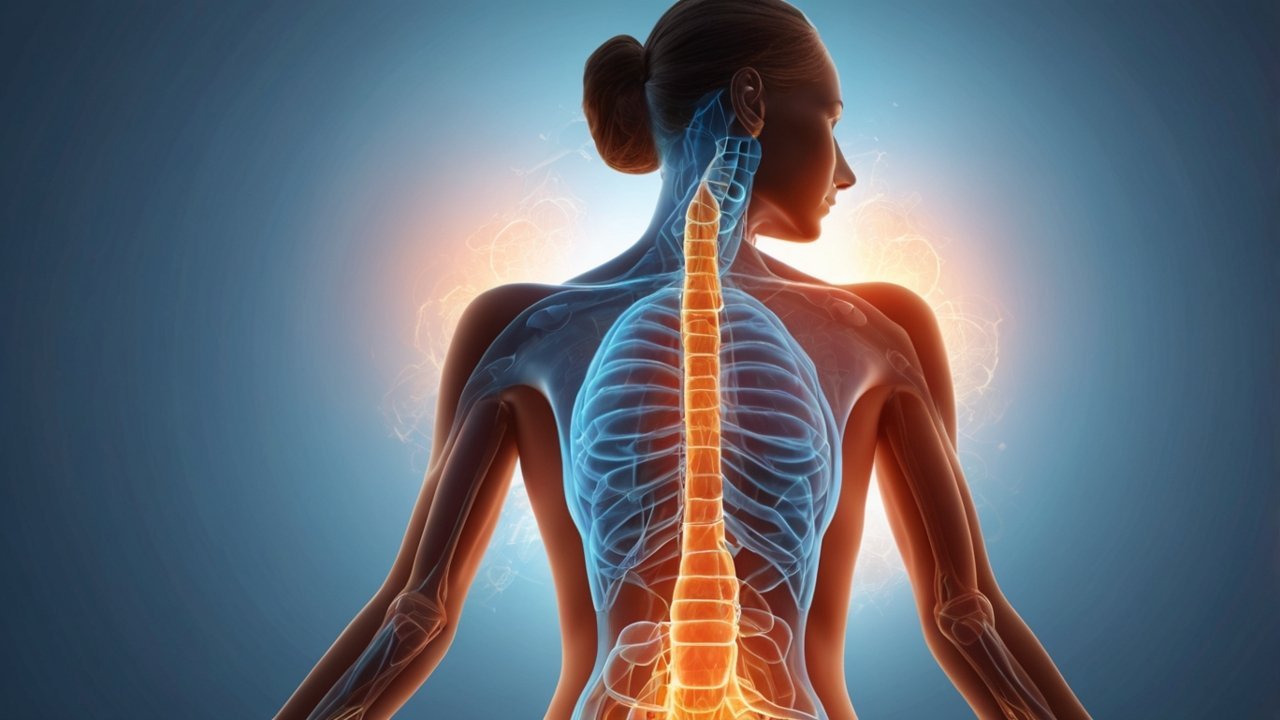
Chapter 1: Introduction to Metabolism and Weight Gain
Understanding how your body works is the first step to solving stubborn weight issues. If you’ve been dealing with slow metabolism female challenges, this section will help you connect the dots between metabolism, hormones, and weight gain in a clear, practical way.
What Is Slow Metabolism Female and Why It Matters
Metabolism refers to how your body converts food into energy. When this process slows down, your body burns fewer calories—even at rest. This is where slow metabolism female concerns begin to show up, often in subtle but frustrating ways.
According to research from Harvard Health, metabolism is influenced by factors like age, muscle mass, and hormone levels. Women are especially vulnerable because hormonal fluctuations can directly impact metabolic rate.
Here’s why it matters:
-
You burn fewer calories throughout the day
-
Fat storage increases, especially around the abdomen
-
Energy levels drop, making daily tasks feel harder
If this sounds familiar, you’re not alone. Many women overlook these signs until weight gain becomes difficult to reverse. For a deeper breakdown of early warning signs, check out this guide on slow metabolism symptoms explained.
How Slow Metabolism Female Leads to Weight Gain
Weight gain doesn’t happen overnight—it’s usually the result of small metabolic changes over time. When your metabolism slows, your body becomes more efficient at storing energy instead of burning it.
Here’s a simple example:
Imagine eating the same meals you always have. In the past, your body burned those calories easily. But now, with a slower metabolism, those extra calories get stored as fat.
Common triggers include:
-
Hormonal imbalances (thyroid, insulin resistance)
-
Sedentary lifestyle
-
Poor sleep quality
-
Chronic stress
A study published on PubMed highlights that reduced metabolic rate is strongly linked to increased fat accumulation, especially in women.
To counter this, building muscle and staying active is key. You can start with simple routines like those in this guide on tummy fat loss exercises at home.
Key Differences Between Normal vs Slow Metabolism Female
Not sure if your metabolism is actually slow? Understanding the difference can help you take the right action.
| Factor | Normal Metabolism | Slow Metabolism Female |
|---|---|---|
| Energy Levels | Stable | Constant fatigue |
| Weight Changes | Easy to manage | Gradual weight gain |
| Body Temperature | Normal | Often feel cold |
| Digestion | Regular | Sluggish or bloated |
One important thing to note: not all weight gain is caused by metabolism alone. Sometimes, underlying issues like mitochondrial function also play a role. If you’re experiencing ongoing fatigue, you might benefit from learning more about mitochondrial energy support.
Practical Ways to Support Slow Metabolism Female Naturally
The good news? You can improve your metabolism with small, consistent changes.
Start with these proven strategies:
-
Eat more protein to boost calorie burning
-
Strength train regularly to build muscle
-
Stay hydrated to support metabolic processes
-
Prioritize sleep to regulate hormones
Nutrition also plays a huge role. Adding metabolism-friendly foods can make a noticeable difference. Explore options in this guide on top superfoods to boost energy and burn fat.
Best Recommended Tool to Support Metabolism
If lifestyle changes alone aren’t enough, some women turn to supplements as a supportive solution. A high-quality metabolism support formula can help improve energy levels and fat-burning efficiency.
One recommended tool many users are exploring is a natural metabolism booster designed specifically for women.
👉 See pricing and reviews on the official site
Pros:
-
Supports energy and fat metabolism
-
Easy to incorporate into daily routine
Cons:
-
Results vary depending on lifestyle
-
Not a substitute for healthy habits
For those looking for a more targeted approach to weight management, you can also discover this affordable solution today and compare options based on your goals.
Why Early Awareness of Slow Metabolism Female Is Critical
Catching the signs early can save you months—or even years—of frustration. The sooner you understand your body, the easier it becomes to manage weight, energy, and overall health.
If you’re noticing even a few symptoms, it’s worth paying attention. Small adjustments today can lead to long-term results.
For a broader wellness perspective, you can explore more expert-backed strategies at .
By understanding how slow metabolism female patterns develop, you’re already one step closer to taking control. In the next section, we’ll dive deeper into the root causes behind metabolic slowdown and what you can do about them.




Chapter 4: How Hormones Influence Female Metabolism
Hormones play a powerful role in regulating your body’s energy use, fat storage, and overall metabolic speed. If you’re dealing with slow metabolism female issues, there’s a strong chance your hormones are part of the story.
Understanding how these internal signals work can help you take smarter, more targeted action.
Thyroid Hormones and Slow Metabolism Female Function
Your thyroid is often called the “master regulator” of metabolism—and for good reason. It produces hormones (T3 and T4) that control how quickly your body burns calories.
When thyroid function is low (hypothyroidism), you may experience:
-
Weight gain despite normal eating habits
-
Constant fatigue
-
Feeling cold more often
According to Harvard Health, even a slight drop in thyroid hormone levels can significantly slow metabolic rate.
If you suspect thyroid-related issues, it’s worth exploring natural support options. Learn more in this guide on thyroid health supplements that work.
Insulin Resistance and Fat Storage
Insulin is another key hormone that directly affects metabolism. Its main job is to regulate blood sugar—but when your body becomes resistant to insulin, problems begin.
Here’s what happens:
-
Your body stores more fat instead of using it for energy
-
Blood sugar levels fluctuate
-
Cravings for sugar and carbs increase
This is one of the most common hidden causes of slow metabolism female weight gain.
Research from PubMed shows that insulin resistance is strongly linked to obesity and metabolic dysfunction in women.
To improve insulin sensitivity:
-
Reduce refined sugar intake
-
Eat more fiber-rich foods
-
Stay physically active
You can explore practical dietary strategies in highest dietary fiber foods guide.
Cortisol, Stress, and Metabolism Slowdown
Stress is more than just a mental burden—it has a direct physical impact on your metabolism.
When you’re stressed, your body releases cortisol. While helpful in short bursts, chronic stress leads to:
-
Increased fat storage (especially belly fat)
-
Slower calorie burning
-
Disrupted sleep patterns
This creates a cycle where stress worsens slow metabolism female symptoms, and those symptoms increase stress.
Harvard Health highlights that chronic high cortisol levels are linked to weight gain and metabolic imbalance.
To manage cortisol effectively:
-
Practice relaxation techniques (meditation, breathing exercises)
-
Maintain a consistent sleep schedule
-
Engage in light physical activity like walking
You can also improve sleep quality using methods like Yoga Nidra for deep sleep.
Estrogen Imbalance and Female Weight Gain
Estrogen plays a unique role in female metabolism. When levels are too high or too low, it can disrupt how your body stores fat.
Common signs of imbalance include:
-
Weight gain around hips and abdomen
-
Water retention
-
Mood swings
During menopause, estrogen levels drop, which often leads to a slower metabolism and increased fat storage.
Balancing estrogen naturally involves:
-
Eating whole, nutrient-rich foods
-
Supporting liver health
-
Avoiding excessive processed foods
For deeper detox and hormone support, explore best liver detox methods that work.
Best Recommended Tool for Hormonal Balance Support
If hormonal imbalance is contributing to your slow metabolism female symptoms, combining lifestyle changes with a recommended tool can be highly effective.
A natural supplement designed for metabolism and hormone support may help:
-
Regulate energy levels
-
Improve fat metabolism
-
Support hormonal balance
👉 See pricing and reviews on the official site
Pros:
-
Targets multiple metabolic pathways
-
Convenient daily support
Cons:
-
Requires consistent use
-
Works best alongside healthy habits
For those exploring additional options, you can also discover this affordable solution today and compare what suits your needs.
Why Hormonal Balance Is Key to Fixing Slow Metabolism Female
Hormones don’t work in isolation—they interact with every system in your body. That’s why addressing just diet or exercise may not fully solve the problem.
A balanced approach that includes:
-
Hormone support
-
Nutrition
-
Lifestyle adjustments
…is the most effective way to restore metabolic health.
For more expert-backed wellness strategies, explore .
Now that you understand how hormones impact metabolism, the next step is identifying medical conditions linked to metabolic slowdown—and how to address them effectively.

Chapter 5: Medical Conditions Linked to Slow Metabolism
Sometimes, slow metabolism female symptoms are not just caused by lifestyle factors—they may be linked to underlying medical conditions. If you’ve been doing everything “right” but still struggle with weight gain, fatigue, or low energy, it’s important to look deeper.
Let’s explore the most common health conditions that can slow metabolism and what you can do about them.
Hypothyroidism and Slow Metabolism Female Issues
Hypothyroidism is one of the most common medical causes of a slow metabolism in women. It occurs when the thyroid gland doesn’t produce enough hormones to regulate your metabolic rate.
Common symptoms include:
-
Unexplained weight gain
-
Persistent fatigue
-
Dry skin and hair
-
Sensitivity to cold
According to Harvard Health, even mild thyroid dysfunction can significantly reduce calorie burning.
If you suspect thyroid issues, early testing is crucial. In addition, you can explore supportive strategies in thyroid health supplements that work.
Polycystic Ovary Syndrome (PCOS) and Weight Gain
PCOS is a hormonal disorder that affects many women of reproductive age. It is closely linked to slow metabolism female patterns due to insulin resistance and hormonal imbalance.
Key signs of PCOS include:
-
Irregular periods
-
Weight gain (especially abdominal fat)
-
Acne or excess hair growth
Research published on PubMed shows that women with PCOS often have reduced metabolic flexibility, making it harder to burn fat efficiently.
Managing PCOS typically involves:
-
Balanced nutrition
-
Regular exercise
-
Blood sugar control
You can support these changes with practical diet strategies from diabetes management guidelines.
Metabolic Syndrome and Long-Term Health Risks
Metabolic syndrome is a cluster of conditions that increase the risk of heart disease, diabetes, and stroke. It’s also strongly associated with slow metabolism female weight gain.
It typically includes:
-
High blood sugar
-
Increased abdominal fat
-
High blood pressure
-
Abnormal cholesterol levels
The danger of metabolic syndrome is that it often develops silently. Many women don’t realize they have it until symptoms worsen.
To reduce risk:
-
Focus on whole, nutrient-dense foods
-
Maintain regular physical activity
-
Monitor blood sugar and cholesterol levels
For a broader health approach, explore heart disease care at home.
Digestive Disorders and Metabolism Slowdown
Your gut health plays a major role in metabolism. Poor digestion can reduce nutrient absorption, which in turn affects energy production.
Common digestive-related issues include:
-
Chronic bloating
-
Constipation
-
Gut inflammation
According to Healthline, an unhealthy gut microbiome can disrupt metabolism and contribute to weight gain.
Improving gut health can significantly boost metabolic efficiency. Start with simple steps from digestive system health guide.
Pros vs Cons: Identifying Medical Causes vs Lifestyle Causes
| Factor | Medical Causes | Lifestyle Causes |
|---|---|---|
| Onset | Often gradual | Often linked to habits |
| Symptoms | Persistent, harder to reverse | Easier to improve |
| Treatment | May require medical care | Lifestyle adjustments |
| Control | Limited without diagnosis | High with consistency |
👉 Key Insight: If your symptoms persist despite healthy habits, it’s time to consult a professional.
Best Recommended Tool for Metabolic Support
When dealing with underlying conditions, combining medical guidance with a best solution can improve results.
A high-quality metabolism support supplement may help:
-
Enhance energy production
-
Support fat metabolism
-
Complement medical treatment plans
👉 See pricing and reviews on the official site
Pros:
-
Supports metabolism naturally
-
Easy to include in daily routine
Cons:
-
Not a replacement for medical treatment
-
Results vary depending on condition
If you’re comparing options, you can also discover this affordable solution today and choose what aligns with your health goals.
When to Seek Medical Help for Slow Metabolism Female
You should consider professional evaluation if you notice:
-
Rapid or unexplained weight gain
-
Extreme fatigue that doesn’t improve
-
Hormonal irregularities
-
Persistent digestive issues
Early diagnosis can prevent complications and help you regain control faster.
For more expert-backed health insights and guidance, explore .
Understanding these medical conditions gives you a clearer picture of what might be happening inside your body. In the next section, we’ll look at how to properly diagnose slow metabolism and what tests can give you real answers.

Chapter 7: Effective Ways to Boost Slow Metabolism Female Naturally
If you’ve identified slow metabolism female symptoms, the good news is that you can improve your metabolism with the right strategies. The key is consistency—small daily habits can lead to powerful long-term results.
Let’s explore proven, science-backed methods to help your body burn energy more efficiently.
Strength Training to Reverse Slow Metabolism Female
One of the most effective ways to boost metabolism is building muscle. Muscle tissue burns more calories than fat—even when you’re resting.
Benefits of strength training include:
-
Increased resting metabolic rate
-
Improved fat burning
-
Better body composition
According to Harvard Health, strength training can significantly improve metabolic health, especially in women over 30.
If you’re just starting out, try beginner-friendly routines like home workout plan for men and women.
👉 Tip: Aim for 2–3 strength sessions per week for noticeable results.
Protein-Rich Diet for Metabolism Support
What you eat has a direct impact on your metabolism. Protein, in particular, has a high thermic effect—meaning your body burns more calories digesting it.
Why protein helps:
-
Boosts calorie burning
-
Preserves muscle mass
-
Reduces cravings
Research from PubMed shows that high-protein diets can increase metabolism by up to 30% during digestion.
To get started, explore meal ideas in healthy chicken recipes for fitness or follow structured plans like high protein diet guide.
Hydration and Its Role in Slow Metabolism Female
Many people underestimate the power of hydration. Even mild dehydration can slow your metabolism.
Benefits of staying hydrated:
-
Supports calorie burning
-
Improves digestion
-
Enhances energy levels
A study published on PubMed found that drinking water can temporarily boost metabolic rate by up to 30%.
👉 Simple habit: Drink a glass of water before meals to support metabolism and control appetite.
Improve Sleep to Restore Metabolic Balance
Sleep is one of the most overlooked factors in slow metabolism female recovery.
Poor sleep can:
-
Disrupt hunger hormones
-
Increase cravings
-
Reduce energy levels
Harvard Health highlights that sleep deprivation is directly linked to weight gain and metabolic dysfunction.
To improve sleep quality:
-
Stick to a consistent bedtime
-
Avoid screens before sleep
-
Create a relaxing nighttime routine
You can also try relaxation techniques like Yoga Nidra for better sleep.
Manage Stress to Prevent Metabolism Slowdown
Chronic stress increases cortisol, a hormone that promotes fat storage and slows metabolism.
To reduce stress:
-
Practice mindfulness or meditation
-
Take daily walks
-
Engage in relaxing hobbies
Even 10–15 minutes of stress reduction daily can make a noticeable difference.
Best Foods to Naturally Boost Slow Metabolism Female
Certain foods can naturally support your metabolism and energy levels.
Top metabolism-boosting foods:
-
Lean proteins (chicken, fish, eggs)
-
Fiber-rich foods (vegetables, whole grains)
-
Spices (chili, ginger)
-
Green tea
You can explore more options in top superfoods to boost energy and burn fat.
Best Recommended Tool to Accelerate Results
While lifestyle changes are essential, combining them with a best solution can help you see results faster.
A natural metabolism support supplement may help:
-
Increase daily energy levels
-
Support fat burning
-
Enhance metabolic efficiency
👉 See pricing and reviews on the official site
Pros:
-
Supports metabolism naturally
-
Easy to include in daily routine
Cons:
-
Results vary by individual
-
Requires consistency
If you’re exploring alternatives, you can also discover this affordable solution today and compare options based on your needs.
Quick Action Plan to Boost Metabolism
To make things simple, here’s a practical checklist you can start today:
-
✅ Strength train 2–3 times per week
-
✅ Eat protein with every meal
-
✅ Drink enough water daily
-
✅ Sleep 7–9 hours consistently
-
✅ Manage stress levels
Final Thoughts on Boosting Slow Metabolism Female
Improving slow metabolism female issues doesn’t require extreme changes—it’s about building sustainable habits.
Focus on consistency, support your body with the right nutrition and activity, and use tools when needed.
For more expert-backed health strategies, explore .
Now that you know how to boost your metabolism, the next step is understanding which foods specifically enhance metabolic function—and how to include them in your daily
Chapter 8: Best Foods to Improve Slow Metabolism Female Naturally
What you eat can either support or slow down your metabolism. If you’re dealing with slow metabolism female symptoms, choosing the right foods can make a noticeable difference in your energy levels, fat burning, and overall health.
Let’s explore the best foods that naturally boost metabolism and how to include them in your daily routine.
Protein-Rich Foods for Slow Metabolism Female Support
Protein is one of the most powerful nutrients for improving metabolism. It increases the thermic effect of food, meaning your body burns more calories during digestion.
Top protein-rich foods include:
-
Chicken breast
-
Eggs
-
Fish (salmon, tuna)
-
Greek yogurt
-
Legumes
According to research on PubMed, protein can boost metabolism by up to 30% during digestion.
👉 Why it works:
Protein helps preserve muscle mass, which is essential for maintaining a healthy metabolic rate.
For easy meal ideas, explore healthy chicken recipes for fitness.
Fiber-Rich Foods to Boost Digestion and Metabolism
Fiber plays a key role in digestion and blood sugar control—both of which impact metabolism.
Benefits of fiber:
-
Improves gut health
-
Reduces bloating
-
Stabilizes blood sugar levels
Best fiber-rich foods:
-
Oats
-
Vegetables (broccoli, spinach)
-
Fruits (apples, berries)
-
Whole grains
A healthy gut is essential for metabolic efficiency. You can learn more in highest dietary fiber foods guide.
Healthy Fats That Support Hormones
Many people avoid fats, but healthy fats are crucial for hormone balance—especially in women with slow metabolism female issues.
Best sources of healthy fats:
-
Avocados
-
Nuts and seeds
-
Olive oil
-
Fatty fish
👉 Why it matters:
Hormones like estrogen rely on healthy fats to function properly, which directly affects metabolism.
Metabolism-Boosting Spices and Natural Thermogenics
Certain spices can naturally increase your body’s calorie-burning process.
Top metabolism-boosting spices:
-
Chili peppers (capsaicin)
-
Ginger
-
Turmeric
-
Cinnamon
These foods slightly raise your body temperature, encouraging calorie burn.
You can incorporate these into daily meals or drinks for an easy metabolism boost.
Green Tea, Coffee, and Natural Energy Boosters
Caffeine and antioxidants can help enhance metabolism when consumed in moderation.
Benefits include:
-
Increased fat oxidation
-
Improved focus and energy
-
Temporary metabolic boost
Green tea is especially powerful due to its combination of caffeine and catechins.
However, balance is key. Too much caffeine can disrupt sleep and increase stress.
For a balanced approach, explore alternatives in caffeine-free options and benefits.
Pros vs Cons: Food-Based Metabolism Boosting
| Approach | Pros | Cons |
|---|---|---|
| Natural Foods | Sustainable, nutrient-rich | Slower results |
| Supplements | Faster support | Requires careful selection |
👉 Key Insight: Whole foods should always be your foundation, with supplements as support—not replacement.
Best Recommended Tool to Complement Your Diet
While food is essential, combining it with a best solution can enhance results—especially if you’re experiencing multiple slow metabolism female symptoms.
A natural metabolism support supplement may help:
-
Boost energy levels
-
Support fat metabolism
-
Complement a healthy diet
👉 See pricing and reviews on the official site
Pros:
-
Easy to use daily
-
Enhances dietary efforts
Cons:
-
Not a replacement for healthy eating
-
Results vary by individual
If you want to explore more options, you can also discover this affordable solution today and compare based on your goals.
Simple Daily Meal Plan for Slow Metabolism Female
Here’s a quick example you can follow:
-
Breakfast: Eggs + whole grain toast + green tea
-
Lunch: Grilled chicken + vegetables + olive oil
-
Snack: Greek yogurt + berries
-
Dinner: Salmon + quinoa + steamed veggies
Final Thoughts on Foods for Slow Metabolism Female
Improving your metabolism doesn’t require extreme dieting. It’s about choosing the right foods consistently and supporting your body’s natural processes.
By focusing on protein, fiber, healthy fats, and metabolism-boosting ingredients, you can gradually reverse slow metabolism female symptoms.
For more expert-backed nutrition and health strategies, explore .
Next, we’ll look at essential lifestyle changes that can prevent weight gain and help you maintain a healthy metabolism long-term.


Chapter 10: Common Myths About Slow Metabolism Female
There’s a lot of misinformation surrounding slow metabolism female issues. Many women believe things that actually make the problem worse instead of better. Understanding the truth behind these myths can help you make smarter, more effective choices.
Let’s break down the most common misconceptions—and what science really says.
Myth 1: “It’s Just Genetics—You Can’t Change It”
One of the biggest myths is that metabolism is entirely determined by genetics. While genetics do play a role, they are not the full story.
👉 Reality:
Lifestyle factors like diet, exercise, sleep, and stress have a massive impact on metabolism.
According to Harvard Health, while genetic differences exist, daily habits can significantly influence metabolic rate over time.
What you can control:
-
Muscle mass through strength training
-
Food choices and nutrient intake
-
Daily activity levels
If you want to take action, start with simple strategies from natural ways to boost metabolism.
Myth 2: “Eating Less Always Helps You Lose Weight”
Many women think cutting calories drastically will fix slow metabolism female weight gain—but this often backfires.
👉 Reality:
Eating too little can actually slow your metabolism further.
When your body senses low calorie intake, it:
-
Conserves energy
-
Reduces calorie burn
-
Breaks down muscle instead of fat
This creates a cycle where weight loss becomes even harder.
👉 Better approach:
Focus on balanced meals with enough protein and nutrients.
You can explore sustainable eating strategies in high protein diet guide.
Myth 3: “Cardio Alone Is Enough to Fix Slow Metabolism Female”
Cardio is great for heart health, but relying on it alone is not enough to improve metabolism.
👉 Reality:
Strength training is essential for boosting metabolism.
Why?
-
Muscle burns more calories than fat
-
More muscle = higher resting metabolic rate
A balanced routine that includes both cardio and strength training is the most effective.
If you’re unsure where to begin, try this home workout plan for beginners.
Myth 4: “Supplements Alone Can Fix Your Metabolism”
Many products claim to “instantly boost metabolism,” but relying solely on supplements is misleading.
👉 Reality:
Supplements can support metabolism—but they cannot replace healthy habits.
Pros of supplements:
-
Convenient support
-
Can enhance energy levels
Cons:
-
Not a standalone solution
-
Results vary between individuals
👉 Best strategy:
Use supplements alongside proper nutrition, exercise, and sleep.
If you’re considering adding support, you can see pricing and reviews on the official site to evaluate a recommended tool that complements your routine.
For alternative options, you can also discover this affordable solution today and compare based on your needs.
Myth 5: “Slow Metabolism Female Means You’re Doing Something Wrong”
This myth can be discouraging. Many women blame themselves when they experience weight gain or fatigue.
👉 Reality:
Metabolism is influenced by many factors beyond your control, including:
-
Hormones
-
Age
-
Medical conditions
It’s not about blame—it’s about understanding your body and responding appropriately.
For example, improving gut health can significantly support metabolism. Learn more in digestive system health guide.
Myth 6: “Metabolism Slows Overnight”
Some believe metabolism suddenly drops—but that’s rarely the case.
👉 Reality:
Metabolism slows gradually over time due to:
-
Aging
-
Muscle loss
-
Lifestyle habits
This means you have time to intervene and reverse the trend with consistent effort.
Pros vs Cons: Believing Myths vs Following Science
| Approach | Pros | Cons |
|---|---|---|
| Following Myths | Feels simple | Leads to poor results |
| Following Science | Effective, sustainable | Requires effort |
👉 Key Insight:
Accurate knowledge leads to better decisions—and better results.
Final Thoughts on Slow Metabolism Female Myths
Believing the wrong information can delay progress and increase frustration. By understanding the truth behind these myths, you can take control of your health with confidence.
The key is to focus on evidence-based strategies and avoid quick fixes.
For more expert-backed wellness insights and practical tips, explore .
Now that we’ve cleared up the myths, the next step is understanding when weight gain becomes a serious health concern—and what actions you should take.

Chapter 12: Preventive Tips for Long-Term Slow Metabolism Female Health
Maintaining a healthy metabolism is not about quick fixes—it’s about building sustainable habits that support your body over time. If you’ve struggled with slow metabolism female issues, prevention is your most powerful strategy.
By focusing on long-term consistency, you can avoid weight gain, improve energy, and protect your overall health.
Build a Consistent Routine for Slow Metabolism Female Balance
Your body thrives on routine. Irregular habits can confuse your metabolism and lead to energy imbalances.
Healthy daily habits include:
-
Eating meals at consistent times
-
Maintaining a regular sleep schedule
-
Staying physically active throughout the day
👉 Why it works:
Consistency helps regulate hormones, digestion, and energy levels—all essential for metabolic health.
For simple daily activity ideas, explore benefits of walking daily.
Prioritize Balanced Nutrition for Metabolic Stability
A balanced diet is one of the most effective ways to prevent slow metabolism female problems.
Focus on:
-
Lean proteins for muscle maintenance
-
Fiber-rich foods for digestion
-
Healthy fats for hormone balance
Avoid extreme dieting, which can slow metabolism over time.
👉 Pro Tip:
Aim for whole, nutrient-dense foods instead of processed options.
You can explore structured eating plans in high protein diet guide.
Stay Active to Prevent Metabolism Decline
Physical activity is essential for keeping your metabolism active.
You don’t need intense workouts—simple movement works too:
-
Daily walking
-
Light strength training
-
Stretching or yoga
According to Harvard Health, regular activity helps maintain muscle mass and supports long-term metabolic health.
If you’re starting from scratch, try this home workout plan for beginners.
Manage Stress to Protect Hormonal Balance
Stress is one of the most overlooked causes of metabolic slowdown.
When stress becomes chronic:
-
Cortisol levels rise
-
Fat storage increases
-
Energy levels drop
👉 Simple stress management tips:
-
Practice mindfulness or meditation
-
Take breaks during the day
-
Spend time outdoors
Even small changes can make a big difference in preventing slow metabolism female symptoms.
Get Regular Health Check-Ups
Prevention also means staying informed about your health.
Regular check-ups can help detect:
-
Hormonal imbalances
-
Thyroid issues
-
Blood sugar problems
Early detection allows you to take action before symptoms worsen.
For additional insights into metabolic health, explore .
Pros vs Cons: Prevention vs Treatment
| Approach | Pros | Cons |
|---|---|---|
| Prevention | Long-term benefits, fewer risks | Requires consistency |
| Treatment | Addresses existing issues | Can be more complex |
👉 Key Insight:
Preventing slow metabolism female issues is always easier than treating them later.
Best Recommended Tool for Long-Term Metabolic Support
Even with a healthy lifestyle, some women benefit from additional support. Using a recommended tool can help maintain energy and metabolic balance over time.
A natural metabolism support supplement may help:
-
Sustain energy levels
-
Support fat metabolism
-
Complement your daily routine
👉 See pricing and reviews on the official site
Pros:
-
Easy daily support
-
Works alongside healthy habits
Cons:
-
Not a substitute for lifestyle changes
-
Requires consistent use
If you’re exploring alternatives, you can also discover this affordable solution today to find what suits your needs.
Simple Long-Term Plan for Metabolic Health
Here’s a realistic approach you can follow:
-
✅ Eat balanced meals consistently
-
✅ Stay active every day
-
✅ Manage stress effectively
-
✅ Get enough sleep
-
✅ Monitor your health regularly
Final Thoughts on Preventing Slow Metabolism Female Issues
Preventing slow metabolism female problems is about creating a lifestyle that supports your body—not fighting against it. Small, consistent habits will always outperform extreme short-term efforts.
Start simple, stay consistent, and your metabolism will follow.
Next, we’ll wrap up everything you’ve learned and answer the most frequently asked questions to help you take action with confidence.

Conclusion: Take Control of Slow Metabolism Female Naturally
Dealing with slow metabolism female symptoms can feel frustrating, especially when weight gain and low energy seem out of your control. But as you’ve seen throughout this guide, your metabolism is not fixed—it’s influenced by daily habits, hormones, nutrition, and lifestyle choices.
The key takeaway is simple: small, consistent changes create powerful results.
By focusing on:
-
Balanced nutrition
-
Regular movement and strength training
-
Quality sleep and stress management
-
Early detection of underlying issues
…you can gradually improve your metabolism and regain control over your health.
Remember, there’s no “one-size-fits-all” solution. What works best is a combination of sustainable habits and smart support tools when needed.
If you’re looking for extra help, you can always see pricing and reviews on the official site to explore a recommended tool that complements your lifestyle.
Or, if you prefer to compare options, you can discover this affordable solution today and choose what fits your goals best.
For more expert-backed health strategies and practical tips, don’t forget to explore .
FAQs About Slow Metabolism Female
1. What are the first signs of slow metabolism female?
Common early signs include fatigue, unexplained weight gain, feeling cold, and difficulty losing weight.
2. Can slow metabolism female cause sudden weight gain?
Yes. When your body burns fewer calories, even normal eating habits can lead to gradual or sudden weight gain.
3. How can I naturally improve slow metabolism female issues?
Focus on strength training, eating protein-rich foods, staying hydrated, and improving sleep quality.
4. Does age affect slow metabolism female patterns?
Yes. Metabolism naturally slows with age due to muscle loss and hormonal changes, especially after 30.
5. Are supplements necessary to boost metabolism?
Not always, but they can be helpful as a supportive tool when combined with a healthy lifestyle.
6. When should I see a doctor for slow metabolism female symptoms?
If symptoms persist despite lifestyle changes or worsen over time, consult a healthcare professional for proper evaluation.
Affiliate Disclosure
This article may contain affiliate links. If you click on these links and make a purchase, we may earn a small commission at no additional cost to you. These commissions help support our content and allow us to continue providing valuable health information.
Disclaimer
This content is for informational purposes only and should not be considered medical advice. Always consult a qualified healthcare professional before making any changes to your diet, exercise routine, or health plan.