High Protein Breakfast: 15 Healthy Ideas That Keep You Full
Finding a satisfying high protein breakfast can feel surprisingly difficult. Have you ever finished breakfast only to feel hungry again an hour later? Many people searching for the best high protein breakfast options are looking for a practical way to stay fuller longer, support their wellness goals, and maintain steady energy throughout the morning.
Unfortunately, the market is filled with confusing choices. From protein powders and meal replacement shakes to protein-packed breakfast foods, it’s not always easy to know which options are worth considering. Some products rely on poor-quality ingredients, while others make bold promises that fail to match real-world results. In many cases, inconsistent use and unrealistic expectations can also prevent people from getting the benefits they hope for.
The good news is that safer and more effective options may exist. Research-backed and evidence-based nutrition strategies are widely discussed for their potential to support satiety, balanced eating habits, and active lifestyles. A well-chosen high protein breakfast may help support fullness and can improve convenience for busy mornings.
In this guide, you’ll learn how to compare products, avoid low-quality options, evaluate ingredients more confidently, and discover commonly recommended choices that may contribute to a healthier and more satisfying start to your day.

Chapter 1: High Protein Breakfast
A high protein breakfast has become one of the most popular nutrition strategies among people looking to support their wellness goals, maintain steady energy levels, and stay satisfied throughout the morning. While breakfast preferences vary widely, many health professionals agree that including quality protein in the first meal of the day can be a practical way to create a more balanced eating pattern.
Whether you’re trying to avoid mid-morning hunger, simplify meal planning, or make healthier food choices, understanding how a high-protein breakfast fits into a broader wellness routine can help you make more informed decisions.
Common Concerns and Lifestyle Challenges
Many people start looking for a high protein breakfast because their current breakfast routine simply isn’t working.
Some common frustrations include:
-
Feeling hungry shortly after eating
-
Low energy before lunchtime
-
Difficulty maintaining healthy eating habits
-
Digestive discomfort from certain foods
-
Confusion about protein powders and supplements
-
Inconsistent wellness results despite trying different products
Modern lifestyles often make these challenges even more difficult. Busy mornings can lead to skipped meals, sugary breakfast choices, or highly processed convenience foods that may not provide lasting satisfaction.
For example, someone who grabs a pastry and coffee on the way to work may experience a temporary energy boost followed by an energy crash a few hours later. Others may struggle to find quick breakfast options that align with their health goals.
These experiences are common and do not necessarily indicate that anything is “wrong.” Instead, they often highlight the importance of finding a breakfast approach that supports both convenience and nutritional quality.
Why Some Wellness Approaches Fall Short
Although many breakfast products are marketed as healthy solutions, not every option delivers sustainable results.
Unrealistic Expectations
One common mistake is expecting a single product or meal to dramatically improve overall wellness.
A high protein breakfast may support satiety and balanced nutrition, but it works best when combined with other healthy lifestyle habits such as regular physical activity, adequate sleep, and overall dietary quality.
Inconsistent Habits
Many people switch frequently between different diets, supplements, and wellness trends. Constantly changing routines can make it difficult to determine what actually works.
Consistency is often more valuable than chasing the latest nutrition trend.
Poor Ingredient Quality
Some protein products contain:
-
Excess added sugars
-
Artificial fillers
-
Low-quality protein sources
-
Proprietary ingredient blends
Choosing products with transparent ingredient lists can help consumers make more informed decisions.
Misleading Marketing
Nutrition marketing can sometimes create unrealistic expectations. Claims promising instant results or effortless transformation should be viewed with caution.
Instead, focus on products and foods that fit within a realistic long-term wellness strategy.
Evidence-Aware Wellness Insights
Protein is one of the three primary macronutrients and plays an important role in many bodily functions. Nutrition experts commonly recommend including protein throughout the day, including at breakfast.
A high protein breakfast is commonly associated with:
-
Increased feelings of fullness
-
Balanced meal planning
-
Muscle maintenance
-
Reduced reliance on frequent snacking
Some users report that protein-rich breakfasts help them feel more satisfied during the morning compared to breakfasts that consist primarily of refined carbohydrates.
Protein sources often included in breakfast meals include:
-
Eggs
-
Greek yogurt
-
Cottage cheese
-
Lean poultry
-
Protein smoothies
-
Nuts and seeds
-
Protein-enhanced oatmeal
Many nutrition professionals also emphasize combining protein with fiber-rich foods. This combination may help support a more satisfying and balanced meal.
Readers interested in building a stronger nutrition foundation may enjoy this comprehensive high-protein nutrition guide. Likewise, understanding the role of fiber can complement protein intake, making this resource on highest dietary fiber foods for better gut health worth exploring.
Practical Wellness Approaches
Whole-Food Nutrition
Whole-food breakfasts remain one of the simplest and most effective approaches.
Examples include:
-
Eggs with vegetables
-
Greek yogurt and berries
-
Cottage cheese with fruit
-
Oatmeal topped with nuts and seeds
Potential Benefits
-
Nutrient-dense
-
Flexible meal options
-
Minimal processing
Possible Drawbacks
-
Requires preparation time
Who May Benefit Most
Individuals who prefer natural food-based nutrition.
Meal Planning and Preparation
Preparing breakfast in advance can improve consistency and reduce reliance on convenience foods.
Popular options include:
-
Overnight oats
-
Egg muffins
-
Protein smoothie packs
-
Yogurt parfaits
Potential Benefits
-
Saves time
-
Supports routine building
Possible Drawbacks
-
Requires planning ahead
Who May Benefit Most
Busy professionals, students, and parents.
Convenient Wellness Products
Some people prefer protein supplements or ready-to-drink shakes when time is limited.
Potential Benefits
-
Portable
-
Easy to prepare
-
Convenient for travel
Possible Drawbacks
-
Quality varies significantly between brands
Who May Benefit Most
Individuals with demanding schedules.
Product Recommendations
When convenience is a priority, some wellness-focused consumers choose supplements that fit within their broader health routine.
For example, MITOLYN Official Website is often explored by individuals interested in supporting healthy energy habits alongside proper nutrition.
Pros
-
Easy daily routine
-
Convenient to incorporate into wellness plans
Cons
-
Not a substitute for balanced meals
-
Results vary between individuals
Readers interested in ingredient details may explore the product page.
Similarly, LeanBiome Official Website is frequently discussed among those focusing on digestive wellness and healthy lifestyle habits.
Pros
-
Supports broader gut-health-focused routines
-
Easy to use
Cons
-
Should complement healthy eating patterns
For breakfast-specific convenience, many shoppers also consider:
These products are commonly purchased by individuals seeking practical ways to increase protein intake at breakfast.
Alternative Options
No single breakfast strategy works for everyone.
Protein Shakes
Strengths
-
Fast and convenient
-
Easy portion control
Limitations
-
Ingredient quality varies
Best Fit For
Busy lifestyles.
Whole-Food Breakfasts
Strengths
-
Nutrient-rich
-
Less processed
Limitations
-
More preparation time
Best Fit For
People who enjoy meal preparation.
Plant-Based Breakfasts
Strengths
-
Suitable for vegan diets
-
Often rich in fiber
Limitations
-
Protein content varies
Best Fit For
Plant-based eaters.
Safety and Considerations
While a high protein breakfast is generally appropriate for many healthy adults, individual needs can vary.
Potential considerations include:
-
Dairy sensitivities
-
Digestive discomfort
-
Food allergies
-
Medication interactions
-
Pregnancy and breastfeeding considerations
-
Existing kidney, liver, or digestive conditions
Anyone with ongoing health concerns should consult a qualified healthcare professional before making major dietary changes or introducing new supplements.
For readers interested in broader wellness strategies, these resources on digestive health improvement strategies, mitochondrial energy support methods, and natural metabolism support techniques provide additional evidence-aware guidance.
Final Thoughts
A high protein breakfast may help support a more satisfying and balanced start to the day when combined with realistic expectations and consistent healthy habits.
Rather than searching for a perfect product or quick fix, focus on building a sustainable routine that includes quality protein sources, fiber-rich foods, and overall dietary balance. Whether you prefer whole foods, protein supplements, or convenient breakfast products, informed decision-making and consistency are often the most important factors in long-term wellness success.
The goal is not perfection—it’s creating habits that you can realistically maintain and enjoy over time.

Chapter 2: Common Symptoms and Frustrations
Many people begin searching for a high protein breakfast because they are frustrated with the way they feel after their current morning meal. Whether the goal is maintaining energy, supporting healthy eating habits, or simply staying full until lunch, breakfast can have a significant impact on how the rest of the day unfolds.
While everyone’s nutritional needs are different, certain challenges appear repeatedly among individuals trying to improve their breakfast routine. Understanding these frustrations can help identify practical solutions that are realistic, sustainable, and supportive of long-term wellness goals.
Common Concerns and Lifestyle Challenges
Low Energy Throughout the Morning
One of the most common complaints is feeling tired or sluggish before lunchtime.
Many traditional breakfast foods are heavily focused on refined carbohydrates, such as pastries, sweet cereals, and sugary coffee drinks. While these foods may provide a quick burst of energy, some people report experiencing a noticeable decline in focus and productivity a few hours later.
A high protein breakfast is commonly discussed as one strategy that may help support steadier energy levels throughout the morning. Protein-rich foods are often slower to digest than highly processed carbohydrates, which may contribute to greater meal satisfaction.
However, energy levels are influenced by many factors, including:
-
Sleep quality
-
Hydration
-
Stress management
-
Physical activity
-
Overall nutrition habits
This is why breakfast should be viewed as one component of a broader wellness strategy rather than a standalone solution.
Feeling Hungry Soon After Breakfast
Another common frustration is eating breakfast only to feel hungry again shortly afterward.
Frequent hunger may lead to:
-
Increased snacking
-
Cravings for sugary foods
-
Difficulty maintaining nutrition goals
-
Larger portion sizes later in the day
Many nutrition professionals recommend including protein, fiber, and healthy fats at breakfast because these nutrients are commonly associated with improved satiety.
Examples include:
-
Eggs and vegetables
-
Greek yogurt and berries
-
Protein oatmeal
-
Cottage cheese and fruit
-
Protein smoothies
Some individuals report feeling fuller for longer when they prioritize protein-rich foods in the morning.
Difficulty Maintaining Healthy Habits
Consistency is one of the biggest challenges in wellness.
Even people with strong intentions often struggle with:
-
Busy schedules
-
Family obligations
-
Work commitments
-
Travel
-
Lack of meal preparation
As a result, breakfast is frequently skipped or replaced with convenient but less nutritious alternatives.
This is where planning ahead can make a significant difference. Meal preparation strategies such as overnight oats, pre-cooked eggs, and protein smoothie packs can help simplify healthy choices.
Readers interested in creating more sustainable nutrition habits may also benefit from this comprehensive high-protein nutrition guide.
Digestive Discomfort and Food Sensitivities
Not every breakfast option works equally well for everyone.
Some individuals experience digestive discomfort after consuming:
-
Dairy-based protein powders
-
Artificial sweeteners
-
Sugar alcohols
-
Highly processed breakfast products
Because digestive tolerance varies significantly between individuals, finding the right combination of foods may require experimentation.
For example:
-
Some people tolerate whey protein well.
-
Others prefer plant-based proteins.
-
Some benefit from higher-fiber breakfasts.
-
Others require simpler meal combinations.
Individuals struggling with digestive concerns may find useful information in these digestive health improvement strategies.
Confusion About Supplements and Breakfast Products
The breakfast and supplement market is crowded with options.
Consumers are often faced with questions such as:
-
Which protein powder should I choose?
-
Are meal replacement shakes necessary?
-
Is whey protein better than plant protein?
-
How much protein do I actually need?
Marketing claims can make these decisions even more confusing.
Rather than focusing on bold promises, many experts recommend evaluating products based on:
-
Ingredient quality
-
Protein source
-
Transparency
-
Added sugar content
-
Third-party testing
-
Company reputation
Making informed decisions can help reduce frustration and improve long-term satisfaction.
Why Some Wellness Approaches Fall Short
Unrealistic Expectations
One of the biggest reasons people become disappointed with wellness products is expecting immediate results.
A high protein breakfast may support healthy eating habits, but it is unlikely to solve every nutrition challenge overnight.
Sustainable wellness generally develops through small, consistent improvements rather than dramatic short-term changes.
Inconsistent Habits
Skipping breakfast several times per week while expecting consistent outcomes can make progress difficult.
Healthy routines often depend more on regular practice than perfection.
Poor Ingredient Quality
Some breakfast products contain ingredients that may not align with a person’s nutritional goals.
Potential concerns include:
-
Excess sugar
-
Artificial additives
-
Low-quality protein sources
-
Proprietary blends
Reading labels carefully remains one of the most effective ways to evaluate product quality.
Misleading Marketing
Many breakfast products are marketed using language that exaggerates potential benefits.
Consumers should be cautious of claims suggesting:
-
Instant transformation
-
Guaranteed outcomes
-
Effortless weight management
-
Rapid energy improvements
Wellness products may complement healthy habits, but they should never replace them.
Evidence-Aware Wellness Insights
Research-backed nutrition guidance commonly emphasizes balanced meals that include protein, fiber, and other essential nutrients.
A high protein breakfast is commonly associated with:
-
Improved meal satisfaction
-
Better dietary consistency
-
Muscle maintenance
-
Balanced nutrition planning
Some users report that protein-rich breakfasts make it easier to avoid excessive snacking later in the day.
Examples of quality protein sources include:
-
Eggs
-
Greek yogurt
-
Cottage cheese
-
Lean poultry
-
Nuts and seeds
-
Protein-enhanced oatmeal
Pairing these foods with fiber-rich ingredients may contribute to a more satisfying meal experience.
Readers looking to support overall wellness may also find value in learning about natural metabolism support methods and mitochondrial energy support strategies.
Practical Wellness Approaches
A realistic breakfast routine often includes:
Whole-Food Nutrition
Potential Benefits:
-
Nutrient-dense
-
Flexible
-
Minimally processed
Possible Drawbacks:
-
Requires preparation time
Best For:
-
Individuals who enjoy cooking
Meal Planning
Potential Benefits:
-
Improves consistency
-
Saves time
Possible Drawbacks:
-
Requires advance preparation
Best For:
-
Busy professionals and families
Convenient Wellness Products
Potential Benefits:
-
Portable
-
Fast preparation
Possible Drawbacks:
-
Quality varies
Best For:
-
Individuals with demanding schedules
Final Thoughts
The frustrations that lead people to search for a high protein breakfast are often very real. Low energy, persistent hunger, inconsistent eating habits, and confusion about products can make healthy eating feel overwhelming.
Fortunately, a balanced approach that combines quality protein sources, realistic expectations, and sustainable habits may help create a more satisfying morning routine. Whether you prefer whole-food meals, protein supplements, or meal-prep solutions, consistency and informed decision-making remain the foundation of long-term wellness success.
Rather than searching for a perfect product, focus on building habits that fit your lifestyle and support your individual goals over time.

Chapter 3: Evidence-Based Wellness Insights
As interest in healthy eating continues to grow, the concept of a high protein breakfast has gained significant attention among nutrition professionals, fitness enthusiasts, and everyday consumers. While breakfast habits vary from person to person, many experts agree that including adequate protein in the first meal of the day may support a more balanced and satisfying eating pattern.
The key is understanding what the evidence actually suggests—and separating practical nutrition guidance from marketing hype. Rather than viewing protein as a miracle nutrient, it’s more helpful to see it as one component of a well-rounded wellness strategy.
Common Concerns and Lifestyle Challenges
Many people who begin researching a high protein breakfast are looking for solutions to common everyday frustrations.
These often include:
-
Feeling hungry shortly after breakfast
-
Struggling with low energy levels
-
Difficulty sticking to healthy eating habits
-
Confusion about protein supplements
-
Inconsistent wellness results
For some individuals, breakfast is often rushed or skipped entirely. Others rely on convenience foods that may not provide lasting satisfaction. Over time, these habits can make it harder to maintain a consistent nutrition routine.
Many readers are simply looking for practical ways to make mornings easier while supporting their overall health goals.
Why Some Wellness Approaches Fall Short
Although protein-rich breakfasts are frequently recommended, not every approach is equally effective.
Unrealistic Expectations
One common issue is expecting immediate results.
A high protein breakfast may support fullness and balanced nutrition, but it is not designed to instantly improve every aspect of wellness. Long-term outcomes are usually influenced by multiple lifestyle factors working together.
Inconsistent Habits
Even nutritious meals may provide limited benefits when they are consumed inconsistently.
Examples include:
-
Frequently skipping breakfast
-
Alternating between healthy and highly processed meals
-
Lack of meal planning
-
Poor hydration habits
Consistency often plays a larger role than perfection.
Poor Ingredient Quality
Not all protein products offer the same nutritional value.
Some products may contain:
-
Excess added sugars
-
Artificial additives
-
Low-quality protein sources
-
Proprietary blends with limited transparency
Reading ingredient labels carefully can help consumers identify products that better align with their goals.
Misleading Marketing
The wellness industry is filled with bold promises.
Products claiming:
-
Instant results
-
Effortless transformation
-
Guaranteed outcomes
should generally be approached with caution.
Evidence-aware wellness strategies focus on realistic expectations rather than dramatic promises.
Evidence-Aware Wellness Insights
Nutrition experts commonly emphasize protein because it performs several important functions within the body.
Protein is often associated with:
-
Muscle maintenance
-
Tissue repair
-
Balanced meal planning
-
Increased satiety
A high protein breakfast may support feelings of fullness throughout the morning, particularly when combined with fiber-rich foods and balanced meal composition.
Some users report:
-
Reduced desire for frequent snacking
-
Greater breakfast satisfaction
-
Improved adherence to healthy eating habits
However, responses vary based on individual needs, activity levels, age, and overall dietary patterns.
Many experts also encourage focusing on whole-food protein sources whenever possible.
Common examples include:
-
Eggs
-
Greek yogurt
-
Cottage cheese
-
Lean poultry
-
Fish
-
Beans and legumes
-
Nuts and seeds
Combining protein with fiber-rich foods may contribute to a more satisfying meal experience.
For readers interested in building a stronger nutrition foundation, this comprehensive high-protein nutrition guide provides additional practical insights.
Similarly, individuals focused on digestive wellness may benefit from exploring these digestive health improvement strategies.
Practical Wellness Approaches
Whole-Food Breakfasts
Whole-food meals remain one of the most commonly recommended approaches.
Examples include:
-
Vegetable omelets
-
Greek yogurt parfaits
-
Oatmeal with protein-rich toppings
-
Cottage cheese bowls
Potential Benefits
-
Nutrient-dense
-
Flexible
-
Less processed
Possible Drawbacks
-
Preparation time required
Who May Benefit Most
Individuals who enjoy meal preparation and food variety.
Meal Planning Strategies
Meal preparation can make healthy breakfasts more accessible during busy mornings.
Examples include:
-
Overnight oats
-
Pre-portioned smoothie ingredients
-
Egg muffins
-
Breakfast bowls
Potential Benefits
-
Convenience
-
Improved consistency
Possible Drawbacks
-
Requires planning ahead
Who May Benefit Most
Busy professionals and families.
Convenient Wellness Products
Protein powders and ready-to-drink shakes are popular because they provide a quick option when time is limited.
Potential Benefits
-
Portable
-
Easy to prepare
-
Convenient for travel
Possible Drawbacks
-
Ingredient quality varies considerably
Who May Benefit Most
Individuals with demanding schedules.
Product Recommendations
Some consumers choose additional wellness products as part of a broader healthy lifestyle.
For example, MITOLYN Official Website is often explored by individuals interested in supporting healthy energy habits alongside balanced nutrition.
Why Some Users Choose It
-
Convenient daily routine
-
Often paired with healthy eating and exercise plans
Pros
-
Easy to incorporate into existing wellness habits
Cons
-
Individual experiences vary
-
Should not replace nutritious meals
Readers interested in ingredient details may explore the product page.
Similarly, LeanBiome Official Website is commonly discussed among people interested in digestive wellness support.
Pros
-
Focuses on gut-health-related wellness concepts
Cons
-
Best used as part of a broader wellness strategy
See pricing and reviews on the official site before making a purchasing decision.
For breakfast convenience, many wellness-focused shoppers also consider:
These products are commonly purchased to complement healthy breakfast routines.
Alternative Options
No single breakfast strategy works for everyone.
Plant-Based Breakfasts
Strengths
-
Vegan-friendly
-
Often rich in fiber
Limitations
-
Protein content varies
Best Fit For
Plant-based lifestyles.
Traditional Whole-Food Breakfasts
Strengths
-
Nutrient-dense
-
Less processed
Limitations
-
More preparation required
Best Fit For
Individuals prioritizing food quality.
Protein Supplements
Strengths
-
Convenient
-
Portable
Limitations
-
Quality varies between brands
Best Fit For
Busy schedules.
Safety and Considerations
Most healthy adults can safely include protein-rich foods in their breakfast routine. However, several factors deserve attention.
Potential considerations include:
-
Dairy sensitivities
-
Digestive discomfort
-
Ingredient allergies
-
Medication interactions
-
Pregnancy and breastfeeding considerations
-
Existing kidney, liver, or digestive conditions
Consulting a qualified healthcare professional may be beneficial when introducing supplements or making significant dietary changes.
Readers interested in broader wellness support may also find value in this mitochondrial energy support guide, these natural metabolism support methods, and this overview of top superfoods that support healthy energy levels.
Final Thoughts
Evidence-aware nutrition guidance suggests that a high protein breakfast may be a useful tool for supporting fullness, meal satisfaction, and overall dietary consistency. However, the most successful approach is rarely about a single food, supplement, or product.
Instead, long-term wellness typically depends on sustainable habits, balanced nutrition, realistic expectations, and informed decision-making. Whether you choose whole-food breakfasts, convenient protein products, or a combination of both, focusing on consistency and quality is often the most practical path toward lasting success.
A high-protein breakfast can be a valuable part of that journey—but it works best as one component of a broader healthy lifestyle.
Chapter 4: Best High Protein Breakfast Recommendations
Choosing the right high protein breakfast can feel overwhelming, especially with so many products, meal plans, and nutrition trends competing for attention. While there is no universal solution that works for everyone, certain options consistently stand out because they balance convenience, nutritional quality, and practicality.
The best approach often depends on your lifestyle, dietary preferences, budget, and wellness goals. Some people prefer whole-food meals prepared at home, while others rely on convenient protein supplements to fit busy schedules.
The following recommendations are designed to help readers evaluate different options realistically while maintaining a balanced, evidence-aware perspective.
Common Concerns and Lifestyle Challenges
Many people searching for the best high protein breakfast are trying to solve one or more common problems:
-
Hunger shortly after breakfast
-
Lack of morning energy
-
Difficulty meal prepping
-
Limited time before work or school
-
Confusion about protein products
-
Inconsistent eating habits
A quality breakfast should ideally fit into your daily routine without adding unnecessary stress. Sustainability is often more important than perfection.
For example, a protein shake consumed consistently may provide more practical value than an elaborate breakfast plan that is difficult to maintain.
Why Some Breakfast Products Disappoint
Not every protein-rich breakfast product delivers the same experience.
Common reasons include:
Low-Quality Ingredients
Some products contain:
-
Excessive added sugars
-
Artificial fillers
-
Low protein content
-
Poor ingredient transparency
Convenience Over Nutrition
Certain grab-and-go options prioritize shelf life and taste rather than nutritional quality.
Unrealistic Marketing Claims
Products promising dramatic transformations should generally be viewed cautiously.
A high protein breakfast may support fullness and balanced nutrition, but it is not a miracle solution.
Poor Product Fit
Even high-quality products may not suit every individual.
Factors such as:
-
Dietary restrictions
-
Food sensitivities
-
Personal preferences
-
Budget considerations
can significantly influence satisfaction.
Evidence-Aware Wellness Insights
Nutrition experts commonly recommend prioritizing quality protein sources at breakfast.
Examples include:
-
Eggs
-
Greek yogurt
-
Cottage cheese
-
Lean poultry
-
Protein-enhanced oats
-
Whey protein
-
Plant-based protein blends
A high protein breakfast may help support meal satisfaction and may contribute to improved consistency with healthy eating habits.
Many experts also recommend combining protein with:
-
Fiber-rich foods
-
Fruits and vegetables
-
Healthy fats
-
Adequate hydration
This combination often creates a more balanced meal than protein alone.
For readers interested in broader nutrition planning, this high-protein nutrition guide offers additional practical insights.
Best Overall Choice
Protein-Rich Whole Food Breakfast
Examples:
-
Eggs and vegetables
-
Greek yogurt with berries
-
Cottage cheese with fruit
-
Oatmeal with added protein
Key Features
-
Minimally processed
-
Nutrient-dense
-
Flexible meal options
Potential Benefits
-
Supports balanced nutrition
-
High satiety potential
-
Adaptable to various dietary needs
Possible Drawbacks
-
Requires preparation time
Best For
-
Individuals seeking long-term healthy eating habits
Who Should Avoid It
-
Those with specific food allergies or sensitivities
Many nutrition professionals continue to recommend whole-food meals as a foundation for healthy breakfast habits.
Best Budget Option
Oatsome Organic Overnight Oats
Oatsome Organic Overnight Oats
Key Features
-
Convenient meal prep
-
Whole grain oats
-
Easy to combine with protein sources
Potential Benefits
-
Supports meal planning
-
Portable option
-
Can be customized
Possible Drawbacks
-
Requires overnight preparation
Best For
-
Budget-conscious consumers
Who Should Avoid It
-
Individuals sensitive to oat-based products
Many wellness-focused shoppers use overnight oats as a foundation and add Greek yogurt, nuts, or protein powder for additional protein.
Best for Beginners
Isopure Zero Carb Protein Powder
Isopure Zero Carb Protein Powder
Key Features
-
High protein concentration
-
Easy preparation
-
Versatile use
Potential Benefits
-
Convenient protein source
-
Easy addition to smoothies and oats
Possible Drawbacks
-
Dairy-based protein may not suit everyone
Best For
-
First-time protein supplement users
Who Should Avoid It
-
Individuals with whey protein sensitivities
Readers interested in ingredient details may explore the product page for additional information.
Best for Busy Professionals
Ready-to-Drink Protein Shakes
Key Features
-
No preparation required
-
Portable
-
Consistent serving sizes
Potential Benefits
-
Saves time
-
Supports busy schedules
Possible Drawbacks
-
Ingredient quality varies
-
Often more expensive per serving
Best For
-
Frequent travelers
-
Busy professionals
Who Should Avoid It
-
Individuals seeking minimally processed foods
When choosing ready-to-drink options, reviewing ingredient labels carefully is recommended.
Best for Digestive Wellness Support
Some consumers explore digestive-focused wellness products alongside healthy nutrition habits.
LeanBiome
Key Features
-
Gut-health-focused formulation
-
Designed to complement healthy lifestyle habits
Potential Benefits
-
May support digestive wellness routines
-
Easy daily use
Possible Drawbacks
-
Individual responses vary
Best For
-
Individuals focused on gut-health-related wellness strategies
Who Should Avoid It
-
Those seeking a replacement for healthy nutrition habits
Additional product information and user feedback are available on the official website.
Additional Complementary Breakfast Products
King Arthur Keto Wheat Pancake Mix
King Arthur Keto Wheat Pancake Mix
Pros
-
Convenient
-
Higher protein than many traditional pancake mixes
Cons
-
Not suitable for every dietary preference
Best Use Case
Weekend meal preparation.
Pure Protein Chocolate Peanut Butter Protein Bars
Pure Protein Chocolate Peanut Butter Protein Bars
Pros
-
Portable
-
Convenient
Cons
-
More processed than whole-food breakfasts
Best Use Case
Travel, commuting, and emergency breakfast situations.
Alternative Options and Comparisons
Whole-Food Breakfasts
Strengths
-
Nutrient-rich
-
Flexible
-
Less processed
Limitations
-
Requires preparation
Protein Powders
Strengths
-
Convenient
-
Easy protein intake
Limitations
-
Quality varies
Overnight Oats
Strengths
-
Affordable
-
Fiber-rich
Limitations
-
Advance planning required
Protein Bars
Strengths
-
Portable
-
Convenient
Limitations
-
Often more processed
Safety and Considerations
Regardless of the breakfast option chosen, several considerations remain important.
Potential concerns include:
-
Food allergies
-
Dairy sensitivities
-
Digestive discomfort
-
Medication interactions
-
Pregnancy and breastfeeding considerations
-
Existing medical conditions
Consulting a qualified healthcare professional may be beneficial before introducing new supplements or making significant dietary changes.
Readers focused on broader wellness goals may also benefit from these digestive health improvement strategies, mitochondrial energy support methods, and healthy chicken recipes for fitness-focused meal planning.
Final Thoughts
The best high protein breakfast is ultimately the one you can maintain consistently while supporting your personal nutrition goals.
For most individuals, a whole-food breakfast rich in protein remains the most balanced option. However, protein powders, overnight oats, and convenient breakfast products can also play valuable roles when used thoughtfully.
Rather than focusing on perfection, prioritize quality ingredients, realistic expectations, and sustainable habits. A well-planned high-protein breakfast can become an important part of a broader wellness strategy that supports long-term health and consistency.
Chapter 5: Product Comparison Guide
With so many breakfast products, protein supplements, and meal-prep solutions available, choosing the right high protein breakfast can quickly become overwhelming. While there is no perfect option for everyone, comparing products based on ingredients, intended use, convenience, and overall value can help you make a more informed decision.
The goal isn’t necessarily to find the most expensive or heavily marketed product. Instead, it’s about finding a solution that fits your lifestyle, dietary preferences, and long-term wellness goals.
Common Concerns and Lifestyle Challenges
Many consumers face similar challenges when comparing breakfast products.
Common questions include:
-
Which protein source is best?
-
Are whole foods better than protein powders?
-
Is convenience worth the extra cost?
-
Which products contain fewer additives?
-
What works best for busy mornings?
The reality is that different products serve different purposes. Someone who enjoys preparing meals at home may have very different needs than someone rushing to work every morning.
Understanding these differences is the first step toward selecting a breakfast solution that is realistic and sustainable.
Why Some Product Comparisons Can Be Misleading
Not all product reviews provide balanced information.
Marketing Over Substance
Some comparisons focus heavily on advertising claims rather than meaningful nutritional differences.
Consumers should look beyond phrases like:
-
Revolutionary formula
-
Breakthrough results
-
Ultimate breakfast solution
and instead focus on objective factors such as ingredients, protein content, and overall nutritional quality.
Comparing Products With Different Purposes
A common mistake is comparing products that serve completely different functions.
For example:
-
A protein powder is not intended to replace whole foods.
-
A protein bar serves a different purpose than overnight oats.
-
A digestive wellness supplement addresses different goals than a breakfast shake.
Each product should be evaluated within its intended use.
Ignoring Lifestyle Fit
Even high-quality products may not be useful if they don’t fit your routine.
Convenience, taste preferences, dietary restrictions, and preparation time all matter.
Evidence-Aware Wellness Insights
Many nutrition experts recommend evaluating breakfast products based on several key factors:
-
Protein quality
-
Ingredient transparency
-
Added sugar content
-
Fiber content
-
Ease of use
-
Long-term sustainability
A high protein breakfast may help support satiety and balanced nutrition, but overall dietary quality remains important.
Combining protein with fiber-rich foods, fruits, vegetables, and healthy fats is commonly associated with more satisfying meals than relying on protein alone.
Readers interested in broader meal planning may find this high-protein nutrition guide particularly helpful.
Product Comparison Table
| Product | Main Ingredients | Intended Use | Pros | Cons |
|---|---|---|---|---|
| Isopure Zero Carb Protein Powder | Whey Protein Isolate | Protein supplementation | High protein content, versatile | Dairy-based |
| Oatsome Organic Overnight Oats | Whole Grain Oats | Meal preparation | Fiber-rich, customizable | Requires preparation |
| Pure Protein Bars | Protein Blend | Portable nutrition | Convenient and travel-friendly | More processed |
| King Arthur Keto Wheat Pancake Mix | Wheat Protein Blend | Breakfast meal option | Easy preparation | Not ideal for all dietary preferences |
| LeanBiome | Digestive Wellness Ingredients | Wellness support | Supports broader wellness goals | Not a breakfast replacement |
| MITOLYN | Wellness Support Formula | Lifestyle support | Convenient routine | Should complement healthy habits |
Practical Wellness Approaches
When evaluating products, it can be helpful to think about how they fit into your daily routine.
Option 1: Whole-Food Breakfast Foundation
Examples:
-
Eggs
-
Greek yogurt
-
Cottage cheese
-
Oatmeal
-
Nuts and seeds
Potential Benefits
-
Nutrient-dense
-
Less processed
-
Flexible
Possible Drawbacks
-
Requires preparation
Best For
Individuals prioritizing food quality.
Option 2: Protein Supplement Support
Examples:
-
Protein powders
-
Ready-to-drink shakes
Potential Benefits
-
Convenient
-
Portable
-
Easy protein intake
Possible Drawbacks
-
Quality varies between brands
Best For
Busy lifestyles.
Option 3: Meal Prep Solutions
Examples:
-
Overnight oats
-
Breakfast bowls
-
Protein pancakes
Potential Benefits
-
Improves consistency
-
Saves time
Possible Drawbacks
-
Requires planning
Best For
People with structured schedules.
Product Recommendations
Some individuals combine breakfast nutrition with broader wellness support products.
For example, MITOLYN Official Website is commonly explored by people interested in healthy energy-support routines.
Why Some Users Choose It
-
Convenient daily use
-
Often paired with healthy eating habits
Pros
-
Easy routine
Cons
-
Not a substitute for balanced nutrition
Readers interested in ingredient details may explore the product page.
Similarly, LeanBiome Official Website is frequently discussed among consumers interested in digestive wellness support.
Pros
-
Supports broader wellness strategies
Cons
-
Should complement healthy habits
See pricing and reviews on the official site before making a purchasing decision.
For breakfast-specific convenience, many wellness-focused shoppers also consider:
These products are commonly purchased for convenience and may complement a balanced high protein breakfast routine.
Alternative Options and Comparisons
Whole Foods vs Protein Powders
Whole Foods
Strengths:
-
Nutrient-rich
-
Less processed
Limitations:
-
More preparation required
Best Fit:
Long-term nutrition habits.
Protein Powders
Strengths:
-
Convenient
-
Portable
Limitations:
-
Ingredient quality varies
Best Fit:
Busy schedules.
Overnight Oats vs Protein Bars
Overnight Oats
Strengths:
-
Fiber-rich
-
Customizable
Limitations:
-
Requires preparation
Protein Bars
Strengths:
-
Portable
-
Convenient
Limitations:
-
More processed
Safety and Considerations
Before purchasing any breakfast product or supplement, consider:
-
Food allergies
-
Dairy sensitivities
-
Digestive concerns
-
Medication interactions
-
Pregnancy and breastfeeding considerations
-
Existing health conditions
Consulting a qualified healthcare professional can be beneficial when evaluating new supplements or making significant dietary changes.
Readers interested in broader wellness support may also find value in these digestive health improvement strategies, natural metabolism support methods, mitochondrial energy support strategies, and healthy chicken recipes for fitness-focused nutrition.
Final Thoughts
Comparing breakfast products thoughtfully can help you identify the options that best align with your personal goals and lifestyle.
A high protein breakfast does not need to be complicated or expensive to be effective. Whether you choose whole foods, protein supplements, overnight oats, or convenient breakfast products, the most important factors are quality ingredients, consistency, and realistic expectations.
The best choice is often the one you can maintain over the long term as part of a balanced and sustainable wellness routine.
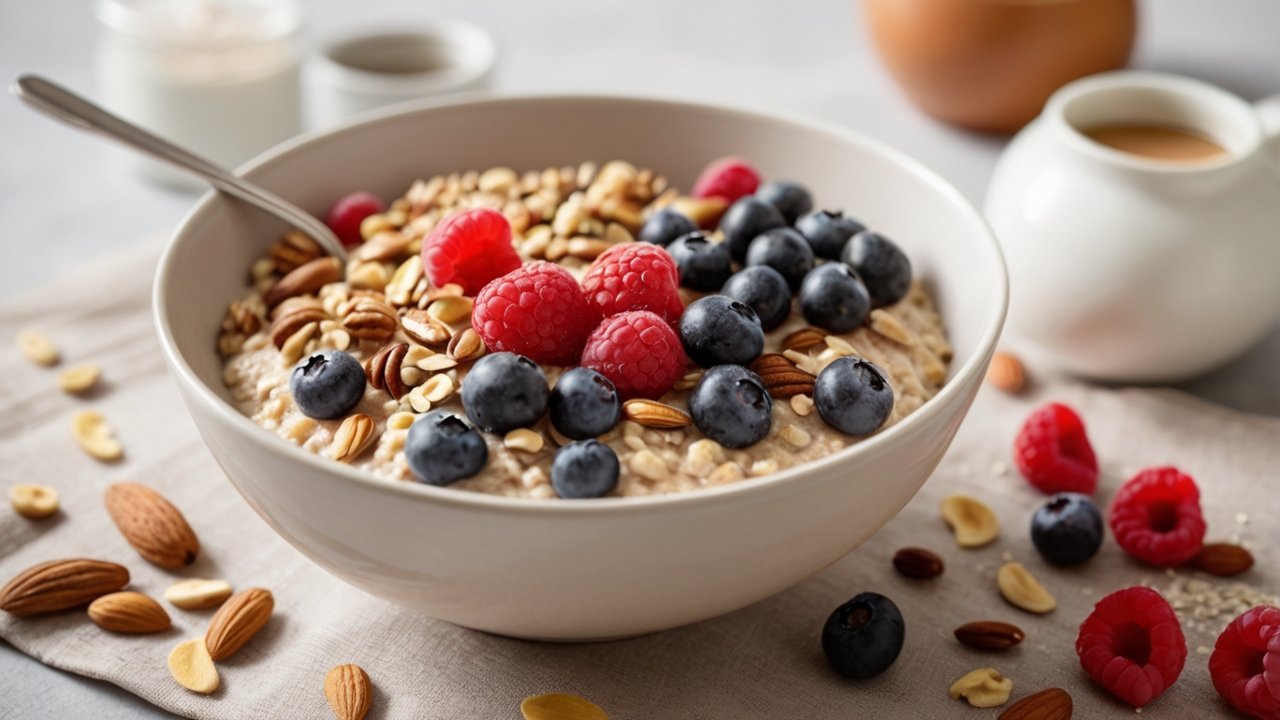
Chapter 6: Complete Buyer’s Guide to Choosing the Best High Protein Breakfast
Selecting the right high protein breakfast can be challenging, especially when the market is filled with protein powders, breakfast bars, meal replacement shakes, overnight oats, and countless wellness products claiming to deliver exceptional results.
While having more choices can be beneficial, it can also create confusion. Understanding what to look for—and what to avoid—can help you make smarter purchasing decisions and build a breakfast routine that supports your long-term wellness goals.
Rather than focusing solely on marketing claims, this buyer’s guide emphasizes ingredient quality, transparency, practicality, and evidence-aware decision-making.
Common Concerns and Lifestyle Challenges
Many consumers struggle with questions such as:
-
Which protein source is best?
-
How much protein should breakfast contain?
-
Are supplements necessary?
-
Is a protein shake better than whole foods?
-
Which products offer the best value?
For busy professionals, parents, and active individuals, convenience often becomes a major deciding factor. However, convenience should not come at the expense of nutritional quality.
A high protein breakfast should ideally support your lifestyle while helping you maintain a consistent eating routine.
The challenge is finding products that balance:
-
Nutrition
-
Convenience
-
Taste
-
Ingredient quality
-
Affordability
Why Some Wellness Approaches Fall Short
Many breakfast products fail to meet expectations for several reasons.
Unrealistic Expectations
Some consumers expect one product to solve every nutrition challenge.
A protein shake, breakfast bar, or supplement may support a healthy routine, but sustainable wellness typically depends on broader lifestyle habits.
Inconsistent Habits
Even high-quality products provide limited value when used inconsistently.
Long-term success often comes from:
-
Regular meal timing
-
Balanced nutrition
-
Consistent healthy habits
Poor Ingredient Quality
Not all products are formulated equally.
Watch for:
-
Excessive added sugars
-
Artificial fillers
-
Proprietary blends
-
Low-quality protein sources
Ingredient transparency is often one of the strongest indicators of product quality.
Misleading Marketing
Be cautious of products that promise:
-
Instant results
-
Effortless transformations
-
Guaranteed outcomes
Evidence-aware nutrition emphasizes gradual improvement rather than dramatic claims.
Evidence-Aware Wellness Insights
Many nutrition experts recommend evaluating breakfast products based on overall nutritional quality rather than protein content alone.
A quality high protein breakfast is commonly associated with:
-
Adequate protein
-
Fiber-rich ingredients
-
Minimal added sugars
-
Balanced nutrient composition
Some users report greater satisfaction when combining protein with:
-
Fruits
-
Vegetables
-
Whole grains
-
Healthy fats
This approach may contribute to a more balanced and sustainable breakfast routine.
Readers seeking additional nutrition guidance may benefit from this high-protein nutrition guide and these digestive health improvement strategies.
Practical Wellness Approaches
Before purchasing any breakfast product, consider whether it fits your lifestyle.
Whole-Food Nutrition
Examples:
-
Eggs
-
Greek yogurt
-
Cottage cheese
-
Oatmeal
-
Nuts and seeds
Potential Benefits
-
Nutrient-dense
-
Flexible meal options
Possible Drawbacks
-
Requires preparation
Best For
Individuals prioritizing food quality.
Meal Planning Solutions
Examples:
-
Overnight oats
-
Meal-prep breakfast bowls
-
Protein pancake mixes
Potential Benefits
-
Improved consistency
-
Time savings
Possible Drawbacks
-
Requires planning ahead
Best For
Busy families and professionals.
Convenient Wellness Products
Examples:
-
Protein powders
-
Ready-to-drink shakes
-
Protein bars
Potential Benefits
-
Fast preparation
-
Portable
Possible Drawbacks
-
Ingredient quality varies significantly
Best For
Individuals with demanding schedules.
Key Buying Factors to Consider
Ingredient Transparency
One of the first things to evaluate is the ingredient label.
Look for:
-
Clearly identified protein sources
-
Understandable ingredient lists
-
Transparent nutritional information
Products that hide ingredients behind proprietary blends can be more difficult to evaluate.
Protein Source Quality
Common protein sources include:
-
Whey protein isolate
-
Whey protein concentrate
-
Pea protein
-
Rice protein
-
Soy protein
The best choice often depends on dietary preferences and tolerances.
Third-Party Testing
When available, third-party testing may provide additional confidence regarding product quality and ingredient accuracy.
Many consumers view independent testing as a positive indicator of brand transparency.
Company Reputation
Researching a company’s reputation can help identify trustworthy brands.
Consider:
-
Customer reviews
-
Product transparency
-
Manufacturing practices
-
Length of time in business
Refund Policies
A flexible refund policy may reduce purchasing risk, particularly when trying a new product.
Review return policies before making a purchase.
Product Recommendations
Some individuals choose to pair a high protein breakfast with broader wellness-support products.
For example, MITOLYN Official Website is commonly explored by consumers interested in energy-focused wellness support.
Pros
-
Convenient routine
-
Often used alongside healthy nutrition habits
Cons
-
Not intended to replace balanced meals
Readers interested in ingredient details may explore the product page.
Similarly, LeanBiome Official Website is often considered by individuals focused on digestive wellness.
Pros
-
Supports broader wellness strategies
Cons
-
Should complement healthy eating habits
See pricing and reviews on the official site before making a purchasing decision.
For breakfast convenience, many consumers also explore:
These products are popular among wellness-focused shoppers seeking convenient breakfast solutions.
Alternative Options
Different approaches suit different lifestyles.
Whole Foods
Strengths
-
Nutrient-rich
-
Less processed
Limitations
-
More preparation required
Protein Supplements
Strengths
-
Convenient
-
Portable
Limitations
-
Quality varies
Meal Prep Breakfasts
Strengths
-
Consistent
-
Cost-effective
Limitations
-
Requires planning
Safety and Considerations
Before choosing a product, consider:
-
Food allergies
-
Dairy sensitivities
-
Digestive concerns
-
Medication interactions
-
Pregnancy and breastfeeding considerations
-
Existing medical conditions
Individuals with chronic health concerns should consult a qualified healthcare professional before introducing new supplements or making significant dietary changes.
You may also find these resources helpful:
Final Thoughts
Choosing the right high protein breakfast involves more than simply selecting the product with the highest protein content. Ingredient quality, convenience, transparency, and long-term sustainability are often equally important.
The most effective breakfast routine is usually one that fits comfortably into your daily life while supporting balanced nutrition habits. Whether you prefer whole foods, protein supplements, meal-prep solutions, or a combination of approaches, informed decision-making and consistency remain the foundation of lasting wellness success.
Rather than chasing trends, focus on quality, practicality, and habits you can maintain over time.

Chapter 7: Frequently Asked Questions About High Protein Breakfast
As interest in nutrition and healthy eating continues to grow, many people have questions about whether a high protein breakfast is right for them. While protein-rich breakfasts are widely discussed by nutrition professionals and wellness experts, individual needs and experiences can vary significantly.
The following frequently asked questions address some of the most common concerns readers have when evaluating breakfast products, meal plans, and protein-focused nutrition strategies.
Does a High Protein Breakfast Really Work?
A high protein breakfast may help support feelings of fullness and meal satisfaction when compared to some lower-protein breakfast options.
Protein is commonly associated with satiety, which means it may contribute to feeling satisfied after eating. Some individuals report reduced snacking and improved consistency with healthy eating habits when they prioritize protein-rich foods earlier in the day.
However, results vary depending on factors such as:
-
Overall diet quality
-
Physical activity levels
-
Sleep habits
-
Stress management
-
Individual nutritional needs
A high-protein breakfast is best viewed as one part of a balanced wellness strategy rather than a standalone solution.
How Much Protein Should Breakfast Contain?
There is no single protein target that works for everyone.
Protein needs may vary based on:
-
Age
-
Body size
-
Activity level
-
Health status
-
Personal goals
Many nutrition experts recommend including a meaningful source of protein at breakfast rather than focusing exclusively on a specific number.
Common protein-rich breakfast foods include:
-
Eggs
-
Greek yogurt
-
Cottage cheese
-
Lean poultry
-
Protein-enhanced oatmeal
-
Protein shakes
-
Plant-based protein blends
A balanced breakfast often combines protein with fiber-rich foods, healthy fats, and nutrient-dense ingredients.
Are Protein Powders Necessary?
Not necessarily.
Many people meet their protein needs through whole foods alone.
However, protein powders may offer several practical advantages:
-
Convenience
-
Portability
-
Easy meal preparation
-
Consistent protein intake
For individuals with busy schedules, products such as Isopure Zero Carb Protein Powder may provide a convenient option for increasing protein intake.
Potential benefits include:
-
Quick preparation
-
Flexible use in smoothies and oatmeal
Potential drawbacks include:
-
Ingredient sensitivities
-
Dependence on supplements rather than whole foods
The best choice depends on personal preferences and lifestyle needs.
Can a High Protein Breakfast Help With Weight Management?
Some wellness professionals suggest that protein-rich meals may support appetite management by increasing feelings of fullness.
Because a high protein breakfast is commonly associated with satiety, some individuals report that it helps them stay satisfied between meals.
However, sustainable weight management is influenced by many factors, including:
-
Overall calorie intake
-
Physical activity
-
Sleep quality
-
Stress levels
-
Dietary consistency
No single food or breakfast product can guarantee specific outcomes.
Readers interested in broader wellness strategies may find this guide to natural metabolism support methods helpful.
What Is Better: Whole Foods or Protein Shakes?
Both options can have a place in a healthy eating routine.
Whole Foods
Examples:
-
Eggs
-
Greek yogurt
-
Cottage cheese
-
Oatmeal
-
Nuts and seeds
Strengths
-
Nutrient-dense
-
Less processed
-
Often rich in vitamins and minerals
Limitations
-
Requires preparation time
Protein Shakes
Examples:
-
Whey protein shakes
-
Plant-based protein shakes
Strengths
-
Convenient
-
Portable
-
Fast preparation
Limitations
-
Quality varies between brands
The ideal choice often depends on your schedule, preferences, and nutritional goals.
Many people combine both approaches.
Are High Protein Breakfast Products Safe?
Most protein-rich foods are generally well tolerated by healthy adults.
However, individual responses vary.
Potential concerns may include:
-
Dairy sensitivities
-
Food allergies
-
Digestive discomfort
-
Ingredient intolerances
Consumers should review product labels carefully and consider any personal dietary restrictions before purchasing new products.
What Are Common Side Effects?
Side effects are usually related to specific ingredients rather than protein itself.
Some individuals may experience:
-
Bloating
-
Gas
-
Digestive discomfort
-
Changes in bowel habits
These effects are often associated with:
-
Artificial sweeteners
-
Sugar alcohols
-
Dairy ingredients
-
Certain fiber additives
Individuals experiencing persistent symptoms should consult a healthcare professional.
Those interested in digestive wellness may also benefit from these digestive health improvement strategies and this guide to probiotics for bloating and gas.
How Long Does It Take to Notice Benefits?
Experiences vary considerably.
Some users report feeling more satisfied after meals within a few days of increasing breakfast protein intake.
Other potential benefits, such as improved consistency with healthy eating habits, may take longer to become noticeable.
It’s important to maintain realistic expectations and focus on sustainable habits rather than immediate results.
Are Plant-Based Protein Breakfasts Effective?
Plant-based breakfasts can provide substantial amounts of protein when planned appropriately.
Common options include:
-
Soy yogurt
-
Tofu scrambles
-
Plant protein powders
-
Chia seed puddings
-
Nut and seed combinations
Strengths
-
Suitable for vegan diets
-
Often rich in fiber
Limitations
-
Protein content varies
Plant-based options can be an excellent choice for individuals following vegetarian or vegan eating patterns.
Should I Use Additional Wellness Supplements?
Some consumers choose to combine healthy breakfast habits with broader wellness-support products.
For example, LeanBiome Official Website is often explored by individuals interested in digestive wellness support.
Similarly, MITOLYN Official Website is commonly discussed among people interested in energy-support wellness strategies.
Potential advantages include:
-
Convenient daily routines
-
Easy integration into existing wellness plans
Potential limitations include:
-
Individual experiences vary
-
Products should complement—not replace—balanced nutrition habits
Readers interested in ingredient details may explore the official product pages.
What Breakfast Products Are Most Popular for Convenience?
Several products are commonly purchased by wellness-focused consumers seeking convenient breakfast options:
These products are often chosen because they offer practical solutions for busy mornings and may complement a balanced high protein breakfast routine.
Final Thoughts
A high protein breakfast can be a valuable part of a balanced nutrition plan, but individual needs, preferences, and lifestyles vary. The most effective approach is often the one that combines quality ingredients, realistic expectations, and sustainable habits.
Whether you prefer whole-food meals, meal-prep solutions, protein supplements, or plant-based options, consistency remains one of the most important factors in long-term wellness success.
Focus on informed decision-making, prioritize quality nutrition, and choose breakfast options that fit comfortably into your daily routine rather than chasing short-term trends or unrealistic promises.
Chapter 8: Medical Safety Considerations
A high protein breakfast can be a practical and nutritious way to start the day for many people. However, like any dietary approach, it is important to consider individual health needs, medical conditions, medication use, and potential ingredient sensitivities before making significant changes to your routine.
While protein-rich foods are commonly included in balanced nutrition plans, there is no one-size-fits-all solution. Understanding potential safety considerations can help you make informed decisions while supporting your overall wellness goals.
Common Concerns and Lifestyle Challenges
Many individuals considering a high protein breakfast have questions about safety and suitability.
Common concerns include:
-
Existing medical conditions
-
Digestive discomfort
-
Food allergies
-
Pregnancy and breastfeeding
-
Medication interactions
-
Long-term supplement use
The abundance of information available online can sometimes make it difficult to determine which concerns are legitimate and which are based on misinformation.
A balanced approach focuses on understanding your personal health circumstances and seeking professional guidance when necessary.
Why Some Wellness Approaches Fall Short
Assuming More Protein Is Always Better
One common misconception is that increasing protein intake indefinitely will automatically improve wellness outcomes.
In reality, nutritional needs vary based on:
-
Age
-
Activity level
-
Body size
-
Medical history
-
Overall dietary patterns
A high protein breakfast may support certain wellness goals, but excessively high protein intake is not necessarily appropriate for everyone.
Ignoring Ingredient Labels
Many breakfast products contain additional ingredients beyond protein.
Examples may include:
-
Artificial sweeteners
-
Sugar alcohols
-
Flavoring agents
-
Added sugars
-
Herbal ingredients
Failing to review labels carefully can increase the risk of unwanted side effects or ingredient sensitivities.
Overreliance on Supplements
Protein powders, meal replacement shakes, and wellness supplements can be convenient, but they are generally intended to complement—not replace—a balanced diet.
Whole-food nutrition remains an important foundation of long-term health.
Evidence-Aware Wellness Insights
Nutrition professionals generally emphasize that protein-rich foods can play an important role in healthy eating patterns.
A high protein breakfast is commonly associated with:
-
Increased meal satisfaction
-
Balanced nutrition planning
-
Muscle maintenance
-
Healthy aging strategies
However, individual responses vary.
Some users report positive experiences with protein-rich breakfasts, while others may need to adjust:
-
Portion sizes
-
Protein sources
-
Meal composition
-
Timing of meals
Combining protein with nutrient-dense foods such as fruits, vegetables, whole grains, and healthy fats is often recommended as part of a balanced breakfast approach.
Readers interested in broader nutrition planning may find this high-protein nutrition guide helpful.
Potential Side Effects and Ingredient Sensitivities
Most healthy adults tolerate protein-rich foods well, but certain products may cause unwanted effects in some individuals.
Potential concerns include:
Digestive Discomfort
Some users experience:
-
Bloating
-
Gas
-
Stomach discomfort
-
Changes in bowel habits
These effects may be associated with:
-
Whey protein
-
Lactose intolerance
-
Artificial sweeteners
-
Sugar alcohols
Individuals with sensitive digestion may prefer simpler ingredient lists or alternative protein sources.
Food Allergies
Common allergen-containing ingredients include:
-
Milk proteins
-
Soy protein
-
Wheat ingredients
-
Tree nuts
-
Peanuts
Carefully reviewing labels is important for individuals with food allergies.
Plant-Based Protein Considerations
Plant-based proteins may be a suitable alternative for some people, although ingredient quality and amino acid profiles can vary between products.
Medication Interactions
Certain supplements marketed alongside breakfast routines may contain ingredients that could interact with medications.
Examples include:
-
Herbal extracts
-
Stimulants
-
Fiber supplements
-
Specialty wellness ingredients
Individuals taking prescription medications should consult a healthcare professional before introducing new supplements.
This is especially important for people managing:
-
Diabetes
-
Cardiovascular conditions
-
Thyroid disorders
-
Digestive disorders
Readers may also find value in reviewing these thyroid health supplement considerations and diabetes management guidelines.
Pregnancy and Breastfeeding Considerations
Pregnant and breastfeeding individuals often have unique nutritional requirements.
Although protein remains an important nutrient during these life stages, not all supplements are appropriate.
Important considerations include:
-
Ingredient safety
-
Caffeine content
-
Herbal additives
-
Artificial ingredients
Consulting a qualified healthcare professional before introducing supplements is generally recommended during pregnancy and breastfeeding.
Whole-food protein sources are often preferred when practical.
Existing Health Conditions
Individuals with certain health conditions should use additional caution when making significant dietary changes.
Examples include:
Kidney Conditions
Protein recommendations may differ for individuals with existing kidney concerns.
Liver Conditions
Those with liver-related conditions should discuss dietary changes with their healthcare provider.
Digestive Disorders
Individuals experiencing:
-
Irritable bowel symptoms
-
Chronic gastritis
-
Food intolerances
may require more personalized nutrition approaches.
Readers seeking digestive wellness information may benefit from this guide on digestive health improvement strategies and information about mild inactive chronic gastritis.
Practical Wellness Approaches
A balanced high protein breakfast strategy often emphasizes:
Whole-Food Nutrition
Examples:
-
Eggs
-
Greek yogurt
-
Cottage cheese
-
Oatmeal
-
Lean poultry
Potential Benefits
-
Nutrient-rich
-
Minimal processing
Possible Drawbacks
-
Requires preparation
Convenient Protein Products
Examples:
-
Protein powders
-
Protein bars
-
Ready-to-drink shakes
Potential Benefits
-
Convenience
-
Portability
Possible Drawbacks
-
Ingredient quality varies
Wellness Support Supplements
Some consumers explore products such as:
These products are generally used as part of broader wellness routines rather than replacements for balanced nutrition.
Readers interested in ingredient details may explore the official product pages.
Alternative Options
Not everyone needs a traditional protein supplement.
Alternative approaches include:
Protein-Rich Whole Foods
Strengths
-
Nutrient-dense
-
Less processed
Limitations
-
More preparation required
Plant-Based Breakfasts
Strengths
-
Suitable for vegan lifestyles
Limitations
-
Protein content varies
Meal Prep Solutions
Strengths
-
Improves consistency
Limitations
-
Requires planning
When to Consult a Healthcare Professional
Professional guidance may be especially helpful if you:
-
Take prescription medications
-
Have chronic medical conditions
-
Experience digestive symptoms
-
Are pregnant or breastfeeding
-
Have food allergies
-
Plan to use multiple supplements
Healthcare professionals can help ensure that dietary changes align with your individual health needs.
Final Thoughts
A high protein breakfast can be a valuable part of a balanced nutrition strategy, but safety and personalization matter. While many people tolerate protein-rich foods and supplements well, individual circumstances can influence what works best.
The most effective approach often combines quality ingredients, realistic expectations, and attention to personal health considerations. Whether you prefer whole-food meals, protein supplements, or meal-prep solutions, informed decision-making and consistency remain essential.
Rather than focusing solely on protein intake, consider your overall dietary pattern, lifestyle habits, and individual health needs. A thoughtful and balanced approach is often the most sustainable path toward long-term wellness.

Chapter 9: Final Recommendation and Conclusion
After exploring the benefits, challenges, product options, safety considerations, and evidence-aware insights surrounding a high protein breakfast, one thing becomes clear: there is no single breakfast solution that works perfectly for everyone.
The most effective approach is usually the one that fits your lifestyle, preferences, schedule, and long-term wellness goals. Rather than searching for a miracle product or a quick fix, focusing on sustainable habits often delivers the most meaningful results over time.
A high protein breakfast can be a valuable tool within a broader healthy lifestyle strategy, helping many people create a more satisfying and balanced start to the day.
Key Takeaways
Throughout this guide, several important themes have emerged.
Protein Can Support Meal Satisfaction
Protein is commonly associated with feelings of fullness and balanced meal planning.
Many individuals report that including adequate protein at breakfast helps them:
-
Stay satisfied longer
-
Reduce mid-morning snacking
-
Improve consistency with healthy eating habits
However, protein works best when combined with other nutritious foods such as fruits, vegetables, whole grains, and healthy fats.
Quality Matters More Than Marketing
Not all breakfast products are created equal.
When evaluating options, consider:
-
Ingredient transparency
-
Protein source quality
-
Added sugar content
-
Overall nutritional value
-
Company reputation
Products with clear ingredient labels and realistic marketing claims are often easier to evaluate and compare.
Consistency Often Outperforms Perfection
Many wellness goals are supported by consistent habits rather than occasional bursts of motivation.
A simple breakfast routine that you can maintain every day is often more valuable than a complicated plan that is difficult to follow.
Whether you choose eggs, Greek yogurt, overnight oats, protein smoothies, or a combination of options, consistency remains one of the most important factors.
Best Overall Recommendation
For most individuals, a whole-food-based high protein breakfast remains the most balanced option.
Examples include:
-
Eggs with vegetables
-
Greek yogurt with berries
-
Cottage cheese and fruit
-
Protein-enhanced oatmeal
-
Lean protein and whole grains
Why It Stands Out
Pros
-
Nutrient-dense
-
Flexible
-
Less processed
-
Adaptable to various dietary needs
Cons
-
Requires preparation time
Best For
Individuals seeking a long-term nutrition strategy that emphasizes food quality and balance.
Whole foods provide protein alongside vitamins, minerals, fiber, and other nutrients that contribute to overall dietary quality.
Best Value Recommendation
For those seeking convenience and affordability, overnight oats combined with a quality protein source can provide an excellent balance of nutrition and practicality.
A popular option is:
Oatsome Organic Overnight Oats
Why Some Users Choose It
-
Easy meal preparation
-
Flexible ingredient combinations
-
Convenient for busy mornings
Potential Limitations
-
Requires planning ahead
-
Protein content depends on what is added
Pairing overnight oats with Greek yogurt or protein powder may help create a more complete breakfast.
Best Convenience Recommendation
For individuals with demanding schedules, protein powders can offer a practical solution.
One commonly purchased option is:
Isopure Zero Carb Protein Powder
Why Some Users Find It Useful
-
Fast preparation
-
Portable
-
Easy addition to smoothies and breakfast recipes
Potential Limitations
-
Not a replacement for overall dietary quality
-
May not suit dairy-sensitive individuals
Readers interested in ingredient details may explore the product page.
Wellness Support Options
Some consumers choose to combine healthy breakfast habits with broader wellness-support products.
Examples include:
MITOLYN Official Website
Often explored by individuals interested in supporting healthy energy-related wellness habits.
LeanBiome Official Website
Frequently discussed among consumers interested in digestive wellness support.
These products are generally best viewed as complementary tools rather than substitutes for nutritious meals and healthy lifestyle habits.
See pricing and reviews on the official site before making a purchasing decision.
Building a Sustainable Breakfast Routine
If you’re unsure where to start, consider these simple steps:
-
Include a quality protein source at breakfast.
-
Add fiber-rich foods such as fruit, oats, or vegetables.
-
Stay hydrated throughout the morning.
-
Prepare meals in advance when possible.
-
Choose products with transparent ingredient lists.
-
Focus on consistency rather than perfection.
Small improvements repeated consistently often create more lasting benefits than dramatic changes that are difficult to maintain.
Additional Resources
If you’d like to continue improving your nutrition and wellness habits, these related guides may be helpful:
These resources provide additional evidence-aware information that can help support informed decision-making.
Final Thoughts
A high protein breakfast may help support fullness, convenience, and healthier eating patterns when incorporated into a balanced lifestyle. However, no breakfast product, supplement, or meal plan can replace the fundamentals of good nutrition, regular physical activity, quality sleep, and long-term consistency.
The most balanced approach is often the simplest one: prioritize quality ingredients, choose options that fit your routine, and make decisions based on realistic expectations rather than marketing promises.
Whether you prefer whole-food breakfasts, meal-prep solutions, protein supplements, or a combination of approaches, success is more likely to come from sustainable habits than from any single product.
Focus on progress, not perfection—and build a breakfast routine that works for you.
Affiliate Disclosure
This article may contain affiliate links. If you purchase through these links, we may earn a commission at no additional cost to you. This helps support our research, testing, and content creation efforts. We only recommend products that align with the topic discussed and encourage readers to conduct their own research before making purchasing decisions.
Health Disclaimer
The information provided in this article is for educational and informational purposes only and should not be considered medical advice. The content is not intended to diagnose, treat, cure, or prevent any disease. Individual health needs vary, and readers should consult a qualified healthcare professional before making significant dietary changes, starting supplements, or implementing new wellness strategies.