
Slow Metabolism Fix: 7 Natural Ways to Boost Energy
If you’ve been eating well, staying active, and still struggling with low energy or stubborn weight management challenges, you may be searching for a reliable slow metabolism fix. The good news is that a slow metabolism fix doesn’t have to involve extreme diets, unrealistic promises, or complicated routines.
Many people feel overwhelmed by the sheer number of metabolism support supplements and wellness products available today. From ineffective supplements to confusing ingredient labels and bold marketing claims, finding the right solution can be frustrating. Unfortunately, some products fail to deliver because of poor ingredient quality, lack of transparency, or unrealistic expectations about how quickly results should appear.
Fortunately, there are research-backed and evidence-based options that may help support metabolic health, energy levels, and overall wellness when combined with healthy lifestyle habits. Certain ingredients commonly recommended for metabolism support are widely discussed for their potential to help improve daily energy and may contribute to healthy metabolic function.
In this guide, you’ll discover how to compare the best slow metabolism fix solutions, identify high-quality products, avoid low-value options, and make a more confident purchasing decision based on ingredients, safety, and real-world considerations.

Common Symptoms and Frustrations of a Slow Metabolism
For many people, the search for a slow metabolism fix begins when healthy habits no longer seem to deliver the results they once did. You may be eating balanced meals, exercising regularly, and trying to make smart lifestyle choices, yet still feel tired, sluggish, or frustrated by slow progress.
While metabolism is only one factor that influences overall health, concerns about metabolic slowdown are common. Understanding the signs, challenges, and frustrations associated with a slower metabolism can help you make more informed decisions as you explore potential solutions.
Feeling Tired More Often Than Usual
One of the most common complaints linked to a perceived slow metabolism is low energy.
Many individuals report feeling exhausted throughout the day despite getting what appears to be adequate sleep. Daily tasks may feel more demanding, concentration may suffer, and motivation can become harder to maintain.
It’s important to recognize that fatigue can have many causes. According to the NIH, factors such as sleep quality, stress, nutritional intake, physical activity, and underlying health conditions all influence energy production.
However, because metabolism helps convert food into usable energy, some people associate persistent fatigue with reduced metabolic efficiency.
If low energy is one of your biggest concerns, learning more about cellular energy production may be beneficial. Our guide on Mitochondrial Energy Boost explores how energy is generated at the cellular level and why it matters for overall wellness.
Difficulty Managing Weight Despite Healthy Habits
Another major frustration is feeling as though weight management has become significantly harder.
Many people searching for a slow metabolism fix describe eating nutritious foods, watching portion sizes, and staying active while still struggling to achieve their desired results.
This experience can be discouraging, especially when it feels like your efforts aren’t paying off.
The reality is that body weight is influenced by numerous factors, including:
-
Age
-
Muscle mass
-
Physical activity levels
-
Sleep habits
-
Stress
-
Hormonal changes
-
Genetics
Metabolism plays a role, but it is rarely the only factor involved.
Rather than focusing exclusively on calorie restriction, many experts recommend sustainable lifestyle habits that support overall metabolic health. Small, consistent improvements often produce better long-term outcomes than extreme approaches.
Reduced Stamina and Exercise Performance
Some people notice that activities that once felt easy now require considerably more effort.
Whether it’s climbing stairs, completing workouts, or staying active throughout the day, reduced stamina is a common concern among individuals who believe they may have a slower metabolism.
This can create a frustrating cycle. Lower energy levels may lead to less physical activity, while reduced activity can make it harder to maintain fitness levels over time.
For beginners, moderate movement is often more sustainable than intense exercise programs. Activities such as walking, strength training, and home workouts may help support overall energy expenditure and physical function.
If you’re looking for practical ways to increase daily activity, our guide on Benefits of Walking Daily offers simple strategies that can fit into most lifestyles.
Feeling Sluggish Throughout the Day
Beyond physical fatigue, many individuals describe a general feeling of sluggishness.
This may include:
-
Difficulty concentrating
-
Reduced productivity
-
Lower motivation
-
Feeling mentally foggy
-
Afternoon energy crashes
While these symptoms are not unique to metabolic health, they are commonly associated with the concerns that drive people to seek a slow metabolism fix.
Lifestyle habits often play a significant role. Inadequate hydration, poor sleep, high stress levels, and inconsistent eating patterns can all contribute to feeling less energetic throughout the day.
Some individuals find that focusing on foundational habits helps improve how they feel before they even consider supplements or specialized wellness products.
Frustration With Slow Progress
Perhaps the most challenging aspect of perceived metabolic slowdown is the emotional frustration that often accompanies it.
Many wellness products and social media influencers promote rapid transformations, making it easy to believe that significant results should happen quickly.
When reality doesn’t match those expectations, discouragement can follow.
Some people respond by:
-
Switching diets repeatedly
-
Trying multiple supplements
-
Following extreme fitness plans
-
Abandoning healthy habits too soon
Unfortunately, these approaches can make long-term success more difficult.
Harvard Health frequently emphasizes the value of consistency and sustainable behavior change. While gradual progress may not feel exciting, it is often more realistic and easier to maintain over time.
Common Wellness Concerns Associated With a Slower Metabolism
People exploring metabolism support often express concerns that extend beyond body weight.
Common examples include:
-
Lower daily energy levels
-
Reduced physical endurance
-
Increased appetite
-
Difficulty maintaining lean muscle mass
-
Age-related metabolic changes
-
Slower recovery from exercise
Nutrition may play an important role in addressing some of these concerns. Adequate protein intake, balanced meals, and nutrient-dense foods are commonly associated with healthy metabolic function.
Readers interested in optimizing their nutrition may benefit from our article on High Protein Diet Guide, which discusses practical strategies for supporting muscle maintenance and satiety.
Why Individual Differences Matter
One reason metabolism advice can feel confusing is that there is no universal solution.
Two people may follow the same nutrition plan or exercise routine and experience very different outcomes. Genetics, hormones, medical history, age, and lifestyle factors all influence how the body responds.
Because of these differences, personalized approaches are often more effective than one-size-fits-all recommendations.
Some individuals may benefit most from improving sleep habits. Others may see greater improvements from increasing physical activity or focusing on nutrition quality.
Optional Wellness Support
In addition to lifestyle changes, some people choose to explore supplements as part of a broader wellness strategy.
One option frequently discussed in metabolism-support conversations is MITOLYN. Some users appreciate its convenience and targeted formulation, while others prefer to focus entirely on food-based approaches.
Like any wellness product, it should be viewed as an optional tool rather than a solution. Individual responses vary, and results depend on many factors beyond supplementation alone.
Readers interested in additional details may explore the Official Product Page.
Potential limitations include cost, ingredient sensitivities, and the fact that supplements cannot replace healthy lifestyle habits.
Individuals who are pregnant, breastfeeding, taking medications, or managing chronic medical conditions should consult a qualified healthcare professional before using any supplement.
For additional support, you may also enjoy our free wellness resource, Live Smart: 7 Habits for a Healthier, Happier You, which provides practical strategies for building sustainable health habits.
Understanding these common symptoms and frustrations creates a strong foundation for evaluating why many metabolism-support solutions fail, which we’ll examine in the next chapter.

Why Many Slow Metabolism Solutions Fail
Many people begin searching for a slow metabolism fix after experiencing frustrating symptoms such as low energy, difficulty managing weight, or feeling stuck despite making healthy lifestyle changes. Unfortunately, the path to improving metabolic health is often complicated by misinformation, unrealistic expectations, and products that promise far more than they can realistically deliver.
Understanding why some metabolism-support strategies fail can help you avoid common mistakes and make more informed decisions moving forward.
Unrealistic Expectations Often Lead to Disappointment
One of the biggest reasons people become discouraged is expecting immediate results.
Modern wellness marketing frequently promotes dramatic transformations that appear to happen within days or weeks. While these stories can be appealing, they often fail to reflect the complexity of human metabolism.
Metabolic health is influenced by numerous factors, including:
-
Age
-
Muscle mass
-
Physical activity
-
Sleep quality
-
Nutrition
-
Stress levels
-
Hormonal changes
-
Medical conditions
Because so many variables are involved, meaningful changes often take time.
Some users report improvements in energy or motivation shortly after adopting healthier habits, but changes related to body composition, endurance, or long-term wellness typically require consistent effort over weeks or months.
Harvard Health frequently emphasizes that sustainable health improvements tend to result from gradual lifestyle changes rather than quick-fix solutions.
Relying on Supplements Alone
Another common mistake is assuming that a supplement can serve as a complete slow metabolism fix.
Supplements may support certain wellness goals, but they generally work best when combined with healthy habits. No product can compensate for inadequate sleep, chronic stress, poor nutrition, or a lack of physical activity.
For example, someone who regularly consumes highly processed foods and gets only a few hours of sleep each night may not experience the same benefits as someone who combines supplementation with balanced nutrition and healthy lifestyle practices.
A food-first approach is often recommended because it provides essential nutrients that supplements alone cannot fully replace.
Readers looking for practical nutrition ideas may find value in our guide to Healthy Chicken Recipes for Fitness, which explores simple ways to incorporate nutrient-dense meals into a balanced lifestyle.
Poor Ingredient Quality Can Limit Results
Not all metabolism-support products are created equally.
One major issue in the supplement industry is ingredient transparency. Some products use proprietary blends that do not clearly disclose ingredient amounts, making it difficult for consumers to evaluate what they are actually taking.
Other products rely heavily on marketing language while providing little information about:
-
Ingredient sourcing
-
Manufacturing standards
-
Quality testing
-
Dosage transparency
-
Third-party verification
Consumers often focus on promises rather than product quality. However, understanding what is inside a supplement may be more important than any marketing claim.
When evaluating a wellness product, consider whether the company provides clear ingredient information and realistic expectations.
Misleading Marketing Claims Create Confusion
Many people searching for a slow metabolism fix encounter products that promise:
-
Instant fat burning
-
Effortless weight loss
-
Rapid metabolic acceleration
-
Permanent results
-
No lifestyle changes required
These claims can create unrealistic expectations and lead to disappointment.
According to organizations such as the Cleveland Clinic, sustainable wellness outcomes are generally associated with long-term habits rather than single products or short-term interventions.
Metabolism is not a switch that can simply be turned on. It is a dynamic biological process influenced by many interconnected systems within the body.
If a product sounds too good to be true, it’s worth taking a closer look before making a purchase.
Common Purchasing Mistakes
Many consumers unknowingly make decisions based on emotion rather than research.
Some of the most common mistakes include:
-
Purchasing products solely because they are trending
-
Ignoring ingredient labels
-
Failing to review safety information
-
Overlooking refund policies
-
Assuming expensive products are automatically better
-
Buying based on testimonials alone
A more balanced approach involves reviewing product details carefully and considering whether the product aligns with your individual goals and circumstances.
For example, someone struggling with low energy may benefit from learning more about cellular energy production before purchasing a metabolism supplement. Resources such as Mitochondrial Imbalance: The Hidden Cause of Fatigue can provide additional educational context.
Lifestyle Factors Are Often Overlooked
Many people focus on finding the perfect supplement while overlooking the daily habits that may have the greatest impact on overall wellness.
Lifestyle factors commonly associated with metabolic health include:
-
Regular movement
-
Strength training
-
Sleep quality
-
Stress management
-
Balanced nutrition
-
Hydration
These habits may support healthy energy production and contribute to long-term wellness goals.
For example, building muscle through resistance exercise is commonly associated with healthy metabolic function because muscle tissue requires energy to maintain. Likewise, consistent physical activity may support overall calorie expenditure and cardiovascular health.
If you’re looking for practical ways to become more active, our guide on Home Workout Plans for Beginners offers approachable ideas that can fit into a variety of schedules and fitness levels.
An Optional Tool, Not a Solution
Some individuals choose to include metabolism-support supplements as part of a broader wellness plan.
One product that is frequently discussed in this space is MITOLYN. Some users appreciate the convenience of having multiple ingredients in a single formula, particularly when combined with healthy eating and regular physical activity.
However, it’s important to maintain realistic expectations. Supplements may support wellness efforts, but they are not substitutes for nutrition, exercise, sleep, or medical care.
Readers interested in learning more can explore the Official Product Page for additional information about ingredients and usage considerations.
Safety Considerations Before Trying Any Metabolism Support Product
Before starting any supplement, consider whether you have:
-
Allergies or ingredient sensitivities
-
Thyroid conditions
-
Diabetes
-
Cardiovascular concerns
-
Pregnancy or breastfeeding considerations
-
Prescription medications that may interact with ingredients
Consulting a qualified healthcare professional is especially important if you have an existing medical condition or are taking medications.
For readers who want additional guidance on building sustainable health habits, the free resource Live Smart: 7 Habits for a Healthier, Happier You offers practical strategies that complement the lifestyle principles discussed in this article.
Recognizing why many metabolism-support solutions fall short can help you better evaluate the evidence-based approaches and ingredients we’ll explore in the next section.
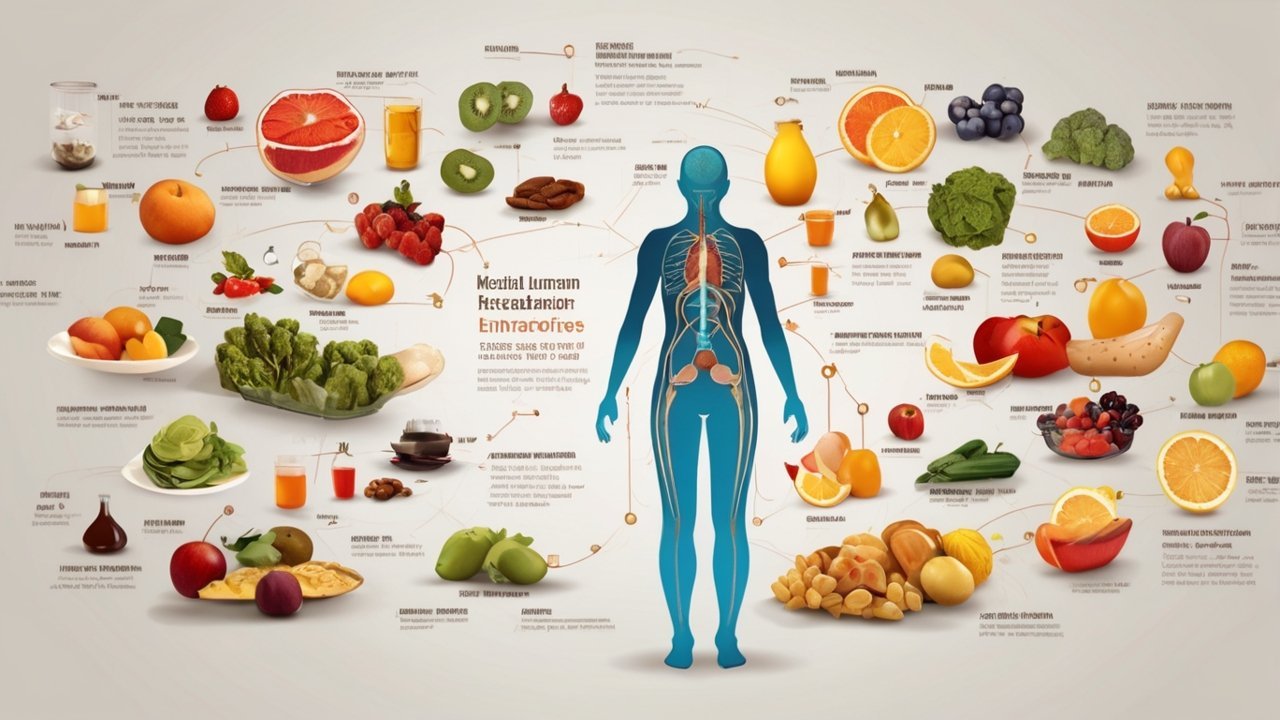
Evidence-Based Wellness Insights for a Slow Metabolism Fix
When looking for a slow metabolism fix, it’s easy to encounter conflicting advice. One article may recommend a supplement, another may promote an extreme diet, and social media often suggests quick solutions that sound appealing but lack context. The reality is that metabolism is a complex process influenced by multiple factors, and most evidence-based strategies focus on supporting overall metabolic health rather than dramatically changing how the body functions.
Understanding the science behind metabolism can help you identify realistic approaches that may support your long-term wellness goals.
Understanding What Metabolism Really Means
Metabolism refers to the processes your body uses to convert food into energy. This energy powers everything from breathing and circulation to movement, digestion, and cellular repair.
Many people assume metabolism is only related to weight management, but it affects much more than the number on a scale. Energy levels, physical performance, recovery, and overall health are all connected to how efficiently the body uses and produces energy.
Several factors influence metabolic function, including:
-
Age
-
Genetics
-
Body composition
-
Physical activity
-
Sleep quality
-
Nutrition
-
Hormonal health
-
Medical conditions
Because these factors vary significantly between individuals, there is no universal slow metabolism fix that works for everyone.
According to the NIH, long-term lifestyle habits remain among the most effective ways to support overall metabolic health and energy balance.
Muscle Mass Plays an Important Role
One of the most widely recognized influences on metabolism is muscle mass.
Muscle tissue requires energy for maintenance, even while the body is at rest. As people age or become less active, they may gradually lose muscle mass, which is commonly associated with lower daily energy expenditure.
This doesn’t mean everyone needs to become a bodybuilder. Even moderate resistance training may help support healthy muscle maintenance and physical function.
Examples include:
-
Bodyweight exercises
-
Resistance band workouts
-
Weight training
-
Functional movement exercises
-
Beginner strength routines
For many people, consistency is far more important than intensity.
Readers interested in practical exercise strategies can explore our guide to Home Workout Plan for Men, Women, Beginners, which provides beginner-friendly ideas for building sustainable activity habits.
Daily Movement May Be More Important Than Intense Exercise
Many people focus entirely on formal workouts while overlooking the impact of daily movement.
Activities such as walking, taking stairs, household chores, gardening, and standing more frequently throughout the day can all contribute to overall energy expenditure.
Some users report feeling more energetic after increasing daily movement, even before making major changes to their fitness routine.
Walking is particularly popular because it is accessible, low-impact, and easy to maintain over time.
If you’re looking for a simple place to start, our article on Benefits of Walking Daily discusses how regular walking may contribute to overall wellness and energy support.
Sleep Quality and Recovery Matter More Than Many People Realize
Sleep is often overlooked when discussing a slow metabolism fix, yet it plays a significant role in overall health.
Poor sleep may affect:
-
Appetite regulation
-
Energy levels
-
Recovery from exercise
-
Daily motivation
-
Hormonal balance
Some individuals notice increased cravings, reduced physical activity, and lower energy levels after periods of inadequate sleep.
While better sleep alone is unlikely to transform metabolic health overnight, it may contribute to improved wellness and help support other healthy habits.
Simple strategies that may improve sleep quality include:
-
Following a consistent sleep schedule
-
Limiting screen exposure before bed
-
Creating a comfortable sleep environment
-
Managing caffeine intake later in the day
For readers looking to improve recovery and relaxation, our guide to Yoga Nidra for Sleep explores a gentle mindfulness practice that may help support better rest.
Nutrition Remains a Foundation of Metabolic Health
Nutrition is one of the most important components of any evidence-based approach to metabolic wellness.
Rather than relying on restrictive diets, many experts recommend focusing on nutrient-dense foods that provide steady energy and support overall health.
Common recommendations include:
-
Prioritizing protein-rich foods
-
Including dietary fiber
-
Eating fruits and vegetables regularly
-
Staying hydrated
-
Limiting highly processed foods
Protein is commonly associated with muscle maintenance and satiety, while fiber may support digestive health and appetite regulation.
A food-first approach is often beneficial because it provides nutrients that supplements alone cannot fully replace.
Readers who want practical guidance can learn more in our High Protein Diet Guide, which explains how protein may support active lifestyles and healthy body composition goals.
Ingredients Commonly Associated With Metabolism Support
Certain ingredients are frequently included in metabolism-support supplements because they are commonly associated with energy metabolism and wellness support.
One example is green tea extract.
Green tea contains naturally occurring compounds called catechins, which have been widely studied in nutrition research. Some evidence suggests these compounds may support energy expenditure when combined with healthy lifestyle habits.
Other commonly discussed ingredients include:
-
Protein-based nutritional support
-
Chromium
-
Capsaicin
-
Fiber-based ingredients
However, it is important to recognize that individual responses vary. No ingredient works the same way for every person.
An Optional Supplement Approach
Some individuals choose to include supplements as part of a broader wellness strategy.
One option often discussed in metabolism-support conversations is NOW Foods EGCg Green Tea Extract. Some users appreciate its convenience as a concentrated source of green tea catechins, particularly when paired with healthy eating and regular physical activity.
Potential advantages include simplicity and ease of use. However, limitations should also be considered. Supplements are not substitutes for balanced nutrition, exercise, adequate sleep, or professional medical care. Results can vary significantly between individuals.
Readers interested in learning more can review ingredient information and customer experiences before deciding whether it aligns with their personal wellness goals.
Safety Considerations
Before using any metabolism-support supplement, consider whether you:
-
Are pregnant or breastfeeding
-
Take prescription medications
-
Have cardiovascular conditions
-
Have thyroid disorders
-
Have allergies or ingredient sensitivities
-
Manage chronic health conditions
Consulting a qualified healthcare professional may help determine whether a particular supplement or wellness strategy is appropriate for your situation.
For additional educational support, readers may also benefit from the free wellness resource, Live Smart: 7 Habits for a Healthier, Happier You, which offers practical habit-based strategies that complement evidence-based approaches to metabolic health.
These foundational insights can make it easier to evaluate specific metabolism-support products and ingredients, which we’ll compare in the next section.

Best Slow Metabolism Fix Recommendations
After understanding the factors that influence metabolic health, many readers naturally begin looking for products that may complement their existing wellness routine. While no supplement can replace balanced nutrition, regular physical activity, quality sleep, or medical care, some products contain ingredients commonly associated with energy metabolism, weight management support, and overall wellness.
The key is maintaining realistic expectations. A supplement should be viewed as an optional tool that may support healthy lifestyle habits rather than a standalone slow metabolism fix.
Below are several categories of metabolism-support products that are commonly discussed by consumers and wellness professionals.
Best Overall: MITOLYN
For readers looking for a comprehensive metabolism-support supplement, MITOLYN is frequently mentioned because it combines multiple ingredients designed to support cellular energy production and metabolic wellness.
Some users appreciate the convenience of having several ingredients in a single formula rather than purchasing multiple supplements separately.
Potential benefits may include:
-
Convenient all-in-one formulation
-
Focus on energy-support ingredients
-
Easy integration into daily routines
-
Suitable for individuals seeking a structured supplement approach
However, it’s important to recognize potential limitations.
No supplement can guarantee weight loss, increased metabolism, or specific health outcomes. Results may vary based on factors such as diet, activity level, sleep quality, age, and overall health status.
Individuals who may benefit most include those already committed to healthy lifestyle habits and looking for additional nutritional support.
Readers interested in learning more can visit the official website:
Best Budget Option: NOW Foods EGCg Green Tea Extract
For those seeking a simpler and more affordable option, NOW Foods EGCg Green Tea Extract is often discussed in metabolism-support conversations.
Green tea extract contains naturally occurring catechins, which are commonly associated with energy metabolism and wellness support.
Potential advantages include:
-
Straightforward ingredient profile
-
Widely recognized ingredient
-
Budget-friendly compared to multi-ingredient formulas
-
Easy to combine with a balanced wellness plan
Potential limitations include:
-
Less comprehensive than combination formulas
-
Individual responses vary
-
May not be suitable for those sensitive to caffeine-related compounds
Readers interested in product details can review:
👉 See Pricing and Reviews on Amazon
Best for Beginners: Food-First Metabolic Support
Not everyone needs a supplement immediately.
For beginners, a food-first approach may be one of the most practical ways to support metabolic health. Building habits around protein-rich meals, fiber intake, hydration, and regular movement often provides a strong foundation before considering supplementation.
Examples include:
-
Lean proteins
-
Eggs
-
Greek yogurt
-
Legumes
-
Fruits and vegetables
-
Whole grains
Readers looking for nutrition ideas may find these resources useful:
One advantage of a food-first strategy is that it provides essential nutrients while supporting overall health. The limitation is that dietary changes often require consistency and patience before noticeable improvements occur.
Best for Energy Support
Some individuals searching for a slow metabolism fix are primarily concerned about fatigue and low energy rather than weight management.
In these situations, focusing on cellular energy support may be beneficial.
For example, readers who frequently experience low energy may benefit from exploring educational resources such as:
Understanding Mitochondrial Energy Production
While energy-support supplements are available, identifying potential lifestyle contributors such as poor sleep, chronic stress, inadequate nutrition, or lack of movement is often equally important.
How to Choose the Right Option for Your Goals
The best metabolism-support approach depends on your individual needs.
You may prioritize:
-
Energy support
-
Weight management assistance
-
Nutritional support
-
Convenience
-
Budget considerations
-
Simplicity
For example:
-
Someone focused on convenience may prefer a comprehensive formula such as MITOLYN.
-
Someone interested in a single ingredient may choose green tea extract.
-
Someone new to wellness supplements may prefer improving diet and exercise habits first.
There is no universally “best” product because individual goals and circumstances vary.
Lifestyle Strategies That May Enhance Results
Regardless of which product you choose, lifestyle habits remain an essential part of metabolic health.
Strategies commonly associated with metabolic wellness include:
-
Resistance training
-
Daily walking
-
Adequate protein intake
-
Quality sleep
-
Stress management
-
Consistent hydration
Readers interested in practical movement strategies may enjoy:
Combining healthy habits with carefully selected supplements may provide a more balanced approach than relying on any single product.
Safety Considerations Before Purchasing
Before purchasing any metabolism-support product, consider whether you:
-
Are pregnant or breastfeeding
-
Take prescription medications
-
Have thyroid conditions
-
Have cardiovascular concerns
-
Have allergies or ingredient sensitivities
-
Have chronic medical conditions
Reading ingredient labels carefully and consulting a qualified healthcare professional can help you determine whether a product aligns with your personal health needs.
Additional Wellness Support
If you’re interested in building sustainable habits alongside any supplement strategy, our free wellness guide offers practical lifestyle recommendations designed to support long-term health.
👉 Download the Free Live Smart Wellness Guide
With a clearer understanding of the available options, the next step is comparing these products side-by-side to identify which features, ingredients, and benefits best align with your goals.

Product Comparison: Which Slow Metabolism Fix Option Is Right for You?
After exploring evidence-based wellness strategies and reviewing several popular recommendations, the next step is understanding how these options compare in real-world use.
When evaluating a slow metabolism fix, it’s important to remember that supplements and wellness products are not interchangeable. Some focus primarily on energy support, while others emphasize nutritional supplementation or broader wellness goals.
Comparing products based on ingredients, intended use, convenience, cost, and safety considerations can help you identify which option may align best with your personal goals.
Comparing Metabolism Support Approaches
Most metabolism-support products fall into one of three broad categories:
-
Multi-ingredient metabolism formulas
-
Single-ingredient supplements
-
Nutrition-based support products
Each category offers potential advantages and limitations.
Rather than searching for a universally “best” product, focus on finding an option that fits your needs, budget, lifestyle, and comfort level.
MITOLYN: Comprehensive Metabolism and Energy Support
MITOLYN is often positioned as a comprehensive wellness supplement designed to support metabolic function and cellular energy production.
Intended Use
MITOLYN is generally marketed toward individuals looking for:
-
Energy support
-
Metabolic wellness
-
Daily supplementation convenience
-
Multi-ingredient formulas
Potential Advantages
Some users appreciate:
-
Multiple ingredients combined into one product
-
Convenience compared to buying several supplements separately
-
A wellness-focused approach that extends beyond a single ingredient
Potential Limitations
Like any supplement, limitations exist:
-
Individual responses vary
-
Premium formulations may cost more than simpler products
-
Results depend heavily on lifestyle factors
-
Not appropriate for everyone
Readers interested in additional information can visit:
NOW Foods EGCg Green Tea Extract: Simple Ingredient Approach
For individuals who prefer simplicity, NOW Foods EGCg Green Tea Extract offers a more focused option.
Intended Use
Green tea extract is commonly used by individuals interested in:
-
Antioxidant support
-
Wellness supplementation
-
Simple ingredient formulas
-
Budget-friendly options
Potential Advantages
Many users appreciate:
-
Straightforward ingredient profile
-
Widely recognized ingredient
-
Lower cost compared to multi-ingredient products
-
Easy integration into existing routines
Potential Limitations
Potential drawbacks include:
-
Less comprehensive support
-
Variable individual responses
-
May not address multiple wellness goals simultaneously
Readers interested in ingredient details can review:
👉 See Pricing and Reviews on Amazon
Food-First Nutrition Strategies
Not every comparison needs to involve supplements.
Many healthcare professionals recommend evaluating nutrition habits before purchasing wellness products.
Examples of food-first approaches include:
-
Increasing protein intake
-
Eating more fiber-rich foods
-
Prioritizing nutrient-dense meals
-
Reducing highly processed foods
-
Improving hydration habits
These approaches may support overall health while providing benefits that supplements alone cannot fully replace.
For readers interested in practical nutrition guidance, our article on High Protein Diet Guide 2025 explores strategies for supporting muscle maintenance and satiety.
Which Option Is Best for Beginners?
Individuals new to metabolism-support strategies often benefit from starting with foundational habits rather than immediately investing in multiple products.
For many people, a beginner-friendly approach includes:
-
Consistent daily movement
-
Improved sleep habits
-
Increased protein intake
-
Better hydration
-
Stress management
After these habits are established, some individuals choose to explore supplements as an additional layer of support.
Readers looking for practical exercise ideas may benefit from Home Workout Plan for Men, Women, Beginners.
Which Option Offers the Best Value?
Value means different things to different people.
Some consumers prioritize:
-
Lowest cost
-
Ingredient transparency
-
Convenience
-
Product reputation
-
Ease of use
A lower-cost supplement may appear attractive initially but may not align with your goals if it lacks transparency or uses ingredients you don’t understand.
Similarly, premium products may offer convenience and broader ingredient profiles but may not be necessary for every individual.
The best value is often the option that supports your goals while fitting comfortably within your budget and lifestyle.
Important Factors Beyond Ingredients
Many consumers focus almost exclusively on ingredient lists.
However, several other factors deserve consideration:
Company Reputation
Look for companies that provide:
-
Clear product information
-
Responsive customer support
-
Transparent labeling
-
Realistic marketing claims
Third-Party Testing
Independent testing may provide additional confidence regarding product quality and purity.
Refund Policies
A reasonable refund policy can reduce purchasing risk and demonstrate confidence in product quality.
Customer Experience
Reading reviews may provide useful context, but individual experiences should never be viewed as guarantees.
Alternatives to Supplements
For some individuals, lifestyle-based approaches may be sufficient without supplementation.
Common alternatives include:
-
Resistance training
-
Walking programs
-
Sleep optimization
-
Protein-focused nutrition
-
Stress management techniques
For example, regular walking is commonly associated with improvements in overall wellness and daily activity levels.
Readers can learn more in our guide on Benefits of Walking Daily.
Safety Considerations Before Choosing a Product
Regardless of which option you select, safety should remain a priority.
Consult a healthcare professional before starting a supplement if you:
-
Are pregnant or breastfeeding
-
Take prescription medications
-
Have thyroid disorders
-
Have cardiovascular conditions
-
Have allergies or ingredient sensitivities
-
Have chronic medical conditions
A personalized approach is often safer and more effective than relying on generalized recommendations.
Additional Wellness Resources
For readers who want to strengthen their overall wellness habits before making purchasing decisions, our free educational resource provides practical guidance for building sustainable routines.
👉 Download the Free Live Smart Wellness Guide
Now that we’ve compared the major options available, the next section will explore the most important buying considerations, helping you identify high-quality products and avoid common purchasing mistakes.

Buyer Guide: How to Choose the Best Slow Metabolism Fix
With so many metabolism-support products available, choosing the right option can feel overwhelming. A quick online search for a slow metabolism fix reveals countless supplements, powders, capsules, and wellness programs—all claiming to deliver impressive results.
The challenge is knowing which products deserve your attention and which ones are best avoided.
A thoughtful purchasing decision goes beyond marketing claims. Understanding ingredient quality, company transparency, testing standards, and overall value can help you select products that align with your goals while avoiding common mistakes.
Start With Ingredient Transparency
One of the most important factors to evaluate is ingredient transparency.
Reputable companies clearly disclose:
-
All active ingredients
-
Ingredient amounts
-
Serving sizes
-
Supplement facts
-
Usage instructions
Transparency allows consumers to understand exactly what they are purchasing.
By contrast, products that rely heavily on proprietary blends may make it difficult to determine how much of each ingredient is actually included.
When researching a supplement, ask yourself:
-
Can I identify every ingredient?
-
Are ingredient amounts clearly listed?
-
Does the company explain why specific ingredients are included?
Clear labeling often reflects a commitment to consumer education and informed decision-making.
Look for Evidence-Based Ingredients
Many metabolism-support supplements contain ingredients that are commonly associated with energy metabolism or wellness support.
Examples frequently discussed include:
-
Green tea extract
-
Protein-based ingredients
-
Chromium
-
Fiber-based compounds
-
Capsaicin-containing ingredients
While these ingredients are commonly included in metabolism-support products, it is important to maintain realistic expectations.
No ingredient can guarantee a specific outcome.
Individual responses may vary based on:
-
Age
-
Lifestyle habits
-
Health status
-
Nutrition
-
Activity level
-
Sleep quality
This is why evidence-based ingredients should be viewed as one component of a broader wellness strategy rather than a standalone slow metabolism fix.
Verify Third-Party Testing and Quality Standards
Quality control matters.
Independent testing may help verify:
-
Product purity
-
Ingredient accuracy
-
Manufacturing quality
-
Safety standards
Although third-party testing is not mandatory for every supplement, many consumers consider it a positive indicator.
When researching products, look for information about:
-
Good Manufacturing Practices (GMP)
-
Independent testing
-
Quality certifications
-
Ingredient sourcing
Products that openly discuss quality standards often provide greater transparency.
Evaluate Company Reputation
The company behind a product can be just as important as the ingredients themselves.
Before purchasing, consider:
-
How long the company has been operating
-
Customer support availability
-
Product education resources
-
Transparency practices
-
Overall brand reputation
A reputable company is more likely to provide realistic expectations and detailed product information.
By contrast, brands that rely heavily on hype or vague promises may deserve additional scrutiny.
Review Refund and Return Policies
A reasonable refund policy may provide additional confidence when trying a new product.
Before purchasing, check:
-
Return windows
-
Refund eligibility
-
Subscription requirements
-
Shipping policies
-
Customer service contact options
Consumers often overlook these details until after making a purchase.
Understanding the policy in advance can help prevent unnecessary frustration later.
Beware of Common Red Flags
Many consumers searching for a slow metabolism fix encounter marketing messages that sound impressive but provide little meaningful information.
Potential warning signs include:
-
Guaranteed results
-
“Miracle” ingredients
-
Instant fat-burning claims
-
Before-and-after photos without context
-
Extremely limited ingredient information
-
Pressure-based sales tactics
-
Claims that lifestyle changes are unnecessary
Metabolism is influenced by multiple factors, and responsible companies generally avoid making unrealistic promises.
If a product appears too good to be true, it is worth investigating further before purchasing.
Compare Convenience Versus Lifestyle Strategies
Convenience often influences buying decisions.
Some people prefer supplements because they fit easily into a busy schedule. Others prefer food-first approaches that emphasize nutrition and habit-building.
Neither approach is automatically better.
For example:
-
Supplements may offer convenience.
-
Whole-food nutrition provides additional nutrients.
-
Exercise supports overall health.
-
Sleep habits may influence recovery and energy levels.
Many successful wellness plans combine multiple strategies rather than relying exclusively on one approach.
Readers interested in supporting metabolic health naturally may also benefit from exploring Natural Way to Boost Metabolism: 15 Proven Tips.
Consider Nutrition Before Supplementation
Before investing heavily in supplements, it may be helpful to evaluate your current nutrition habits.
Questions to consider include:
-
Am I consuming enough protein?
-
Do I eat sufficient fiber?
-
Am I staying hydrated?
-
Do I rely heavily on processed foods?
-
Am I skipping meals regularly?
In many cases, small improvements in nutrition may support energy levels and overall wellness.
For practical nutrition guidance, readers may find these resources helpful:
Optional Product Consideration
For readers who prefer a supplement-based approach, MITOLYN is one of the products commonly discussed in metabolism-support conversations.
Some users appreciate:
-
Convenience
-
Multi-ingredient formulation
-
Daily use simplicity
However, it’s important to recognize limitations.
Supplements are not substitutes for healthy eating, physical activity, sleep, or professional healthcare guidance. Results vary considerably between individuals.
Readers interested in learning more can visit:
Safety Considerations Before Purchasing
Before choosing any metabolism-support product, consult a healthcare professional if you:
-
Are pregnant or breastfeeding
-
Take prescription medications
-
Have thyroid conditions
-
Have cardiovascular concerns
-
Have diabetes
-
Have allergies or ingredient sensitivities
-
Have chronic medical conditions
A personalized approach is often safer and more effective than relying on generalized recommendations.
Free Wellness Resource
If you’re still evaluating your options, building strong wellness habits first may be beneficial.
Our free guide offers practical strategies for improving nutrition, movement, sleep, and daily wellness routines:
👉 Download the Free Live Smart: 7 Habits for a Healthier, Happier You Guide
With a better understanding of how to evaluate product quality and avoid common purchasing mistakes, you’re now prepared to answer some of the most frequently asked questions about metabolism-support products and wellness strategies.

Frequently Asked Questions About Slow Metabolism Fix Solutions
As interest in metabolic health continues to grow, many people have similar questions about supplements, lifestyle changes, and realistic expectations. While there is no universal slow metabolism fix, understanding the facts behind common concerns can help you make more informed wellness decisions.
Does a Slow Metabolism Fix Really Work?
The answer depends on what you mean by “work.”
Many products marketed as a slow metabolism fix are designed to support aspects of metabolic health, energy production, or healthy lifestyle goals. However, metabolism is influenced by numerous factors, including age, genetics, activity level, sleep quality, nutrition, and overall health.
Some individuals report improvements in energy, motivation, or wellness habits after adopting a structured plan that includes exercise, better nutrition, and targeted supplementation.
However, no supplement or wellness product can guarantee a specific outcome.
According to organizations such as the NIH and Harvard Health, sustainable improvements in health are most commonly associated with consistent lifestyle habits rather than quick-fix solutions.
How Long Does It Take to Notice Results?
This is one of the most frequently asked questions.
Unfortunately, there is no universal timeline.
Factors that may influence individual experiences include:
-
Current health status
-
Nutrition habits
-
Activity levels
-
Sleep quality
-
Stress levels
-
Age
-
Product selection
Some users report noticing changes in energy levels within a few weeks, while others may experience more gradual changes over a longer period.
It’s important to avoid expecting dramatic overnight transformations.
Most evidence-based wellness strategies focus on gradual improvements that develop over time.
Are Metabolism Support Supplements Safe?
Many metabolism-support supplements are generally well tolerated when used as directed, but safety depends on several factors.
Potential considerations include:
-
Ingredient quality
-
Dosage
-
Existing medical conditions
-
Medication use
-
Individual sensitivities
Always review product labels carefully before use.
Individuals who are pregnant, breastfeeding, managing chronic medical conditions, or taking prescription medications should consult a healthcare professional before starting any supplement.
What Side Effects Are Possible?
Side effects vary depending on the ingredients used.
For example, products containing stimulants or caffeine-related compounds may be associated with:
-
Jitters
-
Restlessness
-
Sleep disturbances
-
Increased heart rate
-
Digestive discomfort
Other ingredients may cause mild digestive symptoms in some individuals.
Because responses differ from person to person, it is important to monitor how your body reacts and discontinue use if you experience unwanted effects.
Can Lifestyle Changes Be More Effective Than Supplements?
For many individuals, lifestyle changes may have a greater long-term impact than supplementation alone.
Common strategies associated with metabolic wellness include:
-
Regular physical activity
-
Strength training
-
Adequate protein intake
-
Consistent sleep habits
-
Stress management
-
Hydration
For example, increasing daily movement may support overall energy expenditure and physical function.
Readers interested in practical movement strategies can explore Benefits of Walking Daily.
Similarly, nutrition plays an important role in supporting overall wellness. A balanced eating pattern often provides benefits that supplements cannot fully replace.
What Foods May Support Metabolic Health?
While no food can “fix” metabolism, certain foods are commonly associated with healthy energy balance and overall wellness.
Examples include:
-
Lean proteins
-
Fish
-
Eggs
-
Greek yogurt
-
Legumes
-
Fruits
-
Vegetables
-
Whole grains
Protein-rich foods are often recommended because they may support muscle maintenance and satiety.
Readers looking for practical nutrition guidance may benefit from:
Who Should Avoid Metabolism Support Supplements?
Certain individuals should exercise additional caution before using metabolism-support products.
This may include people who:
-
Are pregnant
-
Are breastfeeding
-
Have cardiovascular conditions
-
Have thyroid disorders
-
Have diabetes
-
Take prescription medications
-
Have allergies or ingredient sensitivities
Because ingredient formulations vary, consulting a healthcare professional before use is often the safest approach.
Is Exercise Necessary for Metabolic Health?
Exercise is not the only factor involved in metabolic health, but it is commonly associated with overall wellness and energy expenditure.
Physical activity may help support:
-
Muscle maintenance
-
Cardiovascular health
-
Physical function
-
Energy balance
The good news is that exercise doesn’t have to be extreme.
Activities such as walking, resistance training, cycling, swimming, and home workouts can all contribute to a healthy lifestyle.
For beginners, consistency is often more important than intensity.
What Is the Best Supplement for a Slow Metabolism Fix?
There is no single product that is best for everyone.
The ideal choice depends on:
-
Personal goals
-
Budget
-
Health history
-
Ingredient preferences
-
Lifestyle habits
Some people prefer comprehensive formulas such as MITOLYN, while others choose simpler products containing ingredients like green tea extract.
Regardless of which product you choose, supplements should be viewed as optional tools that may complement healthy habits rather than replace them.
Readers interested in learning more about MITOLYN can visit:
Where Can I Learn More About Building Healthy Habits?
Many people searching for a slow metabolism fix ultimately discover that long-term wellness depends on sustainable daily habits.
If you’re interested in improving nutrition, movement, sleep, and overall wellness, our free educational resource may help:
👉 Download the Free Live Smart: 7 Habits for a Healthier, Happier You Guide
Understanding these frequently asked questions provides valuable context before exploring the important medical and safety considerations discussed in the next section.

Medical Safety Considerations Before Trying a Slow Metabolism Fix
When exploring a slow metabolism fix, it’s easy to focus on potential benefits while overlooking safety considerations. However, understanding how supplements, dietary changes, and wellness products may interact with your individual health circumstances is an important part of making informed decisions.
While many metabolism-support strategies are generally well tolerated, they are not appropriate for everyone. Factors such as medication use, pregnancy, chronic medical conditions, and ingredient sensitivities can influence whether a particular approach is suitable.
Taking a thoughtful and personalized approach may help reduce unnecessary risks and improve your overall wellness experience.
Why Safety Matters
Metabolism-support products often contain multiple active ingredients, including:
-
Green tea extract
-
Caffeine-containing compounds
-
Herbal extracts
-
Vitamins and minerals
-
Amino acids
-
Plant-based ingredients
Although these ingredients are commonly used in wellness products, they may affect individuals differently.
What works well for one person may not be appropriate for another, particularly if underlying health conditions or medications are involved.
This is one reason healthcare professionals often recommend reviewing ingredient labels carefully before starting any supplement regimen.
Medication Interactions
One of the most important safety concerns involves potential medication interactions.
Certain ingredients commonly found in metabolism-support products may interact with prescription or over-the-counter medications.
Examples may include medications used for:
-
Blood pressure management
-
Heart conditions
-
Diabetes
-
Thyroid disorders
-
Anxiety
-
Depression
-
Sleep disorders
For example, stimulant-containing ingredients may affect individuals who are already taking medications that influence heart rate, blood pressure, or nervous system activity.
Similarly, some herbal ingredients may alter how certain medications are processed by the body.
Because interactions vary depending on individual circumstances, anyone taking prescription medication should consult a healthcare professional before using a metabolism-support supplement.
Thyroid Health and Metabolism Concerns
The thyroid plays an important role in regulating metabolism.
Individuals experiencing symptoms such as fatigue, unexplained weight changes, cold sensitivity, or low energy levels may wonder whether thyroid health is contributing to their concerns.
However, self-diagnosing thyroid issues based solely on symptoms can be misleading.
Some symptoms associated with a slower metabolism may overlap with those of thyroid disorders, nutritional deficiencies, sleep problems, or other health conditions.
Readers interested in learning more about thyroid wellness can explore our guide on Thyroid Health Supplements That Work in 2025.
Before starting a supplement marketed as a slow metabolism fix, individuals with thyroid conditions should discuss their options with a qualified healthcare provider.
Pregnancy and Breastfeeding Considerations
Pregnant and breastfeeding individuals should be particularly cautious when considering metabolism-support products.
Many supplements have not been extensively studied during pregnancy or lactation, making it difficult to fully understand their safety profile.
Ingredients that may be appropriate for the general population are not automatically considered safe during pregnancy or while nursing.
This is especially important for products containing:
-
Herbal extracts
-
Concentrated stimulants
-
High-dose vitamins
-
Specialty botanical ingredients
If you are pregnant, planning to become pregnant, or breastfeeding, seek professional medical guidance before starting any supplement program.
Chronic Medical Conditions
Individuals with chronic health conditions should take additional precautions.
Conditions that may warrant professional guidance include:
-
Cardiovascular disease
-
Diabetes
-
Kidney disease
-
Liver disease
-
Autoimmune disorders
-
Gastrointestinal conditions
-
Hormonal disorders
Some ingredients commonly associated with metabolism support may not be suitable for individuals managing these conditions.
For example, people with digestive sensitivities may respond differently to certain herbal ingredients or concentrated supplements.
Readers interested in broader wellness support may also find value in our resource on Digestive System Health: 15 Proven Ways to Improve Gut Health Naturally.
Allergies and Ingredient Sensitivities
Ingredient sensitivities are another important consideration.
Even products marketed as natural can contain ingredients that trigger unwanted reactions in susceptible individuals.
Potential concerns may include:
-
Herbal ingredients
-
Artificial additives
-
Flavoring agents
-
Fillers and binders
-
Caffeine-containing compounds
Before trying any supplement, review the ingredient list carefully and consider any known allergies or sensitivities.
If you have a history of allergic reactions, consult a healthcare professional before introducing a new product into your routine.
Understanding Stimulant Sensitivity
Many metabolism-support products contain ingredients associated with energy support, including caffeine and caffeine-related compounds.
While some individuals tolerate these ingredients well, others may experience:
-
Jitters
-
Nervousness
-
Increased heart rate
-
Sleep disturbances
-
Headaches
-
Digestive discomfort
People who are sensitive to stimulants may prefer lower-stimulant or stimulant-free alternatives.
Lifestyle approaches such as improving sleep quality, increasing daily movement, and optimizing nutrition may also support energy levels without relying heavily on stimulants.
For readers exploring non-caffeinated options, our article on Caffeine-Free Coke: Benefits, Drawbacks, and Alternatives discusses caffeine-free lifestyle choices that some individuals find helpful.
Optional Supplement Consideration
Some readers choose to include supplements as part of a broader wellness strategy.
One product commonly discussed in metabolism-support conversations is MITOLYN. Some users appreciate its convenience and wellness-focused formulation, particularly when combined with healthy lifestyle habits.
However, supplements should be viewed as optional tools rather than primary solutions. Individual responses vary, and no product can guarantee specific outcomes.
Readers interested in learning more can explore:
When to Consult a Healthcare Professional
Professional guidance may be especially valuable if you:
-
Take prescription medications
-
Have a chronic medical condition
-
Are pregnant or breastfeeding
-
Have a history of allergic reactions
-
Experience unexplained symptoms
-
Have concerns about supplement safety
A qualified healthcare provider can help evaluate your individual circumstances and determine whether a particular metabolism-support strategy aligns with your needs.
Additional Wellness Support
If you’re focusing on building healthier long-term habits alongside any metabolism-support strategy, our free educational resource provides practical guidance on nutrition, movement, sleep, and wellness fundamentals.
👉 Download the Free Live Smart: 7 Habits for a Healthier, Happier You Guide
Understanding these medical and safety considerations helps create a stronger foundation for making informed wellness decisions and evaluating the final recommendations presented in the next section.

Final Recommendation: Choosing the Best Slow Metabolism Fix for Your Goals
After reviewing the symptoms, common mistakes, evidence-based wellness insights, product comparisons, buyer considerations, and safety factors, one important conclusion becomes clear: there is no universal slow metabolism fix that works for everyone.
Metabolism is influenced by a combination of genetics, age, activity levels, nutrition, sleep quality, body composition, and overall health. Because these factors vary from person to person, the most effective approach is usually one that combines realistic lifestyle habits with carefully selected wellness tools when appropriate.
Rather than searching for a miracle solution, focus on building a sustainable plan that supports your long-term health goals.
Best Overall Choice: MITOLYN
Among the options discussed throughout this guide, MITOLYN stands out as the best overall choice for readers seeking a comprehensive metabolism-support supplement.
Some reasons people choose MITOLYN include:
-
Multi-ingredient formulation
-
Convenient daily use
-
Focus on metabolic and energy support
-
Easy integration into existing wellness routines
Many users prefer comprehensive formulas because they eliminate the need to purchase multiple individual supplements.
However, it is important to maintain realistic expectations.
MITOLYN is not a replacement for healthy eating, regular physical activity, quality sleep, or professional medical care. Individual experiences may vary, and outcomes depend on many lifestyle factors beyond supplementation alone.
Readers interested in learning more can visit:
Best Value Choice: NOW Foods EGCg Green Tea Extract
For individuals seeking a more budget-friendly option, NOW Foods EGCg Green Tea Extract may offer good value.
Green tea extract is one of the most commonly discussed ingredients in metabolism-support products due to its naturally occurring catechins.
Potential advantages include:
-
Simpler ingredient profile
-
Lower cost compared to many combination formulas
-
Widely recognized ingredient
-
Easy to incorporate into a wellness routine
Potential limitations include:
-
Less comprehensive than multi-ingredient products
-
Individual responses vary
-
May not address multiple wellness goals simultaneously
Readers interested in additional information can explore:
👉 See Pricing and Reviews on Amazon
Best Approach for Beginners
If you are new to metabolism-support strategies, starting with lifestyle fundamentals may be the most practical option.
Many healthcare professionals recommend focusing on:
-
Consistent daily movement
-
Strength training
-
Protein-rich nutrition
-
Sleep quality
-
Stress management
-
Hydration
These habits may support overall wellness and provide benefits that supplements alone cannot replicate.
For example, readers who want to improve activity levels may benefit from:
Similarly, nutrition remains a foundational component of metabolic health.
Readers looking for dietary guidance may find these resources helpful:
A Balanced Perspective on Supplements
One of the biggest lessons from this guide is that supplements work best when viewed as optional tools rather than primary solutions.
Some individuals report positive experiences when combining supplementation with:
-
Balanced nutrition
-
Regular physical activity
-
Adequate sleep
-
Stress management
-
Consistent wellness habits
Others may achieve their goals without supplements at all.
There is no single path to better metabolic health.
A balanced approach acknowledges both the potential benefits and limitations of supplements while emphasizing sustainable lifestyle practices.
Who May Benefit Most From Metabolism Support Products?
Metabolism-support supplements may be worth considering for individuals who:
-
Already follow healthy lifestyle habits
-
Want additional nutritional support
-
Prefer convenient wellness solutions
-
Are looking to complement existing routines
However, supplements should never be viewed as substitutes for healthy habits.
People experiencing persistent fatigue, unexplained weight changes, or concerning symptoms should consider speaking with a qualified healthcare professional to rule out underlying medical causes.
Important Safety Reminder
Before starting any supplement, consult a healthcare provider if you:
-
Are pregnant or breastfeeding
-
Take prescription medications
-
Have cardiovascular concerns
-
Have thyroid disorders
-
Have diabetes
-
Have chronic medical conditions
-
Have known allergies or ingredient sensitivities
A personalized approach is often the safest and most effective strategy.
Your Next Step
The best slow metabolism fix is often the one that supports consistency rather than quick results.
Whether you choose to focus on nutrition, exercise, sleep improvement, supplementation, or a combination of approaches, sustainable habits remain the foundation of long-term wellness.
For readers who want additional support building those habits, our free wellness guide provides practical, beginner-friendly strategies designed to help improve daily health routines.
👉 Download the Free Live Smart: 7 Habits for a Healthier, Happier You Guide
By combining realistic expectations with evidence-based wellness strategies, you’ll be in a much stronger position to make informed decisions that support your health goals over time.

Affiliate Disclosure
Transparency is important to us.
Some of the links included in this article may be affiliate links. This means that if you choose to purchase a product through one of these links, we may earn a small commission at no additional cost to you.
Our recommendations are based on independent research, product evaluation, publicly available information, and overall relevance to the topic being discussed. Compensation does not influence our editorial opinions, rankings, or product selections.
We strive to recommend products and resources that may provide value to our readers. However, every individual has unique health needs, preferences, and goals. What works well for one person may not produce the same experience for another.
Before purchasing any supplement, wellness product, or health-related service, we encourage you to:
-
Review ingredient information carefully
-
Read customer reviews from multiple sources
-
Consult qualified healthcare professionals when appropriate
-
Consider your personal health history and needs
Your trust is important to us, and we are committed to providing balanced, evidence-aware, and educational content.
Health Disclaimer
The information provided in this article is intended for educational and informational purposes only and should not be considered medical advice.
This content is not intended to diagnose, treat, cure, or prevent any disease or medical condition. The wellness products, supplements, nutrition strategies, and lifestyle recommendations discussed throughout this article are presented for general educational purposes and may not be appropriate for every individual.
Always consult a qualified healthcare professional before:
-
Starting a new supplement
-
Making significant dietary changes
-
Beginning an exercise program
-
Using wellness products alongside medications
-
Managing an existing medical condition
Individuals who are pregnant, breastfeeding, taking prescription medications, or living with chronic health conditions should seek personalized medical guidance before making health-related decisions.
While every effort has been made to ensure the accuracy of the information presented, health research continues to evolve, and individual experiences may vary.
Any product mentioned in this article should be viewed as an optional wellness tool rather than a substitute for professional medical care, balanced nutrition, physical activity, quality sleep, or other healthy lifestyle practices.
By using this website and its content, you acknowledge that all health-related decisions remain your personal responsibility and should be made in consultation with appropriate healthcare professionals when necessary.