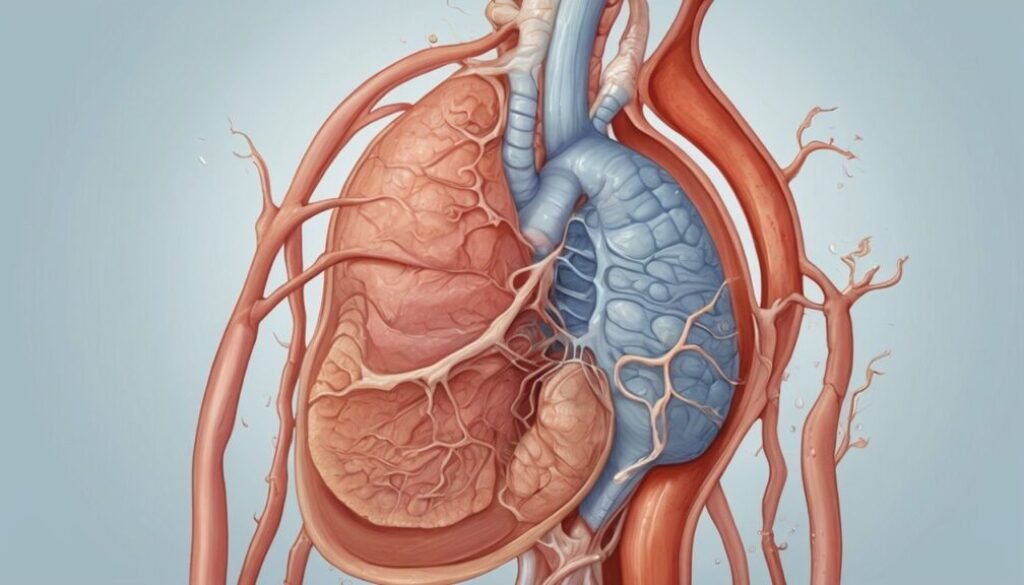
Mild Inactive Chronic Gastritis: Meaning, Symptoms & Treatment
If you’ve ever read a pathology report and paused at the phrase mild inactive chronic gastritis, you’re not alone. This term often appears unexpectedly after an endoscopy, leaving many people wondering what it actually means and whether they should be worried.
The topic matters because stomach inflammation sounds serious, even when you feel fine. Many patients with mild inactive chronic gastritis have little to no symptoms, yet the diagnosis can still raise questions about long-term stomach health, diet choices, and future risks. Understanding the difference between active and inactive inflammation can bring real peace of mind, especially when reviewing gastritis biopsy results or discussing next steps with your doctor. It also helps you know when lifestyle changes are enough and when medical follow-up is important.
Unlike acute stomach issues that cause sharp pain, this form of chronic gastritis is often subtle and slow-moving. That’s why clear, accurate information is essential. By learning how mild inactive chronic gastritis develops, what triggers it, and how it’s typically managed, you can make informed decisions without unnecessary stress.
Let’s break it down step by step, starting with what this diagnosis really means.
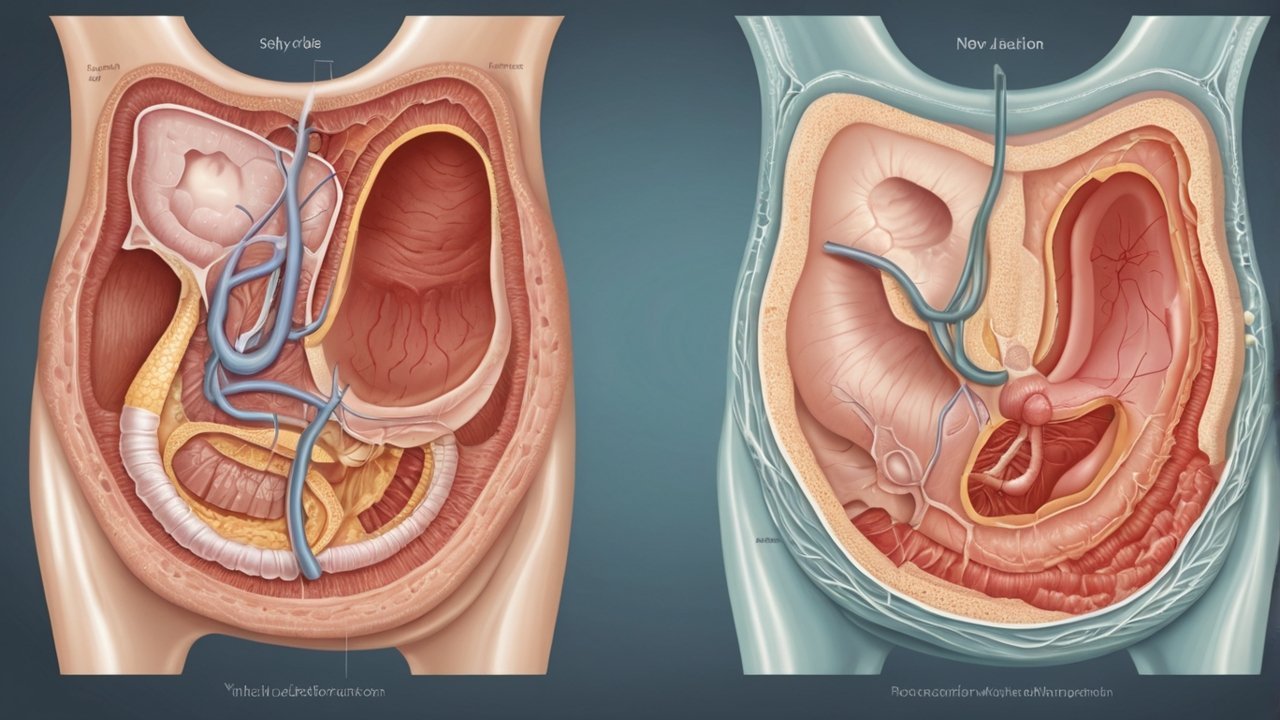

Chapter 3: Symptoms You May (or May Not) Experience With Mild Inactive Chronic Gastritis
One of the most confusing aspects of mild inactive chronic gastritis is how unpredictable the symptoms can be. Some people feel completely normal, while others experience mild digestive discomfort that seems vague or hard to pin down. This mismatch between diagnosis and symptoms often leads to unnecessary worry.
Understanding why symptoms vary, and what is considered normal, helps you respond appropriately without overreacting.
Why Mild Inactive Chronic Gastritis Often Has No Symptoms
Inactive Inflammation Means Minimal Irritation
When gastritis is described as “inactive,” it means the immune system is not actively inflaming the stomach lining. As a result, many people experience no pain or noticeable digestive issues at all.
According to Healthline and PubMed reviews, inactive gastritis is frequently discovered incidentally during endoscopy performed for unrelated reasons, such as reflux screening or routine evaluation.
In practical terms, this means:
-
No burning stomach pain
-
No nausea after meals
-
No appetite changes
For many patients, daily life is unaffected, which is why doctors often recommend observation rather than treatment.
Common Mild Symptoms of Inactive Chronic Gastritis
Subtle Digestive Signals You Might Notice
Although symptoms are usually mild, some people with mild inactive chronic gastritis report occasional digestive changes, such as:
-
Bloating or abdominal fullness
-
Mild indigestion after large meals
-
Increased sensitivity to spicy or acidic foods
These symptoms tend to come and go and are often influenced more by diet and stress than by the stomach lining itself.
If bloating or gas is your main complaint, learning how gut balance affects digestion can be helpful. A detailed breakdown is available in Probiotic for Bloating and Gas: Best 2025 Picks That Work.
At this stage, some readers choose a recommended tool to support gut comfort rather than relying on medication. You can See pricing and reviews on the official site for a best solution formulated to support digestive balance 👉 See pricing and reviews on the official site.
Symptoms That Are Usually Not Caused by Inactive Gastritis
When Another Condition May Be Responsible
It’s important to know what mild inactive chronic gastritis does not usually cause. Symptoms such as the following often point to other digestive issues:
-
Sharp or severe stomach pain
-
Persistent vomiting
-
Black or bloody stools
-
Rapid, unexplained weight loss
PubMed research shows that inactive gastritis alone rarely causes severe symptoms. When these signs appear, doctors typically investigate other conditions such as ulcers, active gastritis, gallbladder disease, or functional digestive disorders.
Why Symptoms Can Fluctuate Over Time
The Role of Diet, Stress, and Gut Health
Even when gastritis is inactive, symptoms can still fluctuate due to lifestyle factors. Large meals, high-fat foods, alcohol, and stress all place additional strain on digestion.
This explains why some people feel worse during stressful periods or after dietary changes, even though their biopsy results remain unchanged.
Supporting digestion holistically often produces better results than focusing on the stomach lining alone. Readers interested in broader gut wellness may benefit from learning about fiber intake trends in Fibremaxxing Explained: The Viral Gut Health Trend.
Some also prefer combining dietary changes with an affordable service that supports digestion and metabolic health together. You can Discover this affordable solution today 👉 Discover this affordable solution today.
Can Mild Inactive Chronic Gastritis Become Symptomatic Again?
What Reactivation Might Feel Like
Yes, symptoms can return if irritation reappears. Reactivation may occur due to:
-
Renewed NSAID use
-
Increased alcohol intake
-
Untreated acid reflux
-
New H. pylori infection
If inflammation becomes active again, symptoms typically feel more noticeable and persistent than before.
Recognizing early changes allows you to address triggers before the condition progresses.
Practical Symptom Management Tips You Can Use Now
Simple Steps That Support Comfort
Evidence-based strategies that many doctors recommend include:
-
Eating smaller, more frequent meals
-
Avoiding late-night eating
-
Choosing gentle foods such as bananas, oats, and rice
If you’re building a stomach-friendly diet, Banana Nutrition Facts and Health Benefits is a useful starting point.
For those seeking additional digestive support, a targeted supplement can be helpful when chosen carefully. Reviewing ingredients and user experiences is important, which is why many readers choose to See pricing and reviews on the official site before deciding on a best solution for gut comfort.
Key Takeaway Before Chapter 4
Most people with mild inactive chronic gastritis have no symptoms or only mild, occasional digestive discomfort. Severe or persistent symptoms usually indicate another issue rather than inactive gastritis itself.
In the next chapter, we’ll explain how this condition is diagnosed and what biopsy results really tell you about your stomach health.
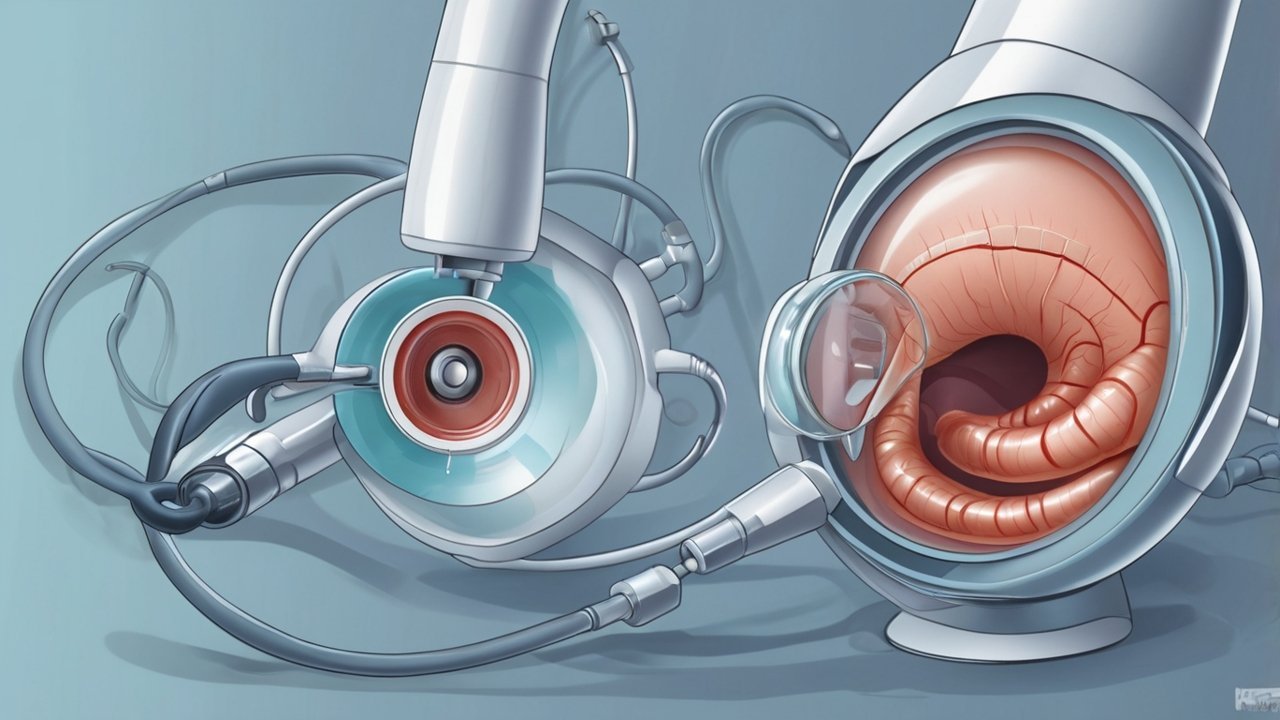
Chapter 4: How Mild Inactive Chronic Gastritis Is Diagnosed
For many people, the diagnosis of mild inactive chronic gastritis comes as a surprise. Symptoms are often vague or absent, yet a pathology report suddenly introduces a complex medical term. Understanding how doctors arrive at this diagnosis can remove much of the uncertainty and help you interpret test results with confidence.
Diagnosis usually involves two key steps: endoscopy and biopsy. Each plays a different role, and both are essential for accuracy.
Endoscopy and Mild Inactive Chronic Gastritis
What Doctors Look for During an Endoscopy
An upper endoscopy allows doctors to visually examine the stomach lining using a small camera. During this procedure, they may notice subtle changes such as mild redness or thinning, but in many cases, the stomach appears mostly normal.
This is important because mild inactive chronic gastritis often cannot be confirmed by appearance alone. Visual findings may be minimal or even absent, which is why biopsies are routinely taken even when the stomach looks healthy.
Endoscopy helps rule out more serious conditions, such as ulcers or active bleeding, but it does not tell the full story.
Gastric Biopsy: The Key to Diagnosis
Why Biopsy Results Matter More Than Visual Findings
A gastric biopsy involves taking tiny tissue samples from the stomach lining. These samples are examined under a microscope by a pathologist.
In cases of mild inactive chronic gastritis, the biopsy typically shows:
-
Mild chronic inflammatory cell presence
-
No active neutrophil infiltration
-
No ulceration or erosion
According to PubMed-reviewed studies, inactive gastritis is defined by the absence of active inflammation despite chronic structural changes. This distinction is critical because it directly influences treatment decisions.
If you’ve ever felt confused reading biopsy language, you’re not alone. Many patients benefit from understanding how pathology findings reflect past damage rather than current disease.
Understanding Your Pathology Report
Common Terms You May See
Pathology reports often include unfamiliar terms that can sound alarming. Common phrases include:
-
“Chronic inflammatory infiltrate”
-
“Inactive gastritis”
-
“Mild mucosal changes”
These terms describe microscopic findings, not symptoms or severity. Harvard Health emphasizes that inactive gastritis is generally considered a low-risk finding, especially in the absence of symptoms.
If bloating or digestive discomfort is still present despite an inactive diagnosis, the issue may be related to gut balance rather than stomach inflammation itself. In that case, reviewing options in Probiotic for Bloating and Gas: Best 2025 Picks That Work can help you identify supportive strategies.
Some readers choose a recommended tool designed to support digestive comfort without harsh medication. Before deciding, it’s wise to See pricing and reviews on the official site for a best solution backed by real user experiences 👉 See pricing and reviews on the official site.
Additional Tests Doctors May Order
Ruling Out Underlying Causes
After diagnosing mild inactive chronic gastritis, doctors often investigate potential causes. These tests may include:
-
H. pylori breath or stool tests
-
Blood tests for anemia or vitamin B12 deficiency
-
Review of medication history
Healthline notes that identifying and addressing the original trigger is more important than treating inactive gastritis itself.
If autoimmune gastritis is suspected, additional monitoring may be recommended. However, in most cases, no further invasive testing is required.
Why Diagnosis Does Not Always Mean Treatment
Monitoring vs Immediate Action
One of the most reassuring aspects of this diagnosis is that it often does not require active treatment. Doctors focus on:
-
Symptom presence
-
Risk factors
-
Lifestyle contributors
This conservative approach is supported by PubMed data showing that inactive gastritis rarely progresses without new irritation.
At this stage, many people focus on long-term digestive support instead of medication. Some prefer combining dietary adjustments with an affordable service that supports gut health and overall wellness. You can Discover this affordable solution today 👉 Discover this affordable solution today if digestive discomfort has been recurring.
How Often Should Follow-Up Testing Be Done?
What Most Patients Can Expect
For asymptomatic patients, routine follow-up endoscopy is usually unnecessary. Doctors may recommend monitoring only if:
-
Symptoms worsen
-
Risk factors persist
-
Autoimmune causes are suspected
Dietary choices can also support long-term stomach health. Choosing gentle foods matters, and Banana Nutrition Facts and Health Benefits offers a practical example of stomach-friendly nutrition.
Key Takeaway Before Chapter 5
Diagnosis of mild inactive chronic gastritis relies on biopsy findings rather than symptoms or visual appearance alone. The condition reflects past irritation, not active disease, which is why treatment is often unnecessary.
In the next chapter, we’ll address an important question many patients ask: Is mild inactive chronic gastritis serious, and what does it mean for long-term health?

Chapter 6: Treatment and Management Options for Mild Inactive Chronic Gastritis
Being diagnosed with mild inactive chronic gastritis often raises an important question: Do I need treatment, or can I leave it alone? In most cases, management focuses less on medication and more on preventing reactivation. Because the inflammation is inactive, treatment is usually supportive rather than aggressive.
The goal is simple. Protect the stomach lining, avoid known triggers, and support digestion long term.
When Treatment Is Not Usually Required
Why Doctors Often Recommend Observation
For many people, mild inactive chronic gastritis does not require medical treatment at all. If you have no symptoms and no high-risk factors, doctors typically recommend monitoring rather than intervention.
This approach is supported by PubMed research showing that inactive gastritis rarely progresses without renewed irritation. In other words, treating something that is not active often provides no additional benefit.
In these cases, management focuses on:
-
Avoiding known stomach irritants
-
Maintaining a balanced diet
-
Monitoring symptoms over time
Medical Treatment Options (When Symptoms Are Present)
When Medication May Be Helpful
If mild symptoms persist, doctors may recommend short-term medication. This does not mean the condition is serious, but rather that symptom relief is appropriate.
Common options include:
-
Acid-reducing medications (PPIs or H2 blockers)
-
Temporary antacids for symptom relief
Pros
-
Can reduce discomfort quickly
-
Helpful during symptom flare-ups
Cons
-
Not intended for long-term use in inactive gastritis
-
Possible side effects with prolonged use
Most guidelines suggest using medication only when symptoms interfere with daily life.
Lifestyle Changes That Support Mild Inactive Chronic Gastritis
The Foundation of Long-Term Management
Lifestyle choices have a greater impact than medication in most cases of mild inactive chronic gastritis. Small changes can significantly reduce the risk of reactivation.
Evidence-based strategies include:
-
Eating smaller, more frequent meals
-
Limiting alcohol and caffeine
-
Avoiding late-night eating
Stress management also matters. Stress does not directly cause gastritis, but it can worsen digestive sensitivity and reflux.
If you’re improving digestion through diet, understanding fiber intake is helpful. A practical overview is available in Fibremaxxing Explained: The Viral Gut Health Trend.
Gut Support and Digestive Balance
Why the Microbiome Matters
Even when gastritis is inactive, digestive discomfort may persist due to gut imbalance rather than stomach inflammation. Bloating, gas, and fullness often originate in the intestines, not the stomach lining itself.
At this stage, some readers choose a recommended tool that supports microbiome balance instead of relying on medication. If you’re evaluating options, you can See pricing and reviews on the official site for a best solution designed to support digestion gently 👉 See pricing and reviews on the official site.
This approach is especially useful for people who:
-
Experience bloating after meals
-
Have a history of antibiotic use
-
Want a non-pharmaceutical option
For a deeper breakdown of digestive support options, Probiotic for Bloating and Gas: Best 2025 Picks That Work provides a research-based comparison.
Dietary Choices That Help Protect the Stomach
Foods That Are Generally Well Tolerated
Diet plays a supportive role in managing mild inactive chronic gastritis. While no specific diet is required, certain foods are easier on the stomach.
Commonly recommended options include:
-
Bananas
-
Oatmeal
-
Rice
-
Lean proteins
If you’re building a stomach-friendly meal plan, Banana Nutrition Facts and Health Benefits is a helpful starting point.
Combining Lifestyle Support With Daily Wellness Tools
When a Broader Approach Makes Sense
Some people prefer a more holistic approach that supports digestion, metabolism, and daily energy together. In these cases, choosing an affordable service that integrates gut support with wellness education can be useful.
If digestive sluggishness or recurring discomfort keeps returning, you may want to Discover this affordable solution today 👉 Discover this affordable solution today and see whether it fits your routine.
Key Takeaway Before Chapter 7
Treatment for mild inactive chronic gastritis is usually conservative. Most people manage it successfully through lifestyle adjustments, symptom-based medication when needed, and targeted digestive support.
In the next chapter, we’ll explore whether this condition can be reversed and what long-term healing realistically looks like.
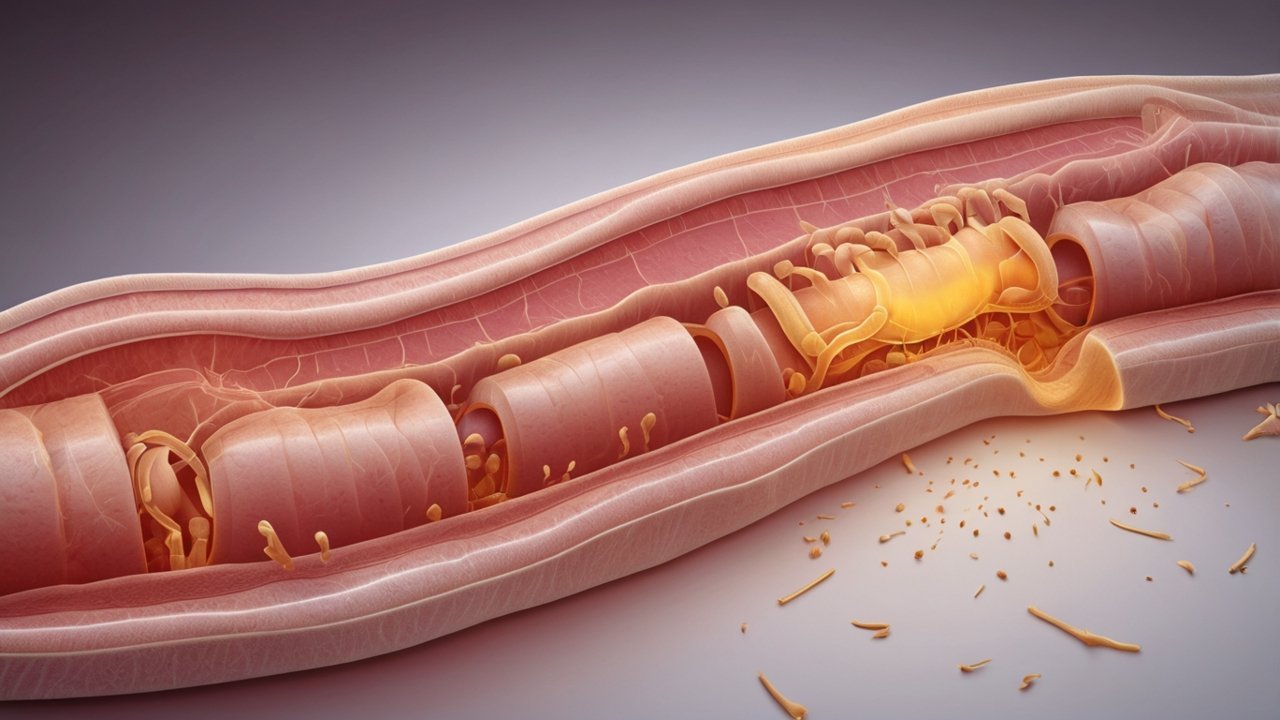


Chapter 9: Frequently Asked Questions About Mild Inactive Chronic Gastritis
Even after reading through all the details, many readers still have practical questions about daily life, long-term outlook, and next steps. Below are the most common questions doctors hear about mild inactive chronic gastritis, answered clearly and honestly.
Does “inactive” mean gastritis is completely gone?
Not exactly. Inactive means there is no current inflammation damaging the stomach lining. However, mild chronic changes may still be visible under a microscope.
In practical terms, this usually means:
-
No active disease
-
Low risk of complications
-
No need for aggressive treatment
According to PubMed reviews, inactive gastritis can remain stable for years without causing symptoms or progression, especially when triggers are avoided.
Can stress cause mild inactive chronic gastritis?
Stress alone does not directly cause gastritis. However, it can worsen digestive sensitivity, increase acid production, and aggravate reflux, which may contribute indirectly.
This is why stress management is often part of long-term care, even when inflammation is inactive. Simple routines such as regular meals, adequate sleep, and relaxation practices can support digestive comfort.
If digestive discomfort like bloating persists during stressful periods, understanding gut-related contributors may help. Probiotic for Bloating and Gas: Best 2025 Picks That Work offers a practical overview of evidence-based options.
Is mild inactive chronic gastritis linked to stomach cancer?
For most people, the answer is no.
By itself, mild inactive chronic gastritis carries a very low cancer risk. Risk increases mainly when additional factors are present, such as:
-
Ongoing H. pylori infection
-
Severe or active gastritis
-
Autoimmune gastritis
Harvard Health and Healthline both emphasize that inactive, mild cases without these risk factors are unlikely to progress. Monitoring is usually sufficient.
Should I follow a special diet forever?
There is no strict or permanent diet required. Most doctors recommend a flexible, stomach-friendly approach rather than rigid rules.
General guidelines include:
-
Avoiding known personal triggers
-
Eating balanced meals
-
Limiting alcohol and excessive caffeine
Gentle foods are often better tolerated. If you’re adjusting your diet, Banana Nutrition Facts and Health Benefits provides a simple example of a stomach-friendly option.
Are supplements necessary for inactive gastritis?
Supplements are not required to “treat” inactive gastritis. However, they can support digestive comfort when symptoms like bloating or fullness persist.
Many readers choose a recommended tool that supports gut balance rather than medication. If you’re comparing options, it’s smart to See pricing and reviews on the official site for a best solution formulated to support digestion gently 👉 See pricing and reviews on the official site.
Final Thoughts on Mild Inactive Chronic Gastritis
A diagnosis of mild inactive chronic gastritis is usually far less alarming than it sounds. In most cases, it reflects past irritation rather than current disease. There is no active inflammation, and many people live symptom-free without medication.
What matters most is:
-
Understanding what caused it
-
Avoiding repeat irritation
-
Supporting digestion consistently
Lifestyle choices often play a larger role than medical treatment. Some people prefer handling this through diet and habits alone, while others combine lifestyle changes with an affordable service that supports digestion, metabolism, and daily wellness together.
If recurring digestive discomfort continues to affect your routine, you may want to Discover this affordable solution today 👉 Discover this affordable solution today and decide whether it fits your needs.
The key takeaway is reassurance with awareness. Stay informed, pay attention to your body, and work with your healthcare provider when symptoms change.
Affiliate Disclosure
Some links in this article are affiliate links. This means we may earn a small commission if you choose to make a purchase through these links, at no additional cost to you. We only recommend products and services we believe may provide value based on available research and user feedback.
Medical Disclaimer
This content is for informational purposes only and does not constitute medical advice. It is not intended to diagnose, treat, cure, or prevent any disease. Always consult a qualified healthcare professional regarding any medical condition, symptoms, or treatment decisions.

Please log in to access your exclusive content.
Don’t have an account? Click the “Register” button below to sign up.
Related Posts