How to Improve Gut Health Naturally: A Gentle 7-Day Reset Plan
If you are searching for how to improve gut health naturally, you may be dealing with bloating, irregular digestion, or discomfort after meals. It is easy to feel frustrated when probiotic capsules, fiber powders, digestive enzymes, and “cleanse” products all promise support, yet many people try them without noticing a clear difference.
Often, the problem is not a lack of effort. It may come down to unclear ingredient labels, low-quality formulas, inconsistent use, or choosing a product that does not fit your actual needs. Learning how to improve gut health naturally is usually less about finding one miracle supplement and more about building steady habits while choosing supportive products carefully.
In this guide, you will discover realistic daily steps, how probiotics and prebiotic fiber may support digestion, and what to check before spending money on a supplement. We will compare beginner-friendly options, explain common red flags, and help you make a more confident, evidence-based choice as you learn how to improve gut health naturally.

How to Improve Gut Health Naturally: Common Symptoms and Frustrations
When “normal digestion” no longer feels normal
Trying to improve gut health often starts with a small, familiar frustration: you finish an ordinary meal and feel uncomfortably full, bloated, or sluggish. Maybe your digestion feels unpredictable. Some days seem fine, while others bring gas, irregular bowel habits, or a vague sense that your body is not quite settling after you eat.
These concerns are common, but they can still be disruptive. They may affect how confidently you eat out, how comfortable you feel at work, or whether you look forward to meals at all. When the same discomfort keeps returning, it is understandable to search for a natural way to support digestion.
The challenge is that “gut health” is an enormous category. Search results can quickly lead to probiotics, prebiotic powders, fiber gummies, digestive enzymes, detox teas, fermented foods, and expensive bundles that promise to fix everything at once. That volume of choice can make a simple question feel much harder:
What should I actually try first—and how can I avoid wasting money on products that do not fit my needs?
A useful starting point is to look at your overall routine before assuming that you need the most complex supplement. Regular meals, gradual fiber intake, enough fluids, movement, sleep, and stress levels can all influence digestive comfort. If you are unsure where to begin, our guide to simple ways to support digestive system health can help you identify a few realistic habits to focus on first.
The symptoms people commonly want help with
Digestive concerns do not look the same for everyone. One person may mainly notice bloating after dinner. Another may feel that their digestion is slow, irregular, or sensitive to sudden changes in food. Some people simply want to eat more fiber without feeling overwhelmed by meal planning.
Common concerns include:
-
Bloating, especially after larger meals
-
Occasional gas or a heavy feeling after eating
-
Inconsistent bowel habits
-
Feeling unsure whether a product is helping or making things worse
-
Difficulty meeting fiber needs through food alone
-
Confusion over whether probiotics, prebiotics, or digestive enzymes are more relevant
None of these experiences automatically point to one cause or one product. That is why it helps to avoid a “buy first, figure it out later” approach. A product that works well for a friend may not be the most suitable option for your routine, preferences, budget, or tolerance.
For example, adding more fiber may be a practical food-first step for many people, but doing it too quickly can leave some readers feeling more bloated at first. Learning about high-fiber foods for better gut health can make the transition feel more manageable than suddenly changing every meal.
Why product shopping can feel overwhelming
Many readers come to this topic after trying one or two supplements already. Perhaps the bottle looked promising, the reviews were enthusiastic, and the ingredients sounded familiar. But after a few days—or even a few weeks—there was no clear difference. That does not necessarily mean that every gut-health product is ineffective. It may mean the product was poorly matched to the goal, the formula was unclear, or it was used without a consistent routine around it.
A few common buying mistakes are easy to understand:
-
Choosing a product based only on a “best seller” label
-
Buying a probiotic without checking the strains or storage guidance
-
Picking a fiber product without considering water intake
-
Assuming “natural” automatically means gentle or suitable for everyone
-
Trying several new supplements at the same time
The last point matters more than it seems. When you change multiple products at once, it becomes difficult to tell what is supporting you, what is unnecessary, and what may be causing extra discomfort.
This is also why it is worth reading labels with a little more care. Transparent products should make it easy to see the ingredient list, serving size, suggested use, allergen information, and seller or brand details. Vague proprietary blends, dramatic cleanse claims, and missing instructions are signs to slow down rather than rush to purchase.
A more realistic path forward
Improving gut health naturally does not need to become a strict reset or a complicated wellness project. A more sustainable approach is to choose one or two habits you can repeat, then consider a product only when it has a clear role.
For readers looking for an optional product to compare, a gut-focused formula such as LeanBiome may be worth researching for its ingredient list, intended use, customer feedback, and safety information. It should be viewed as a supportive tool—not a replacement for balanced eating, hydration, or professional care when symptoms are persistent.
If probiotics are the category you are considering, our guide to probiotic powder options for adults can help you understand what to compare before buying.
The next step is to look at why many well-intended gut-health solutions disappoint—and how to make choices based on ingredients, quality, and realistic expectations rather than marketing alone.

Why Many Gut-Health Solutions Fail
Expecting a fast fix from one product
When digestion feels uncomfortable, it is tempting to look for the quickest answer: a probiotic with a high CFU count, a “cleanse” tea, a digestive enzyme blend, or a large supplement bundle that claims to cover every possible concern. The problem is not that every product is useless. It is that gut health is rarely improved by one purchase alone.
Many supplements are marketed as though results should be immediate and obvious. In real life, digestive changes can be gradual, personal, and influenced by food intake, hydration, stress, sleep, activity, medication use, and existing health conditions. A product may support one part of a routine, but it cannot reliably make up for several habits that work against digestion every day.
For example, a fiber supplement may be a practical option for someone who regularly falls short on fiber-rich foods. But if they add a large serving overnight while continuing to drink very little water, they may feel more uncomfortable rather than better. Likewise, a probiotic may be easier to assess when it is used consistently and paired with a balanced diet—not when it is taken randomly between very different meals each day.
A more helpful question is not “Which supplement works fastest?” It is:
“What is the simplest change I can use consistently, and what product—if any—actually supports that goal?”
That mindset makes it easier to avoid expensive trial-and-error.
Using the wrong product for the real concern
Different product types are often grouped together under “gut health,” but they are not interchangeable. Someone who wants to gradually increase fiber intake may not need the same product as someone comparing probiotic strains. Someone who experiences occasional discomfort after rich meals may be looking at digestive enzymes, while another reader may simply need more regular meals and hydration.
Before purchasing, identify the outcome you are trying to support:
-
More consistent daily fiber intake
-
A simple probiotic routine
-
Occasional meal-related digestive support
-
Better awareness of food patterns and personal triggers
-
A realistic wellness routine that does not require perfection
This matters because buying a product with an unclear purpose often leads to disappointment. If you choose a supplement because its marketing sounds broad and impressive, it may be hard to know whether it fits your actual routine.
For readers exploring fiber, it is useful to compare food options first. Our high-fiber foods guide offers practical choices that may help you build a more gradual foundation before relying on a supplement.
Ingredient quality is not always easy to judge
One reason many solutions fail is that product quality can vary widely. A listing may feature attractive packaging and confident wording but provide very little useful detail. Some labels do not clearly show ingredient amounts. Others use vague blends that make it difficult to compare formulas. In probiotics, a very large CFU number may sound persuasive, but it does not tell you everything about the strains included, storage requirements, or whether the formula matches your goal.
A more trustworthy product should make the basics clear:
-
Full ingredient list and amount per serving
-
Directions for use and serving size
-
Allergen information
-
Expiry date and storage guidance
-
Clear seller or brand information
-
Reviews that describe real use, not only star ratings
Be especially cautious with products that promise a dramatic “reset,” “detox,” or guaranteed result. These phrases can make ordinary digestive concerns feel urgent and encourage rushed decisions. A quality product should help you understand what it contains and how it is intended to be used, rather than relying on fear or exaggerated transformation claims.
Inconsistency makes it hard to judge results
Another common reason people feel that nothing works is that they are changing too many things at once. A new probiotic, a new fiber powder, a restrictive meal plan, and a wellness tea might all begin in the same week. If bloating improves—or gets worse—there is no clear way to tell why.
A gentler approach is usually more useful:
-
Choose one habit or product to test.
-
Start with the lowest label-directed serving when appropriate.
-
Keep the rest of your routine relatively steady.
-
Give yourself enough time to notice tolerance and consistency.
-
Record simple observations, such as comfort after meals or regularity.
This is not about becoming overly focused on every symptom. It is about making an informed decision instead of repeatedly buying products without learning what suits you.
If you want a simple structure for building healthier routines beyond supplements, the free Live Smart: 7 Habits for a Healthier, Happier You ebook can provide an approachable starting point.
The price trap: cheap does not always mean good value
Price matters, especially when you are comparing several options. But the lowest-cost product is not always the best value if its label is incomplete, its serving size is unclear, or you end up replacing it quickly because it does not fit your needs.
At the same time, the most expensive formula is not automatically the best choice. Paying more for a long list of trendy ingredients may not be useful if you only wanted a straightforward fiber product or a simple probiotic routine.
When comparing options, consider:
-
Cost per serving, not only the bottle price
-
Whether the key ingredients and amounts are disclosed
-
How easy the product is to use consistently
-
Whether it has a realistic purpose in your daily routine
-
Whether you would repurchase it based on value—not marketing pressure
For readers comparing gut-support formulas, LeanBiome is one optional product to research for ingredient transparency, intended use, and user feedback. It may suit readers who prefer a formulated option, but it should not be treated as a shortcut or a replacement for food-first habits.
The best purchase is often the one with a clear role, a transparent label, and a routine you can realistically maintain. Next, we will look at what evidence-based wellness guidance can—and cannot—tell you when choosing gut-health support.
Learning how to improve gut health naturally usually requires consistent daily habits and realistic expectations—not a fast fix from one product.

Evidence-Based Wellness Insights
Gut health is a system, not a single supplement
When people search for ways to improve gut health, they often want a clear product recommendation: the best probiotic, the most effective fiber powder, or a capsule that can make digestion feel normal again. Those products may have a place, but evidence-based wellness starts with a broader view.
Your digestive system responds to patterns, not just individual purchases. What you eat most days, how quickly you increase fiber, how much fluid you drink, your activity level, sleep, stress, and medication use can all affect digestive comfort. That is why a product can be helpful for one person but disappointing for another.
The goal is not to create a perfect routine. It is to identify the basics that are most likely to support your body, then use products thoughtfully rather than hoping for a miracle fix.
Fiber: one of the most practical starting points
Dietary fiber is commonly associated with regular digestion, but it is not a one-size-fits-all solution. Fiber comes from plant foods such as beans, vegetables, fruit, oats, whole grains, nuts, and seeds. Different types of fiber behave differently in the digestive system, and a gradual increase is generally easier to tolerate than a dramatic change overnight.
Soluble fiber, including psyllium, absorbs water and forms a gel-like substance. It is often used to support regularity, but adequate fluid matters. The U.S. National Library of Medicine notes that psyllium should be mixed with sufficient liquid and may interact with some oral medications, which is a useful reminder to read product directions carefully. MedlinePlus
For many readers, food is the best first place to build a fiber habit. A simple breakfast of oats and fruit, an extra serving of vegetables, or beans added to a meal can be more sustainable than trying to overhaul everything at once. If you want more approachable ideas, our guide to high-fiber foods for better gut health can help you choose foods that fit your usual meals.
A fiber supplement may still be worth considering when food intake alone is not meeting your needs. But it is best viewed as a practical tool—not as a replacement for a varied diet. Start slowly, follow the label, drink enough water, and pay attention to how you feel.
Probiotics: look beyond the headline number
Probiotics are widely discussed in gut-health content, but choosing one can feel confusing. Product labels often highlight a large CFU count, meaning colony-forming units, as though the biggest number automatically means the best product. In reality, the strain names, formula transparency, storage guidance, and your individual goal may matter more than a large number on the front label.
Probiotic foods, such as yogurt, kefir, and fermented vegetables, can be a food-first option for some people. Supplements may be useful for readers who prefer a consistent capsule or powder routine, but results vary. Some users report improved digestive comfort, while others notice little difference or mild temporary changes as their routine shifts.
When comparing a probiotic, check for:
-
Full strain information, not only a general “probiotic blend”
-
A clear serving size and expiry date
-
Storage guidance
-
Added ingredients, sweeteners, or allergens
-
Realistic claims rather than promises of a total reset
If bloating and gas are your main concerns, it can help to understand the category before buying. Read our probiotic guide for bloating and gas for a more focused look at what to compare.
Prebiotics and digestive enzymes have different roles
Prebiotics are types of fiber that can help support beneficial gut bacteria. They are found naturally in foods such as oats, onions, garlic, bananas, beans, and asparagus. Prebiotic powders and gummies are also available, but they may cause gas or bloating for some people—especially when introduced too quickly.
Digestive enzymes are different. They are usually marketed for occasional meal-related support and may include enzymes that help break down carbohydrates, proteins, or fats. They are not a universal answer to ongoing digestive problems. If symptoms are frequent, severe, or unexplained, it is better to speak with a qualified healthcare professional than continue testing supplements.
This distinction helps readers avoid a common mistake: choosing a product because the label sounds “gut friendly” without considering what it is actually designed to do.
How to use research without getting lost in it
Evidence-based does not mean every product has a perfect answer. It means looking for reasonable evidence, transparent labels, and safe expectations. A review published through PubMed Central describes psyllium as a predominantly soluble fiber that forms a viscous gel when hydrated. That supports its role as a fiber option, but it does not mean every person should use it or that it can solve every digestive concern.
The most trustworthy wellness decision is usually modest:
-
Start with one clearly defined goal.
-
Use food-first habits where possible.
-
Add one transparent product only if it has a clear role.
-
Give the routine time before judging it.
-
Stop and seek advice if symptoms are persistent or concerning.
For readers who want a formula-based option to research, LeanBiome may be worth comparing for its ingredients, intended use, and user feedback. It may support a broader gut-health routine for some people, but it is still important to review the label and consider personal needs before buying.
A sustainable routine is built through small decisions repeated over time. If you would like a simple habit framework to begin with, download the free Live Smart: 7 Habits for a Healthier, Happier You ebook. Next, we will compare the main product categories and identify which options may suit different types of buyers.

Product Comparison: Which Gut-Health Option Fits Your Routine?
The best gut-health product is not necessarily the one with the longest ingredient list or the most dramatic marketing. A better choice is one that matches your goal, has a transparent label, and feels realistic to use consistently.
The four options below serve different purposes. Compare them based on what you want help with—not on the promise of a complete overnight reset.
| Product type | Main ingredients to check | Best use | Price level | Main strength | Main limitation |
|---|---|---|---|---|---|
| Multi-strain probiotic | Named strains, CFU at expiry, storage instructions | Daily gut-health routine | Mid-range | Convenient all-in-one format | Quality varies by formula |
| Psyllium husk | Pure psyllium husk, serving size | Increasing soluble fiber intake | Budget-friendly | Simple, transparent ingredient | Requires plenty of water |
| Prebiotic fiber | Inulin, FOS, GOS, or listed fiber type | Supporting beneficial gut bacteria | Low to mid-range | Easy entry point for food-fiber support | May cause gas initially |
| Digestive enzymes | Enzyme types and amounts | Occasional meal-related support | Mid-range | Targeted, convenient format | Not suitable for persistent symptoms |
Prices and product availability may change. Review the current listing, label, seller information, and return policy before buying.
Multi-Strain Probiotic: Best for a Daily Routine
A multi-strain probiotic is designed for people who want one convenient product to include in their daily wellness routine. These formulas often contain several types of beneficial bacteria, but the label should make those strains clear. A high CFU number alone is not enough information to judge whether a product is well suited to you.
When comparing probiotic options, check for named strains, an expiry date, storage directions, and an ingredient list that does not hide behind vague “proprietary blends.” Some products require refrigeration, while others are formulated for shelf stability. That practical detail can make a big difference if you travel often or simply want a low-maintenance routine.
Best for: Readers who want an easy capsule or powder option and can use it consistently.
What to compare:
-
Named bacterial strains
-
CFU amount stated through the expiry date
-
Capsule, powder, or sachet format
-
Storage requirements
-
Added sweeteners, allergens, or fillers
Compare the multi-strain probiotic option here.
For a more detailed look at what matters beyond marketing claims, see our probiotic powder guide for adults.
Psyllium Husk: Best Value for Fiber Support
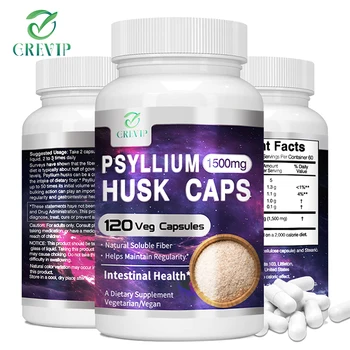
Psyllium husk is usually the most straightforward category in this comparison. It is a soluble fiber that absorbs water, which may help support regular digestion when used as directed. It is often less expensive per serving than a multi-ingredient supplement, making it a sensible option for readers who want to improve their fiber routine without buying a complicated formula.
The best psyllium products are often the simplest. Look for a clearly labeled powder with minimal added ingredients. Flavored versions can be easier to drink, but check for added sugar or ingredients you do not need.
Best for: Readers who do not regularly eat enough fiber-rich foods and want a budget-conscious addition to their routine.
What to compare:
-
Whether the product is pure psyllium husk
-
Serving size and suggested directions
-
Flavoring and added sugar
-
Packaging size and cost per serving
-
Seller reviews that mention freshness and texture
View the psyllium husk option here.
Remember to start gradually and drink enough water. Fiber supplements are not a replacement for varied foods, so pair them with practical choices from our guide to high-fiber foods for better gut health.
Prebiotic Fiber: Best for a Gentle Beginner Experiment
Prebiotic fiber products are intended to provide the types of fiber that may help support beneficial gut bacteria. Common ingredients include inulin, fructooligosaccharides (FOS), and other plant-based fibers. They can be a useful category for readers who want a simple, gradual supplement approach alongside food-based sources of fiber.
However, “gentle” does not mean that every person will tolerate it immediately. Prebiotic fibers can cause gas or bloating for some people, especially when the serving is increased too quickly. Start small and avoid beginning several new supplements at the same time.
Best for: Beginners who want to test one gut-support product before moving to a more complex formula.
What to compare:
-
Type of prebiotic fiber used
-
Fiber amount per serving
-
Powder versus gummy format
-
Added sugar in gummies
-
Suggested starting serving
Compare the prebiotic fiber option here.
A prebiotic is most useful when it fits a realistic routine. Adding oats, bananas, beans, onions, and other fiber-rich foods can complement the product without making your daily plan complicated.
Digestive Enzymes: Best for Specific Meal-Related Needs
Digestive enzyme products are different from probiotics and fiber. They are usually marketed for occasional support around meals and may contain enzymes such as amylase, protease, lipase, lactase, bromelain, or papain. Each type is associated with breaking down different food components.
These products may appeal to people who notice occasional discomfort after richer meals or who want a targeted product category to compare. But they should not be used as a way to ignore recurring symptoms. If you experience persistent pain, major changes in bowel habits, unexplained weight loss, vomiting, or blood in stool, seek medical guidance instead of repeatedly changing supplements.
Best for: Readers who want an occasional, meal-focused option rather than a daily gut-health formula.
What to compare:
-
Which enzymes are included
-
Whether individual enzyme amounts are listed
-
Suggested timing around meals
-
Allergen information
-
Whether the product makes unrealistic claims
View the digestive enzyme option here.
A simple way to choose
If you are still unsure, use this quick guide:
-
Choose a multi-strain probiotic for a convenient daily routine.
-
Choose psyllium husk for a simple, affordable fiber tool.
-
Choose prebiotic fiber if you want to start slowly with gut-bacteria support.
-
Choose digestive enzymes only when your goal is occasional meal-related support.
Start with one option, follow the label, and give yourself time to assess whether it belongs in your routine. Next, we will cover the buyer-guide details that can help you avoid unclear labels, poor-quality formulas, and unnecessary spending.

Buyer Guide: How to Choose a Gut-Health Product With More Confidence
Buying a gut-health product should feel like a practical decision—not a gamble based on a colourful label or a dramatic promise. Whether you are comparing probiotics, psyllium husk, prebiotic fiber, or digestive enzymes, the same core checks can help you avoid low-quality options and spend more thoughtfully.
The goal is not to find a “perfect” supplement. It is to choose a product with a clear role, transparent information, and a format you can realistically use.
Start with your actual goal
Before reading reviews or comparing prices, decide what you want the product to support. This prevents a common mistake: buying a complicated formula because it sounds impressive, then feeling disappointed because it was never matched to your needs.
Ask yourself:
-
Do I want a practical way to add more fiber?
-
Am I looking for a daily probiotic routine?
-
Do I want a beginner-friendly prebiotic option?
-
Am I comparing an occasional digestive-enzyme product for meals?
-
Would food, hydration, and a steadier routine be a better first step?
For example, psyllium husk may be easier to evaluate if your main goal is soluble fiber. A multi-strain probiotic may suit someone who prefers a convenient capsule. A digestive enzyme product is more specific and should not be chosen simply because it says “digestive support” on the front.
When you know the job a product needs to do, you are less likely to pay for unnecessary ingredients.
Look for ingredient transparency
A trustworthy product should make its ingredient list easy to find and understand. You do not need a nutrition degree to compare labels, but you should be able to answer a few basic questions.
For any product, check:
-
What are the active ingredients?
-
How much is included per serving?
-
What is the suggested serving size?
-
Are there sweeteners, fillers, flavorings, or allergens?
-
Does the label explain how and when to take it?
-
Is there a visible expiry date?
With probiotics, look for specific strain names rather than only a general “probiotic blend.” With prebiotic fiber, check the type of fiber and amount per serving. With digestive enzymes, see whether the formula lists the actual enzymes and their amounts. For psyllium, a simple formula is often a benefit because it is easier to compare.
Be cautious if the listing hides ingredient amounts in a proprietary blend. That does not automatically mean a product is poor, but it makes an informed comparison much harder.
Do not confuse marketing with quality
Words such as “natural,” “advanced,” “cleanse,” “premium,” or “doctor formulated” may sound reassuring, but they are not a substitute for transparent information. The same applies to dramatic promises about removing toxins, fixing your microbiome quickly, or transforming your digestion in days.
Reliable wellness products usually explain what they contain and how they are intended to be used. They do not need fear-based language to convince you to buy.
Red flags include:
-
Guaranteed or cure-like results
-
“Detox” claims without clear ingredient details
-
No stated serving size
-
Missing expiry or storage guidance
-
Unclear seller identity
-
Before-and-after style claims with no useful context
-
A very long ingredient list that is not explained
A good product should help you feel informed. It should not make you feel rushed or worried that you will miss out if you do not buy immediately.
Check quality signals—but keep them in perspective
Third-party testing, quality certifications, and batch information can be useful signs, especially for supplements. But do not assume every logo or phrase automatically proves a product is high quality. Instead, use these signals as part of a broader review.
Look for:
-
Clear manufacturing or quality information
-
Batch number or traceable product details when available
-
Sealed packaging and an expiry date
-
Sensible storage instructions
-
A seller with consistent recent feedback
-
Reviews that mention the product’s actual format, taste, packaging, or delivery condition
On marketplaces, buyer photos and written reviews can be more helpful than a star rating alone. Read a mix of positive, neutral, and critical feedback. A product with thousands of generic five-star reviews but very little detail may tell you less than a smaller set of thoughtful, recent reviews.
For more help comparing probiotic categories without falling for a headline number, read our guide to probiotics for bloating and gas.
Compare cost per serving, not only the bottle price
A cheap bottle is not always the most affordable choice. One product may appear less expensive but contain only a few servings, while another costs more upfront but lasts longer. Compare the total price with the number of servings to get a clearer picture.
Also consider whether you will actually use it. A large powder container is poor value if you dislike the texture and stop after a few days. A capsule may cost more per serving but be easier for you to take consistently.
When comparing products, ask:
-
How many servings are in the package?
-
What is the approximate cost per serving?
-
Does the format fit my routine?
-
Am I paying for ingredients I do not need?
-
Is there a smaller size to test first?
A simple product you use consistently may offer more value than an expensive formula that sits unused in a cupboard.
Review the seller, shipping, and return policy
Before placing an order, review the practical details:
-
Is the seller information clear?
-
Are there recent written reviews?
-
Is the return or refund policy visible?
-
How long might delivery take?
-
Is the packaging likely to protect the product during shipping?
-
Does the listing show the same ingredient and serving information in every section?
If a listing has conflicting details, missing instructions, or a return policy that is difficult to find, it may be better to choose another option. Supplements are personal products, and return rules can be limited after opening, so make your decision before you purchase.
Buy one product at a time
Once you have chosen a product, avoid buying several new supplements at once. Starting a probiotic, fiber powder, enzyme blend, and wellness tea together makes it difficult to tell what helps, what does not, and what may not agree with you.
Choose one product with a clear purpose. Use it according to the label, keep your regular routine steady, and give yourself time to assess whether it is worth continuing. A gentle, food-first approach to digestive system health can keep the process realistic.
Next, we will answer the most common questions about safety, side effects, timing, and who should be cautious before trying gut-health supplements.

Frequently Asked Questions About Gut-Health Products
Do gut-health supplements really work?
Gut-health supplements may be useful for some people, but they are not a guaranteed solution. Their value depends on the product type, ingredient quality, consistency of use, and the reason you are taking it.
For example, psyllium husk may support regularity for people who need more soluble fiber. A probiotic may suit someone looking for a simple daily routine, while prebiotic fiber may help support beneficial gut bacteria. Digestive enzymes are more specific and are usually chosen for occasional meal-related support.
What matters most is matching the product to a realistic goal. If you are eating very little fiber, drinking too little water, skipping meals, or trying several products at once, it may be difficult to tell whether any one supplement is helping.
Think of supplements as optional tools. They may support your routine, but they cannot replace a varied diet, hydration, movement, sleep, or medical care when it is needed.
Are probiotics safe to take every day?
Many generally healthy adults use probiotics daily, but “safe” does not mean suitable for every person. Formulas vary in strains, amounts, storage requirements, and added ingredients. Some people tolerate a probiotic well, while others notice mild changes such as temporary gas, bloating, or altered bowel habits.
Before taking one daily, check:
-
The full strain and ingredient list
-
Storage and expiry details
-
Any allergens or added sweeteners
-
Whether you are taking prescription medication
-
Whether you have a chronic health condition
People who are severely immunocompromised, pregnant, nursing, or managing a significant medical condition should seek advice from a qualified healthcare professional first.
If you want to compare products more carefully, our probiotic powder guide for adults explains the main label details to look for.
Can fiber supplements cause bloating?
Yes. A sudden increase in fiber can cause gas, bloating, or changes in bowel habits for some people. This does not always mean fiber is wrong for you; it may mean the serving size increased too quickly.
A gentler approach is to start with the smallest label-directed serving, drink enough water, and increase slowly only if you tolerate it well. It can also help to build more fiber through ordinary meals, rather than relying only on a powder or gummy.
For food ideas that make this easier, read our high-fiber foods guide.
Do not take psyllium husk without enough fluid. If you have difficulty swallowing, a history of bowel obstruction, or unexplained digestive symptoms, ask a healthcare professional before using it.
How long does it take to notice results?
There is no universal timeline. Some people notice changes in comfort or regularity within days, while others may need several weeks of a consistent routine before they can judge whether a product suits them.
Instead of looking for a dramatic change overnight, track simple, practical signs:
-
Is the product easy to take consistently?
-
Do you feel comfortable using the recommended serving?
-
Has it become easier to meet your fiber goal?
-
Are you experiencing unwanted effects?
-
Does the product still feel worth the cost after a few weeks?
Try not to change several things at once. If you begin a probiotic, a fiber supplement, and a new meal plan in the same week, it becomes difficult to identify what is helping.
Should I take probiotics, prebiotics, and digestive enzymes together?
Not necessarily. Each category has a different purpose, and using all three together is not automatically better. Combining several products at once may also increase the chance of digestive discomfort or make it harder to assess your tolerance.
A simpler starting point is usually better:
-
Choose psyllium husk if your main goal is adding soluble fiber.
-
Choose a probiotic if you want a convenient daily gut-support routine.
-
Choose a prebiotic fiber if you want to gradually support beneficial bacteria.
-
Choose digestive enzymes only for a clear, occasional meal-related reason.
If you prefer a formulated product rather than comparing separate categories, you can review LeanBiome’s current ingredients and product details. Consider it an optional tool, and do not combine it with several new products without first checking the label and your personal needs.
Who should be cautious with gut-health supplements?
Speak with a qualified healthcare professional before starting a new supplement if you:
-
Are pregnant or breastfeeding
-
Take prescription medications
-
Have a diagnosed digestive condition
-
Are immunocompromised
-
Have food allergies or ingredient sensitivities
-
Have had a bowel obstruction or difficulty swallowing
-
Experience persistent or worsening digestive symptoms
You should also seek medical care instead of relying on supplements if you have severe abdominal pain, vomiting, blood in stool, unexplained weight loss, black stools, persistent constipation, or a major ongoing change in bowel habits.
What is the safest way to start?
The safest approach is usually the least complicated one. Start with food-first habits, choose one transparent product only if it has a clear purpose, follow the label, and give your body time to respond.
A simple habit tracker can help you focus on consistency without becoming overly strict. The free Live Smart: 7 Habits for a Healthier, Happier You ebook is designed to help you build practical routines around food, hydration, movement, and rest.
Next, we will cover the medical safety considerations that matter before adding any gut-health product to your routine.

Medical Safety Considerations Before Trying Gut-Health Supplements
Gut-health products can seem low-risk because many are sold as natural, food-based, or over-the-counter options. However, “natural” does not automatically mean appropriate for everyone. Probiotics, fiber supplements, prebiotic products, and digestive enzymes can affect people differently depending on medications, allergies, medical history, and current symptoms.
A careful approach protects both your health and your budget. Before adding a new product, make sure you understand what it contains, how to take it, and when professional advice is the better next step.
Review your medications first
Some gut-health supplements may affect how medications are absorbed or tolerated. This is especially important with fiber products such as psyllium husk. Because psyllium absorbs water and forms a gel, it may affect the absorption of certain oral medicines if they are taken too close together.
Always read the product label for timing guidance. If you take prescription medication, ask your pharmacist or healthcare professional whether you should separate your supplement and medication doses.
Be especially cautious if you take medication for:
-
Blood sugar management
-
Blood pressure
-
Thyroid conditions
-
Blood clotting
-
Digestion or acid reflux
-
Mood, sleep, or anxiety
-
Chronic pain or inflammation
Do not stop, reduce, or replace prescribed medication with a supplement. A gut-health product may be a supportive lifestyle tool, but it is not a replacement for an individual treatment plan.
Pregnancy and breastfeeding require extra care
If you are pregnant, trying to conceive, or breastfeeding, speak with a qualified healthcare professional before adding a new probiotic, herbal ingredient, digestive enzyme, or concentrated fiber supplement.
Some ingredients may have limited safety information for pregnancy or nursing, while other products may contain blends, sweeteners, or herbs that are not clearly explained. Even when a product is widely sold, that does not guarantee it is suitable for this stage of life.
A clinician can help you consider factors such as current supplements, nutrition needs, medication use, constipation, nausea, allergies, and your personal health history. This is more useful than relying on general customer reviews.
Existing digestive conditions need individual guidance
Digestive symptoms can overlap with many medical conditions. Bloating, changes in bowel habits, gas, fatigue, or discomfort after meals do not automatically mean that you need a probiotic or a “gut cleanse.”
Speak with a healthcare professional before self-treating with supplements if you have—or think you may have—conditions such as:
-
Irritable bowel syndrome or inflammatory bowel disease
-
Celiac disease or food intolerances
-
Gastritis, ulcers, or chronic reflux
-
Kidney or liver disease
-
Diabetes
-
A history of bowel obstruction
-
Difficulty swallowing
-
A recent gastrointestinal procedure or surgery
For instance, a sudden increase in prebiotic fiber may feel uncomfortable for some people with sensitive digestion. Digestive enzymes may not be appropriate if symptoms are frequent or unexplained. A simple product is not always the correct product when there is an underlying condition.
If you want to build a healthier routine without immediately reaching for a supplement, start with our guide to natural ways to support digestive system health. Food, hydration, regular meals, and gentle movement are often practical areas to review first.
Check allergies and ingredient sensitivities
Supplements can contain more than their headline ingredient. A probiotic may include dairy, soy, gluten-related ingredients, or capsule materials. Gummies may contain sweeteners, colorings, or flavorings. Digestive enzymes can be derived from plant, fungal, or animal sources. Even plain fiber products can cause reactions in people with specific allergies.
Before buying, review:
-
Active ingredients
-
Inactive ingredients
-
Allergen statement
-
Capsule shell or gummy ingredients
-
Flavorings and sweeteners
-
Manufacturing and storage information
Avoid a product if the label is incomplete or difficult to read. If you have had an allergic reaction to a supplement before, do not assume another “natural” product will be safe just because it is from a different seller.
Know when to stop and seek medical advice
Mild, temporary digestive changes can happen when you increase fiber or start a new product. But ongoing or severe symptoms should not be managed through repeated supplement purchases.
Stop using a product and seek prompt medical advice if you experience:
-
Severe or worsening abdominal pain
-
Trouble swallowing or breathing
-
Persistent vomiting
-
Blood in stool or black stools
-
Unexplained weight loss
-
Fainting, severe weakness, or dehydration
-
Constipation or diarrhea that does not improve
-
A major new change in bowel habits
These symptoms need professional assessment. A supplement review, online comment, or marketplace product listing cannot tell you what is causing them.
Use a cautious “one change at a time” approach
The safest way to try a gut-health product is to keep the process simple:
-
Choose one product with a clear purpose.
-
Read the ingredient label and safety guidance.
-
Start with the lowest label-directed serving when appropriate.
-
Keep hydration and meals consistent.
-
Do not begin several new products in the same week.
-
Stop if you have a concerning reaction.
For readers who want to compare a formulated option, LeanBiome can be reviewed for its current ingredients, directions, and customer information. It should only be considered after checking whether the formula fits your personal situation and after consulting a professional when needed.
A safe routine is not about finding the strongest product. It is about making one informed choice at a time. Next, we will bring the article together with a balanced final recommendation and a simple plan for choosing the option that best fits your needs.

Final Recommendation: Build a Gut-Health Routine You Can Actually Maintain
Improving gut health naturally is less about finding one perfect supplement and more about choosing a few supportive habits you can repeat. Food choices, hydration, regular meals, movement, sleep, and stress all have a place. Products can be useful, but they work best when they have a clear role in an already realistic routine.
If you have felt overwhelmed by probiotics, fiber powders, prebiotics, and digestive enzymes, begin by simplifying the decision. You do not need to buy everything. Choose the category that best matches your current goal, check the label carefully, and try one change at a time.
Best overall choice: A transparent multi-strain probiotic
A multi-strain probiotic may be the best overall category for readers who want a convenient daily product and prefer capsules or powder over adding another food to their routine. The key is not choosing the product with the biggest number on the front label. Instead, look for named strains, clear serving information, storage guidance, and a sensible ingredient list.
A probiotic may help support a broader gut-health routine, but it should not be treated as a quick fix for persistent symptoms. Give it enough time to assess, keep other habits reasonably steady, and stop if it does not suit you.
For readers who prefer a prepared formula, LeanBiome is an optional product to review for its current ingredients, directions, and user information. Compare it with other transparent formulas and choose it only if it fits your goals, budget, and personal health needs.
Why it may suit you:
-
You want one convenient daily product
-
You prefer a formula rather than separate fiber or prebiotic products
-
You are willing to compare ingredient details before buying
-
You understand that consistent habits still matter most
Soft CTA: Learn more about LeanBiome’s ingredients and current product information.
Best value choice: Psyllium husk for simple fiber support
For many readers, psyllium husk is the best value option because it is straightforward, budget-friendly, and easy to evaluate. A clearly labelled, simple fiber product can make more sense than paying for a complicated formula with ingredients you do not need.
Psyllium may be useful if your daily meals are low in fiber and you want a practical tool to support regularity. However, it needs to be used carefully: start gradually, follow the label, and drink enough water. It may not be suitable for people with swallowing difficulties, a history of bowel obstruction, or unexplained digestive symptoms.
Food should still come first where possible. Adding oats, beans, fruit, vegetables, seeds, and whole grains provides fiber alongside other nutrients. Our high-fiber foods guide can help you make those changes without turning every meal into a strict plan.
Choose prebiotic fiber when you want to start gently
Prebiotic fiber may suit readers who want to support beneficial gut bacteria but do not want a complex probiotic formula. It can be a useful category to consider alongside food-based sources such as bananas, oats, beans, garlic, onions, and asparagus.
Start slowly. A prebiotic product can cause gas or bloating when introduced too quickly, particularly if you are not used to eating much fiber. Avoid starting it alongside several other supplements, because it will be harder to know what your body is responding to.
Choose digestive enzymes only for a specific purpose
Digestive enzymes are most appropriate when you are comparing an occasional, meal-focused product—not when you are looking for a long-term answer to frequent discomfort. They are not designed to solve every digestive problem, and they should not be used to delay medical advice for persistent symptoms.
If meals regularly cause pain, nausea, major bloating, or changes in bowel habits, the right next step is not another supplement. It is a conversation with a qualified healthcare professional.
Your simple next-step plan
If you are unsure where to begin, use this practical sequence:
-
Choose one food-first habit. Add one fiber-rich food, drink more water, or make meals more regular.
-
Pick one clear product category only if needed. Match it to your goal: probiotic, psyllium, prebiotic fiber, or digestive enzymes.
-
Check the label and seller details. Look for full ingredients, serving size, storage instructions, expiry date, and return information.
-
Start gradually. Follow the label and do not increase the serving too quickly.
-
Give it time. Keep your routine steady long enough to assess comfort, consistency, and value.
-
Seek advice for concerning symptoms. Severe pain, vomiting, blood in stool, black stools, unexplained weight loss, or ongoing bowel changes need professional assessment.
For a wider food-and-lifestyle approach, our guide to supporting digestive system health naturally can help you build a foundation before buying anything else.
The most effective gut-health routine is usually the one you can maintain without stress or pressure. Keep it simple, choose transparent products, and let small daily habits do the long-term work.
Affiliate Disclosure
This article contains affiliate links. If you choose to purchase through one of these links, we may earn a commission at no additional cost to you. Affiliate partnerships do not determine our recommendations; we aim to prioritize product transparency, safety considerations, and overall reader value.
Medical Disclaimer
This article is provided for educational and informational purposes only. It is not intended to diagnose, treat, cure, or prevent any disease, and it does not replace professional medical advice, diagnosis, or treatment.
Speak with a qualified healthcare professional before starting any supplement, especially if you are pregnant or breastfeeding, take prescription medication, have a chronic medical condition, have allergies or ingredient sensitivities, or experience persistent digestive symptoms.
Editorial Policy
Our product recommendations are based on publicly available research, ingredient transparency, product quality, safety considerations, and overall consumer value. We aim to review information regularly and present balanced guidance that helps readers make more informed decisions.