Caffeine Free Coke: Benefits, Drawbacks, and the Best Alternatives
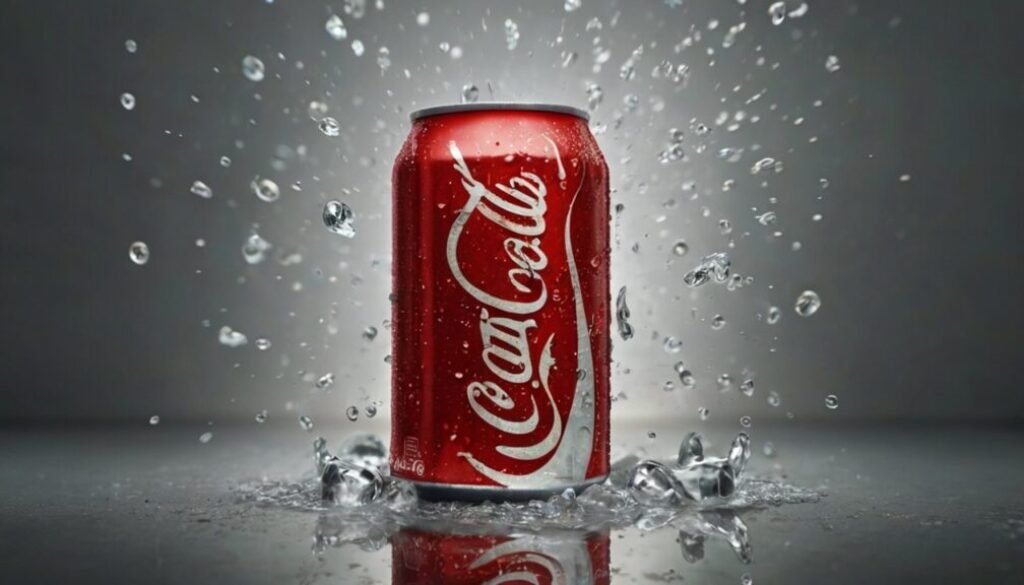
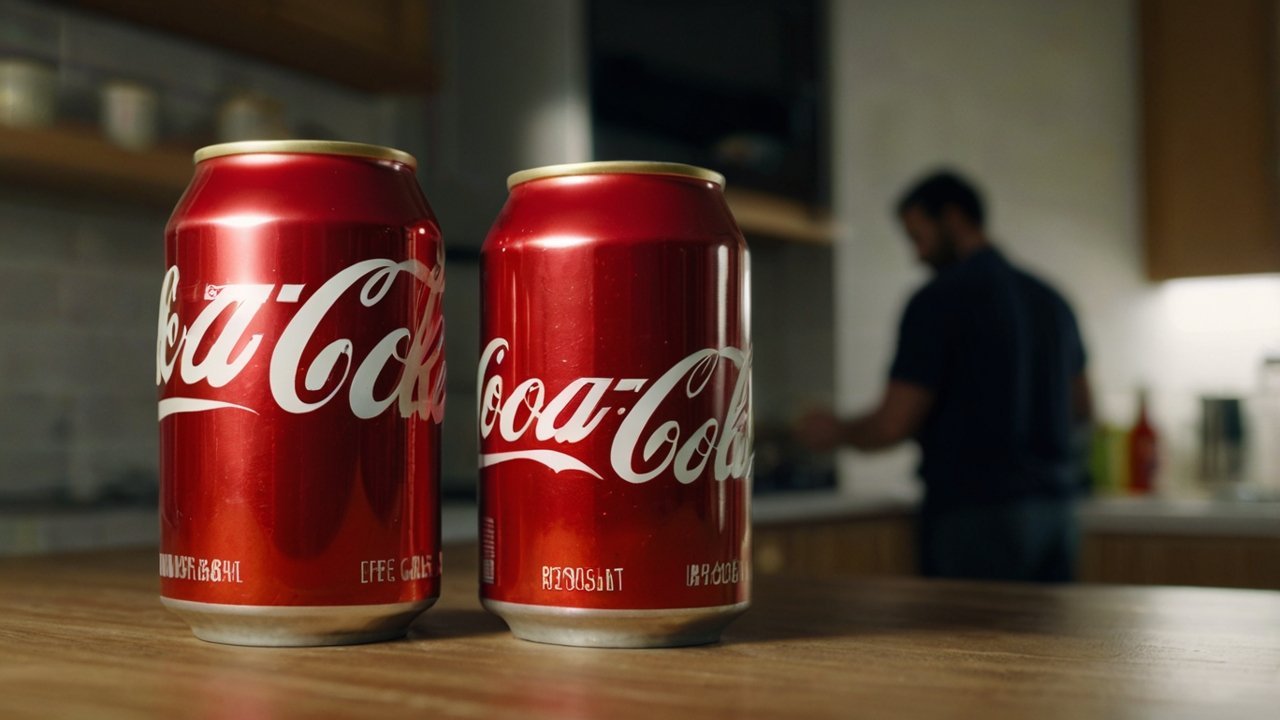
In a world where caffeine dominates our daily routines, more and more people are reaching for alternatives that offer the same familiar taste—without the buzz. Caffeine Free Coke has become a popular choice for soda lovers who want to enjoy the classic Coca-Cola flavor without the stimulating effects of caffeine. Whether you’re cutting back for health reasons, avoiding it during pregnancy, or simply want a late-night drink that won’t keep you awake, this golden-labeled can has carved out its niche. But what exactly is in Caffeine Free Coke? How does it compare to the original? And is it truly a healthier option—or just clever branding? Let’s break it down.
🥤 Chapter 1: Why Caffeine Free Coke Is Trending
🌍 The Global Shift Toward Caffeine Free Coke
Over the last decade, health trends have transformed the way we drink. More consumers are reaching for beverages that fit their wellness goals without sacrificing enjoyment. Caffeine Free Coke has quickly risen as a go-to choice, offering the classic Coca-Cola taste without the caffeine kick that can disrupt sleep, increase anxiety, or spike blood pressure.
This shift isn’t just about soda—it’s part of a bigger lifestyle movement where people choose beverages that support balance and long-term health. The rise of kombucha, sparkling waters, and herbal infusions shows that we’re moving toward a “conscious indulgence” era.
👉 Curious about other wellness-forward drink trends? Explore Herbal Wellness Water and how it’s taking over the health scene.
👩⚕️ Why More People Choose Caffeine Free Coke
There are three key reasons behind the popularity of Caffeine Free Coke:
-
Better Sleep – Cutting caffeine after 2 p.m. helps maintain deeper, restorative rest.
-
Anxiety Reduction – Many caffeine-sensitive individuals experience jitters, palpitations, or restlessness from even small amounts.
-
Safe for All Ages – From kids to pregnant women, Caffeine Free Coke provides a fizzy treat without caffeine-related risks.
For anyone dealing with chronic fatigue or mitochondrial imbalance, avoiding caffeine may actually help stabilize energy levels instead of creating spikes and crashes. (See more about Mitochondrial Imbalance.)
📊 The Wellness Trend Behind Caffeine Free Coke
In 2024, surveys revealed that over 35% of soda consumers are now actively looking for caffeine-free or reduced-caffeine options. This isn’t a fad—it’s a growing awareness about energy management and long-term health.
And while Caffeine Free Coke might not solve every problem, it provides an accessible alternative to coffee or energy drinks that often leave people feeling drained.
🧭 Need a sustainable way to boost vitality without caffeine? Learn about Mitochondrial Energy Boost, a strategy for powering your cells naturally.
⚖️ Is Caffeine Free Coke Just Clever Marketing?
Some skeptics argue that Caffeine Free Coke is simply a branding trick. After all, it has the same sugar and calorie content as regular Coke. But that doesn’t mean it’s irrelevant. For those who can’t tolerate caffeine—or who want an evening soda without risking insomnia—it’s a meaningful choice.
The product also signals Coca-Cola’s recognition of changing consumer needs. Instead of phasing out soda entirely, many people now find a middle ground: keep the flavor, lose the stimulant.
👉 If weight control or sugar balance is your goal, check out tools like Sugar Defender to support healthy sugar metabolism.
🎯 The Takeaway on the Caffeine Free Coke Trend
The rise of Caffeine Free Coke is more than just a golden-labeled can on the shelf—it represents a growing desire for choice, balance, and wellness in our daily lives. For soda lovers who don’t want to quit but need to cut back, it’s a bridge between indulgence and health awareness.
🌐 Discover more health insights and trends on the LiveSmart Health Hub.
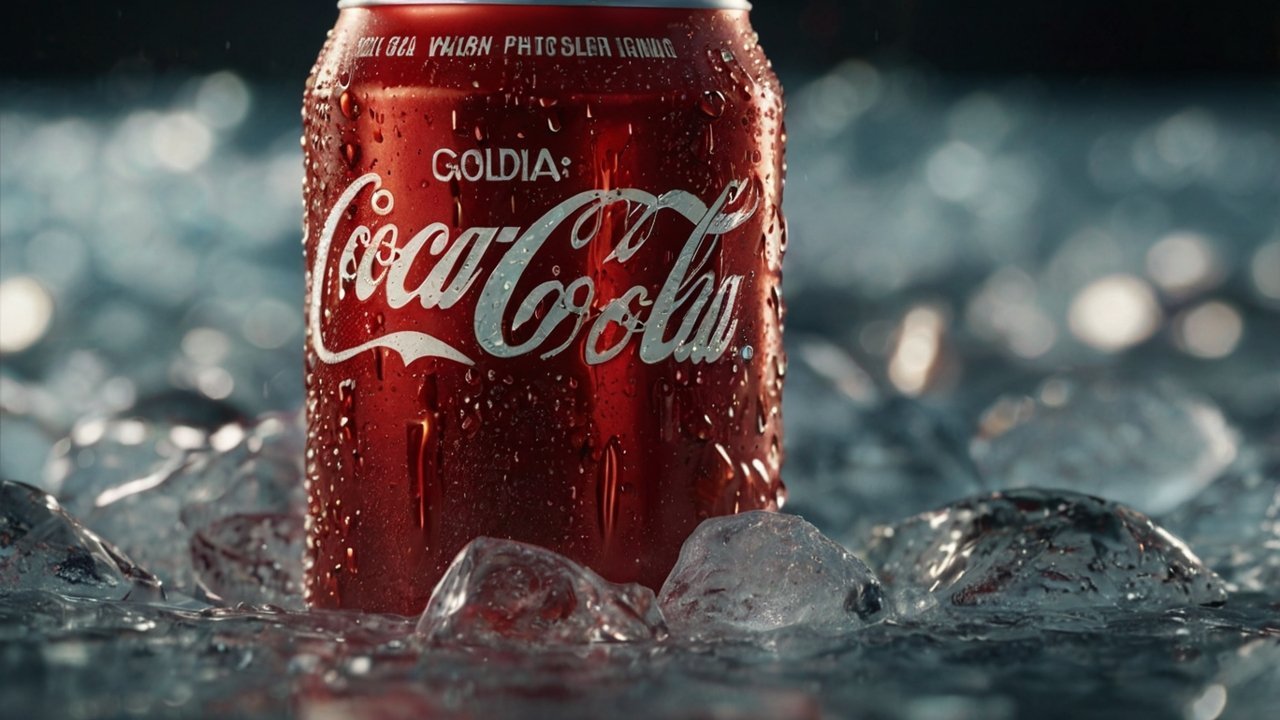
🧃 Chapter 2: What Is Caffeine Free Coke?
🥤 Defining Caffeine Free Coke in Today’s Market
At its simplest, Caffeine Free Coke is exactly what the name suggests: the classic Coca-Cola formula, minus the caffeine. First introduced in the early 1980s, this version was designed for consumers who love the rich, caramelized flavor of Coke but want to avoid the stimulant side effects of caffeine.
Unlike Diet Coke or Coke Zero, which focus on cutting calories and sugar, Caffeine Free Coke preserves the full sugar and calorie profile of regular Coke. The only major difference is the caffeine content, which is 0 mg per serving.
👉 Looking for other modern drink alternatives? Check out Herbal Wellness Water, a fast-growing wellness trend from Asia.
⚗️ Ingredients That Make Up Caffeine Free Coke
The recipe is almost identical to Classic Coca-Cola, featuring:
-
Carbonated water – the bubbly foundation.
-
High fructose corn syrup or cane sugar (depending on the country).
-
Caramel color – for its signature deep hue.
-
Phosphoric acid – adds tangy sharpness.
-
Natural flavors – the secret formula Coca-Cola has guarded for decades.
-
Sodium benzoate – preserves freshness.
-
Caffeine – ❌ absent in this variant.
This means the drink provides the same fizzy satisfaction but avoids the jitters, heart palpitations, or sleep disruption that caffeine-sensitive individuals often experience.
👉 For those battling fatigue but trying to reduce caffeine intake, here’s an option worth exploring: Mitochondrial Energy Boost.
🍷 Does Caffeine Free Coke Taste the Same as Classic Coke?
Most loyal drinkers agree: yes, the taste is nearly identical. Coca-Cola has worked to keep the flavor profile intact. The absence of caffeine, however, slightly alters the drink’s “bite.” Some describe Caffeine Free Coke as smoother or less sharp compared to its caffeinated counterpart.
This subtle difference doesn’t deter most consumers—in fact, many prefer it when drinking soda late at night or as a casual treat during the day.
👉 Related insight: Learn about how mitochondrial imbalance can affect your energy far more than caffeine alone.
⚖️ Comparing Caffeine Free Coke to Other Coke Variants
| Feature | Classic Coke | Caffeine Free Coke | Diet Coke | Coke Zero Sugar |
|---|---|---|---|---|
| Sugar | 39g | 39g | 0g | 0g |
| Calories | 140 | 140 | 0 | 0 |
| Caffeine | ~34mg | 0mg | ~46mg | ~34mg |
| Taste vs. Classic | Same | Nearly identical | Very different | Very close |
As the chart shows, Caffeine Free Coke is best positioned for those who value taste but need to cut caffeine, while Diet Coke and Coke Zero are more targeted at calorie- and sugar-conscious consumers.
👉 For more on sugar management, see FibreMaxxing Explained.
🧠 Who Should Drink Caffeine Free Coke?
This beverage is especially popular with:
-
Pregnant individuals avoiding caffeine.
-
Parents offering a safe soda option to kids.
-
People with anxiety, heart conditions, or insomnia.
-
Nighttime soda drinkers who want the fizz without sleep disruption.
For these groups, Caffeine Free Coke becomes more than just a soft drink—it’s a practical lifestyle adjustment.
👉 For additional caffeine-related insights, see this external caffeine guide.
🎯 Final Thoughts on Caffeine Free Coke
Caffeine Free Coke proves you don’t have to sacrifice flavor to make smarter choices. It might not be a health drink, but it offers something millions of consumers want: the joy of Coke without the jitters.
In today’s wellness-driven world, that makes it more relevant than ever.
👉 Learn more about evolving health trends at the LiveSmart Health Hub.
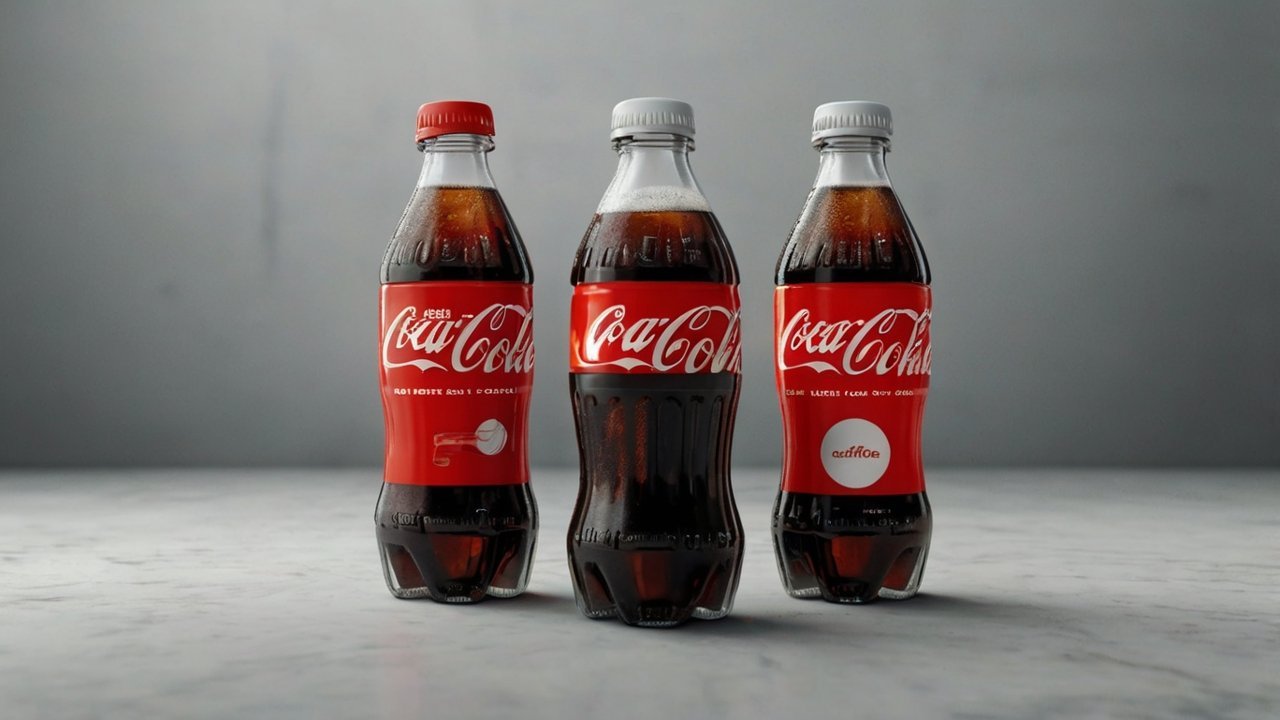
🧪 Chapter 3: Ingredients Breakdown — Is Caffeine Free Coke Healthier Than Regular Coke?
🥤 What Makes Caffeine Free Coke Different?
At first glance, Caffeine Free Coke looks just like its classic counterpart—same caramel hue, same fizzy pop, and nearly identical sweetness. The difference? Zero milligrams of caffeine. This makes it a safer choice for individuals sensitive to stimulants, night-time soda drinkers, or anyone managing conditions where caffeine is discouraged.
But aside from removing caffeine, the rest of the formula remains the same. That means the sugar, calories, and preservatives are still present.
👉 Curious about smarter energy strategies? Learn about Mitochondrial Energy Boost as a natural way to power your body.
⚗️ Ingredient List of Caffeine Free Coke
Here’s what you’ll typically find in every golden-labeled can:
-
Carbonated Water – creates the fizz.
-
High Fructose Corn Syrup or Cane Sugar – the sweet base (about 39g per can).
-
Caramel Color – the signature deep brown.
-
Phosphoric Acid – gives that tangy bite.
-
Natural Flavors – Coca-Cola’s guarded secret recipe.
-
Sodium Benzoate – preservative for shelf stability.
-
Caffeine – ❌ removed completely.
The takeaway? Caffeine Free Coke is almost identical to Classic Coke, just minus the stimulant.
📊 Nutritional Comparison — Caffeine Free Coke vs Regular Coke
| Feature | Classic Coke | Caffeine Free Coke | Diet Coke | Coke Zero Sugar |
|---|---|---|---|---|
| Sugar (per 12oz) | 39g | 39g | 0g | 0g |
| Calories | 140 | 140 | 0 | 0 |
| Caffeine | ~34mg | 0mg | ~46mg | ~34mg |
| Preservatives | Yes | Yes | Yes | Yes |
👉 As you can see, Caffeine Free Coke is not “healthier” in terms of sugar or calories—its main selling point is the absence of caffeine.
For those concerned about sugar intake, products like Sugar Defender may help support healthier blood sugar balance.
🧠 Is Caffeine Free Coke a Healthier Choice?
The answer depends on what you’re comparing:
-
For caffeine-sensitive individuals: ✅ Yes, it’s a smarter option.
-
For late-night drinkers: ✅ Yes, no risk of insomnia.
-
For sugar-conscious consumers: ❌ No, sugar and calories remain unchanged.
-
For overall wellness seekers: ⚖️ It’s a lateral shift, not a health upgrade.
In short, Caffeine Free Coke is different, not necessarily better. It fills a valuable niche for those who want the Coke experience without the stimulant side effects.
👉 Want to learn how gut health trends like FibreMaxxing can help counteract sugar’s effects? Read here: FibreMaxxing Explained.
🎯 The Verdict on Caffeine Free Coke’s Health Profile
If you’re trying to reduce caffeine, Caffeine Free Coke is the perfect substitute without giving up flavor. But if your goal is to improve nutrition, cut sugar, or lose weight, it’s not a silver bullet.
Think of it as a lifestyle option—a beverage that lets you enjoy the taste of Coke without the jitters, but not necessarily a step toward a healthier diet.
👉 For more context on how stimulants and energy interact, read about Mitochondrial Imbalance and Fatigue.
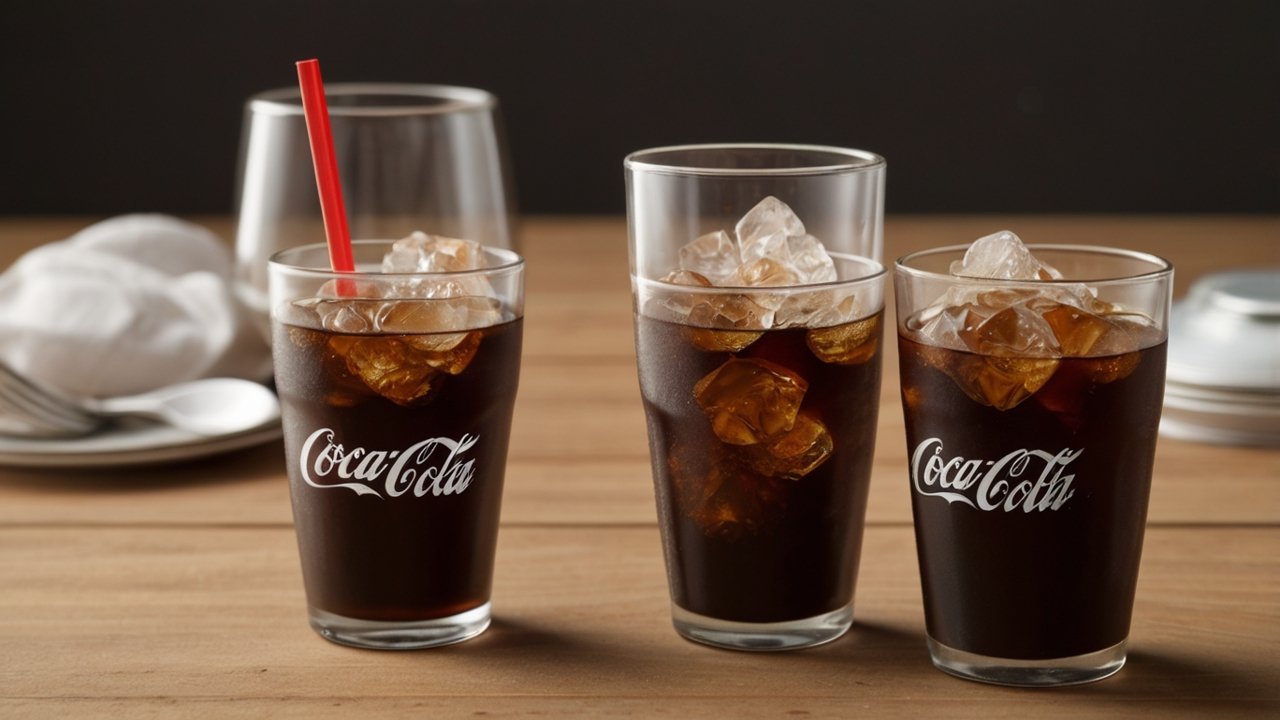
🥤 Chapter 4: Taste Comparison — Caffeine Free Coke vs Regular Coca-Cola
🍷 Does Caffeine Free Coke Taste the Same as Classic Coke?
One of the most common questions consumers ask is: “If I switch to Caffeine Free Coke, will it taste different?” The answer is yes—and no.
For most people, the difference is nearly imperceptible. Caffeine Free Coke was specifically engineered to replicate the classic Coca-Cola flavor profile. It has the same sweetness, caramel notes, and effervescent fizz that millions love.
However, caffeine itself has a naturally slightly bitter, sharp edge. Without it, some drinkers describe Caffeine Free Coke as being a touch smoother and less intense.
👉 Pro tip: Serve both versions ice-cold. Temperature influences taste perception, and a chilled can of Caffeine Free Coke tastes almost indistinguishable from the original.
👨🔬 Real-Life Taste Tests of Caffeine Free Coke
In blind taste tests, the results are fascinating:
-
Around 70% of participants couldn’t tell the difference.
-
Of the remaining 30%, most noted less “bite” in Caffeine Free Coke.
-
Some described it as “a bit sweeter” even though the sugar content is identical.
This suggests that expectation plays a big role in how we perceive flavor. If you know you’re drinking the caffeine-free version, your brain may pick up on subtle nuances that you’d otherwise miss.
👉 Curious about how our energy systems affect perception? Learn about Mitochondrial Energy Boost and its role in sustained vitality.
🥂 When Does Caffeine Free Coke Taste Better?
Many consumers find that Caffeine Free Coke tastes better under specific conditions:
-
At night – when they want the Coke experience without caffeine keeping them awake.
-
For children – where the smoother profile feels less harsh.
-
During casual meals – when soda is more about refreshment than stimulation.
This makes Caffeine Free Coke an excellent lifestyle drink for those who love soda but want to avoid jittery side effects.
👉 Want to explore more beverage alternatives? Check out the rising trend of Herbal Wellness Water.
⚖️ The Verdict — Which One Wins?
-
Classic Coke: Best for those who enjoy the slight bitterness caffeine adds and want the traditional formula.
-
Caffeine Free Coke: Perfect for anyone who wants the taste of Coke without caffeine’s drawbacks, like anxiety, sleep disruption, or heart sensitivity.
In truth, neither is “better” universally. It depends on your lifestyle and priorities. If caffeine disrupts your health or sleep, Caffeine Free Coke is the smarter option. If you want the exact bite of Classic Coke, stick with the original.
👉 For more on how caffeine impacts your system, explore this external guide on caffeine and sleep.
🎯 Final Thoughts on Taste
When it comes to taste, Caffeine Free Coke has pulled off an impressive balancing act: it stays loyal to Coca-Cola’s signature flavor while offering a gentler, more versatile experience. For those looking for fizz without frazzle, it’s a refreshing alternative.
👉 Continue exploring wellness-driven choices at the LiveSmart Health Hub.

⏰ Chapter 5: When Should You Drink Caffeine Free Coke (And When You Shouldn’t)?
🕒 The Best Times to Enjoy Caffeine Free Coke
One of the biggest appeals of Caffeine Free Coke is its flexibility. Without caffeine’s stimulating punch, you can enjoy it at times when regular Coke might leave you tossing and turning at night. Here are some of the best occasions:
-
Late-Night Refreshment 🛏️
Want something fizzy after dinner? Caffeine Free Coke won’t keep you awake past midnight. -
Family Gatherings 👨👩👧
Perfect for kids and teens who want “grown-up” drinks without caffeine side effects. -
Pregnancy & Health-Sensitive Moments 🤰
Doctors often advise limiting caffeine during pregnancy. Caffeine Free Coke gives expectant mothers a safe middle ground. -
Relaxing Days Off ☀️
For those cutting back on stimulants to reduce anxiety, Caffeine Free Coke is a comfort drink that doesn’t add extra stress.
👉 Pro tip: If you’re also exploring gut-friendly health hacks, check out FibreMaxxing Explained, a wellness trend balancing indulgence with digestion.
⚠️ When You Shouldn’t Drink Caffeine Free Coke
Just because it’s caffeine-free doesn’t make it a health drink. Here’s when to think twice:
-
Managing Sugar or Weight Loss ⚖️
With ~39g of sugar per can, Caffeine Free Coke can still contribute to sugar spikes and weight gain. If sugar control is a goal, opt for Diet Coke, Coke Zero, or sugar-free alternatives. -
Dental Health Concerns 🦷
The acidity (phosphoric acid) and sugar can harm enamel, regardless of caffeine content. (Learn more from this external sugar & dental guide). -
Relying on It as a “Healthy” Substitute ❌
Remember: It’s still soda. While it removes caffeine-related risks, it doesn’t address long-term health concerns tied to sugary drinks.
👉 If sugar balance is your concern, explore supportive tools like Sugar Defender.
🧠 Who Benefits the Most from Caffeine Free Coke?
-
Caffeine-sensitive individuals (those prone to anxiety or heart palpitations).
-
Children and teens who shouldn’t consume stimulants regularly.
-
Pregnant people seeking safe soda enjoyment.
-
Late-night soda lovers who want taste without disrupting sleep.
👉 For more insights on fatigue and why caffeine isn’t always the answer, see Mitochondrial Imbalance: The Hidden Cause of Fatigue.
🎯 The Balanced Verdict
Caffeine Free Coke is best viewed as a lifestyle soda, not a wellness beverage. It shines in situations where caffeine would be disruptive—like bedtime or during pregnancy—but remains a sugar-heavy drink.
Think of it as a “better choice” for certain moments, not a daily health habit. For true wellness, pair it with smarter beverage choices like herbal waters, kombucha, or sparkling mineral water.
👉 Discover more healthy beverage trends at the LiveSmart Health Hub.

👶 Chapter 6: Caffeine Free Coke for Kids and Pregnant People – Safe or Not?
🤰 Is Caffeine Free Coke Safe During Pregnancy?
For many expectant mothers, caffeine becomes a red flag. Doctors typically advise limiting caffeine intake to 200mg or less per day during pregnancy. While a regular Coke contains around 34mg per can, Caffeine Free Coke eliminates that stimulant entirely.
This makes it a safer alternative for women who crave soda but want to reduce risks like:
-
Increased heart rate or palpitations
-
Trouble sleeping during pregnancy
-
Higher risk of dehydration (from caffeine’s mild diuretic effect)
However, it’s important to remember that Caffeine Free Coke still contains sugar and acids, which in excess may contribute to gestational weight gain or dental issues. Moderation remains key.
👉 Learn about supporting healthy energy naturally during pregnancy with Mitochondrial Energy Boost.
👦 Should Kids Drink Caffeine Free Coke?
Children today are already exposed to high amounts of sugar. While Caffeine Free Coke removes caffeine (which can cause hyperactivity, restlessness, and sleep issues in kids), it doesn’t solve the sugar problem.
-
A single can has ~39g of sugar—more than the daily recommended intake for children.
-
Excessive soda consumption has been linked to obesity, tooth decay, and type 2 diabetes risks.
That said, as an occasional treat, Caffeine Free Coke may be a better option than its caffeinated counterpart. The absence of caffeine makes it less likely to interfere with sleep and concentration.
👉 For more on balancing sugar intake, read FibreMaxxing Explained.
🧠 Who Benefits Most from Choosing Caffeine Free Coke?
-
Pregnant people seeking soda flavor without caffeine concerns.
-
Children/teens who might otherwise be exposed to stimulants.
-
Individuals with heart conditions or anxiety who need to avoid caffeine.
-
Families looking for a “safer” soda option at social gatherings.
For broader insights into energy and fatigue, see Mitochondrial Imbalance: The Hidden Cause of Fatigue.
⚖️ The Bottom Line
Caffeine Free Coke is indeed a better option for kids and pregnant women compared to regular Coke, since it removes the stimulant risk. However, it should still be consumed sparingly due to its high sugar content.
Think of it as a safer indulgence, not a daily habit. If you’re seeking truly health-supportive beverages, herbal infusions, fruit-infused waters, or wellness drinks may be smarter alternatives.
👉 Explore more mindful beverage swaps at the LiveSmart Health Hub.

🌍 Chapter 7: Where to Buy Caffeine Free Coke – Availability Around the World
🛒 The Global Hunt for Caffeine Free Coke
Despite its popularity, Caffeine Free Coke isn’t always easy to find. Coca-Cola’s distribution varies across countries, and some regions may have limited stock or only seasonal availability. This has made the golden-labeled can somewhat of a collector’s item for soda enthusiasts.
In the U.S. and parts of Europe, you can typically find Caffeine Free Coke in:
-
Large supermarkets (Walmart, Target, Tesco, Carrefour)
-
Online retailers (Amazon, Walmart.com, Instacart)
-
Convenience stores (availability depends on region)
👉 For broader lifestyle and wellness shopping, check the LiveSmart Health Hub for related guides and product alternatives.
🗺️ Availability by Region
-
United States & Canada 🇺🇸🇨🇦
Widely available, though some stores only carry it in 2-liter bottles or 12-packs instead of single cans. -
Europe 🇬🇧🇩🇪🇫🇷
Availability varies by country. The U.K. and Germany often stock it in large supermarkets, while smaller EU countries may see sporadic supply. -
Asia 🌏
Far more limited. In many Asian markets, Coca-Cola prioritizes Diet Coke and Coke Zero. Caffeine Free Coke is sometimes imported and priced higher than local soda options. -
Australia & New Zealand 🇦🇺🇳🇿
More niche, often found in specialty import stores or via online ordering.
👉 For those struggling to find it locally, specialty sellers often list it online. Here’s an external guide on where to order rare sodas.
🥂 Online Buying Tips for Caffeine Free Coke
-
Check multi-pack deals – Buying in bulk online often costs less per can.
-
Look for trusted resellers – Avoid counterfeit or expired stock when ordering from third-party marketplaces.
-
Compare with local alternatives – In some regions, caffeine-free colas from Pepsi or regional brands may be easier to buy and taste nearly identical.
👉 If you’re looking for additional beverage swaps, Herbal Wellness Water is another caffeine-free drink making waves globally.
⚖️ Why Is Caffeine Free Coke Harder to Find?
Coca-Cola prioritizes its flagship products—Classic, Diet, and Zero Sugar—because they dominate the soda market. Caffeine Free Coke serves a niche audience, so distribution is smaller. During the pandemic, Coca-Cola even paused production of some low-volume beverages, including Caffeine Free Coke, which made it scarcer for a time.
👉 For more on global beverage shifts, see this wellness trend report: Mitochondrial Imbalance: The Hidden Cause of Fatigue.
🎯 Final Thoughts on Availability
Caffeine Free Coke is widely accessible in North America and parts of Europe but less so elsewhere. If you live in Asia or Australia, you may need to turn to online orders or specialty import shops.
While the hunt can be frustrating, it highlights the growing demand for caffeine-free lifestyle beverages. And when in doubt, exploring alternatives—like kombucha, sparkling waters, or functional drinks—can offer equally satisfying choices.
👉 Discover more wellness drink alternatives at the LiveSmart Health Hub.
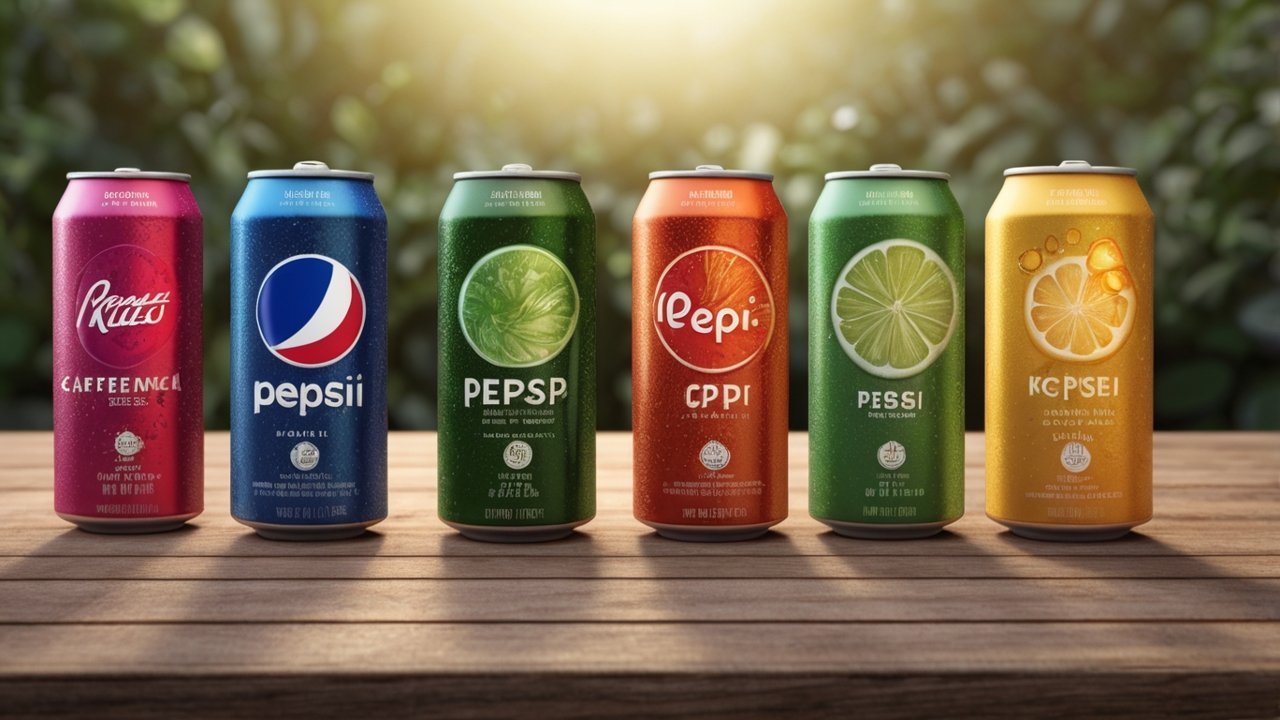
🥤 Chapter 8: Alternatives to Caffeine Free Coke
🍾 H2: Why Look for Alternatives to Caffeine Free Coke?
While Caffeine Free Coke satisfies cravings for a soda without the stimulant, it’s not always easy to find—and it still carries the same sugar and calorie load as regular Coke. For those managing weight, blood sugar, or simply looking for healthier lifestyle swaps, exploring alternatives can open the door to smarter choices.
👉 To learn how to balance sugar intake naturally, check out FibreMaxxing Explained.
🥤 Other Caffeine-Free Sodas
-
Caffeine Free Diet Coke 🥤
Same caffeine-free promise but with zero sugar and calories. Great for those who want Coke’s feel without sugar spikes. -
Caffeine Free Pepsi 🥤
Pepsi’s version of the no-caffeine formula. Slightly sweeter than Coke, often easier to find in some regions. -
Root Beer (varieties like A&W, Mug) 🌿
Many root beers are naturally caffeine-free, offering a different nostalgic flavor.
👉 For a deeper look at traditional soda swaps, here’s an external soda comparison guide.
🌿 Functional Beverage Alternatives
The functional beverage market has exploded with options that deliver flavor and added health benefits. Popular picks include:
-
Herbal Wellness Water 🌱
A rising trend from Asia that combines hydration with natural wellness extracts. See the full breakdown here: Herbal Wellness Water. -
Kombucha 🍵
A fizzy, fermented tea with probiotics for gut health. Naturally low in caffeine (depending on brew) and available in endless flavors. -
Sparkling Mineral Water 💧
Zero calories, zero sugar, and often infused with natural fruit essences. Perfect for a refreshing soda replacement.
👉 Want to optimize long-term energy without caffeine? Read about Mitochondrial Energy Boost.
⚖️ Lifestyle-Driven Choices
Choosing between Caffeine Free Coke and alternatives depends on your health goals:
-
For sugar reduction: Caffeine Free Diet Coke, Coke Zero, or sparkling water.
-
For gut health: Kombucha or herbal infusions.
-
For nostalgia without caffeine: Root beer or Pepsi’s caffeine-free version.
-
For hydration + function: Herbal wellness waters or flavored sparkling waters.
🎯 Final Thoughts on Alternatives
Caffeine Free Coke is an excellent option if you want the classic taste without caffeine, but it’s not the only path. Whether you’re trying to cut sugar, improve gut health, or simply discover refreshing new drinks, there’s a wide world of alternatives waiting to fizz up your routine.
👉 Explore more drink innovations at the LiveSmart Health Hub.
💬 Chapter 9: What People Are Saying – Real Reviews and Feedback
🥤 How Do Consumers Feel About Caffeine Free Coke?
When it comes to taste and experience, Caffeine Free Coke sparks mixed but passionate reviews. Some fans swear it tastes just like the original and is their go-to late-night soda. Others argue it’s smoother and slightly sweeter, lacking the “bite” of Classic Coke.
The key takeaway? It’s a loyal substitute for people who want Coke flavor without caffeine side effects.
👉 Curious about how health shifts influence taste perception? See Mitochondrial Imbalance: The Hidden Cause of Fatigue.
🌟 Positive Feedback
-
Great for Evenings: Many reviewers highlight that they can enjoy a can of Caffeine Free Coke at night without worrying about staying awake until 2 a.m.
-
Family-Friendly: Parents often appreciate it as a soda option for children that doesn’t include caffeine.
-
Taste Satisfaction: Some loyal drinkers say they can’t tell the difference from Classic Coke when it’s ice-cold.
“I switched to Caffeine Free Coke two years ago, and I never went back. I still get the Coke flavor I love, without feeling jittery.”
⚖️ Constructive Criticism
-
Hard to Find: Availability remains a major complaint. Some consumers report driving to multiple stores or resorting to online bulk purchases.
-
Too Sweet: A portion of tasters feel that without caffeine’s subtle bitterness, the drink comes across as a bit sweeter.
-
Not Healthier: Reviewers who expected a “healthier soda” were disappointed to learn it has the same sugar and calories as the original.
“It’s great without caffeine, but let’s be real — it’s still 39 grams of sugar in a can. Not exactly health food.”
👉 For sugar-conscious consumers, see FibreMaxxing Explained to balance diet and indulgence.
📱 Social Media Buzz Around Caffeine Free Coke
On platforms like Reddit, Twitter, and TikTok, Caffeine Free Coke has a cult-like following. Fans trade tips on where to buy it and post nostalgic photos of the golden cans.
-
TikTok Trends: Videos often show “Caffeine Free Coke taste tests” with family reactions.
-
Reddit Threads: Discussions revolve around scarcity—especially in regions where distribution is inconsistent.
-
Instagram Posts: Lifestyle bloggers often position Caffeine Free Coke as a “comfort soda” for evenings or pregnancy-safe indulgence.
👉 Explore broader wellness conversations at the LiveSmart Health Hub.
🎯 The Verdict From Consumers
The consensus is clear: Caffeine Free Coke is beloved for what it is—not what it isn’t. People don’t drink it because it’s healthy; they drink it because it delivers the classic Coke experience without caffeine’s downsides.
Its cult status stems from its scarcity, nostalgia, and role as a lifestyle-friendly soda. For anyone reducing caffeine but unwilling to sacrifice taste, it’s a cherished option.
👉 Want to see more on beverage alternatives people rave about? Check out Herbal Wellness Water.

🎯 Chapter 10: Final Thoughts – Is Caffeine Free Coke the Better Choice?
⚖️ Weighing the Pros and Cons of Caffeine Free Coke
When it comes to soda, Caffeine Free Coke sits in an interesting middle ground. It’s not a “health drink,” but it’s also not without value. For millions of people, it fills a unique niche: enjoying the iconic taste of Coca-Cola without the caffeine crash, jittery side effects, or late-night sleep disruptions.
The Pros:
-
Perfect for caffeine-sensitive individuals.
-
Safe(r) option for kids, teens, and pregnant people.
-
Allows late-night indulgence without insomnia.
-
Nearly identical taste to Classic Coke.
The Cons:
-
Same sugar and calorie count as Classic Coke.
-
Harder to find in certain regions.
-
May taste “smoother” or “sweeter” to those who miss caffeine’s bite.
👉 For readers managing fatigue and seeking smarter alternatives, check out Mitochondrial Energy Boost.
🥤 Is Caffeine Free Coke Worth It?
The verdict depends on your priorities.
-
If you want less caffeine but still crave Coke’s flavor → ✅ Yes, it’s worth it.
-
If you’re trying to cut sugar or calories → ❌ Not the right solution; Diet Coke or Coke Zero would be better.
-
If you’re looking for long-term health improvements → ⚖️ Consider alternatives like sparkling waters, kombucha, or Herbal Wellness Water.
👉 For sugar-conscious individuals, solutions like Sugar Defender may help support balanced energy and blood sugar levels.
🧠 The Lifestyle Choice, Not a Health Upgrade
Ultimately, Caffeine Free Coke is a lifestyle-driven choice, not a health revolution. It’s perfect for moments when caffeine isn’t welcome—but it’s still soda. Drinking it occasionally is unlikely to harm most people, but moderation is key.
👉 For those wanting more holistic lifestyle insights, visit the LiveSmart Health Hub.
⚠️ Disclaimer
All information provided in this article is based on publicly available sources and current knowledge at the time of writing. Caffeine Free Coke is not a health drink. For the latest product details, nutritional updates, and medical guidance, please check Coca-Cola’s official website or consult a healthcare professional.
👉 More background on caffeine and health impacts can be found in this external caffeine guide.

⚠️ Chapter 11: Disclaimer
The content of this article on Caffeine Free Coke is provided for informational and educational purposes only. While we’ve explored taste, ingredients, and potential lifestyle benefits, it is important to recognize the following:
-
Not Medical Advice: This article does not replace professional medical guidance. If you are pregnant, managing a health condition, or concerned about caffeine and sugar intake, consult with a qualified healthcare provider.
-
Nutritional Accuracy: Ingredients and nutritional values may vary by country or product line. For the latest information, please refer to Coca-Cola’s official website or product packaging.
-
Health Claims: Caffeine Free Coke is not a health product. It remains a soda with sugar and calories, even without caffeine. Consumption should be moderate and balanced within a healthy diet.
-
External Resources: We encourage readers to explore additional reputable resources for caffeine and wellness, such as this external guide on caffeine and sleep.
Ultimately, the best choice is the one that aligns with your personal health goals, dietary needs, and lifestyle preferences.
👉 For more wellness-driven drink alternatives and health insights, visit the LiveSmart Health Hub.
Please log in to access your exclusive content.
Don’t have an account? Click the “Register” button below to sign up.
Related Posts